JBRA Assist. Reprod. 2025;29(2):251-257
ORIGINAL ARTICLE
doi: 10.5935/1518-0557.20240100S
Impact of Infertility and Medically Assisted Reproduction Treatments on Female Sexuality
1Obstetrics and Gynecology Department, University Hospital Farhat Hached of Sousse, University of Sousse, Faculty of Medicine of Sousse, Tunisia
2University of Monastir, Higher School of Health Sciences and Techniques of Monastir, Tunisia
3Department of Family and Community Health, LR12ES03, Faculty of Medicine of Sousse, University of Sousse, Sousse, Tunisia
CONFLICTS OF INTEREST
None
ABSTRACT
Objective: To evaluate the impact of infertility and Medically Assisted Procreation (MAP) on female sexuality. Human sexuality presents a multifaceted complexity, shaped by diverse factors and individual intricacies. Infertility and assisted reproductive treatments entail a prolonged and arduous journey, amplifying pre-existing sexual dysfunctions and serving as a rigorous trial of the affected women’s sexuality and the resilience of couples.
Methods: This is a prospective descriptive comparative study with an analytical section, involving 140 female participants: 70 with infertility undergoing assisted reproductive technology (ART) treatment, and 70 who are fertile and had no prior history of conceiving problems. The evaluation of the sexual function of the two groups was conducted using the Female Sexual Function Index (FSFI) score.
Results: The infertile group exhibited a higher level of marital adjustment compared to the fertile cohort. A majority of participants within the infertile cohort (51.4%) presented with primary infertility and (48.6%) experiencing secondary infertility. A marginal elevation in the frequency of sexual intercourse among infertile participants was observed. The mean global score of female sexual function was (21.57±3.36) in the infertile group, which was significantly lower compared to (24.46±1.97) in the fertile group. Notably, both scores fell within the criteria for high risk of sexual dysfunction. The difference between the two groups was significant for all dimensions of FSFI.
Conclusions: Infertility and its treatments pose challenges to female sexuality, often leading to sexual dysfunction. Thus, counseling and sexological support are crucial during treatment.
Keywords: infertility, sexuality, ART, FSFI score, female sexuality, sexual function
INTRODUCTION
A satisfactory sexual experience is characterized by its contribution to the moral and physical well-being of both partners, alongside its potential for reproductive purposes (Touraille & Ågmo, 2024). It is imperative to underscore the absence of an absolute normative framework in matters of human sexuality (Touraille & Ågmo, 2024). Unlike the animal kingdom, where sexual behavior is predominantly instinctual, human sexuality is inherently multifaceted, shaped by linguistic nuances and individual intricacies (Touraille & Ågmo, 2024). However, when a long-awaited pregnancy does not occur immediately, it is common for couples to question their fertility and experience anxiety (Luca et al., 2021). This can create a stressful environment and shift the focus of sexuality towards conception rather than pleasure. The frustration of failure, particularly after a negative pregnancy test, can lead to a loss of interest in sexual activity (Monga et al., 2004; Ohl et al., 2009).
Infertility can cause significant stress and anxiety, leaving couples feeling vulnerable. Moreover, it also, impacts the life of the couples on many aspects such as physically, sexually, psychologically, emotionally and even financially (Monga et al., 2004; Whiteford & Gonzalez, 1995). The focus on sexuality, and the efforts done to obtain a pregnancy, alter the quality of intercourse for the couple. This is caused by the invasive aspect of AMP journey and the absence of spontaneity during sexual activities (Ohl et al., 2009). Furthermore, this situation is likely to exacerbate pre-existing sexual dysfunctions, thereby impeding the couple’s ability to sustain their prior level of sexual activity (Drake & Grunert, 1979).
The couple faces distress and difficulty to express their concerns related to their sexual problems during their consultations, conducing in complicating their sexual dysfunctions (Reder et al., 2009). The process of assisted reproduction is a protracted and arduous journey. Couples who lack the resilience to confront the numerous disappointments, false hopes and extended periods of waiting may emerge from this process either together or separately (Amiri et al., 2015). Hence, the objective of this study is to evaluate the impact of infertility and Medically Assisted Procreation on female sexuality.
MATERIAL AND METHODS
Study design and sampling
This is a prospective descriptive comparative study aimed at investigating the impact of infertility and Assisted Reproductive Technology on women’s sexuality with an analytical evaluation, involving 140 female participants: 70 with infertility undergoing assisted reproductive technology (ART) treatment at the ART unit of CHU Farhat Hached Sousse, and 70 who are fertile and had no prior history of conceiving problems, consulting the family planning unit of CHU Taher SfarMahdia for simple complaints. This study spans from December to March 2024. The evaluation of the sexual function of the two groups was conducted using the Female Sexual Function Index (FSFI) score (Giuliano, 2013).This validated questionnaire comprises 19 items assessing sexual activity over the last four weeks. It yields a total score and evaluates six distinct domains of sexual function, including desire, arousal, lubrication, orgasm, sexual satisfaction, and pain. A total score of 26.55 or less indicates sexual dysfunction (Wiegel et al., 2005).
Inclusion criteria
All the participants in this study were non-menopausal and sexually active for at least four weeks before this assessment. Concerning the infertile women group we included every woman; who consented to participate in the study, aged between 18 to 45 years old, and, undergoing Assisted Reproductive Technology treatment for a period of at least 1 year.
And for the fertile women group, we included every woman; who consented to participate in the study, aged between 18 to 45 years old, and, without medical issues related to reproduction.
Non-inclusion criteria
We did not include in this study women in their menopause or perimenopause, in a pregnancy, postpartum state or breast feeding, aged more than 45 years, and who were separated from their spouses during the last 2 months
Exclusion criteria
In this study, we excluded women with vaginismus, congenital malformations, undergoing treatment for psychiatric disorders and women who refused to participate in the study.
METHODS
The final version of the questionnaire was introduced with a letter outlining the theme and purpose of the research, along with ethical considerations. The questionnaire was completed by a third party, independent of any influence and without a predetermined time constraint. It was distributed by a single operator, trained to explain to the women. The participants who received the questionnaire have basic French language skills. Prior to questionnaire distribution and at the outset of this study, authorization was obtained from the head of the department. Women were informed of the main objectives of the study, as well as the assurance of anonymity and confidentiality of the collected data. Indeed, women were informed that they had the freedom to participate or not in the study, while respecting their choices. Given the potential embarrassment associated with inquiring about sexual related topics within our conservative community, we ensured a comfortable and discreet environment within the hospital for questionnaire completion. Female participants were afforded a separate space to fill out the questionnaires, ensuring privacy. Furthermore, strict confidentiality measures were upheld throughout the process.
Statistical analysis
A descriptive study was carried out, utilizing means and percentages for qualitative variables, and counts with percentages were determined. The mean and standard deviation for continuous quantitative variables were computed. The Student’s T-test with a significance level of 5% was used to compare means, whereas the chi-square test or Fisher’s exact test was used to compare percentages.
RESULTS
Age
In the infertile group, 57.1% of women were aged 30 to 40 years, 24.3% were 40 years or older, and 18.6% were under 30 years old. In contrast, in the fertile group, 55.7% were aged 30 to 40 years, 37.1% were under 30 years old, and only 7.2% were 40 to 45 years old. The difference between the two groups was statistically significant (p=0.004).
Marital adjustment
Half of the participants in the infertile group (51.4%) had an average marital adjustment, while 71.4% in the fertile group had an average marital adjustment.
The difference between the two groups was statistically significant (p=0.031) (Figure 1).

Figure 1. Distribution of participants according to their marital adjustment.
Type of infertility
More than half of the participants in the infertile group (51.4%) had primary infertility, while 48.6% had secondary infertility.
Duration of infertility
The mean duration of infertility in the infertile group was 5.16±3.31 years.
Origin of the infertility
More than 1/3 of the participants (40.0%) had mixed infertility (Figure 2).
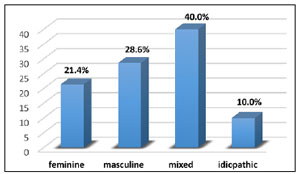
Figure 2. Distribution of participants in the infertile group according to the origin of infertility.
Medically assisted procreation
The mean number of attempts of medically assisted procreation in the infertile group was 2.40±1.12. The mean number of years of infertility treatment in the infertile group was 2.58±1.81 years. More than half of the participants (57.1%) had undergone in vitro fertilization (IVF) (Table 1).
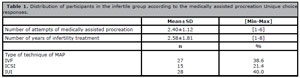
Table 1. Distribution of participants in the infertile group according to the medically assisted procreation Unique choice responses.
Sexual life
All participants in both the infertile and fertile groups (100%) reported engaging in sexual intercourse with their husband. In the infertile group, 68.6% engaged in sexual intercourse at least seven times over the past four weeks, however in the fertile group, only 64.3% reported having sexual intercourse seven times or moreover the same period.
Regarding reasons for having sexual intercourse, the most common reasons in the infertile group were for procreation (72.9%), expressing love (80.0%), and maintaining the relationship (85.7%). And the most common reasons in the fertile group were expressing love (95.7%), maintaining the relationship (91.4%) and physiological need (74.3%).
In terms of timing of sexual intercourse, 44.3% of the infertile group reported having sexual intercourse linked to their ovulation period, while 100% of the fertile group had sexual intercourse at any time during their cycle (Table 2).

Table 2. Distribution of participants according to their sexual life (n=70).
Female sexual function index
The mean score of sexual desire of the infertile cohort was slightly inferior 3.37±0.57 compared to the fertile group’s mean score 3.70±0.49. The infertile group exhibited a lower arousal mean score compared to the fertile group, with scores of 3.46±0.59 and 3.80±0.44 respectively. The mean score of vaginal lubrification in the infertile group was 3.77±0.69, which is significantly lower than the fertile group’s score that is equal to 4.08±0.42. The infertile cohort exhibited a lower mean score of achieving orgasm 3.14±0.97, compared to the fertile participants 3.98±0.42. The difference between the two groups concerning the mean score of sexual satisfaction was statistically significant; with a mean score of satisfaction in the infertile group equal to 4.06±0.84, which is lower than the fertile participants’ mean score 4.55±0.49. A lower mean score of pain during sexual intercourse (Dyspareunia) was observed in the infertile participants 3.80±0.89 compared to the fertile group that exhibited a relatively high mean score 4.35±0.54. The mean global score of female sexual function was significantly lower in the infertile group 21.57±3.36, compared to in the fertile group 24.46±1.97. The difference between the two groups was significant for all dimensions of the FSFI (Table 3).

Table 3. Distribution of participants according to their female sexual function index (FSFI) (n=70).
DISCUSSION
Population’s General Characteristics
The average age of our infertile group falls within the range of 30 to 40 years for 57.1% of women. In contrast, within the fertile group, 55.7% of individuals fell within the age range of 30 to 40 years. In comparison to Reder et al. (2009) study, in which he found the majority of his population fell within the age range of 30 and 35 years old. This notable statistical difference can be attributed to various factors, including delayed marriage decisions and socio-economic challenges in Tunisia (Horne, 1992). Our study revealed that the infertile group exhibited a higher level of marital adjustment compared to the fertile cohort. Specifically, 48.6% of the infertile participants demonstrated a favorable conjugal adjustment, whereas only 28.6% of the fertile individuals reported a similarly positive marital adjustment (Figure 1). According to two studies (Eghtedar et al., 2021; Ohl et al., 2009), this phenomenon may be attributed to the challenges posed by infertility and the associated adversities encountered by couples, which potentially fostered greater cohesion and communication, thereby contributing to an improved marital adjustment among infertile couples (Ohl et al., 2009).
Infertility characteristics
The majority of participants within the infertile cohort 51.4% presented with primary infertility, with the remaining 48.6% experiencing secondary infertility. The mean duration of infertility among individuals in the infertile group was computed to be 5.16±3.308 years. Similar results were found in Benksim et al.‘s study (Benksim et al., 2018), the primary infertility rates were 67.37% and the secondary infertility rates were 32.63%.
We found that the etiology of infertility exhibited the following distribution, 40% of participants undergoing MAP exhibited mixed infertility, 21.4% attributed their infertility to feminine causes, 28.6% to masculine fertility issues, while the remained was classified as idiopathic in nature (Figure 2). Whereas, Reder et al. (2009) findings indicated that idiopathic causes accounted for the primary etiology of infertility, representing 37.2% of cases.
The average number of attempts for medically assisted procreation (MAP) within the infertile cohort in our study was 2.40±1.12, with a mean duration of treatment spanning 2.58±1.81years. The most frequently employed MAP protocol was intrauterine insemination (IUI), accounting for 40.0% of cases, closely followed by in vitro fertilization (IVF), utilized by 38.6% of participants within the infertile cohort (Table 1). In contrast, Reder et al. (2009) study revealed a mean duration of MAP treatment ranging between 3 and 4.9 years on average. Moreover, the predominant MAP protocol employed in Reder et al. (2009) study was intracytoplasmic sperm injection (ICSI), constituting39.5% of cases.
Female Sexual Life During Medically Assisted Procreation Treatment
All participants in both groups 100% reported engaging in sexual intercourse with their respective husbands (Table 2). In the infertile group, 68.6% engaged in sexual intercourse at least seven times over the past four weeks, however in the fertile group, only 64.3% reported having sexual intercourse seven times or moreover the same period. Our study revealed a higher frequency of sexual intercourse among the infertile participants compared to the fertile cohort (Table 2). This convergence may be attributed to the heightened emphasis on increasing the likelihood of conception through a greater number of sexual encounters, a practice closely associated with the specific protocol of MAP followed. Notably, patients undergoing IUI displayed a higher frequency of intercourse compared to those undergoing IVF and ICSI procedures (Coëffin-Driol & Giami, 2004; Luca et al., 2021).
Similarly to our study, and according to Reder et al. (2009), the frequency of sexual intercourse does not appear to decrease following the treatment of infertility. In the context of coitus, 44.3% of individuals within the infertile cohort reported aligning their sexual intercourses with their ovulation period, aiming to enhance their chances of conception. Notably, the majority of this subgroup were undergoing anIUI protocol. Conversely, the remaining participants demonstrated irregular and non-ovulatory cycle-aligned coital patterns, primarily associated with ICSI or IVF protocols Reder et al. (2009) (Table 2). The study of Ohl et al. (2009) has shown that the MAP protocol chosen has an impact on the frequency of sexual intercourse, women undergoing IUI are more likely to alginate their coitus schedule with ovulation, increasing the frequency of coitus during that period, unlike women undergoing ICSI (p=0.031) or IVF (p=0.04). Furthermore, it has been proposed that sexual expression within infertile couples may adopt a “mechanical and forced” quality (Wallach et al., 1982). Also in Monga et al. (2004) they stated that the infertile women scored higher in sexual frequency and desire compared to the fertile group, and there were no significant statistical differences. However, this apparent disparity is likely an artificial reflection of the perceived need to conceive, rather than an accurate indicator of the health of the sexual relationship within the infertile couple (Monga et al., 2004).
Regarding the motivations for having coitus, we found in our study, that the infertile group claimed that their reasons for intercourse were procreation 72.9% and maintaining the relationship 85.7%, conversely to the fertile group they stated their motivations as expressing love 95.7% and physiological need 74.3%. Monga et al. (2004) underscore that when sexuality becomes a mean created to achieve pregnancy, the concerns of the couple may lead one of the partners to excessively demand sexual intercourse, the effects of which could be deleterious. The sexual encounters described herein are deemed “futile”, invalidated as they are by the foregrounding pursuit of pregnancy (The impact of Infertility and its treatment on sexual life and marital relationships, review of the literature.pdf, n.d.). This phenomenon is often exacerbated by medical interventions such as post-coital testing, in vitro penetration of cervical mucus during ovulatory periods, ovulation inductions, and prescribing the timing of sexual intercourse, which, despite their intrusiveness into the couple’s intimacy, somewhat legitimize this deviation in sexual behavior (Coëffin-Driol & Giami, 2004). Within the scope of this discussion, attention is directed towards the augmentation in the frequency of sexual intercourse vis-à-vis its qualitative aspect. The decrement in quality is elucidated as a consequence of the diminished spontaneity engendered by the intrusive protocols of Medically Assisted Procreation . On the contrary, Slade et al. (1992) found that not only has the quality of intercourse deteriorated, but also the frequency of coitus has decreased significantly (Tayebi & Ardakani, 2009). This compounds the poor sexual and marital adjustment resulting from infertility and its treatments (Slade et al., 1992).
FSFI Comparison: Female Sexual Function in Fertile and Infertile Women
The classification score FSFI was used as an assessment instrument that addresses the multidimensional nature of female sexual function (Rosen et al., 2000). It was employed to identify potential risk of Female Sexual Dysfunction (FSD)(Table 3). This validated questionnaire comprises 19 items assessing sexual activity over the last four weeks. It yields a total score and evaluates six distinct domains of sexual function, including desire, arousal, lubrication, orgasm, sexual satisfaction, and pain. A total score of 26.55 or less indicates sexual dysfunction (Meston et al., 2020; Wiegel et al., 2005).
1. Desire
The mean score of sexual desire of the infertile cohort was slightly inferior 3.37±0.57 compared to the fertile group’s mean score 3.70±0.49, unlike the Egyptian study (Gabr et al., 2017) results that reported that the mean scores of desire showed no significant difference between the two groups. Other studies (Anderson et al., 2003; Pakpour et al., 2012) insisted on the significant decrease of infertile female’s sexual desire compared to the fertile community. According to Cindy M’s article (Meston et al., 2020) women scoring 5 or lower on the Desire domain likely meet the diagnostic criteria for Hypoactive Sexual Desire Disorder (HSDD), whereas those with scores exceeding 5 are less likely to meet the criteria. However, it is imperative to acknowledge that the FSFI alone does not suffice for diagnosing sexual dysfunction (Meston et al., 2020). Ohl et al. (2009) found similar results as our study, showing that the sexual desire and the pursuit of pleasure are diminished due to scheduled coitus, leaving no room for spontaneity, as the primary objective is reproduction. This decrease in sexual desire is evident in practice. It may be apparent that sexual desire appears high due to the frequency of sexual intercourse, which in reality, showcases that sexuality has become more of a tool to conceive rather than a mean of pleasure (Ohl et al., 2009).
2. Arousal
We observed a slight difference between the two groups: the infertile group exhibited a lower arousal mean score value compared to the fertile group, with scores of 3.46±0.59 and 3.80±0.44, respectively. On the contrary, Gabr et al. (2017) found no statistical significance between the two groups concerning the mean score of sexual arousal. Conversely, other studies (Tao et al., 2011; Audu, 2002; Millheiser et al., 2010; Khademi et al., 2008) supported our results and put an emphasis on the deterioration of infertile female‘s sexual arousal due to infertility and MAP treatments.
3. Lubrification
The mean score of vaginal lubrification in the infertile group was 3.77±0.69, which, is significantly lower than the fertile group’s score that is equal to 4.08±0.42. Khademi et al. (2008) insisted in their article that vaginal-dryness and lower vaginal lubrification where more observed in infertile participants undergoing MAP treatments than in the Iranian normal population. However, the study of Gabr et al. (2017) reported no significant difference between the two groups concerning vaginal lubrication.
4. Orgasm
The infertile group in our study exhibited a low mean score of achieving orgasm 3.14±0.97, compared to the fertile participants 3.98±0.42. this high-lightens infertility as a risk factor for sexual dysfunction, such as female orgasmic dysfunction FOD(19,26). Supported by the similar results of Gabr et al. (2017) study that show a significant difference between the infertile group and the control group (p value: 0.01).
5. Satisfaction
The difference between the infertile and the fertile group concerning the mean score of sexual satisfaction was statistically significant (p value: 0.001). With a mean score of satisfaction in the infertile group equal to 4.06±0.84, while the fertile participants had a slightly elevated mean score of sexual satisfaction 4.55±0.49, which is relatively close to the maximal score 6.0. These results can be explained by the multiple components of this dimension, and these results are supported by similar findings by Meston et al. (2020) and Wiegel et al. (2005).
Satisfaction typically pertains to a subjective sense of well-being. In the context of sexual assessment, it can encompass various aspects, including overall satisfaction with the sexual relationship with one’s partner, as well as specific satisfaction related to the partner’s behavior and interactions during sexual activity (Meston et al., 2020; Wiegel et al., 2005). Which can lead participants to evaluate their satisfaction on general sexual well-being with their respective partners. Furthermore, Gabr et al. (2017) had similar findings to our study, stating that infertile participants had a lower mean score of sexual satisfaction compared to the control group, equal to 4.9±0.5 and 5.2±0.5, respectively.
6. Pain
Our study showed a lower mean score of pain during sexual intercourse (Dyspareunia) in the infertile participants 3.80±0.89 compared to the fertile group that exhibited a relatively high mean score of dyspareunia 4.35±0.54. These results may be explained by the parity difference between the two groups. Since the fertile group had a 100% rate of previous childbirth, particularly in cases of antecedents vaginal delivery, the prevalence of dyspareunia had augmented (Fauconnier et al., 2012). Similar results were found in the study of Gabr et al. (2017), stating that there was a significant difference between the infertile and the control group concerning the mean score of dyspareunia, 3.9±0.9 and 4.4±0.7, respectively.
7. FSFI global score assessment
The mean global score of female sexual function was 21.57±3.36 in the infertile group, which was significantly lower compared to 24.46±1.97 in the fertile group. Notably, both scores fell within the criteria for high risk of sexual dysfunction, as they were below the threshold of the global score of 26.55. However, a marked difference was observed between the minimal and maximal scores in both groups. The minimal global score was (12.4), and the maximal score was 27.5. Interestingly, the fertile group exhibited a higher minimal score of 20.0 compared to the infertile group. Furthermore, the fertile group demonstrated a significantly higher maximal total score of 28.6 compared to the infertile group. To further elucidate, despite the fertile group exhibiting a higher global FSFI score compared to the infertile group, it still fell into the high-risk category for Sexual Dysfunction (SDD). This outcome may be attributed to poor marital adjustment within the fertile cohort, leading to misunderstandings and miscommunications between partners. In Tunisian marriage culture, the extended family often influences the couple’s intimate life, creating a paradoxical effect where sexuality is treated with caution and considered taboo. This cultural dynamic may consequently worsen their sexual well-being (Frini & Muller, 2023). Similar results were found in the study conducted by Mirblouk et al. (2016). However, in an Egyptian study done by Gabr et al. (2017) they found different results compared to us, 26.8±3.8 as a mean global score for the infertile group while the fertile group exhibited a mean global score equal to 27.9±3.5. This difference in results between this study and ours can be explained by the difference in the size of the population chosen. Comparable results to those observed in our study, regarding the lower mean global score of FSFI in the infertile group compared to the fertile group, were documented in the research conducted by Pakpour et al. (2012). The difference between the two groups, in our study, was significant for all dimensions of FSFI, however in Gabr et al. (2017) they stated that the total FSFI scores, as well as the scores for the orgasm, satisfaction, and pain sexual domains, were significantly lower in the infertile group. In contrast, the desire, arousal, and lubrication scores did not show significant differences between the groups (Gabr et al., 2017). This indicates that the orgasm, satisfaction, and pain sexual domains are more affected in infertile women compared to other sexual domains (Gabr et al., 2017).
CONCLUSION
Through this study, we can ascertain that infertility and its treatments at Assisted Procreation Technology (APT) centers exert a substantial influence on female sexuality. Our observations showed that despite the increased frequency of sexual encounters among infertile women and their respective husbands, sexuality often transitions from a source of pleasure to a mean of conception, thereby diminishing its intrinsic enjoyment and transforming it into a mere tool utilized in pursuit of motherhood.
Furthermore, a notable disparity in sexual function was observed between the two groups. Our infertile cohort exhibited significantly lower FSFI scores across multiple dimensions of sexuality compared to the fertile group, including sexual desire, arousal, lubrication, orgasm, and sexual satisfaction. Consequently, these findings place infertile participants at a heightened risk for female sexual dysfunction. It is imperative to recognize that sexual dysfunction can both contribute to fertility issues and emerge as a consequence of the diagnosis of couple infertility. Additionally, it is crucial to acknowledge the stigma experienced by many patients stemming from their inability to conceive or from unsuccessful attempts at Medical Assisted Procreation (MAP), thereby exacerbating the challenges faced by those undergoing infertility treatments. Thus, women are more affected by this medical issue, or at least they report it more often. However, this study only scratches the surface of the iceberg; undoubtedly, many unspoken issues remain unresolved. Nevertheless, it has the merit of being a starting point to initiate dialogue within the couple about their sexuality.
REFERENCES
Amiri M, Khosravi A, Chaman R, Sadeghi Z, Raei M, Jahanitiji M, Mehrabian F. Social Consequences of Infertility on Families in Iran. Glob J Health Sci. 2015;8:89-95. PMID: 26652089 DOI: 10.5539/gjhs.v8n5p89 Medline
Anderson KM, Sharpe M, Rattray A, Irvine DS. Distress and concerns in couples referred to a specialist infertility clinic. J Psychosom Res. 2003;54:353-35. PMID: 12670613 DOI: 10.1016/S0022-3999(02)00398-7 Medline
Audu BM. Sexual dysfunction among infertile Nigerian women. J Obstet Gynaecol. 2002;22:655-7. PMID: 12554257 DOI: 10.1080/0144361021000020475 Medline
Benksim A, Elkhoudri N, Addi RA, Baali A, Cherkaoui M. Difference between Primary and Secondary Infertility in Morocco: Frequencies and Associated Factors. Int J Fertil Steril. 2018;12:142-6. PMID: 29707931 DOI: 10.22074/ijfs.2018.5188 Medline
Coëffin-Driol C, Giami A. The impact of infertility and its treatment on sexual life and marital relationships: review of the literature. Gynecol Obstet Fertil. 2004;32:624-37. PMID: 15450262 DOI: 10.1016/j.gyobfe.2004.06.004 Medline
Drake TS, Grunert GM. A cyclic pattern of sexual dysfunction in the infertility investigation. Fertil Steril. 1979;32:542-5. PMID: 556310 DOI: 10.1016/S0015-0282(16)44356-6 Medline
Fauconnier A, Goltzene A, Issartel F, Janse-Marec J, Blondel B, Fritel X. Late post-partum dyspareunia: does delivery play a role? Prog Urol. 2012;22:225-32. PMID: 22516785 DOI: 10.1016/j.purol.2012.01.008 Medline
Frini O, Muller C. Revisiting fertility regulation and family ties in Tunisia. BMC Pregnancy Childbirth. 2023;23:88. PMID: 36726068 DOI: 0.1186/s12884-023-05408-9 Medline
Gabr AA, Omran EF, Abdallah AA, Kotb MM, Farid EZ, Dieb AS, Belal DS. Prevalence of sexual dysfunction in infertile versus fertile couples. Eur J Obstet Gynecol Reprod Biol. 2017;217:38-43. PMID: 28843867 DOI: 0.1016/j.ejogrb.2017.08.025 Medline
Giuliano F. Les questionnaires recommandés en médecine sexuelle [Questionnaires in sexual medicine]. Prog Urol. 2013;23:811-21. PMID: 23830276. doi: 10.1016/j.purol.2013.01.006. Medline
Horne AD. Fertility-inhibiting indices in the Arab world. Popul Bull ESCWA. 1992;40:5-35. PMID: 12287048 Medline
Khademi A, Alleyassin A, Amini M, Ghaemi M. Evaluation of sexual dysfunction prevalence in infertile couples. J Sex Med. 2008;5:1402-10. PMID: 18086173 DOI: 10.1111/j.1743-6109.2007.00687.x Medline
Luca G, Parrettini S, Sansone A, Calafiore R, Jannini EA. The Inferto-Sex Syndrome (ISS): sexual dysfunction in fertility care setting and assisted reproduction. J Endocrinol Invest. 2021;44:2071-102. PMID: 33956331 DOI: 10.1007/s40618-021-01581-w Medline
Meston CM, Freihart BK, Handy AB, Kilimnik CD, Rosen RC. Scoring and Interpretation of the FSFI: What can be Learned From 20 Years of use? J Sex Med. 2020;17:17-25. PMID: 31735616 DOI: 10.1016/j.jsxm.2019.10.007 Medline
Millheiser LS, Helmer AE, Quintero RB, Westphal LM, Milki AA, Lathi RB. Is infertility a risk factor for female sexual dysfunction? A case-control study. Fertil Steril. 2010;94:2022-5. PMID: 20206929 DOI: 10.1016/j.fertnstert.2010.01.037 Medline
Mirblouk F, Asgharnia DM, Solimani R, Fakor F, Salamat F, Mansoori S. Comparison of sexual dysfunction in women with infertility and without infertility referred to Al-Zahra Hospital in 2013-2014. Int J Reprod Biomed. 2016;14:117-24. PMID: 27200426 DOI: 10.29252/ijrm.14.2.117 Medline
Monga M, Alexandrescu B, Katz SE, Stein M, Ganiats T. Impact of infertility on quality of life, marital adjustment, and sexual function. Urology. 2004;63:126-30. PMID: 14751363 DOI: 10.1016/j.urology.2003.09.015 Medline
Ohl J, Reder F, Fernandez A, Bettahar-Lebugle K, Rongières C, Nisand I. Impact de l’infertilité et de l’Assistance médicale à la procréation sur la sexualité. Gynecol Obstet Fertil. 2009;37:25-32. French. PMID: 19117786 DOI: 10.1016/j.gyobfe.2008.08.012 Medline
Pakpour AH, Yekaninejad MS, Zeidi IM, Burri A. Prevalence and risk factors of the female sexual dysfunction in a sample of infertile Iranian women. Arch Gynecol Obstet. 2012;286:1589-96. PMID: 22850887 DOI: 10.1007/s00404-012-2489-x Medline
Reder F, Fernandez A, Ohl J. Does sexuality still have a place for couples treated with assisted reproductive techniques? J Gynecol Obstet Biol Reprod (Paris). 2009;38:377-88. PMID: 19577383 DOI: 10.1016/j.jgyn.2009.05.002 Medline
Rosen R, Brown C, Heiman J, Leiblum S, Meston C, Shabsigh R, Ferguson D, D’Agostino R. The Female Sexual Function Index (FSFI): a multidimensional self-report instrument for the assessment of female sexual function. J Sex Marital Ther. 2000;26:191-208. PMID: 10782451 DOI: 10.1080/009262300278597 Medline
Tao P, Coates R, Maycock B. The impact of infertility on sexuality: A literature review. Australas Med J. 2011:620-7. PMID: 23386877 DOI: 10.4066/AMJ.20111055 Medline
Touraille P, Ågmo A. Sex Differences in Sexual Motivation in Humans and Other Mammals: The Role of Conscious and Unconscious Processes. Behav Sci. 2024;14:277. PMID: 38667073 DOI: 10.3390/bs14040277 Medline
Wallach EE, Seibel MM, Taymor ML. Emotional aspects of infertility. Fertil Steril. 1982;37:137-45. PMID: 7037462 DOI: 10.1016/S0015-0282(16)46029-2 Medline
Whiteford LM, Gonzalez L. Stigma: The hidden burden of infertility. Soc Sci Med. 1995;40:27-36. PMID: 7899919 DOI: 10.1016/0277-9536(94)00124-C Medline
Wiegel M, Meston C, Rosen R. The female sexual function index (FSFI): cross-validation and development of clinical cutoff scores. J Sex Marital Ther. 2005;31:1-20. PMID: 15841702 DOI: 10.1080/00926230590475206 Medline