JBRA Assist. Reprod. 2026;30(1):146-159
ORIGINAL ARTICLE
doi: 10.5935/1518-0557.20250174
Comparative Outcomes of Letrozole Versus Clomiphene Citrate for Ovulation Induction in Patients With PCOS: Systematic Review and Meta-Analysis
1Medical Student, University of Santo Amaro, São Paulo, Brazil
2MD, Department of Obstetrics and Gynecology, University of Santo Amaro, São Paulo, Brazil
CONFLICT OF INTEREST
The authors declare no conflicts of interest related to this manuscript.
ABSTRACT
Objective: This study aimed to synthesize available high-quality randomized controlled trials (RCTs) comparing reproductive outcomes between letrozole (LE) and clomiphene citrate (CC) for ovulation induction in women with PCOS.
Methods: Following PRISMA guidelines, this review was registered in PROSPERO (CRD420251013416). A comprehensive search was conducted in PubMed, Cochrane Library, Elsevier, the National Library of Medicine, and Google Scholar up to March 2025. A total of 32 RCTs were included. Statistical analysis used a random-effects model to calculate risk ratios (RR) with 95% confidence intervals (CI), as determined using Review Manager. Heterogeneity was assessed with the I2 statistic. The risk of bias was evaluated using the ROB 2 tool. The primary outcome was ovulation rate; secondary outcomes included pregnancy, live birth, miscarriage, and multiple pregnancy rates.
Results: LE showed higher ovulation (RR: 1.18; 95% CI: 1.11-1.25; I2: 57%) and pregnancy rates (RR: 1.57; 95% CI: 1.39-1.76; I2: 21%) compared to CC. LE also had a higher live birth rate (RR: 1.54; 95% CI: 1.24-1.91; I2: 35%). Miscarriage rates were similar between groups (RR: 0.97; 95% CI: 0.73-1.28; I2: 0%). The multiple pregnancy rate was significantly lower in the LE group (RR: 0.42; 95% CI: 0.18-0.98; I2: 0%).
Conclusions: Letrozole shows greater effectiveness than clomiphene citrate for ovulation induction in women with PCOS, with a lower risk of multiple pregnancy and similar miscarriage risk. These findings support its use as a first-line treatment in clinical practice.
Keywords: polycystic ovary syndrome, PCOS, ovulation induction, letrozole, clomiphene citrate, infertility
INTRODUCTION
Polycystic ovary syndrome (PCOS) is a chronic and heterogeneous endocrine disorder that affects between 8-20% of women of reproductive age each year. It is also known as hyperandrogenic chronic anovulation or Stein-Leventhal syndrome (Singh et al., 2023; El Hayek et al., 2016; Witchel et al., 2019). PCOS can occur at any age but most commonly begins between 18 and 30 years old (Bremer, 2010). Clinically, PCOS presents with menstrual irregularities, anovulatory infertility, hirsutism, acne, obesity, alopecia, and metabolic problems (Legro et al., 1999).
For many years, PCOS was diagnosed using the Rotterdam criteria, established in 2004, which required at least two of the following three features: I. Oligoor anovulation; II. Clinical and/or biochemical signs of hyperandrogenism; and III. Polycystic ovarian morphology on ultrasound, defined as ≥12 follicles measuring 2-9 mm in diameter and/or ovarian volume >10 mL in at least one ovary (Rotterdam, 2004). However, in 2023, the International Evidence-Based Guideline for Assessment and Management of PCOS introduced important updates to these criteria. While the overall structure-requiring two of three features-was maintained, key changes were made: I. The follicle count threshold was increased from ≥12 to ≥20 follicles per ovary. II. Either serum anti-Müllerian hormone (AMH) or ultrasound may be used to define PCOS. III. If irregular menstrual cycles and hyperandrogenism are present, diagnosis is simplified, and ultrasound or AMH are not required for diagnosis (Teede et al., 2023).
The pathophysiology of PCOS is driven by interconnected endocrine and metabolic disturbances. Excess androgen production from the ovaries and adrenal glands contributes to hyperandrogenism, which disrupts hypothalamic GnRH pulse frequency and promotes the growth of primordial and antral follicles (Ibáñez et al., 2017). The dysregulation of GnRH frequency increases LH relative to FSH. The elevated LH:FSH ratio promotes theca cell hyperplasia and follicular fluid accumulation, forming cystic structures along the ovarian periphery. Many follicles, mostly pre-antral and antral, become arrested, leading to excessive androgen production and perpetuating the hormonal imbalance (Walters et al., 2018; Bulsara et al., 2021; Ashraf et al., 2019).
Due to the complex etiology of PCOS, its treatment often combines multiple approaches, especially to address the most troublesome symptoms such as irregular periods, hirsutism, and anovulatory infertility. Anovulation in PCOS is linked to low FSH levels and the halt of antral follicle growth during its final maturation stages (Singh et al., 2023). Ovulation induction is an effective treatment for women with PCOS who want to conceive. For more than 40 years, the first-line drug for ovulation induction has been clomiphene citrate (CC), a selective estrogen receptor modulator. Clomiphene citrate (CC) mimics estrogen and binds to estrogen receptors (ER) in the reproductive system, but unlike estrogen, it binds to nuclear ERs for an extended period, reducing ER levels by blocking their regeneration. Its primary role in inducing ovulation is through its action at the hypothalamus. CC lowers hypothalamic ERs, making circulating estrogen seem low, which prompts the body to compensate by changing gonadotropin-releasing hormone (GnRH) secretion. This results in increased release of pituitary gonadotropins, which stimulate ovarian follicle growth.
However, in 2023, new recommendations for PCOS treatment were included in the international evidence-based guideline for assessing and managing PCOS, published in the Fertility and Sterility Journal (Teede et al., 2023). These guidelines show that letrozole (LE), an aromatase inhibitor, has been accepted as the new first-line medication for ovulation induction in women with PCOS and anovulatory infertility. Letrozole (LE) is a selective oral aromatase inhibitor that binds to the P450 aromatase enzyme, blocking the conversion of testosterone to estradiol and androstenedione to estrone. Its exact mechanism for inducing ovulation is not fully understood, but it is believed to act through both central and peripheral pathways. Centrally, letrozole lowers estrogen levels, preventing negative feedback on the hypothalamic-pituitary-gonadal (HPO) axis. Peripherally, it inhibits the conversion of androgens to estrogen, causing a temporary buildup of androgens in the ovaries. This buildup enhances follicular sensitivity by increasing FSH receptor expression and may also stimulate insulin-like growth factor 1 (IGF-1) and other factors that promote folliculogenesis (Yang et al., 2021).
Although recent clinical guidelines have increasingly favored LE as the first-line agent for ovulation induction in PCOS, a systematic review with meta-analysis is still needed to synthesize the growing body of evidence and provide clearer guidance for clinical practice. Individual randomized trials vary in sample size, patient populations, dosing protocols, and reported outcomes, which may limit the generalizability of their findings. By pooling data from randomized trials and analyzing multiple clinically relevant endpoints, this study aims to address these limitations and offer a comprehensive, statistically powered comparison of LE and CC. Such synthesis is crucial to identify the most effective and safe treatment options, reduce practice variability, and support evidence-based decision-making in reproductive medicine.
MATERIAL AND METHODS
This systematic review and meta-analysis was conducted following the PRISMA guidelines (Moher et al., 2009). The protocol was registered with the International Prospective Register of Systematic Reviews (PROSPERO Registration Number: CRD420251013416).
The literature search strategy for the meta-analysis was conducted by both authors: one independent researcher (Miller, K.) collected 701 studies from multiple electronic databases (PubMed, Cochrane Library, National Library of Science, Elsevier) and other journals from different countries around the world. Later, another independent researcher (Pinheiro, G.) independently reviewed the studies. Predefined combinations of keywords were used: “PCOS,” “polycystic ovary syndrome,” “infertility,” “ovulation induction,” “aromatase inhibitors,” “letrozole,” “clomiphene citrate.” The search strategy was expanded by screening reference lists of eligible studies, using the ‘related articles’ feature in electronic databases, and manually consulting international medical journals. No restrictions on publication date or country were applied, but only studies in English were included.
This meta-analysis included only randomized controlled trials (RCTs) comparing LE versus CC alone, used for ovulation induction in women with PCOS, and reporting at least one of the outcomes included in this meta-analysis. Inclusion criteria were women aged 18 to 40 years old, diagnosed with PCOS according to the Rotterdam criteria (Rotterdam, 2004), presenting at least two of three variables: oligo-ovulation and/or anovulation; clinical or biochemical signs of hyperandrogenism; and polycystic ovaries confirmed by ultrasound, having more than 12 follicles smaller than 10 mm in diameter or increased ovarian volume greater than 10 cm3 in one or both ovaries, and at least one patent fallopian tube confirmed via HSG. Only studies investigating ovulation induction in natural menstrual cycles were included. Exclusion criteria were: (i) patients with uncontrolled endocrine disorders; (ii) BMI greater than 35 kg/m2; (iii) patients who have used other medications for ovulation induction besides LE or CC during the specified period.
The primary outcome of this study was ovulation rate per patient, determined by ultrasound or mid-luteal progesterone levels. The secondary outcomes included: (i) pregnancy rate per patient, defined as the visualization of one or more gestational sacs and a positive β-hCG test; (ii) live birth rate per patient; (iii) miscarriage rate per patient, defined as the loss of clinical pregnancy before 20 weeks of gestation; (iv) multiple pregnancy rate per patient.
The study selection was done independently by one reviewer (Miller, K.), starting with database searches, specifically in PubMed, where 251 potentially relevant studies were identified. Subsequently, 450 additional studies were collected from other databases such as the National Library of Science, Cochrane Library, Elsevier, and Google Scholar. Both authors then performed data extraction and screening for the 701 studies collected, excluding 315 duplicates and 306 non-RCT articles. The remaining 80 potentially suitable trials were reanalyzed, resulting in the removal of 23 articles for not comparing only LE and CC, 17 for not meeting inclusion criteria, and 8 for the inability to extract data from the publication. Therefore, this study included 32 RCTs in the quantitative synthesis (meta-analysis). The flow diagram of the search strategy and study selection is shown in Figure 1.
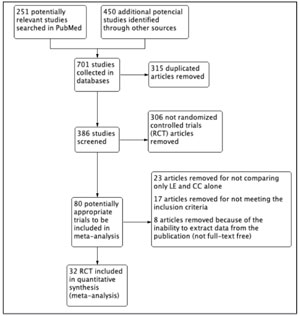
Figure 1. PRISMA Flow diagram of search strategy and study selection.
Risk of bias in individual studies was assessed using the Risk of Bias table in Review Manager 5.4.1 from Cochrane. The biases were evaluated based on the five domains of the revised Cochrane Risk of Bias 2 tool (Sterne et al., 2019): random sequence generation, allocation concealment, blinding of participants and personnel, blinding of outcome assessment, incomplete outcome data, and selective reporting bias. Each domain was judged as either low, unclear, or high risk of bias. For studies considered high risk in one or more domains, the confidence in their results was substantially lowered. In this study’s perspective, the risk of bias summary is presented in Figure 2.

Figure 2. Risk of bias summary+ (color green): low risk of bias? (color yellow): unclear risk of bias- (color red): high risk of bias.
Statistical analysis and risk of bias summaries were conducted using Review Manager 5.4.1 software (RevMan, version 5.4; The Cochrane Collaboration, 2020). A random effects model was employed for the meta-analysis. For dichotomous data and primary outcomes, forest plots were generated using the Mantel-Haenszel method and risk ratios (RR) as effect measures. The analysis was performed with 95% confidence intervals (CI) and a total confidence interval set at 95%, on a 100.00 scale. Heterogeneity (I2) was included as a measure of consistency.
RESULTS
We included 32 RCTs from 11 different countries: Iraq (4), Egypt (3), the United Kingdom (1), Pakistan (3), Turkey (2), India (10), Bangladesh (2), Iran (3), Malaysia (1), the United States (1), and China (2). A total of 4858 patients were enrolled, with 2,297 in the letrozole group (LE) and 2561 in the clomiphene citrate group (CC). The number of cycles performed until pregnancy and/or ovulation was reported in 22 of the 33 RCTs, totaling an average of 9802 cycles, with 4798 in the LE group and 5004 in the CC group. In 30 studies, the drugs were administered from day 3 to day 7 of the menstrual cycle. Two studies administered the drugs from day 2 to day 6, and one study administered the drugs for only four days, from day 5 to day 9 of the cycle. HCG was administered at doses of 5 to 10,000 IU to trigger ovulation when at least one follicle was ≥15-22mm. Ultrasound (USG-TV) was performed serially to assess follicular development, and pregnancy was confirmed via β-hCG test and ultrasound. The characteristics of the included studies are listed in Table 1.

Table 1. Characteristics of the included studies. LE=letrozole; CC=clomiphene citrate; n= number.
The process of random sequence generation was satisfactory in twenty-six studies and unclear in seven studies. Allocation concealment was adequate in fourteen studies, inadequate in one study, and unclear in the remaining studies. The blinding of participants and personnel posed the highest risk of bias among the five domains, with twenty-three studies rated as inadequate, six as adequate, and four as unclear. The blinding of outcome assessment was the domain with the most unclear ratings, with twenty-two studies unclear, eight adequate, and only three rated as inadequate. Incomplete outcome data was generally adequate, with only one study rated as unclear, one as inadequate, and the remaining thirty-one as adequate. Overall, selective reporting was considered adequate, with twenty-nine studies rated as adequate, two as unclear, and two as inadequate. The risk of bias summary can be seen in Figure 2.
The ovulation rate per patient randomized was assessed as the primary outcome of this study and was reported in 28 RCTs, involving a total of 4198 women (LE group: 2095; CC group: 2103). There were 1,590 ovulation events in the LE group compared to 1,347 in the CC group. The pooled analysis showed a statistically significant benefit for letrozole over clomiphene citrate in inducing ovulation. The risk ratio (RR) was 1.1816 (95% CI: 1.1094 to 1.2586; p<0.00001), indicating that women treated with letrozole had an 18% greater chance of ovulating than those receiving clomiphene citrate.
Despite including numerous studies with different populations and methods, moderate heterogeneity was seen among the trials (I2=57%), indicating some variability, though the overall effect was consistent across most studies. The forest plot shown in Figure 3 demonstrates that most individual trials favored LE, with most confidence intervals to the right of the no-effect line. Notably, large, high-weight studies such as Legro et al. (2014) and Ilangovan (2024) support the superiority of LE, adding strength to the results. Only a few studies, like Bansal et al. (2021) and Roy et al. (2012), slightly favored CC, but without statistical significance.
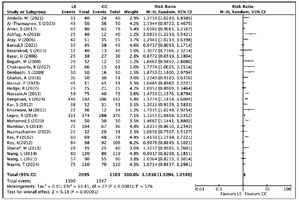
Figure 3. Forest plot of LE versus CC, outcome: ovulation rate per patient.
Pregnancy rates per patient randomized were assessed in 30 RCTs, involving a total of 4207 women (LE group: 2096; CC group: 2111). There were 763 pregnancy events reported in the LE group, compared to 486 in the CC group. The pooled risk ratio (RR) indicated that patients treated with LE had a 57% higher chance of achieving pregnancy compared to those treated with CC (RR: 1.5681; 95% CI: 1.3951 to 1.7625; p<0.00001). The difference was statistically significant, and heterogeneity across studies was low (I2=21%), suggesting consistent results with minimal variation. The Chi2=36.91; df=29; p=0.15 also supports the absence of substantial heterogeneity. The forest plot shown in Figure 4 reveals that almost all individual studies favor LE, with most risk ratios positioned to the right of the line of no effect, and many CIs not crossing 1. Larger studies like Legro et al. (2014) and Ilangovan (2024), which carry significant weight, also support the superiority of LE.

Figure 4. Forest plot of LE versus CC, outcome: pregnancy rate per patient.
Live birth rate was reported in 6 RCTs, involving a total of 1,817 women (LE group: 904; CC group: 913). A total of 460 live births occurred, with 278 in the LE group and 182 in the CC group. The pooled analysis showed a statistically significant difference in live birth rates between the LE and CC groups, with LE associated with a 54% increased chance of live birth compared to CC (RR=1.54; 95% CI: 1.24 to 1.92; p<0.0001), as shown in Figure 5. Heterogeneity among the studies was low (I2=35%, Chi2=7.70, df=5, p=0.17), indicating acceptable consistency across trials.
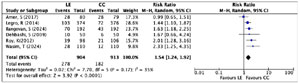
Figure 5. Forest plot of LE versus CC, outcome: live birth rate per patient.
The multiple pregnancy rate was reported in 8 RCTs involving a total of 619 women (LE group: 340; CC group: 279). There were 22 multiple pregnancy events overall, with 8 in the LE group and 14 in the CC group. Meta-analysis showed that the risk of multiple pregnancy was significantly lower in women treated with LE compared to those receiving CC (RR=0.4229; 95% CI: 0.1834-0.9754; p=0.04). Heterogeneity among studies was negligible (I2=0%), indicating consistency across the trials (Figure 6). These findings suggest that LE is linked to a lower risk of multiple pregnancy than clomiphene citrate in infertile women, likely due to its more selective ovarian stimulation profile.
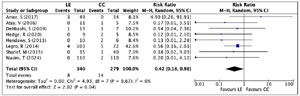
Figure 6. Forest plot of LE versus CC, outcome: multiple pregnancy rate per patient.
The miscarriage rate per patient was reported in 11 RCTs, involving a total of 1866 women (LE group: 906; CC group: 960). There were 138 miscarriage events in total (LE group: 60; CC group: 78). This meta-analysis found no statistically significant difference in miscarriage rates between the two treatment groups. The pooled risk ratio (RR) was 0.9651 (95% CI: 0.7298 to 1.2764; p=0.80), suggesting a similar risk of miscarriage in both groups. Heterogeneity among studies was minimal (I2=0%), indicating consistency across individual trials. The forest plot shows that most included studies had wide confidence intervals crossing the line of no effect, further highlighting the lack of a significant difference between groups, as seen in Figure 7. Notably, the largest and most heavily weighted studies (e.g., Legro et al., 2014; Ilangovan, 2024) did not show a significant advantage for either drug. These results imply that the choice between LE and CC does not affect miscarriage risk and that both agents exhibit a similar safety profile in this regard.
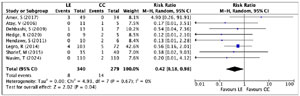
Figure 7. Forest plot of LE versus CC, outcome: miscarriage rate per patient.
DISCUSSION
Most studies reported higher ovulation rates with LE compared to the CC group. In Amer et al. (2017), the ovulation rate was 83.8% for the LE group, versus 79.7% for CC. Similar results were found by Ilangovan (2024), with ovulation rates of 76.0% for LE and 55.2% for CC, and by Legro et al. (2014), who reported 88.5% with LE versus 76.6% with CC. Other studies, including Atay et al. (2006), Hasnat et al. (2023), Banerjee Ray et al. (2012), Ashfaq et al. (2018), and Nazmashamim et al. (2022), also supported this trend. Although Bayar et al. (2006) reported comparable or slightly higher ovulation rates with CC in isolated cycles, the overall evidence favors LE. The meta-analysis showed a relative risk (RR) of 1.18 (95% CI: 1.11-1.25) for this outcome, with moderate heterogeneity (I2=57%), confirming a statistically significant difference in favor of LE.
LE also showed significantly higher pregnancy rates. According to Amer et al. (2017), 61.2% of patients in the LE group achieved a clinical pregnancy, compared to 43.0% in the CC group. Ilangovan (2024) reported rates of 42.7% and 27.1%, respectively, while Roy et al. (2012) observed 43.9% for LE and 26.4% for CC. Even in smaller trials, such as Begum et al. (2009), the difference remained statistically significant (40.6% with LE versus 18.8% with CC). Although Behnoud et al. (2019) and Ghahiri et al. (2016) did not find significant differences between groups, both showed a tendency favoring letrozole. The meta-analysis reported an RR of 1.57 (95% CI: 1.39-1.76) with low heterogeneity (I2=21%).
Regarding live births, LE also demonstrated favorable results in the studies that included this outcome. Amer et al. (2017) found that 48.8% of women in the LE group had a live birth, compared to 35.4% in the CC group. Ilangovan (2024) reported rates of 36.4% versus 22.4%, and Roy et al. (2012) noted 39.7% for LE and 19.8% for CC. Legro et al. (2014) confirmed the trend in an extensive multicenter study, with 27.5% of live births in the LE group and 19.1% in the CC group. The overall statistical analysis revealed an RR of 1.54 (95% CI: 1.24-1.91) with moderate heterogeneity (I2=35%), supporting the conclusion that letrozole has superior efficacy for this outcome.
Regarding miscarriage, most studies showed similar rates between the two medications. For example, Amer et al. (2017) reported miscarriage rates of 18.4% with LE and 17.6% with CC. Similar data were found in Dehbashi et al. (2009), with 23.0% in the LE group and 14.3% in the CC group, and in Roy et al. (2012), who recorded 4.1% and 7.4%, respectively. Likewise, Legro et al. (2014) observed miscarriage rates of 31.8% with LE and 29.1% with CC. The meta-analysis confirmed no significant differences, with an RR of 0.97 (95% CI: 0.73-1.28) and no heterogeneity (I2=0%).
The risk of multiple pregnancy was consistently lower among women treated with letrozole. In the study by Hegde & Maitra (2020), none of the patients in the LE group experienced a multiple pregnancy, whereas 40% of pregnancies in the CC group were twins. This finding was echoed by Dehbashi et al. (2009), Ilangovan (2024), Kar (2012), and Nambiar (2019), all of whom reported no or significantly fewer cases of multiple gestation in the LE groups. The meta-analysis showed a clear benefit for LE, with an RR of 0.42 (95% CI: 0.18-0.97), confirming a statistically significant reduction in the risk of multiple pregnancies-an important advantage for maternal-fetal safety.
This review includes a broad and updated pool of evidence, synthesizing data from 33 randomized trials across various clinical endpoints. It is one of the most comprehensive comparisons to date between letrozole and clomiphene citrate for ovulation induction in PCOS. Unlike earlier meta-analyses that included fewer studies and smaller samples, this analysis provides greater statistical power and more precise estimates. Additionally, the inclusion of trials reporting not only ovulation and pregnancy but also live birth and miscarriage allows for a more thorough evaluation of both effectiveness and safety. The consistency of the findings across these outcomes strengthens the overall conclusion.
The findings of this review align with those of most individual studies included in the analysis. For example, Amer et al. (2017), Roy et al. (2012), and Ilangovan (2024) all reported better outcomes with LE. While one study (Bayar et al., 2006) showed ovulation rates slightly favoring CC in certain cycles, this was an exception and did not reflect the overall trend. Unlike some older meta-analyses that failed to show significant differences, likely due to smaller population sizes or variations in outcome reporting, this review benefits from a larger and more diverse data set, leading to clearer and more dependable conclusions.
From a clinical perspective, letrozole seems to offer several benefits over clomiphene citrate. Its higher rates of ovulation, pregnancy, and live birth, combined with a significantly lower risk of multiple pregnancy, make it a strong choice for first-line treatment in women with PCOS. Multiple pregnancies carry increased risks for both mother and baby. Therefore, a medication that lowers this risk without reducing effectiveness is especially important in reproductive medicine. Based on the positive benefit-risk profile shown in this analysis, letrozole should be considered a primary option in ovulation induction protocols.
Despite the strong results, some gaps still exist. For example, although miscarriage rates were reported in several studies, only a few addressed congenital anomalies, and the number of cases was too small to draw reliable conclusions. Additionally, most of the included trials took place in South and East Asia, with limited data from regions like Europe and North America. Future research should include more diverse populations to enhance generalizability. More studies comparing different dosing protocols and examining long-term outcomes, especially regarding child health, would also help guide safer and more effective clinical practices.
CONCLUSION
This systematic review and meta-analysis demonstrates that LE is more effective than CC in several key clinical outcomes related to the treatment of infertility in women with polycystic ovary syndrome (PCOS). LE was consistently associated with a higher likelihood of ovulation, clinical pregnancy, and live birth, as well as a lower risk of multiple pregnancy compared to CC. These findings suggest that LE not only improves reproductive outcomes but also offers a safer profile in terms of pregnancy-related risks.
The miscarriage rate did not significantly vary between the treatment groups, suggesting that LE does not increase reproductive risk in this context. Despite some methodological differences among the studies, such as variations in dosage, cycle number, and study location, the consistent results across the main outcomes enhance the reliability of the evidence.
Therefore, LE is recommended as a first-line agent for ovulation induction in women with PCOS, especially given its superior clinical effectiveness and lower risk of multiple gestation. However, future studies should include more diverse populations, standardize treatment protocols, and evaluate long-term safety outcomes, particularly related to fetal development, to better support the use of LE as a preferred treatment option.
This study has been accepted for an E-Poster presentation at the ASRM 2025 Scientific Congress & Expo, to be held from October 25 to 29, 2025, in San Antonio, Texas, USA.
ACKNOWLEDGEMENTS
Ethical approval was not required for this study because it is a systematic review and meta-analysis based on previously published data. All data analyzed are included in the referenced published articles. The authors declare no competing interests. This research received no external funding. Both authors contributed to the writing and approved the final version. There is no need to acknowledge others’ work, as both authors were the only ones involved in this study.
REFERENCES
Al-Obaidi MT, Ali ZH, Al-Saadi WI, Al-Wasiti EAR, Al-Aubaidy H. Impact of letrozole versus clomiphene citrate on endometrial receptivity in Iraqi women with polycystic ovarian syndrome. J Clin Pharm Ther. 2019;44:618-22. PMID: 30868612 DOI: 10.1111/jcpt.12831 Medline
Al-Thuwaynee S, Swadi AAJ. Comparing efficacy and safety of stair step protocols for clomiphene citrate and letrozole in ovulation induction for women with polycystic ovary syndrome (PCOS): a randomized controlled clinical trial. J Med Life. 2023;16:725-30. PMID: 37520487 DOI: 10.25122/jml-2023-0069 Medline
Amer SA, Smith J, Mahran A, Fox P, Fakis A. Double-blind randomized controlled trial of letrozole versus clomiphene citrate in subfertile women with polycystic ovarian syndrome. Hum Reprod. 2017;32:1631-8. PMID: 28854590 DOI: 10.1093/humrep/dex227 Medline
Atay V, Cam C, Muhcu M, Cam M, Karateke A. Comparison of letrozole and clomiphene citrate in women with polycystic ovaries undergoing ovarian stimulation. J Int Med Res. 2006;34:73-6. PMID: 16604826 DOI: 10.1177/147323000603400109 Medline
Banerjee Ray P, Ray A, Chakraborti PS. Comparison of efficacy of letrozole and clomiphene citrate in ovulation induction in Indian women with polycystic ovarian syndrome. Arch Gynecol Obstet. 2012;285:873-7. PMID: 21984038 DOI: 10.1007/s00404-011-2091-7 Medline
Bansal S, Goyal M, Sharma C, Shekhar S. Letrozole versus clomiphene citrate for ovulation induction in anovulatory women with polycystic ovarian syndrome: A randomized controlled trial. Int J Gynaecol Obstet. 2021;152:345-50. PMID: 32920843 DOI: 10.1002/ijgo.13375 Medline
Bayar U, Basaran M, Kiran S, Coskun A, Gezer S. Use of an aromatase inhibitor in patients with polycystic ovary syndrome: a prospective randomized trial. Fertil Steril. 2006;86:1447-51. PMID: 17070196 DOI: 10.1016/j.fertnstert.2006.04.026 Medline
Begum MR, Ferdous J, Begum A, Quadir E. Comparison of efficacy of aromatase inhibitor and clomiphene citrate in induction of ovulation in polycystic ovarian syndrome. Fertil Steril. 2009;92:853-7. PMID: 18177867 DOI: 10.1016/j.fertnstert.2007.08.044 Medline
Bremer AA. Polycystic ovary syndrome in the pediatric population. Metab Syndr Relat Disord. 2010;8:375-94. PMID: 20939704 DOI: 10.1089/met.2010.0039 Medline
El Hayek S, Bitar L, Hamdar LH, Mirza FG, Daoud G. Poly Cystic Ovarian Syndrome: An Updated Overview. Front Physiol. 2016;7:124. DOI: 10.3389/ fphys.2016.00124 PMID: 27092084 DOI: 10.3389/fphys.2016.00124 Medline
Ghahiri A, Mogharehabed N, Mamourian M. Letrozole as the first-line treatment of infertile women with poly cystic ovarian syndrome (PCOS) compared with clomiphene citrate: A clinical trial. Adv Biomed Res. 2016;5:6. PMID: 26962508 DOI: 10.4103/2277-9175.175237 Medline
Hendawy SF, Samaha HE, Elkholy MF. Letrozole versus Clomiphene Citrate for Induction of Ovulation in Patients with Polycystic Ovarian Syndrome Undergoing Intrauterine Insemination. Clin Med Insights Reprod Health. 2011;5:11-6. 8 PMID: 24453507 DOI: 10.4137/CMRH.S6598 Medline
Ibáñez L, Oberfield SE, Witchel S, Auchus RJ, Chang RJ, Codner E, Dabadghao P, Darendeliler F, Elbarbary NS, Gambineri A, Garcia Rudaz C, Hoeger KM, López-Bermejo A, Ong K, Peña AS, Reinehr T, Santoro N, Tena-Sempere M, Tao R, Yildiz BO, et al. An International Consortium Update: Pathophysiology, Diagnosis, and Treatment of Polycystic Ovarian Syndrome in Adolescence. Horm Res Paediatr. 2017;88:371-95. PMID: 29156452 DOI: 10.1159/000479371 Medline
Kar S. Clomiphene citrate or letrozole as first-line ovulation induction drug in infertile PCOS women: A prospective randomized trial. J Hum Reprod Sci. 2012;5:262-5. PMID: 23531705 DOI: 10.4103/0974-1208.106338 Medline
Khakwani M, Parveen R, Yousaf S, Tareen AU. Efficacy of letrozole versus clomiphene citrate on ovulation induction in patients with polycystic ovarian syndrome. Pak J Med Sci. 2022;38:1155-8. PMID: 35799761 DOI: 10.12669/pjms.38.5.5565 Medline
Legro RS, Kunselman AR, Dodson WC, Dunaif A. Prevalence and predictors of risk for type 2 diabetes mellitus and impaired glucose tolerance in polycystic ovary syndrome: a prospective, controlled study in 254 affected women. J Clin Endocrinol Metab. 1999;84:165-9. PMID: 9920077 DOI: 10.1097/00006254-199906000-00019 Medline
Legro RS, Brzyski RG, Diamond MP, Coutifaris C, Schlaff WD, Casson P, Christman GM, Huang H, Yan Q, Alvero R, Haisenleder DJ, Barnhart KT, Bates GW, Usadi R, Lucidi S, Baker V, Trussell JC, Krawetz SA, Snyder P, Ohl D, et al; NICHD Reproductive Medicine Network. Letrozole versus clomiphene for infertility in the polycystic ovary syndrome. N Engl J Med. 2014;371:119-29. PMID: 25006718 DOI: 10.1056/NEJMoa1313517 Medline
Moher D, Liberati A, Tetzlaff J, Altman DG; PRISMA Group. Preferred reporting items for systematic reviews and meta-analyses: the PRISMA statement. PLoS Med. 2009;6:e1000097. PMID: 19621072 DOI: 10.1371/journal.pmed.1000097 Medline
Rotterdam ESHRE/ASRM-Sponsored PCOS consensus workshop group. Revised 2003 consensus on diagnostic criteria and long-term health risks related to polycystic ovary syndrome (PCOS). Hum Reprod. 2004;19:41-7. PMID: 14688154 DOI: 10.1093/humrep/deh098 Medline
Roy KK, Baruah J, Singla S, Sharma JB, Singh N, Jain SK, Goyal M. A prospective randomized trial comparing the efficacy of Letrozole and Clomiphene citrate in induction of ovulation in polycystic ovarian syndrome. J Hum Reprod Sci. 2012;5:20-5. PMID: 22870010 DOI: 10.4103/0974-1208.97789 Medline
Sharief M, Nafee NR. Comparison of letrazole and clomiphene citrate in women with polycystic ovaries undergoing ovarian stimulation. J Pak Med Assoc. 2015;65:1149-52. PMID: 26564281 Medline
Singh S, Pal N, Shubham S, Sarma DK, Verma V, Marotta F, Kumar M. Polycystic Ovary Syndrome: Etiology, Current Management, and Future Therapeutics. J Clin Med. 2023;12:1454 PMID: 36835989 DOI: 10.3390/jcm12041454 Medline
Sterne JAC, Savović J, Page MJ, Elbers RG, Blencowe NS, Boutron I, Cates CJ, Cheng HY, Corbett MS, Eldridge SM, Emberson JR, Hernán MA, Hopewell S, Hróbjartsson A, Junqueira DR, Jüni P, Kirkham JJ, Lasserson T, Li T, McAleenan A, et al. RoB 2: a revised tool for assessing risk of bias in randomised trials. BMJ. 2019;366:l4898. PMID: 31462531 DOI: 10.1136/bmj.l4898 Medline
Teede HJ, Tay CT, Laven J, Dokras A, Moran LJ, Piltonen TT, Costello MF, Boivin J, M Redman L, A Boyle J, Norman RJ, Mousa A, Joham AE; International PCOS Network. Recommendations from the 2023 International Evidence-based Guideline for the Assessment and Management of Polycystic Ovary Syndrome. Fertil Steril. 2023;120:767-93. PMID: 37589624 DOI: 10.1016/j.fertnstert.2023.07.025 Medline
The Cochrane Collaboration. Review Manager (RevMan) [Computer Program]. Version 5.4. Copenhagen: The Cochrane Collaboration; 2020. Available from: https://www.cochrane.org/authors/handbooks-and-manuals/style-manual/references/reference-types/software
Walters KA, Gilchrist RB, Ledger WL, Teede HJ, Handelsman DJ, Campbell RE. New Perspectives on the Pathogenesis of PCOS: Neuroendocrine Origins. Trends Endocrinol Metab. 2018;29:841-52. PMID: 30195991 DOI: 10.1016/j.tem.2018.08.005 Medline
Wang L, Lv S, Li F, Bai E, Yang X. Letrozole Versus Clomiphene Citrate and Natural Cycle: Endometrial Receptivity During Implantation Window in Women With Polycystic Ovary Syndrome. Front Endocrinol (Lausanne). 2021;11:532692. PMID: 33537000 DOI: 10.3389/fendo.2020.532692 Medline
Wang L, Wen X, Lv S, Zhao J, Yang T, Yang X. Comparison of endometrial receptivity of clomiphene citrate versus letrozole in women with polycystic ovary syndrome: a randomized controlled study. Gynecol Endocrinol. 2019;35:862-5. PMID: 31081404 DOI: 10.1080/09513590.2019.1612358 Medline
Wasim T, Nasrin T, Zunair J, Irshad S. Efficacy of Letrozole vs Clomiphene Citrate for induction of ovulation in women with polycystic ovarian syndrome. Pak J Med Sci. 2024;40:78-83. PMID: 38196458 DOI: 10.12669/pjms.40.1.7971 Medline
Witchel SF, Oberfield SE, Peña AS. Polycystic Ovary Syndrome: Pathophysiology, Presentation, and Treatment With Emphasis on Adolescent Girls. J Endocr Soc. 2019;3:1545-73. PMID: 31384717 DOI: 10.1210/js.2019-00078 Medline
Yang AM, Cui N, Sun YF, Hao GM. Letrozole for Female Infertility. Front Endocrinol (Lausanne). 2021;12:676133. PMID: 34220713 DOI: 10.3389/fendo.2021.676133 Medline