JBRA Assisted Reproduction 2026;30(3):628-640
REVIEW
doi: 10.5935/1518-0557.20260023
Psychological stress and semen quality impairment: A systematic review
1Department of Clinical Analysis, Federal University of Santa Catarina, Florianópolis, SC, Brazil
CONFLICTS OF INTEREST
None
ABSTRACT
Objective: The aim of this review was to evaluate the extent to which psychological stress may adversely affect seminal quality parameters in men.
Methods: A systematic review was conducted across databases including Embase, PubMed, Scopus, and Web of Science. Studies were subjected to data extraction, risk of bias, and narrative synthesis.
Results: A total of 34 studies were included in this review. Three (8.82%) studies were judged to be at a high risk of bias. Included studies were published between 1988 and 2023 and concerned a total of 11,141 participants, ranging from 20 to 1,362 participants per study. Psychological stress negatively impacted semen volume in 12.9% of studies, sperm concentration in 52.9%, total sperm count in 56.3%, sperm motility in 63.3%, and sperm morphology in 21.4%. Sources of psychological stress such as academic stress, daily life stress, infertility-related stress, stressful life events, and work-related stress were correlated to impairment of semen parameters in 70.6% of included studies. The ability to draw robust conclusions is severely restricted by significant heterogeneity across the reviewed literature.
Conclusions: This systematic review found that psychological stress is frequently associated with impaired semen parameters, particularly sperm concentration and sperm motility. Nevertheless, these findings should be interpreted with caution. Most of the reported associations are observational and do not establish a definitive causal relationship between psychological stress and semen quality impairment.
Keywords: semen quality, psychological stress, sperm analysis, male infertility
INTRODUCTION
Infertility is defined as the absence of pregnancy after one year of regular unprotected sexual intercourse (Zegers-Hochschild et al., 2017). This clinical condition impacts approximately 45.8 million couples globally and has garnered attention due to declining fertility rates in numerous developed nations and the rising prevalence of in vitro fertilization (IVF) treatments (Vander Borght & Wyns, 2018; Schmidt et al., 2012). Infertility may arise from male factors, female factors, or a combination of both. In general, approximately 30% of infertility instances can be attributed solely to male factors (Agarwal et al., 2015).
Psychological stress has been correlated with a decline in semen quality parameters throughout the years; however, the findings vary significantly and present contradictory outcomes (Bhadoria et al., 2020; Nordkap et al., 2020). One of the primary biological rationales for the correlation between psychological stress and diminished semen quality pertains to fluctuations in the secretion of hormones from the hypothalamic-pituitary-gonadal axis in reaction to stress, which subsequently modifies the functionality of Sertoli cells and their associated blood-testis barrier (Bhongade et al., 2015; Nargund, 2015).
Conversely, it is challenging to delineate psychological stress as a standalone and principal contributor to male infertility, given that confounding variables like obesity, alcohol intake, and tobacco usage frequently correlate with individuals experiencing depression and anxiety (Regier et al., 1990; AL-Asadi et al., 2015). Male reproductive health is influenced by a wide range of factors including paternal age, nutrition, physical activity, obesity, caffeine intake, scrotal temperature, clothing choices, heat exposure, and mobile phone use, all of which can affect semen parameters and DNA vulnerability to reactive oxygen species (ROS) (Ilacqua et al., 2018). Although psychological factors are linked to infertility, causal relationships remain difficult to establish. While various forms of stress (physical, emotional, or biological) may reduce male fertility potential, there is still no consensus on how to measure stress objectively. Consequently, it is imperative that confounding variables are considered in order to accurately ascertain the correlation between psychological stress and seminal parameters.
There are a multitude of questionnaires that can be utilized to assess psychological stress among males; nevertheless, it remains unclear which instrument has the highest sensitivity for identifying psychological stress, which is significant enough to potentially induce adverse effects on testicular function. Besides that, employment of a myriad of study designs can make direct comparison between studies a challenge. Consequently, the aim of this review was to evaluate the extent to which psychological stress may adversely affect seminal quality parameters in men.
METHODS
This systematic review was conducted in accordance with guidelines established by the Preferred Reporting Items for Systematic reviews and Meta-Analysis (PRISMA) statement (Page et al., 2021). The review protocol was registered with the International Prospective Register of Systematic Reviews (PROSPERO), registration number CRD42021240164 (Costa et al., 2024).
Eligibility criteria
This review was performed to address the following question: Does psychological stress impair semen quality parameters in men?
Full-report cross-sectional and longitudinal studies were considered. Studies were eligible if they included men who answered validated questionnaires to assess psychological stress and simultaneously provided a semen sample for analysis of their semen quality parameters. Using only validated questionnaires ensured that studies were measuring the same phenomena with similar precision, improving comparability between studies and reducing the risk of measurement bias.
The exclusion criteria were designed to exclude studies that did not meet the study main questions, including: studies that failed to evaluate both psychological factors and semen quality parameters; use of non-validated questionnaires to assess psychological stress; studies in which semen parameters were not assessed; studies without abstracts; abstract-only reports; non-human studies; case reports; letters; and comments.
Grey literature and unpublished studies were not included to avoid bias due to limited or absent peer review and to ensure methodological rigor, transparency, and feasibility.
Information sources and search strategy
Comprehensive searches of published article data related to the study question were conducted in Embase, PubMed, Scopus, and Web of Science databases. Relevant additional literature was also identified through quotation of selected articles. A preliminary search was conducted to identify relevant terms to ensure a thorough and precise retrieval of eligible studies. The following keywords were used in the searches: (“Psychological stress” OR “Stressful life events” OR “Perceived stress”) AND (“Semen Analysis” OR “Semen quality” OR “Semen parameters” OR “Sperm count” OR “Sperm motility” OR “Sperm morphology” OR “Sperm vitality” OR “Male infertility”).
No language constraint was used during the selection process. Studies in which semen quality parameters were not assessed in accordance with any of the six editions of the World Health Organization laboratory manual for the examination and processing of human semen (Wang et al., 2022) were not considered, limiting inclusion of studies published only after 1980 when the first edition of the manual was released.
Selection and data collection process
All quotations retrieved in the database searches were reviewed independently by two authors (AFC and LVS) for relevance based on titles and abstracts. Full text of potentially relevant studies was then screened against the inclusion criteria and accepted or rejected, as appropriate. Any disagreements in individual judgments of the reviewers were solved by a third author (ASCO or FBMO).
Data extraction from included studies was done by two reviewers (AFC and LVS) using a Microsoft® Word (Microsoft 365 for Windows) data extraction sheet. Any disagreements in individual judgments of the reviewers were resolved by a third author (ASCO or FBMO). The spreadsheet was composed of five parts:
1. General information about the study i.e. title, authors, year of publication, journal, volume, issue, country and original language.
2. Information about study eligibility i.e. type of study, type of subjects, index test, comparator tests, reference standard, and year of publication.
3. Information about population and setting i.e. population description, number of enrolled subjects, number of subjects who completed the study, excluded subjects, age range, and setting.
4. Information about methods i.e. aim of study, design, method of patient recruitment, duration of participation in the study, statistical analysis, sample collection technique, index test, cut-off value details, comparator test details, reference standard, patient follow-up.
5. Information about study results i.e. index test results, comparison between index test and comparator tests and outcomes.
Reporting bias assessment
Potentially eligible studies were fully assessed by two reviewers independently (AFC and LVS) with the Quality Assessment of Diagnostic Accuracy Studies (QUADAS-2) tool for judgment of bias and concerns regarding applicability of individual studies (Whiting et al., 2011). Any disagreements in individual judgments of the reviewers were resolved by a third author (ASCO or FBMO). Graph preparation was performed in the Review Manager (RevMan, Cochrane Collaboration) version 5.3. software.
Synthesis method
A narrative synthesis was performed evaluating semen quality parameters in different situations related to psychological stress. Study characteristic results were summarized within the text or in table form. Data was used at an aggregate level and not as individual participants. Descriptive statistics were used to report general characteristics of the included studies. A meta-analysis was not performed in this review due to the heterogeneity of different questionnaires used to assess psychological stress.
RESULTS
Study selection
Our search strategy retrieved 1,045 records via database, of which 736 were unduplicated. Of these records, 428 were from Embase, 247 were from PubMed, 236 were from Scopus and 134 were from Web of Science. After the first screening, 283 reports were selected as potentially relevant for full-text analysis. After eligibility assessment, 250 reports were excluded from the review because they failed to attend to all items required by the eligibility criteria or presented high-risk of bias. In total, 33 studies were included in our systematic review via database search. Additionally, we identified 1,194 records from the citation of the selected studies, of which 43 were selected for full-text analysis. After eligibility assessment, one study was included in the review, thus totaling 34 studies included in our systematic review. The flow diagram with detailed search process is demonstrated in Figure 1.
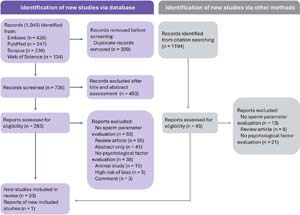
Figure 1. Flow chart of literature search.
Quality assessment of included studies
Risk of bias and applicability concerns are summarized in Figure 2 and Figure 3. Three (8.82%) out of 34 studies included in the review were judged to be at a high risk of bias due to a case-control design assessed in the patient selection section. Except for one study (Bhongade et al., 2015) that clearly stated that the person assessing the questionnaire was not aware of the data of semen parameters, all other studies presented unclear risk of bias in the index test section because it was unclear if knowledge of semen parameters could have introduced bias during the processing of participant’s interview answers. Since all studies described thresholds to classify different levels of psychological stress for the questionnaires, the index test category of the QUADAS-2 tool was not considered to be at a high risk of bias because of the uncertainty. All 34 studies met applicability criteria to answer the review question.
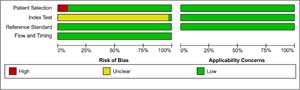
Figure 2. Risk of bias and applicability concerns summary: review authors’ judgements about each domain for each study included
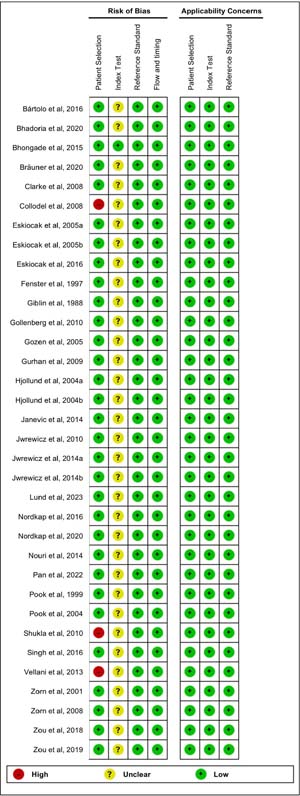
Figure 3. Risk of bias and applicability concerns graph: review authors’ judgements about each domain presented as percentages across included studies.
Study characteristics
Included studies were published between 1988 and 2023 and collected a total of 11,141 participants, ranging from 20 to 1,362 participants per study. Eighteen studies had a cross-sectional design (Bártolo et al., 2016; Bhongade et al., 2015; Bräuner et al., 2020; Fenster et al., 1997; Gollenberg et al., 2010; Janevic et al., 2014; Jurewicz et al., 2010, 2014a, 2014b; Lund et al., 2023; Nordkap et al., 2016, 2020; Pan et al., 2022; Vellani et al., 2013; Wang et al., 2022; Zorn et al., 2001; Zou et al., 2018, 2019); while 16 were longitudinal studies (Bhadoria et al., 2020; Clarke et al., 1999; Collodel et al., 2008; Eskiocak et al., 2005a, 2005b, 2006; Giblin et al., 1988; Gözen et al., 2005; Gürhan et al., 2009; Hjollund et al., 2004a, 2004b; Nouri et al., 2014; Pook et al., 1999, 2004; Shukla et al., 2010; Zorn et al., 2008). Fertile men were investigated in 15 reports (Eskiocak et al., 2005a, 2005b, 2006; Fenster et al., 1997; Giblin et al., 1988; Gollenberg et al., 2010; Gözen et al., 2005; Gürhan et al., 2009; Hjollund et al., 2004a, 2004b; Janevic et al., 2014; Nordkap et al., 2016, 2020; Zou et al., 2018, 2019), infertile men in 15 reports (Bártolo et al., 2016; Bhadoria et al., 2020; Bhongade et al., 2015; Clarke et al., 1999; Collodel et al., 2008; Jurewicz et al., 2014a, 2014b; Lund et al., 2023; Nouri et al., 2014; Pan et al., 2022; Pook et al., 1999, 2004; Singh et al., 2016; Zorn et al., 2001, 2008) and from 4 reports we included both fertile and infertile men (Bräuner et al., 2020; Jurewicz et al., 2010; Shukla et al., 2010; Vellani et al., 2013). Six studies were performed in Denmark (Bräuner et al., 2020; Hjollund et al., 2004a, 2004b; Lund et al., 2023; Nordkap et al., 2016, 2020); five in Turkey (Eskiocak et al., 2005a, 2005b, 2006; Gözen et al., 2005; Gürhan et al., 2009); five in the United States of America (USA) (Clarke et al., 1999; Fenster et al., 1997; Giblin et al., 1988; Gollenberg et al., 2010; Janevic et al., 2014); four in India (Bhadoria et al., 2020; Bhongade et al., 2015; Shukla et al., 2010; Singh et al., 2016); three in Polland (Jurewicz et al., 2010, 2014a, 2014b); three in China (Pan et al., 2022; Zou et al., 2018, 2019); two in Germany (Pook et al., 1999, 2004); two in Italy (Collodel et al., 2008; Vellani et al., 2013); two in Slovenia (Zorn et al., 2001, 2008); one in Austria (Nouri et al., 2014) and one in Portugal (Bártolo et al., 2016). Nearly all studies were published in English, except for one paper published in French (Zorn et al., 2001), one in Polish (Jurewicz et al., 2010) and another one in Turkish (Gözen et al., 2005).
A variety of questionnaires were applied in the studies to assess psychological stress. While some questionnaires were used exclusively by a research group like the Fertility Problem Inventory Questionnaire (Nouri et al., 2014), the Self-Administered 7-Item Generalized Anxiety Disorder (GAD-7) Scale (Pan et al., 2022) and the General Health Questionnaire (Hjollund et al., 2004b), other questionnaires were applied more frequently throughout reports like the State Trait Anxiety Inventory in nine studies (Bártolo et al., 2016; Clarke et al., 1999; Eskiocak et al., 2005a, 2005b, 2006; Gözen et al., 2005; Gürhan et al., 2009; Shukla et al., 2010; Vellani et al., 2013), the Stressful Life Events Inventory in six studies (Bräuner et al., 2020; Fenster et al., 1997; Giblin et al., 1988; Gollenberg et al., 2010; Janevic et al., 2014; Nordkap et al., 2020), the Perceived Stress Scale in five studies (Bhadoria et al., 2020; Janevic et al., 2014; Jurewicz et al., 2014a; Lund et al., 2023; Nordkap et al., 2020), the Job Content Questionnaire in four studies (Fenster et al., 1997; Hjollund et al., 2004a; Janevic et al., 2014; Zou et al., 2019) and the Copenhagen Psychosocial Questionnaire in three studies (Bräuner et al., 2020; Nordkap et al., 2016, 2020). For semen analysis, the 5º edition of the WHO laboratory manual for the examination and processing of human semen was consulted in twelve studies (Bártolo et al., 2016; Bhadoria et al., 2020; Bhongade et al., 2015; Bräuner et al., 2020; Jurewicz et al., 2014b; Lund et al., 2023; Nordkap et al., 2016, 2020; Pan et al., 2022; Singh et al., 2016; Zou et al., 2018, 2019), the 4º edition in ten studies (Collodel et al., 2008; Gollenberg et al., 2010; Janevic et al., 2014; Jurewicz et al., 2010, 2014a; Pook et al., 2004; Shukla et al., 2010; Vellani et al., 2013; Zorn et al., 2001, 2008), the 3rd edition in ten studies (Eskiocak et al., 2005b, 2005a, 2006; Fenster et al., 1997; Gözen et al., 2005; Gürhan et al., 2009; Hjollund et al., 2004a, 2004b; Nouri et al., 2014; Pook et al., 1999) and the 1st edition in two studies (Clarke et al., 1999; Giblin et al., 1988). The 2nd edition of the manual was not used in any of the studies.
Psychological stress exposure was divided into the following categories: academic stress, daily life stress, infertility-related stress, life events stress and work-related stress. Some studies evaluated more than one category in their subjects. Semen quality parameters analyzed in the studies were: sperm volume (SV), sperm concentration (SC), total sperm count (TSP), sperm progressive motility (SPM) and sperm abnormal morphology (SAM).
Semen volume was evaluated in 31 out of 34 studies included in this review. From those 31 studies, four (12.9%) (Giblin et al., 1988; Jurewicz et al., 2010; Nordkap et al., 2016; Vellani et al., 2013) showed an association between psychological stress and decreased semen volume. All 34 included assessed sperm concentration and in 18 (52.9%) studies (Bhongade et al., 2015; Clarke et al., 1999; Eskiocak et al., 2005a, 2005b, 2006; Gollenberg et al., 2010; Gözen et al., 2005; Janevic et al., 2014; Nordkap et al., 2016, 2020; Pan et al., 2022; Pook et al., 1999, 2004; Shukla et al., 2010; Singh et al., 2016; Vellani et al., 2013; Zou et al., 2018, 2019) an association between psychological stress and decreased sperm concentration was observed. Total sperm count was decreased in stressful situations in nine (56.3%) (Gollenberg et al., 2010; Janevic et al., 2014; Nordkap et al., 2016, 2020; Pan et al., 2022; Vellani et al., 2013; Zorn et al., 2001; Zou et al., 2018, 2019) out of 16 studies that evaluated this parameter. Sperm motility was evaluated in 30 out of 34 included studies and an association between decreased sperm motility and psychological stress was observed in 19 (63.3%) (Bártolo et al., 2016; Bhongade et al., 2015; Clarke et al., 1999; Eskiocak et al., 2005a, 2005b, 2006; Gollenberg et al., 2010; Gözen et al., 2005; Gürhan et al., 2009; Janevic et al., 2014; Jurewicz et al., 2010, 2014b; Nordkap et al., 2020; Pan et al., 2022; Pook et al., 1999; Shukla et al., 2010; Singh et al., 2016; Vellani et al., 2013; Zorn et al., 2001) studies. Lastly, sperm abnormal morphology was assessed in 28 out of 34 included studies and six (21.4%) (Bhongade et al., 2015; Eskiocak et al., 2005b; Giblin et al., 1988; Gözen et al., 2005; Nordkap et al., 2016; Singh et al., 2016) revealed association with psychological stress. No association between semen parameters and psychological stress was observed in 10 (29.4%) out of 34 studies included in this review. Study characteristics are summarized in Table 1.
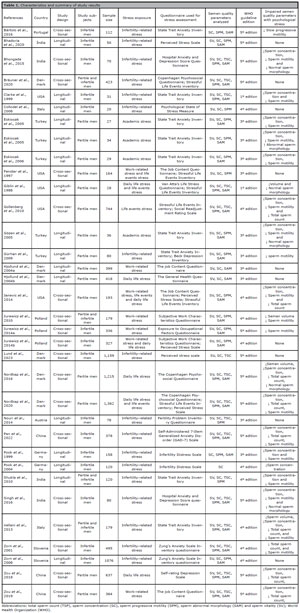
Table 1. Characteristics and summary of study results
Stress categories
Stress categories were divided into 5 subgroups. Academic stress was evaluated in 4 studies, daily life stress in 7, infertility-related stress in 17, life events stress in 5 and work-related stress in 7 studies. Association between stress categories and impaired semen quality parameters is presented on table 2.
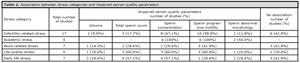
Table 2. Association between stress categories and impaired semen quality parameters
Semen volume was evaluated in 4 categories, except for the academic stress category. It showed poor association with perceived stress overall with a maximum of 28.6% for the daily life stress category. Sperm abnormal morphology was also evaluated in 4 categories, except for the work-related stress category. It showed less consisted association with perceived stress, ranging from 28.6% in the daily life stress category to 50.0% in the academic stress category. Total sperm count was also inconsistently affected by perceived stress, ranging from 17.7% in the infertility-related stress category to 60.0% in the life events category. Sperm concentration and sperm progressive motility were evaluated in all stress categories and were more consistently associated with perceived stress. Sperm concentration was affected to a minimum of 28.6% by work-related stress, but to a maximum of 100% by academic stress. Likewise, sperm progressive motility was affected to a minimum of 28.6% by daily life stress to a maximum of 100% by academic stress.
DISCUSSION
Academic stress
During college, students face unrivaled levels of distress when experiencing new life situations that can affect their mental health (Liu et al., 2019). In this review, four studies evaluated psychological stress in the academic environment (Eskiocak et al., 2005a, 2005b, 2006; Gözen et al., 2005). These studies were performed in Turkey and shared a few similarities like application of the same questionnaire to assess psychological stress (State Trait Anxiety Inventory) and the use of the 3rd edition of the WHO manual to assess semen parameters. Additionally, participants in all four studies were medical students who were assessed for psychological stress before (stress period) and after (non-stress period) their final university examinations. Eskiocak et al (2005a) found that spermatozoa concentrations, motility index and percentage of rapid progressive motility decreased under stress. The same research group also published in 2005 that in the stress condition of final exams, density of spermatozoa, percentage of total progressive and rapid progressive motile spermatozoa were significantly lower than those found under non-stress conditions, whereas the percentage of immotile spermatozoa and abnormal morphology were increased (Eskiocak et al., 2005b). Gözen et al. (2005) published that sperm count, percentage of progressive motility and percentage of normal morphology significantly decreased during stress period. Eskiocak et al. (2006) observed that during stressful periods, sperm concentration and rapid progressive motility were also significantly lower than in non-stressful situations. These studies revealed that a stressor experienced in college may have an impact on sperm health.
Daily life stress
Daily stress is defined as mundane hassles, strains, or annoyances associated with daily activities that have potential to disturb the routine and add stress to a person’s life (Sweeney & Upchurch, 2013). Daily life stress was evaluated in seven studies (Giblin et al., 1988; Hjollund et al., 2004b; Janevic et al., 2014; Jurewicz et al., 2014a; Nordkap et al., 2016, 2020; Zou et al., 2018). Janevic et al. (2014) and Nordkap et al. (2020) observed an inverse association between perceived stress score and sperm concentration, motility, and morphology with the usage of the Cohen Perceived Stress Scale in fertile men. Jurewicz et al. (2014a) also applied the Cohen Perceived Stress Scale in their subjects, but there was no correlation between the level of perceived life stress and semen quality indicators in the study. Similarly, the study by Hjollund et al. (2004b), found that semen quality was not related to the psychological questionnaire score using the General Health Questionnaire.
Besides applying the Cohen Perceived Stress Scale, Nordkap et al. (2020) also interviewed subjects with the Copenhagen Psychosocial Questionnaire and inferred those men with the highest stress symptom scores had lower sperm concentration, total sperm count and motility. In 2016, the same research group also observed a negative association between self-reported stress using the Copenhagen Psychosocial Questionnaire and semen quality, in which men with stress scores above the reference level had significantly lower semen volume, sperm concentration, total sperm count, and total number of morphologically normal spermatozoa (Nordkap et al., 2016). Applying the Self-rating Depression Scale, Zou et al. (2018) observed that men with high depression scores had lower sperm concentration and total sperm count than non-depressed men. Giblin et al. (1988) verified that volume and percentage of normal morphologic features were negatively associated with self-reported stress symptoms using the Van Atta’s Life Stress Questionnaire.
Infertility-related stress
Psychological stress has been clinically perceived as a potential risk factor for male infertility, whereas stress related to infertility is associated with a poorer fertility treatment outcome in men (Boivin & Schmidt, 2005; Ilacqua et al., 2018). The most used tool to assess psychological stress in men with infertility-related stress was the State Trait Anxiety Inventory, which was applied in five studies (Bártolo et al., 2016; Clarke et al., 1999; Gürhan et al., 2009; Shukla et al., 2010; Vellani et al., 2013). In a study with infertile men, Shukla et al. (2010) observed that stress scores, elaborated based on the questionnaire, were found significantly high in infertile subjects. Sperm concentration and motility in all stressed infertile groups as compared with controls were found decreased. In patients undergoing In Vitro Fertilization (IVF) procedures, Vellani et al. (2013) found that increased levels of both state and trait anxiety were associated with lower semen volume, sperm concentration and count, and reduced sperm motility. In a similar way, Clarke et al. (1999) study objective was to determine the relationship between psychological stress and semen quality among men undergoing IFV for the first time at a pre-IVF sampling period and at the time of egg retrieval. They observed that scores were significantly and inversely correlated with changes in several sperm at the time of oocyte retrieval, including total sperm concentration, motile sperm concentration, and total motile spermatozoa. On the other hand, Gürhan et al. (2009) found no significant relation for sperm counts with anxiety scores on the day of egg retrieval, although sperm motility was weakly and inversely correlated with depression scores assessed with the Beck Depression Inventory. Still applying the State Trait Anxiety Inventory to assess psychological stress, Bártolo et al. (2016) observed that anxiety had a negative linear impact on the slow progressive motility of men undergoing first experience Assisted Reproductive Technology (ART) treatments, but not on men on repeated ART cycles.
Parameters like sperm count, motility and morphologically normal spermatozoa were lower in male partners of infertile couples who scored higher in the Hospital Anxiety and Depression Score Questionnaire in the studies performed by Bhongade et al. (2015) and Singh et al. (2016). Pan et al. (2022) performed a multicenter study in North China to evaluate the association between generalized anxiety symptoms and semen quality in infertile men applying the Self-Administered 7-Item Generalized Anxiety Disorder (GAD-7) Scale. They verified that individuals with abnormal GAD-7 scale scores had a significantly lower sperm count, sperm concentration, and progressive motility than those with normal GAD-7 scale scores. The Infertility Distress Scale was applied by Pook et al. in studies published in 1999 (Pook et al., 1999) and 2004 (Pook et al., 2004). The first study was performed to verify whether stress had a negative influence on semen quality parameters. It was observed that infertility distress was higher in men with declining sperm concentration and motility compared to those with improving parameters (Pook et al., 1999). The second study sought to deliver evidence for a negative impact of distress due to infertility on sperm concentration. They concluded that while the mean sperm concentration was stable in the group of non-seriously distressed patients, there was a decline of 33.3% in the group of highly distressed patients (Pook et al., 2004).
Zorn et al used the Zung’s Anxiety Scale Inventory questionnaire in studies published in 2001 (Zorn et al., 2001) and 2008 (Zorn et al., 2008) to evaluate male partners of infertile couples. In 2001, they observed that an intense reaction to chronic stress was associated with a decreased sperm count and decrease progressive motility, while exposure to acute stress was associated with increased progressive motility (Zorn et al., 2001). In the study published in 2008 no correlation was found between psychological factors and sperm rapid progressive motility and normal morphology, although poor coping with stress was associated with increased occurrence of early miscarriage. (Zorn et al., 2008).
Both Bhadoria et al. (2020) and Lund et al. (2023) used the Cohen Perceived Stress Scale to assess psychological stress in men with infertility-related stress and neither found an association between semen parameters and stress. Likewise, Bräuner et al. (2020) found no differences in psychological stress symptoms between fertile and infertile men applying the Copenhagen Psychosocial Questionnaire. Use of the Fertility Problem Inventory Questionnaire by Nouri et al. (2014) also did not find an association between stress and the decline in semen quality during in vitro fertilization. In a study by Collodel et al. (2008), patients with idiopathic infertility were selected after evaluation of psychological stress to evaluate a positive effect of a stress therapy on their semen quality. Although the number of “healthy” sperm was significantly higher in the treated group after therapy, indicating a recovery of sperm quality, no significant decrease in sperm pathologies was observed.
Life events stress
There is a close link between stressful life events and physical health, although susceptibility to stress varies from person to person (Salleh, 2008; Tosevski & Milovancevic, 2006). Psychological stress due to stressful life events were assessed in five studies using mainly the Holmes and Rahe’s Social Readjustment Scale (Bräuner et al., 2020; Fenster et al., 1997; Gollenberg et al., 2010) or the Cochrane Life Events Inventory (Giblin et al., 1988; Janevic et al., 2014). Three studies (Bräuner et al., 2020; Fenster et al., 1997; Giblin et al., 1988) observed that total number of stressful life events were not associated with reduced male reproductive function, although Fenster et al. (1997) observed that recent death of a close family member was associated with a reduction in percent of progressively motile sperm. Gollenberg et al. (2010) found that experience of two or more life events was associated with decreased sperm concentration, total count, and percent motile sperm. Furthermore, Janevic et al. (2014) observed that participants who reported two or more stressful life events in the past year had a lower percentage of motile sperm and a lower percentage of morphologically normal sperm, but a similar sperm concentration.
Work-related stress
Work-related stress was evaluated with the Job Content Questionnaire based on Karasek’s model in four studies (Fenster et al., 1997; Hjollund et al., 2004a; Janevic et al., 2014; Zou et al., 2019). In a study published by Zou et al. (2019), men with high work stress had a higher risk of sperm concentration and total sperm count being classified below the WHO thresholds than men with lower work stress. On the other hand, stress at work was not related to differences in semen quality in the studies published by Fenster et al. (1997), Hjollund et al. (2004a) and Janevic et al. (2014).
Work-related stress was also assessed by a Polish research group with one publication in 2010 (Jurewicz et al., 2010) and two in 2014 (Jurewicz et al., 2014a, 2014b). Jurewicz et al. (2010) considered the sum of points from the Subjective Work Assessment Questionnaire received by respondents and found a significant negative impact only on the percentage of progressive motility. Using the same questionnaire, Jurewicz et al. (2014a) found a positive association between stress and the percentage of atypical sperm, but no association with other semen quality indicators. By using the Exposure to Occupational Factors Questionnaire, another publication by Jurewicz et al. (2014b) found that exposure to noise during work was associated with decreased motility.
Biological mechanism
The primary biological link between psychological stress and diminished semen quality involves the disruption of the hypothalamic-pituitary-gonadal (HPG) axis. HPG axis finely tunes male reproductive function through a series of hormonal and neuroendocrine signals. The hypothalamus, which is linked to central nervous system regions like the limbic system, coordinates responses to stress. When a person experiences acute or chronic stress, the resulting fluctuations in stress-related hormones disrupt the normal signaling of the HPG axis. This hormonal alteration subsequently modifies the function of Sertoli cells and their associated blood-testis barrier, ultimately impairing spermatogenesis and semen quality (Bhongade et al., 2015; Nargund, 2015; Qiu et al., 2023). Additionally, cortisol, a steroid hormone released during acute and chronic stress and implicated in various physical and mental disorders, has been shown to interfere with male fertility by disrupting the function of the CatSper channel. This sperm-specific, calcium-selective cation channel, located in the principal piece of the sperm tail, is essential for fertility as it regulates the calcium influx necessary for processes like hyperactivation of motility, chemotaxis, capacitation, and the acrosome reaction (Singh and Rajender, 2015). It has been demonstrated that hydrocortisone, the synthetic form of cortisol, disrupts progesterone signaling at CatSper, competitively interfering with the progesterone-induced calcium influx required for proper sperm activation. This mechanistic interaction provides a biological explanation for the observed negative association between anxiety symptoms and reduced progesterone-induced acrosome reaction, suggesting that stress-related increases in cortisol may impair fertility by antagonizing progesterone’s action on CatSper (Sánchez González et al., 2023). Along with calcium influx, reactive oxygen species (ROS) also play an important role in sperm maturation and fertilization capacity. High concentration of polyunsaturated fatty acids in the sperm plasma membrane is essential for its fluidity but also makes the sperm highly susceptible to oxidative damage. Oxidative stress occurs when the levels of ROS in the semen overwhelm the protective capacity of antioxidants. This stress negatively impacts fertility by inducing premature capacitation and compromising the integrity of the sperm plasma membrane, thereby making the sperm less capable of successful fertilization (Aitken, 2017; Agarwal et al., 2018).
Clinical implications
The link between the ability to procreate and virility may influence men’s reactions to infertility, to the extent that men may perceive the inability to father a child as a threat to their self-image of masculinity (Culley et al., 2013). Furthermore, men are less likely than women to seek psychological help due to the perceived traditional male gender role, which includes independence, self-control, and self-sufficiency (Pederson & Vogel, 2007). It has been verified that men undergoing infertility treatment experience similar levels of distress as women (Peronace et al., 2007). Men participating in online support groups were able to openly discuss a range of feelings and concerns regarding the infertility experience. Instead of simply being “disappointed” about their inability to become fathers, these men were clearly experiencing a range of negative emotions and difficulties. Online support groups can provide an useful venue and context for men to open up about their fertility issues, without the inhibitions associated with face-to-face discussions (Richard et al., 2017).
Limitations
The main limitation observed in this review was the lack of homogeneity to measure psychosocial stress between studies. In total, 18 different questionnaires were applied throughout studies, making it arduous to compare results. We also could not directly compare the same tools used to assess psychological stress because of different study designs and study populations Thus, the ability to draw robust conclusions was severely restricted by significant heterogeneity across the reviewed literature. The predominance of cross-sectional designs and the risk of reporting bias in self-assed stress measures was also a limiting factor. Furthermore, the use of different editions of the WHO laboratory manual for the examination and processing of human semen have also contributed to making comparability between studies even more difficult. Cultural variation in stress perception and reporting could also introduce bias to the analysis since studies from 11 countries were included. It has been observed that stress is more common in high-income countries than in lowand middle-income countries (Smith and Wesselbaum, 2025).
CONCLUSIONS
Sources of psychological stress such as academic stress, daily life stress, infertility-related stress, stressful life events, and work-related stress were correlated to impairment of semen parameters in 70.6% of included studies. Psychological stress is frequently associated with impaired semen parameters, particularly sperm motility, total sperm count, and sperm concentration. Nevertheless, these findings should be interpreted with caution. Most of the reported associations are observational and do not establish a definitive causal relationship between psychological stress and semen quality impairment. Further well-designed, standardized research is needed to clarify the nature and direction of these associations.
REFERENCES
Agarwal A, Mulgund A, Hamada A, Chyatte MR. Reprod Biol Endocrinol. 2015;13:37. PMID: 25928197 DOI: 10.1186/s12958-015-0032-1 Medline
Al-Asadi AM, Klein B, Meyer D. Multiple comorbidities of 21 psychological disorders and relationships with psychosocial variables: a study of the online assessment and diagnostic system within a web-based population. J Med Internet Res. 2015;17:e55. PMID: 25803420 DOI: 10.2196/jmir.4143 Medline
Bártolo A, Reis S, Monteiro S, Leite R, Montenegro N. Psychological Adjustment of Infertile Men Undergoing Fertility Treatments: An Association With Sperm Parameters. Arch Psychiatr Nurs. 2016;30:521-6. PMID: 27654231 DOI: 10.1016/j.apnu.2016.04.014 Medline
Bhongade MB, Prasad S, Jiloha RC, Ray PC, Mohapatra S, Koner BC. Effect of psychological stress on fertility hormones and seminal quality in male partners of infertile couples. Andrologia. 2015;47:336-42. PMID: 24673246 DOI: 10.1111/and.12268 Medline
Boivin J, Schmidt L. 2005. Infertility-related stress in men and women predicts treatment outcome 1 year later. Fertil Steril. 2005;83:1745-52. PMID: 15950646 DOI: 10.1016/j.fertnstert.2004.12.039 Medline
Bräuner EV, Nordkap L, Priskorn L, Hansen ÅM, Bang AK, Holmboe SA, Schmidt L, Jensen TK, Jørgensen N. Psychological stress, stressful life events, male factor infertility, and testicular function: a cross-sectional study. Fertil Steril. 2020;113:865-75. PMID: 32164925 DOI: 10.1016/j.fertnstert.2019.12.013 Medline
Clarke RN, Klock SC, Geoghegan A, Travassos DE. Relationship between psychological stress and semen quality among in-vitro fertilization patients. Hum Reprod. 1999;14:753-8. PMID: 10221709 DOI: https://doi.org/10.1093/humrep/14.3.753 Medline
Collodel G, Moretti E, Fontani V, Rinaldi S, Aravagli L, Saragò G, Capitani S, Anichini C. Effect of emotional stress on sperm quality. Indian J Med Res. 2008;128:254-61. PMID: 19052335 Medline
Eskiocak S, Gozen AS, Kilic AS, Molla S. Association between mental stress & some antioxidant enzymes of seminal plasma. Indian J Med Res. 2005a;122:491-6. PMID: 16517999 Medline
Eskiocak S, Gozen AS, Taskiran A, Kilic AS, Eskiocak M, Gulen S. Effect of psychological stress on the L-arginine-nitric oxide pathway and semen quality. Braz J Med Biol Res. 2006;39:581-8. PMID: 16648894 DOI: 10.1590/S0100-879X2006000500003 Medline
Fenster L, Katz DF, Wyrobek AJ, Pieper C, Rempel DM, Oman D, Swan SH. Effects of psychological stress on human semen quality. J Androl. 1997;18:194-202. PMID: 9154514 DOI: 10.1002/j.1939-4640.1997.tb01900.x Medline
Giblin PT, Poland ML, Moghissi KS, Ager JW, Olson JM. Effects of stress and characteristic adaptability on semen quality in healthy men. Fertil Steril. 1988;49:127-32. PMID: 3335259 DOI: 10.1016/S0015-0282(16)59663-0 Medline
Gollenberg AL, Liu F, Brazil C, Drobnis EZ, Guzick D, Overstreet JW, Redmon JB, Sparks A, Wang C, Swan SH. Semen quality in fertile men in relation to psychosocial stress. Fertil Steril. 2010;93:1104-11. PMID: 19243749 DOI: 10.1016/j.fertnstert.2008.12.018 Medline
Gürhan N, Akyüz A, Atici D, Kisa S. Association of depression and anxiety with oocyte and sperm numbers and pregnancy outcomes during in vitro fertilization treatment. Psychol Rep. 2009;104:796-806. PMID: 19708407 DOI: 10.2466/PR0.104.3.796-806 Medline
Ilacqua A, Izzo G, Emerenziani GP, Baldari C, Aversa A. Lifestyle and fertility: the influence of stress and quality of life on male fertility. Reprod Biol Endocrinol. 2018;16:115. PMID: 30474562 DOI: 10.1186/s12958-018-0436-9 Medline
Janevic T, Kahn LG, Landsbergis P, Cirillo PM, Cohn BA, Liu X, Factor-Litvak P. Effects of work and life stress on semen quality. Fertil Steril. 2014;102:530-8. PMID: 24856463 DOI: 10.1016/j.fertnstert.2014.04.021 Medline
Jurewicz J, Hanke W, Sobala W, Merecz D, Radwan M. The effect of stress on the semen quality. Med Pr. 2010;61:607-13. PMID: 21452563 Medline
Liu CH, Stevens C, Wong SHM, Yasui M, Chen JA. The prevalence and predictors of mental health diagnoses and suicide among U.S. college students: Implications for addressing disparities in service use. Depress Anxiety. 2019;36:8-17. PMID: 30188598 DOI: 10.1002/da.22830 Medline
Lund KH, Laursen ASD, Grønborg TK, Toft G, Jacobsen BH, Wang TR, Wesselink AK, Hatch EE, Sommer GJ, Eisenberg ML, Rothman KJ, Sørensen HT, Wise LA, Mikkelsen EM. Perceived stress and semen quality. Andrology. 2023;11:45-53. PMID: 36151857 DOI: 10.1111/andr.13301 Medline
Nargund VH. Effects of psychological stress on male fertility. Nat Rev Urol. 2015;12:373-82. PMID: 26057063 DOI: 10.1038/nrurol.2015.112 Medline
Nordkap L, Jensen TK, Hansen ÅM, Lassen TH, Bang AK, Joensen UN, Blomberg Jensen M, Skakkebæk NE, Jørgensen N. Psychological stress and testicular function: a cross-sectional study of 1,215 Danish men. Fertil Steril. 2016;105:174-87.e1-2. PMID: 26477499 DOI: 10.1016/j.fertnstert.2015.09.016 Medline
Nordkap L, Priskorn L, Bräuner EV, Marie Hansen Å, Kirstine Bang A, Holmboe SA, Winge SB, Egeberg Palme DL, Mørup N, Erik Skakkebaek N, Kold Jensen T, Jørgensen N. Impact of psychological stress measured in three different scales on testis function: A cross-sectional study of 1362 young men. Andrology. 2020;8:1674-86. PMID: 32621382 DOI: 10.1111/andr.12835 Medline
Pook M, Röhrle B, Krause W. Individual prognosis for changes in sperm quality on the basis of perceived stress. Psychother Psychosom. 1999;68:95-101. PMID: 10026461 DOI: 10.1159/000012319 Medline
Regier DA, Farmer ME, Rae DS, Locke BZ, Keith SJ, Judd LL, Goodwin FK. Comorbidity of mental disorders with alcohol and other drug abuse. Results from the Epidemiologic Catchment Area (ECA) Study. JAMA. 1990;264:2511-8. PMID: 2232018 DOI: 10.1001/jama.1990.03450190043026 Medline
Salleh MR. Life event, stress and illness. Malays J Med Sci. 2008;15:9-18. PMID: 22589633 Medline
Schmidt L, Sobotka T, Bentzen JG, Nyboe Andersen A; ESHRE Reproduction and Society Task Force. Demographic and medical consequences of the postponement of parenthood. Hum Reprod Update. 2012;18:29-43. PMID: 21989171 DOI: 10.1093/humupd/dmr040 Medline
Shukla KK, Mahdi AA, Ahmad MK, Jaiswar SP, Shankwar SN, Tiwari SC. Mucuna pruriens Reduces Stress and Improves the Quality of Semen in Infertile Men. Evid Based Complement Alternat Med. 2010;7:137-44. PMID: 18955292 DOI: 10.1093/ecam/nem171 Medline
Singh A, Koner BC, Ray PC, Prasad S, Jamatia E, Masroor M, Singh VK. Effect of CYP1A1 gene polymorphism and psychological distress on seminal analysis parameters. Reprod Health. 2016;13:60. PMID: 27220890 DOI: 10.1186/s12978-016-0169-1 Medline
Tosevski DL, Milovancevic MP. Stressful life events and physical health. Curr Opin Psychiatry. 2006;19:184-9. PMID: 16612201 DOI: 10.1097/01.yco.0000214346.44625.57 Medline
Vander Borght M, Wyns C. Fertility and infertility: Definition and epidemiology. Clin Biochem. 2018;62:2-10. PMID: 29555319 DOI: 10.1016/j.clinbiochem.2018.03.012 Medline
Vellani E, Colasante A, Mamazza L, Minasi MG, Greco E, Bevilacqua A. Association of state and trait anxiety to semen quality of in vitro fertilization patients: a controlled study. Fertil Steril. 2013;99:1565-72. PMID: 23414918 DOI: 10.1016/j.fertnstert.2013.01.098 Medline
Wang C, Mbizvo M, Festin MP, Björndahl L, Toskin I; other Editorial Board Members of the WHO Laboratory Manual for the Examination and Processing of Human Semen. Evolution of the WHO “Semen” processing manual from the first (1980) to the sixth edition (2021). Fertil Steril. 2022;117:237-45. PMID: 34996596 DOI: 10.1016/j.fertnstert.2021.11.037 Medline
Zegers-Hochschild F, Adamson GD, Dyer S, Racowsky C, de Mouzon J, Sokol R, Rienzi L, Sunde A, Schmidt L, Cooke ID, Simpson JL, van der Poel S. The International Glossary on Infertility and Fertility Care, 2017. Fertil Steril. 2017;108:393-406. PMID: 28760517 DOI: 10.1016/j.fertnstert.2017.06.005 Medline
Zorn B, Auger J, Velikonja V, Kolbezen M, Meden-Vrtovec H. Psychological factors in male partners of infertile couples: relationship with semen quality and early miscarriage. Int J Androl. 2008;31:557-64. PMID: 17651396 DOI: 10.1111/j.1365-2605.2007.00806.x Medline