JBRA Assisted Reproduction 2026;30(3):443-449
ORIGINAL ARTICLE
doi: 10.5935/1518-0557.20260025
Comparison of three embryo culture media: A randomized clinical trial with sibling oocytes
1Insemine Center of Human Reproduction, Porto Alegre, Brazil
2Department of Gynecology and Obstetrics, Faculty of Medicine, Universidade Federal do Rio Grande do Sul, Ramiro Barcelos 2400, 90035-003 Porto Alegre, Brazil
CONFLICT OF INTEREST
The author(s) declare none.
ABSTRACT
Objective: To evaluate the influence of three culture media on the good quality cleavage embryo and fertilization rates.
Methods: A three-arm, prospective, randomized, controlled clinical trial included patients undergoing IVF treatments at a single center from May to August 2023. Sibling oocytes were randomized in three culture media (A, B and C). Fertilization and day three good quality embryo rates were evaluated.
Results: Three hundred sixty-four retrieved oocytes from forty patients were randomized right after ovarian aspiration. From those, 309 metaphase II oocytes (mean per patient 7.72±2.87) were fertilized and cultured. Overall fertilization rate was 81.6%, with no statistical difference among media: 85.8% (73-100) vs. 77.2% (63-100) vs. 82.4% (67-100) for A, B and C, respectively (p=0.290). Although the percentage of D3 good quality embryos in each media was not statistically significant [A: 52.3% (0-76), B: 35.9% (0-67), C: 44.8% (0-100) (p=0.137)], the number of patients with at least one good quality embryo on D3 was statistically different [28 (70.0%) vs. 18 (45.0%) for A and B, respectively (p=0.020) OR 1.56; 95% CI (1.05-2.32, p=0.020)]. In a multivariable analysis, culture media and age have significantly affected D3 embryo quality OR 1.44; 95% CI (1.22-2.35, p=0.016).
Conclusions: Although no difference was observed in fertilization and cleavage-stage embryo quality rate among brands, one culture medium had a significantly lower number of patients with good-quality cleavage embryos. Further trials with pregnancy outcomes are warranted to confirm clinical implications of these findings.
Keywords: culture media, fertilization, embryo quality, continuous media, sequential media
INTRODUCTION
Optimal embryo culture is critical for achieving improved in vitro fertilization (IVF) outcomes. Nonetheless, multiple factors can negatively impact embryonic development: Plastic labware, osmolality, pH, gas concentration, oil overlay, temperature, and the culture media. These laboratory-related variables need validation and continuous quality control to ensure positive clinical outcomes (Bossi et al., 2023; Hardarson et al., 2015; Hong et al., 2014; Mestres et al., 2021).
Currently, there are numerous options of culture media formulations for in vitro embryonic development. Their composition is elaborated according to different culture strategies: sequential and continuous. The sequential culture method is designed to replicate the conditions of the fallopian tube and uterus, delivering the necessary nutrients to the embryo at each stage of development. For this reason, sequential media contain a higher concentration of lactate and pyruvate for the cleavage stage. In contrast, the glucose concentration is higher in the second medium for culture up to blastocyst (Gardner et al., 1996; Sciorio & Rinaudo, 2023).
Conversely, the continuous culture strategy enables the embryo to utilize available energy substrates in accordance with its metabolic requirements at each stage of development. One of the main advantages of this system is the reduction of dish manipulation and embryo stress (Máté & Török, 2020; Reed et al., 2009). Thus, the composition of carbohydrate sources and amino acids concentration in the medium varies according to the manufacturer and the culture policy (Morbeck et al., 2014; Tarahomi et al., 2019).
Some recent studies demonstrate that culture media have a direct impact on embryonic and placental quality and epigenetics (Kleijkers et al., 2015; Mulder et al., 2020; Sunde et al., 2016; Tao et al., 2022), and even on the weight of newborns (Dumoulin et al., 2010; Kleijkers et al., 2016; Sacha et al., 2022; Zandstra et al., 2015). Nonetheless, the randomized clinical trials conducted to date have been unable to determine the optimal culture medium in terms of embryo development, aneuploidy rates, or clinical outcomes. (Mantikou et al., 2013; Sfontouris et al., 2016; Sfontouris et al., 2017a).
Elucidating the role of the culture medium is crucial for promoting optimal embryonic development and supporting a successful pregnancy. Therefore, the present study aimed to assess the effects of three commercially available culture media-one sequential and two continuous-on fertilization and good-quality cleavage-stage embryo rates. For this purpose, a randomized clinical trial was conducted using sibling oocytes from patients undergoing IVF treatment.
MATERIAL AND METHODS
Overall study design
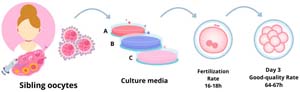
A three-arm, prospective, randomized, controlled clinical trial included patients undergoing IVF treatments at a single center, from May to August 2023. The Research Ethics Committee of Hospital de Clínicas de Porto Alegre approved the study on 08/24/2022, as the National Health Council recommended, and registered at ClinicalTrials.gov (NCT05676515) on 12/22/2022. Trial registration was completed after initiation due to administrative delay. The first and last patients were enrolled on May 7, 2023, and August 23, 2023. As shown in Figure 1, we prospectively randomized sibling oocytes right after ovarian aspiration in three different culture media (Global Total LP, «Global» from Life Global - medium A; Continuous Single Culture Media Complete, «Irvine» from Irvine Scientific - medium B; and Sidney IVF Cleavage Media, «Cook» from Cook Medical - medium C) and compared fertilization and day three (D3) embryo quality rates.
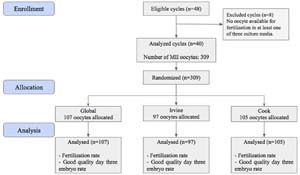
Figure 1. Study population, randomization, and analysis
The study’s primary outcome was the good-quality embryo rate at D3; the secondary was the fertilization rate. We decided not to evaluate the blastocyst rate because some patients’ embryos are transferred or frozen at D3, and not all undergo extended culture. Our practice aligns with most European clinics, as 55.9% of fresh transfers are reported at the cleavage stage (European IVF-Monitoring Consortium (EIM) for the European Society of Human Reproduction and Embryology (ESHRE) et al., 2021).
Recruitment and sample size
Couples undergoing IVF treatment for idiopathic, male or female causes were eligible. The included criteria were patients with at least three oocytes retrieved in a single ovarian aspiration and with a signed informed consent form. The exclusion criteria was less than three oocytes available to perform fertilization.
Considering a difference of 30% between groups in the number of good quality embryos (A + B) (ESHRE Special Interest Group of Embryology and Alpha Scientists in Reproductive Medicine, 2017) with the power of 80% and p alpha 5 %, the calculated n was 95 oocytes for each culture medium, totaling 285 oocytes retrieved and fertilized by intracytoplasmic sperm injection (ICSI). Due to the average number of oocytes retrieved per patient at this center being six, we calculated that 48 patients would be needed to reach the final number of 285 oocytes.
Stimulation Protocol
All patients underwent controlled ovarian stimulation. A range dose of 150-300 IU of HMG (Menotropina, Menopur, Ferring) was administered in combination with a gonadotropin release hormone antagonist (Ganirelix, 25 mcg/day, Orgalutran, Schering-Plough) started on day six of the ovulation cycle. When at least three follicles measured 17mm in diameter, a 5,000 IU dose of HCG (Choriomon, Biopharma) was administered. Oocyte pick-up was performed 36 hours after HCG triggering by ultrasound-guided ovarian aspiration.
Media preparation
All media dishes were prepared on the day before the ovarian aspiration. For fertilization dishes, where oocytes were placed after pick-up until the ICSI procedure, dishes were composed of 100µL drops of respective medium. For embryo culture, media dishes were prepared with three 100µL drops for washing the oocytes after ICSI and individual 50µL drops for each embryo. All plates were covered with 10mL of paraffin oil (FertiPro) and incubated for equilibration for approximately 18 hours at 37ºC with 6% CO2. Media pH were measured with I-stat CG4+ cartridges (Abbott) for each batch.
Randomization
Oocytes retrieved from the same patient (sibling oocytes) were randomized (random numbers from sealedenvelope.com) in three culture media in a ratio of 1:1:1 right after ovarian aspiration by the embryologist responsible for the procedure. Once randomized, there was no manipulation or reallocation between groups. They were fertilized from three to six hours post oocyte pick-up, and the embryos formed were cultured until the day of transfer or embryo freezing. The fertilization rate was evaluated 16 to 18 hours after fertilization, and the embryonic quality was assessed between 64 and 67 hours. Both clinicians and couples were blinded during this study.
Analyzed variables
Fertilization rate: The presence of two pronuclei and two polar bodies (2PN/2PBs) indicated fertilization. The fertilization rate was evaluated by the percentage of 2PN/2PBs zygotes observed in the check between 16 and 18 hours after fertilization by ICSI.
Embryo quality: At D3 (64-67 hours after fertilization), embryos were classified as A, B, C, or D according to parameters of cell number, symmetry, and fragmentation. A and B embryos (7-9 cell, symmetric, and fragmentation ≤20%) were considered good quality. Embryo quality was defined as the primary outcome of this study because it is a parameter directly related to the prognosis of IVF treatment, has a predefined value in the Vienna consensus, and is commonly described in scientific articles.
Female age, anti-mullerian hormone (AMH), and cause of infertility were obtained via the patients’ electronic medical records.
Statistical analysis
Clinical variables with symmetric and asymmetric distribution were described as mean±standard deviation (SD) and median with 25th and 75th percentiles, respectively. Fertilization and good-quality embryo rates were expressed in percentage (mean and interquartiles 25-75). ANOVA and chi-square tests were used to compare fertilization and embryonic quality between the culture media, and a significant difference was considered if p<0.05. Multivariable analysis used day-3 embryo quality (at least one embryo with good quality) as the dependent variable, controlled by age, AMH, and culture media (Global, Irvine, or Cook) to describe the individual effect of those variables on embryo development. This result was presented with odds-ratio (OR) and a 95% confidente interval (CI). For tabulation and statistical analysis, the JASP software version 0.16.2 was used.
RESULTS
In the recruitment period, 48 patients were eligible for this study. After ovarian aspiration, eight were excluded because no oocyte was available for fertilization in at least one media. Therefore, 40 ICSI cycles met all the criteria and were included (Figure 1).
Table 1 describes the clinical data of the patients. The mean age was 35.82±6.01 years, and the median AMH level was 2.24 (1.42-4.17). Seventy-five percent had primary infertility, and the leading exclusive cause was anatomic female factor (n=7).
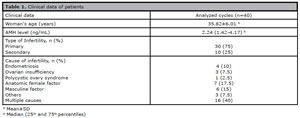
Table 1. Clinical data of patients
In total, 364 retrieved oocytes were randomized right after ovarian aspiration. Of these, 309 MII oocytes (mean per patient 7.72±2.87) were fertilized and cultured in three different commercial media: 107 in Global, 97 in Irvine and 105 in Cook. As shown in Figure 2, the overall fertilization rate was 81.6%. There was no statistical difference among media (mean and interquartiles 25-75): 85.8% (73-100) vs. 77.2% (63-100) vs. 82.4% (67-100) for Global, Irvine, and Cook, respectively (p=0.290).
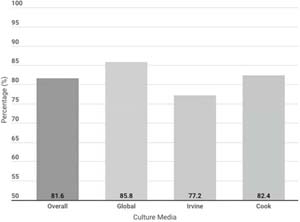
Figure 2. Fertilization rateThere was no difference in fertilization rate among medium brands. ANOVA test (p=0.290). Data are shown as mean (%) for Global, Irvine, and Cook, respectively.
There was no significant difference in the rate of D3 good-quality embryos (Figure 3). The percentage of A and B embryos in each media was (mean and interquartiles 25-75): Global 52.3% (0-76) vs. Irvine 35.9% (0-67) vs. Cook 44.8% (0-100) (p=0.137). However, the number of patients with at least one good-quality embryo on D3 was statistically different: 28 (70.0%) vs. 18 (45.0%) for Global and Irvine, respectively OR 1.56; 95% CI (1.05-2.32, p=0.020).
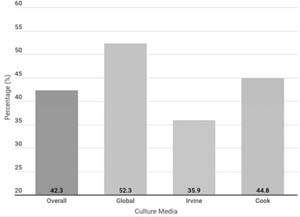
Figure 3. Good quality D3 embryo rateThere was no difference in fertilization rate among medium brands. ANOVA test (p=0.137). Data are shown as mean (%) for Global, Irvine, and Cook, respectively.
Finally, a logistic regression analysis, considering age, AMH, and the type of media as independent variables, controlling for at least one D3 good quality embryo development as the dependent variable, showed a significant effect of age and media significantly associated with D3 embryo quality OR 1.44; 95% CI (1.22-2.35, p=0.016).
DISCUSSION
The success of IVF treatment relies on a combination of biological and technical factors that demand continuous laboratory quality control. Currently, an expanding range of laboratory equipment and consumables is available, including at least fifteen commercially distributed preimplantation human embryo culture media. These media differ in characteristics such as osmolality, molecular composition, and component concentrations (Tarahomi et al., 2019). Since the optimal composition is still unknown, each IVF laboratory establishes its own protocol based on factors such as incubator type, cost, availability, and gas composition. Therefore, comparing different culture systems is challenging to reproduce among clinics worldwide.
Here, we investigated three commercial IVF culture media for preimplantation embryonic development, aiming to compare fertilization rates and Day 3 good-quality embryo outcomes. To date, the literature contains conflicting data due to several confounding laboratory factors that go far beyond the composition of culture media. Furthermore, biological factors related to patient characteristics may affect IVF outcomes. Therefore, we designed this experimental study using sibling oocytes to reduce a potential bias due to oocyte quality.
We evaluated fertilization and Day 3 good-quality embryo rates due to their relevance in assessing technical proficiency and overall laboratory performance (ESHRE Special Interest Group of Embryology and Alpha Scientists in Reproductive Medicine, 2017; Vaiarelli et al., 2023). In contrast to blastulation and usable blastocyst rates, cleavage embryo development and fertilization rates are not related to the patient’s age (Zacà et al., 2022), making those indicators more applicable. For instance, normal fertilization rate has been reported as a strong independent predictor of implantation (Rosen et al., 2010) and cumulative live birth rate (Scaravelli et al., 2021).
Although blastocysts have higher pregnancy outcomes per transfer compared with cleavage-stage embryos (Glujovsky et al., 2022), data are still controversial in terms of cumulative live birth rates (CLBR) per ovarian aspiration. No difference in CLBR between single blastocyst and cleavage transfer was observed in women with at least four embryos (Cornelisse et al., 2024). Whereas double cleavage-stage led to higher CLBR compared with single blastocyst transfer in patients with less than five good-quality embryos (Han et al., 2024). Moreover, a large multivariate analysis demonstrated that the total number of good-quality cleavage-stage embryos is the strongest predictor of clinical pregnancy following an IVF/ICSI cycle (Cai et al., 2011). More recently, an increased number of embryo cells on Day 3 was associated with higher clinical pregnancy and live birth rates after single blastocyst transfer (Wang et al., 2022). Finally, by limiting our analysis to the cleavage phase, we minimized other potential biases related to blastocyst development, such as embryonic genome activation - which occurs at the 8-cell stage (Yuan et al., 2023)-, and the change to a low oxygen tension incubator, which is related to a better blastulation rate (Meintjes et al., 2009).
The culture media included in this study were chosen because they are commonly employed in IVF clinics. Although manufacturers do not disclose the exact composition of each formulation, previous research identified two main differences between them (Morbeck et al., 2014). First, the strategy of the culture system leads to distinguished concentrations of the carbohydrate sources and the lactate/pyruvate ratio. Single-step media (Global and Irvine) have a higher lactate/pyruvate ratio than sequential media (Cook). Second, the composition of amino acids, which are fundamental for many cellular processes and support preimplantation embryo development (Houghton, 2012), also varies. Finally, Cook media presents a high concentration of nonessential amino acids and a low concentration of essential amino acids, whereas Global and Irvine culture media exhibit the opposite (Morbeck et al., 2014). In addition, each medium has its optimal pH range indicated by the manufacturer: Cook 7.30-7.35; Irvine 7.28-7.30; Global 7.29-7.30. In this work, all media used were validated after pH measurement (Cook 7.305 - 7.338; Irvine 7.294 - 7.309; Global 7.289 - 7.303).
Our results showed no differences in fertilization rates or in overall Day 3 good-quality embryo outcomes among the three formulations tested. Consistent with previous reports, the continuous media from the two commercial brands demonstrated equivalent performance regarding fertilization, embryonic development, and embryo quality (Abdala et al., 2021; Sfontouris et al., 2017b). However, we observed a significant difference when analyzing the number of patients with at least one good-quality embryo on D3. Interestingly, Irvine had fewer patients with at least one good-quality embryo, and this rate was remarkably under the competency value of 45% recommended by the Vienna consensus (ESHRE Special Interest Group of Embryology and Alpha Scientists in Reproductive Medicine, 2017). This finding could indicate that this formulation does not support the optimal culture condition for some patients.
A possible explanation may be related to the glucose concentration in the media. Glucose is the third energy source, and previous studies indicate that its presence in the early stages could be detrimental to embryo development (Coates et al., 1999; Conaghan et al., 1993). The Irvine routine uses the same media for fertilization and the whole culture, with a constant high glucose concentration. Instead, both Global and Cook brands have a unique formulation with higher glucose levels, used only to incubate oocytes and spermatozoa before/during the fertilization technique. For embryo culture, Global and cleavage stage Cook media have lower glucose concentration (Morbeck et al., 2014; Tarahomi et al., 2019). Therefore, glucose concentration may dictate embryonic fate in the first divisions, leading to poor development when elevated.
Additional studies using sibling oocytes have shown that continuous and sequential culture media yield comparable rates of usable blastocysts, as well as similar euploid and mosaic outcomes in PGT-A cycles (Abdala et al., 2021, 2023). In contrast, a retrospective study comparing two culture media systems reported, across all evaluated cycles, increased blastocyst formation accompanied by a higher aneuploidy rate in the single-step group (Deng et al., 2020). Consistently, a meta-analysis including extended culture protocols demonstrated greater blastocyst development in continuous media; however, it did not identify the optimal system with respect to clinical pregnancy, miscarriage, or ongoing pregnancy rates (Sfontouris et al., 2016).
Indeed, this debate has persisted for decades, and the introduction of time-lapse systems has emerged as a promising approach for embryo selection and as a source of developmental insights through kinetic analysis. A retrospective observational study compared the morphokinetics of cleavage-stage embryos cultured in single-step versus sequential media. Although all cleavage events occurred earlier in the single-step medium, clinical pregnancy outcomes were similar between the groups (van Duijn et al., 2022). Other recent studies have likewise reported differences in preimplantation embryo developmental kinetics according to the culture media brand, without any corresponding impact on euploidy or clinical outcomes (Ma et al., 2022; Urich et al., 2022).
This study has some limitations. The small sample size may lead to an overinterpretation of Irvine’s poorer performance, which should be assessed in larger clinical trials. Furthermore, we included patients with at least three oocytes available for fertilization, therefore, these data need further validation for poor responders. Also, we did not evaluate the whole embryo culture system. Since in our practice only some of the patient’s embryos undergo extended culture, the blastulation rate was not assessed. However, it is worth mentioning that only 44.1% of fresh transfers are at the blastocyst stage (European IVF-Monitoring Consortium (EIM) for the European Society of Human Reproduction and Embryology (ESHRE) et al., 2021), which sustains the importance of cleavage embryo data. Moreover, although the best outcome of clinical relevance is pregnancy rate, we did not evaluate it because of the study’s design. If we intended to compare pregnancy rates, we would not have the patients controlled by sibling oocytes.
CONCLUSION
This randomized trial suggests that while overall fertilization and cleavage-stage embryo quality did not differ between media, one medium was associated with fewer patients achieving at least one good-quality embryo. While the optimal formulation for supporting embryo development is still uncertain, larger multicenter trials with clinical outcomes are warranted.
Trial registration:
Clinical Trials NCT05676515.
URL: https://clinicaltrials.gov/study/NCT05676515?cond=NCT05676515&rank=1.
Registration on 12/22/2022. Date of first patient’s enrolment: 05/07/2023
Author contribution statement
BG was responsible for data acquisition, statistical analysis, writing and submission of this manuscript; LS and LR was responsible for data acquisition; JSC was responsible for study conception and design and reviewing the statistical analysis. All authors were involved in editing, reading, and approving the final version of this manuscript.
REFERENCES
Abdala A, Elkhatib I, Bayram A, Arnanz A, El-Damen A, Melado L, Lawrenz B, Coughlan C, Garrido N, Fatemi HM, De Munck N. Euploidy rates are not affected when embryos are cultured in a continuous (CCM) or sequential culture medium (SCM): a sibling oocyte study. J Assist Reprod Genet. 2021;38:2199-207. PMID: 33834327 DOI: 10.1007/s10815-021-02187-0 Medline
Bossi RL, Pinto BCV, Sampaio MAC, Geber S. How to optimize culture media osmolality during assisted reproductive technologies treatments. JBRA Assist Reprod. 2023;27:35-40. PMID: 35389044 Medline
Cai QF, Wan F, Huang R, Zhang HW. Factors predicting the cumulative outcome of IVF/ICSI treatment: a multivariable analysis of 2450 patients. Hum Reprod. 2011;26:2532-40. PMID: 21771773 DOI: 10.1093/humrep/der228 Medline
Conaghan J, Handyside AH, Winston RM, Leese HJ. Effects of pyruvate and glucose on the development of human preimplantation embryos in vitro. J Reprod Fertil. 1993;99:87-95. PMID: 8283458 DOI: 10.1530/jrf.0.0990087 Medline
Dumoulin JC, Land JA, Van Montfoort AP, Nelissen EC, Coonen E, Derhaag JG, Schreurs IL, Dunselman GA, Kester AD, Geraedts JP, Evers JL. Effect of in vitro culture of human embryos on birthweight of newborns. Hum Reprod. 2010;25:605-12. PMID: 20085915 DOI: 10.1093/humrep/dep456 Medline
Gardner DK, Lane M, Calderon I, Leeton J. Environment of the preimplantation human embryo in vivo: metabolite analysis of oviduct and uterine fluids and metabolism of cumulus cells. Fertil Steril. 1996;65:349-53. PMID: 8566260 DOI: 10.1016/S0015-0282(16)58097-2 Medline
Glujovsky D, Quinteiro Retamar AM, Alvarez Sedo CR, Ciapponi A, Cornelisse S, Blake D. Cleavage-stage versus blastocyst-stage embryo transfer in assisted reproductive technology. Cochrane Database Syst Rev. 2022;5:CD002118. PMID: 35588094 DOI: 10.1002/14651858.CD002118.pub6 Medline
Hardarson T, Bungum M, Conaghan J, Meintjes M, Chantilis SJ, Molnar L, Gunnarsson K, Wikland M. Noninferiority randomized controlled trial comparing embryo development using media developed for sequential or undisturbed culture in a time-lapse setup. Fertil Steril. 2015;104:1452-9.e1-e4. PMID: 26409153 DOI: 10.1016/j.fertnstert.2015.08.037 Medline
Houghton FD. Media composition: amino acids and cellular homeostasis. Methods Mol Biol. 2012;912:97-106. PMID: 22829371 Medline
Kleijkers SH, Eijssen LM, Coonen E, Derhaag JG, Mantikou E, Jonker MJ, Mastenbroek S, Repping S, Evers JL, Dumoulin JC, van Montfoort AP. Differences in gene expression profiles between human preimplantation embryos cultured in two different IVF culture media. Hum Reprod. 2015;30:2303-11. PMID: 26202924 DOI: 10.1093/humrep/dev179 Medline
Kleijkers SH, Mantikou E, Slappendel E, Consten D, van Echten-Arends J, Wetzels AM, van Wely M, Smits LJ, van Montfoort AP, Repping S, Dumoulin JC, Mastenbroek S. Influence of embryo culture medium (G5 and HTF) on pregnancy and perinatal outcome after IVF: a multicenter RCT. Hum Reprod. 2016;31:2219-30. PMID: 27554441 DOI: 10.1093/humrep/dew156 Medline
Máté G, Török A. Elimination of stress factors by continuous embryo culture and its influence on IVF outcomes. Reprod Biol. 2020;20:512-9. PMID: 32912714 DOI: 10.1016/j.repbio.2020.08.004 Medline
Mestres E, García-Jiménez M, Casals A, Cohen J, Acacio M, Villamar A, Matia-Algué Q, Calderón G, Costa-Borges N. Factors of the human embryo culture system that may affect media evaporation and osmolality. Hum Reprod. 2021;36:605-13. PMID: 33458748 DOI: 10.1093/humrep/deaa370 Medline
Morbeck DE, Krisher RL, Herrick JR, Baumann NA, Matern D, Moyer T. Composition of commercial media used for human embryo culture. Fertil Steril. 2014;102:759-66.e9. PMID: 24998366 DOI: 10.1016/j.fertnstert.2014.05.043 Medline
Mulder CL, Wattimury TM, Jongejan A, de Winter-Korver CM, van Daalen SKM, Struijk RB, Borgman SCM, Wurth Y, Consten D, van Echten-Arends J, Mastenbroek S, Dumoulin JCM, Repping S, van Pelt AMM, van Montfoort APA. Comparison of DNA methylation patterns of parentally imprinted genes in placenta derived from IVF conceptions in two different culture media. Hum Reprod. 2020;35:516-28. PMID: 32222762 DOI: 10.1093/humrep/deaa004 Medline
Reed ML, Hamic A, Thompson DJ, Caperton CL. Continuous uninterrupted single medium culture without medium renewal versus sequential media culture: a sibling embryo study. Fertil Steril. 2009;92:1783-6. PMID: 19523617 DOI: 10.1016/j.fertnstert.2009.05.008 Medline
Sacha CR, Gopal D, Liu CL, Cabral HR, Stern JE, Carusi DA, Racowsky C, Bormann CL. The impact of single-step and sequential embryo culture systems on obstetric and perinatal outcomes in singleton pregnancies. Fertil Steril. 2022;117:1246-54. PMID: 35473909 DOI: 10.1016/j.fertnstert.2022.03.005 Medline
Sciorio R, Rinaudo P. Culture conditions in the IVF laboratory: state of the ART and possible new directions. J Assist Reprod Genet. 2023;40:2591-607. PMID: 37725178 DOI: 10.1007/s10815-023-02934-5 Medline
Sfontouris IA, Martins WP, Nastri CO, Viana IG, Navarro PA, Raine-Fenning N, van der Poel S, Rienzi L, Racowsky C. Blastocyst culture using single versus sequential media in clinical IVF: a systematic review and meta-analysis. J Assist Reprod Genet. 2016;33:1261-72. PMID: 27491772 DOI: 10.1007/s10815-016-0774-5 Medline
Sunde A, Brison D, Dumoulin J, Harper J, Lundin K, Magli MC, Van den Abbeel E, Veiga A. Time to take human embryo culture seriously. Hum Reprod. 2016;31:2174-82. PMID: 27554442 DOI: 10.1093/humrep/dew157 Medline
Tarahomi M, Vaz FM, van Straalen JP, Schrauwen FAP, van Wely M, Hamer G, Repping S, Mastenbroek S. The composition of human preimplantation embryo culture media and their stability during storage and culture. Hum Reprod. 2019;34:1450-61. PMID: 31348827 DOI: 10.1093/humrep/dez102 Medline
Urich M, Ugur MR, Li F, Shamma FN, Hammoud A, Cottrell HN, Dogan S. Comparison of two culture media on morphokinetics and ploidy status of sibling embryos. Zygote. 2022;30:410-5. PMID: 34879892 DOI: 10.1017/S0967199421000927 Medline
Vaiarelli A, Zacà C, Spadoni V, Cimadomo D, Conforti A, Alviggi C, Palermo R, Bulletti C, De Santis L, Pisaturo V, Vigiliano V, Scaravelli G, Ubaldi FM, Borini A. Clinical and laboratory key performance indicators in IVF: A consensus between the Italian Society of Fertility and Sterility and Reproductive Medicine (SIFES-MR) and the Italian Society of Embryology, Reproduction and Research (SIERR). J Assist Reprod Genet. 2023;40:1479-94. PMID: 37093443 DOI: 10.1007/s10815-023-02792-1 Medline
Van Duijn L, Rousian M, Kramer CS, van Marion ES, Willemsen SP, Speksnijder JP, Laven JSE, Steegers-Theunissen RPM, Baart EB. The Impact of Culture Medium on Morphokinetics of Cleavage Stage Embryos: An Observational Study. Reprod Sci. 2022;29:2179-89. PMID: 35534767 DOI: 10.1007/s43032-022-00962-7 Medline