JBRA Assist. Reprod. 2026 2026;00(0):00-00
ORIGINAL ARTICLE
doi: 10.5935/1518-0557.20260066
Effects of Hydroxychloroquine on Frozen Embryo Transfer Outcomes in Patients with Repeated Implantation Failure: A Randomized Clinical Trial
1Fertility, Sterility and Reproductive Biology Research Center, Mashhad University of Medical Sciences, Mashhad, Iran
2Department of Medical Informatics, Faculty of Medicine, Mashhad University of Medical Sciences, Mashhad, Iran
CONFLICTS OF INTEREST
ABSTRACT
Objective: Repeated implantation failure (RIF) poses significant challenges in assisted reproductive technology. This study investigated the effects of hydroxychloroquine, an anti-inflammatory medication, on frozen embryo transfer outcomes in patients with RIF.
Methods: In this randomized, single blind study, 70 women with a history of RIF were randomly assigned to intervention and control groups. The control group received 4 mg estradiol valerate tablets starting on the third day of the menstrual cycle for four days, followed by 6 mg daily from the seventh day until the endometrial thickness reached at least 8 mm. The intervention group received 200 mg hydroxychloroquine tablets every 12 hours from the third day of the menstrual cycle, in addition to estradiol valerate. Following endometrial preparation, patients received a daily intramuscular injection of 50 mg progesterone and 400 mg of vaginal progesterone suppositories twice daily, then frozen embryo transfer was performed. The co-primary outcomes were chemical pregnancy and clinical pregnancy rates. Secondary outcomes included multiple pregnancy, miscarriage, ongoing pregnancy and live birth rates.
Results: The intervention group exhibited higher rates of chemical pregnancy, clinical pregnancy, ongoing pregnancy and live birth compared to the control group; however, these differences were not statistically significant (p>0.05). Furthermore, the rate of singleton pregnancies in the intervention group was significantly higher (p=0.04).
Conclusion: Although hydroxychloroquine may positively affect pregnancy outcomes, the statistical evidence in this study is not strong enough to draw definitive conclusions. Future adequately powered studies with larger cohorts are essential to confirm these clinical trends and determine its true clinical efficacy.
Keywords: Frozen embryo transfer, hydroxychloroquine, in vitro fertilization, repeated implantation failure
INTRODUCTION
Repeated implantation failure (RIF) is a significant challenge for in vitro fertilization (IVF) clinics and clinicians in assisted reproduction technologies, as unsuccessful IVF/embryo transfer attempts impose considerable psychological, emotional, and financial burdens on infertile couples (Huang et al., 2023; Dashti et al., 2022; Timeva et al., 2014). RIF is generally defined as the failure to achieve a clinical pregnancy following three or more cycles of embryo transfer, despite the use of high-quality embryos (Lee et al., 2023). There is currently no universally accepted definition of RIF. Some research defines RIF as the inability to achieve a clinical pregnancy after two or three consecutive transfers of good-quality embryos. Others, however, recommend a more individualized approach that considers factors such as embryo quality, endometrial receptivity, and patient-specific characteristics, rather than focusing solely on the number of unsuccessful transfers (ESHRE Working Group on Recurrent Implantation Failure, 2023; Opuchlik et al., 2025).
Despite advancements in embryo quality assessment and transfer techniques, the etiology of RIF remains poorly understood. Various factors, including endometrial receptivity problems, immune system dysfunctions, thrombotic processes, anatomical abnormalities of the uterus, hormonal disturbances and infections, contribute to the condition (Luo et al., 2024). As a result, there is a need for effective therapeutic strategies to enhance implantation rates in this patient population. Several interventions may improve the chances of pregnancy in women experiencing RIF.
Hydroxychloroquine is an antimalarial drug that has gained attention for its immunomodulatory properties, particularly in patients with autoimmune disorders such as systemic lupus erythematosus and rheumatoid arthritis (Ben-Zvi et al., 2012; Liu et al., 2024; Shippey et al., 2018).
The effects of hydroxychloroquine on pregnancy outcomes have been investigated in various patient populations (Mirzaei et al., 2023; Sadeghpour et al., 2020; Nori et al., 2023; Ye et al., 2023; Dernoncourt et al., 2024; Kaplan et al., 2016; Buchanan et al., 1996; Taheri, 2023; Nguyen et al., 2025; Sciascia et al., 2016; Lian et al., 2018; Guo et al., 2023). Hydroxychloroquine may help improve the outcomes of embryo transfer in patients with RIF (Mirzaei et al., 2023). The administration of hydroxychloroquine can have some benefits on RIF, including few side effects and cost-effectiveness (Mirzaei et al., 2023). The use of Hydroxychloroquine during preconception and pregnancy is considered safe (Sammaritano et al., 2020). Therefore, the aim of our study was to assess the effects of adding hydroxychloroquine to conventional treatment protocols on frozen embryo transfer outcomes in RIF patients.
MATERIALS AND METHODS
This randomized, single blind study was performed at the Milad Infertility Center in Mashhad, Iran, from September 2019 to August 2020. This trial was registered in the Iranian Registry of Clinical Trials (IRCT) with the number IRCT20191231045960N1. The protocol was approved by the Ethics Committee of Mashhad University of Medical Sciences (ethics code: IR.MUMS.MEDICAL.REC.1398.702). Written informed consent was obtained from all participants, and they were free to withdraw from the research at any time.
Participants
The study population included infertile women with a documented history of RIF.
Inclusion Criteria
Eligible participants included: (1) Women under 35 years of age with three unsuccessful IVF transfer using high-quality embryos; (2) Women over 35 years of age with two unsuccessful IVF transfer using high-quality embryo. This age-adjusted threshold was prospectively designed to account for the well-documented physiological decline in oocyte competence and the significantly higher rates of embryonic aneuploidy associated with advanced maternal age (ESHRE Working Group on Recurrent Implantation Failure, 2023); (3) Individuals aged 20 to 42 years with normal thyroid and prolactin levels; (4) Absence of significant renal, hepatic, or cardiac comorbidities; (5) Women with a normal uterine cavity, confirmed by baseline two-dimensional transvaginal ultrasound (2D TVUS), with supplementary three-dimensional (3D) ultrasound evaluation utilized in cases where intracavitary pathology was suspected, and normal thrombophilia test results, including protein C, protein S, antithrombin III, lupus anticoagulant IgG/IgM, anticardiolipin IgG/IgM, β2-Glycoprotein IgG/IgM, and factor V Leiden mutation; (6) No recurrent pregnancy loss (≥ 2 clinical pregnancy loss); (7) Availability of good-quality embryos (blastocysts, according to the Gardner embryo grading system) (Gardner & Schoolcraft, 1999).
Exclusion Criteria
The exclusion criteria included irregular medication use, drug allergies, and side effects of medications, such as visual disturbances, dizziness, nausea, vomiting, drowsiness, sleep disorders, rashes, seizures, cardiovascular problems, diarrhea, and respiratory muscle weakness.
Randomization and Blinding
Eligible participants were randomly assigned to the intervention and control groups. Randomization was conducted using a random number table to ensure unbiased allocation, and the allocation sequence was concealed. Because a matched placebo was not utilized, the patients and prescribing physicians were aware of the treatment assignments. However, to minimize detection and performance bias, strict blinding was applied to the outcome assessment and data analysis.
Intervention
The control group received 4 mg estradiol valerate tablet (Aburaihan Pharmaceutical Co., Tehran, Iran) starting on the third day of the menstrual cycle for four days, followed by 6 mg daily from the seventh day until the endometrial thickness (assessed by transvaginal ultrasound (Philips Affinity 70, Netherlands)) reached at least 8 mm.The intervention group received 200 mg hydroxychloroquine tablets (Tehran Darou Pharmaceutical Co., Tehran, Iran) every 12 hours from the third day of the menstrual cycle, in addition to estradiol valerate.Following endometrial preparation (endometrial thickness>8 mm and the triple-line pattern), patients received a daily intramuscular injection of 50 mg progesterone (Femogex, Iran Hormone Pharmaceutical Co., Tehran, Iran) and 400 mg of vaginal progesterone suppositories (Cyclogest, Actoverco, United Kingdom) administered twice daily for six days base on our protocol center. One or two good-quality blastocysts (according to the Gardner embryo grading system) were then transferred.Progesterone and hydroxychloroquine were continued until the 10th week of pregnancy. Estradiol valerate was gradually tapered after the visualization of a gestational sac via ultrasound at gestational week 5.
Outcomes
Co-primary outcomes included chemical pregnancy and clinical pregnancy rates. Secondary outcomes were multiple pregnancy, miscarriage, ongoing pregnancy and live birth rates.
Statistical Analysis
Statistical analyses were conducted using SPSS version 24.0 (IBM, Chicago, IL) statistical software. Continuous variables were presented as mean±standard deviation (SD) and compared using the independent samples t-test. For variables presented as median (Interquartile Range - IQR), the Mann-Whitney U test was employed. Categorical variables were expressed as number and percentage (n (%)) and analyzed using the Chi-square test or Fisher’s exact test. A p-value of less than 0.05 was considered statistically significant.
Sample Size Calculation
Considering an α value of 0.05 and a β value of 0.2, the sample size was estimated to be 31 participants in each group using PASS software. Accounting for an anticipated dropout rate of approximately 10%, the final sample size was adjusted to 35 participants in each group.
RESULTS
In this study, a total of 70 patients were initially included. Participants were equally assigned to the intervention group (n=35) and the control group (n=35) (Figure 1).
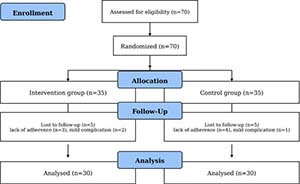
Figure 1. Consort flowchart of the study design
Five patients from the intervention group (3 due to non-adherence to the medication protocol, 2 due to mild complications (headache and nausea)) and five patients from the control group (4 due to non-adherence to the medication protocol, 1 due to mild complications (headache and nausea)) were excluded. Ultimately, 60 patients were included in the analysis.
There were no significant differences in baseline parameters between the two groups, including age, body mass index (BMI), history of miscarriage, follicle-stimulating hormone (FSH) level, endometrial thickness on the day of progesterone initiation and the number of previous embryo transfers (p>0.05, Table 1).
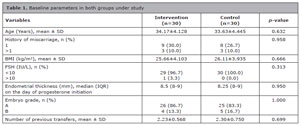
Table 1. Baseline parameters in both groups under study
BMI: body mass index; FSH: follicle-stimulating hormone; IQR: Interquartile range
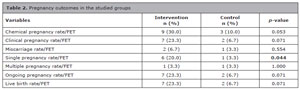
Table 2. Pregnancy outcomes in the studied groups
FET: frozen embryo transfer
DISCUSSION
The present study evaluated the potential benefits of hydroxychloroquine supplementation in improving pregnancy outcomes among patients with RIF undergoing frozen embryo transfer. Our findings demonstrated that the addition of hydroxychloroquine to standard treatment was associated with higher rates of chemical pregnancy, clinical pregnancy, ongoing pregnancy and live birth compared to the control group. However, these differences were not statistically significant between the groups.
In examining the effect of hydroxychloroquine on pregnancy outcomes in infertile women, a systematic review and meta-analysis investigated the impact of immunosuppressive drugs on pregnancy outcomes in RIF patients. The findings indicated that the combination of prednisone and hydroxychloroquine significantly enhances fertilization, implantation, and clinical pregnancy rates compared to prednisone alone. Hydroxychloroquine modulates immune responses by reducing Th17-related cytokines, increasing T-regulatory cytokines, decreasing tumor necrosis factor-alpha (TNF-α) levels and increasing interleukin-10 (IL-10) levels. Additionally, the study found that the addition of cyclosporine to the treatment regimen does not significantly improve pregnancy outcomes. The results suggested that the combination of prednisone and hydroxychloroquine is a promising immunomodulatory approach for improving fertility outcomes in women with specific challenges related to RIF; however, the addition of cyclosporine does not provide further benefits for certain outcomes. The immunomodulatory effects of hydroxychloroquine underscore its potential to enhance reproductive health (Taheri, 2023).
Mirzaei et al. (2023) investigated the impact of hydroxychloroquine on pregnancy outcomes in patients with RIF and found that the combination of hydroxychloroquine and prednisone significantly increased fertilization and live birth rates compared to prednisone alone; however, the abortion rates remained unchanged between the groups. The meta-analysis of two studies showed no significant differences in clinical pregnancy and implantation rates between the prednisone and hydroxychloroquine+prednisone groups. It was concluded that while hydroxychloroquine may enhance certain reproductive outcomes, its addition to prednisone does not appear to improve overall pregnancy success (Mirzaei et al., 2023).
A retrospective clinical study investigated whether hydroxychloroquine improves pregnancy outcomes in patients with autoantibodies undergoing frozen embryo transfer cycles. Results demonstrated that hydroxychloroquine was independently associated with a significantly higher clinical pregnancy rate, as well as improved implantation rates and ongoing pregnancy rates. Additionally, the biochemical pregnancy rate and early miscarriage rate were significantly lower in the hydroxychloroquine group. It was found that hydroxychloroquine treatment enhances clinical pregnancy outcomes and decreases the incidence of first-trimester abortions in this patient population (Guo et al., 2023).
Furthermore, Gao et al. (2021) investigated the effect of antinuclear antibody status on induced ovulation and the effects of combined treatment of prednisone and hydroxychloroquine on frozen embryo transfer outcomes in antinuclear antibody-positive patients. The findings indicated that while antinuclear antibody status did not affect the number of retrieved oocytes, available embryos, high-quality embryos, and the proration of high-quality embryos, the combination of prednisone and hydroxychloroquine may enhance implantation, biochemical and clinical pregnancy rates, and decrease pregnancy loss rates in this population (Gao et al. 2021).
In assessing the impact of hydroxychloroquine on the secretion of IL-10 and TNF-α, expression of T-bet and GATA-3 transcription factors and the cellular localization of TNF-α, IFN-γ, IL-10 and IL-4 in endometrial cells of women with RIF, hydroxychloroquine treatment resulted in a significant decrease in serum TNF-α levels and a significant increase in serum IL-10 levels. Additionally, the expression of the T-bet (Th1 transcription factor) was down-regulated, while the GATA-3 (Th2 transcription factor) was up-regulated. Immunohistochemical analysis revealed increased fluorescent reactivity for IL-10 and IL-4, alongside decreased reactivity for TNF-α and IFN-γ in endometrial tissues post-treatment. These findings suggested that hydroxychloroquine administration in RIF women with elevated TNF-α/IL-10 ratios during the implantation window may effectively reduce this ratio. This approach was a promising therapeutic strategy for RIF attributed to cellular immune dysfunction, as it facilitated a shift towards Th2 responses (Ghasemnejad-Berenji et al., 2018).
Meng et al. (2022) examined the effects of immunoregulatory treatments (prednisone + hydroxychloroquine + cyclosporine, prednisone + hydroxychloroquine, and prednisone alone) on IVF-embryo transfer outcomes in patients with elevated peripheral Th1/Th2 ratios. A total of 41 patients were in the treatment group (21 on prednisone + hydroxychloroquine + cyclosporine, 9 on prednisone + hydroxychloroquine, 11 on prednisone) and 30 in the control group. This study revealed that the use of immunoregulatory treatments during frozen embryo transfer cycles significantly improved the live birth rate in patients with past implantation failures and elevated Th1/Th2 ratios compared to untreated patients (Meng et al., 2022). In addition, the results of the study by Sadeghpour et al. (2020) indicated that hydroxychloroquine administration in RIF women with immune cell disorders during pregnancy could influence the Th17/Treg ratio, enhance Treg and diminish Th17 responses, which could be linked to successful pregnancy outcomes. However, the study did not find a significant difference in pregnancy outcomes (Sadeghpour et al., 2020).
Our study adds to the growing body of evidence investigating the clinical effects of hydroxychloroquine. While previous studies highlight the immunomodulatory benefits of this drug, our findings suggest that these effects do not necessarily translate into statistically significant clinical improvement. Although we observed favorable numerical trends across pregnancy outcomes, the differences were not statistically significant. This could be attributed to study limitations, including a relatively small sample size and limited statistical power. Furthermore, the lack of routine monitoring of serum progesterone levels on the day of embryo transfer should be considered. Therefore, conducting large-scale, adequately powered randomized trials is essential to confirm these clinical trends and precisely determine its true efficacy.
CONCLUSION
This study showed that hydroxychloroquine may positively affect pregnancy outcomes; however, the statistical evidence is not strong enough to draw definitive conclusions. Future adequately powered studies with larger cohorts are essential to confirm these clinical trends and determine its true clinical efficacy.
Acknowledgments
We express our appreciation to the Deputy of Research and Technology of Mashhad University of Medical Sciences for their financial support [Grant No. 980169].
REFERENCES
Ben-Zvi I, Kivity S, Langevitz P, Shoenfeld Y. Hydroxychloroquine: from malaria to autoimmunity. Clin Rev Allergy Immunol. 2012;42:145-53. PMID: 21221847 DOI: 10.1007/s12016-010-8243-x
Medline
Buchanan NM, Toubi E, Khamashta MA, Lima F, Kerslake S, Hughes GR. Hydroxychloroquine and lupus pregnancy: review of a series of 36 cases. Ann Rheum Dis. 1996;55:486-8. PMID: 8774170 DOI: 10.1136/ard.55.7.486
Medline
Dernoncourt A, Hedhli K, Abisror N, Cheloufi M, Cohen J, Kolanska K, McAvoy C, Selleret L, Ballot E, Mathieu d’Argent E, Chabbert Buffet N, Fain O, Kayem G, Mekinian A. Hydroxychloroquine in recurrent pregnancy loss: data from a French prospective multicenter registry. Hum Reprod. 2024;39:1934-41. PMID: 38942601 DOI: 10.1093/humrep/deae146
Medline
ESHRE Working Group on Recurrent Implantation Failure; Cimadomo D, de Los Santos MJ, Griesinger G, Lainas G, Le Clef N, McLernon DJ, Montjean D, Toth B, Vermeulen N, Macklon N. ESHRE good practice recommendations on recurrent implantation failure. Hum Reprod Open. 2023;2023:hoad023. PMID: 37332387 DOI: 10.1093/hropen/hoad023
Medline
Gao R, Deng W, Meng C, Cheng K, Zeng X, Qin L. Combined treatment of prednisone and hydroxychloroquine may improve outcomes of frozen embryo transfer in antinuclear antibody-positive patients undergoing IVF/ICSI treatment. Lupus. 2021;30:2213-20. PMID: 34898319 DOI: 10.1177/09612033211055816
Medline
Ghasemnejad-Berenji H, Ghaffari Novin M, Hajshafiha M, Nazarian H, Hashemi SM, Ilkhanizadeh B, Ghasemnejad T, Sadeghpour S, Ghasemnejad-Berenji M. Immunomodulatory effects of hydroxychloroquine on Th1/Th2 balance in women with repeated implantation failure. Biomed Pharmacother. 2018;107:1277-85. PMID: 30257342 DOI: 10.1016/j.biopha.2018.08.087
Medline
Guo Y, Su Y, Zhang M, Ji H, Zhao C, Ling X, Shen R. Hydroxychloroquine improves pregnancy outcomes in patients undergoing frozen embryo transfer with positive serum autoantibodies. Am J Reprod Immunol. 2023;90:e13732. PMID: 37382170 DOI: 10.1111/aji.13732
Medline
Huang C, Ye X, Ye L, Lu L, Liu F. Platelet-Rich Plasma Intrauterine Infusion as Assisted Reproduction Technology (ART) to Combat Repeated Implantation Failure (RIF): A Systematic Review and Meta-Analysis. Iran J Public Health. 2023;52:1542-54. PMID: 37744529 DOI: 10.18502/ijph.v52i8.13394
Medline
Kaplan YC, Ozsarfati J, Nickel C, Koren G. Reproductive outcomes following hydroxychloroquine use for autoimmune diseases: a systematic review and meta-analysis. Br J Clin Pharmacol. 2016;81:835-48. PMID: 26700396 DOI: 10.1111/bcp.12872
Medline
Lee HK, Moon KY, Paik H, Jee BC. Factors affecting the ongoing pregnancy rate in women with repeated implantation failure undergoing an endometrial receptivity array. Clin Exp Reprod Med. 2023;50:277-84. PMID: 37995756 DOI: 10.5653/cerm.2023.06184
Medline
Liu PC, Lv MN, Li JB, Yu SJ, Wu R. Advancements on the impact of hydroxychloroquine in systemic lupus erythematosus. Heliyon. 2024;10:e30393. PMID: 38711668 DOI: 10.1016/j.heliyon.2024.e30393
Medline
Meng S, Zhang T, Li C, Zhang X, Shen H. Immunoregulatory therapy improves reproductive outcomes in elevated Th1/Th2 women with embryo transfer failure. Biomed Res Int. 2022;2022:4990184. PMID: 35795319 DOI: 10.1155/2022/4990184
Medline
Mirzaei M, Amirajam S, Moghimi ES, Behzadi S, Rohani A, Zerangian N, Samani NK, Soudagar S, Ghazanfarpour M. The effects of hydroxychloroquine on pregnancy outcomes in infertile women: a systematic review and meta-analysis. J Med Life. 2023;16:189-94. PMID: 36937474 DOI: 10.25122/jml-2022-0095
Medline
Nguyen NV, Svenungsson E, Dominicus A, Altman M, Hellgren K, Simard JF, Arkema EV. Hydroxychloroquine in lupus or rheumatoid arthritis pregnancy and risk of major congenital malformations: a population-based cohort study. Rheumatology (Oxford). 2025;64:117-25. PMID: 38479815 DOI: 10.1093/rheumatology/keae123
Medline
Nori W, Akram NN, Al-Ani RM. Update on hydroxychloroquine use in pregnancy. World J Exp Med. 2023;13:99-101. PMID: 37767540 DOI: 10.5493/wjem.v13.i4.99
Medline
Opuchlik K, Pankiewicz K, Pierzyński P, Sierdziński J, Aleksejeva E, Salumets A, Issat T, Laudański P. Factors influencing endometrial receptivity in women with recurrent implantation failure. BMC Womens Health. 2025;25:15. PMID: 39789542 DOI: 10.1186/s12905-024-03531-z
Medline
Sadeghpour S, Ghasemnejad Berenji M, Nazarian H, Ghasemnejad T, Nematollahi MH, Abroon S, Paktinat S, Heidari Khoei H, Ghasemnejad Berenji H, Ghaffari Novin M. Effects of treatment with hydroxychloroquine on the modulation of Th17/Treg ratio and pregnancy outcomes in women with recurrent implantation failure: a clinical trial. Immunopharmacol Immunotoxicol. 2020;42:632-42. PMID: 33081532 DOI: 10.1080/08923973.2020.1835959
Medline
Sammaritano LR, Bermas BL, Chakravarty EE, Chambers C, Clowse MEB, Lockshin MD, Marder W, Guyatt G, Branch DW, Buyon J, Christopher-Stine L, Crow-Hercher R, Cush J, Druzin M, Kavanaugh A, Laskin CA, Plante L, Salmon J, Simard J, Somers EC, et al. 2020 American College of Rheumatology Guideline for the Management of Reproductive Health in Rheumatic and Musculoskeletal Diseases. Arthritis Rheumatol. 2020;72:529-56. PMID: 32090480 DOI: 10.1002/art.41191
Medline
Sciascia S, Hunt BJ, Talavera-Garcia E, Lliso G, Khamashta MA, Cuadrado MJ. The impact of hydroxychloroquine treatment on pregnancy outcome in women with antiphospholipid antibodies. Am J Obstet Gynecol. 2016;214:273.e1-8. PMID: 26429521 DOI: 10.1016/j.ajog.2015.09.078
Medline
Shippey EA, Wagler VD, Collamer AN. Hydroxychloroquine: an old drug with new relevance. Cleve Clin J Med. 2018;85:459-67. PMID: 29883308 DOI: 10.3949/ccjm.85a.17034
Medline
Timeva T, Shterev A, Kyurkchiev S. Recurrent implantation failure: the role of the endometrium. J Reprod Infertil. 2014;15:173-83. PMID: 25473625
Medline
Ye S, Liu Y, Zhao X, Ma Y, Wang Y. Hydroxychloroquine improves pregnancy outcomes of women with positive antinuclear antibody spectrum test results. Front Med (Lausanne). 2023;10:1113127. PMID: 37168263 DOI: 10.3389/fmed.2023.1113127
Medline