JBRA Assisted Reproduction 2026;30(3):498-505
ORIGINAL ARTICLE
doi: 10.5935/1518-0557.20260036
Influence of chlamydia infection history on tubal patency: A pilot study
1Department of Obstetrics and Gynecology and IRB (Institut de Recerca Biomèdica), Arnau de Vilanova Universitary Hospital, Universitat de Lleida, Lleida, Spain
2Obstetrics and Gynecology Department, Autonoma University of Barcelona (UAB), Campus of Bellaterra, Cerdanyola del Vallès, Spain
3Clínica de La Mujer Medicina Reproductiva, Viña del Mar, Chile
4Fertty Clinic, Fertty Foundation, Barcelona, Spain
CONFLICT OF INTEREST
This study does not require any additional financial cost to normal clinical practice. The authors declared no conflicts of interest.
ABSTRACT
Objectives: Chlamydia infection is a known risk factor for tubal occlusion and subsequent infertility. A significant proportion of Chlamydia infections are asymptomatic, which can delay diagnosis and allow silent progression of tubal damage. Therefore, identifying a history of Chlamydia infection-even in the absence of symptoms-may help recognize women at risk of tubal involvement. In such cases, it would be justified to perform tubal patency testing to assess potential tubal and pelvic sequelae. Our purpose was to evaluate the relationship of Chlamydia IgG serology with tubal patency as determined by Hysterosonosalpingo-Foam-Sonography (HyFoSy). Furthermore, the study examines whether this information could guide decision-making in the initial clinical evaluation of infertile patients.
Methods: A retrospective pilot study was performed including all patients referred for primary infertility to the Reproductive Medicine Unit of the Gynecology Service of the Hospital Arnau de Vilanova in Lleida between 2022 and 2024. Chlamydia infection history was assessed through serological IgG testing, and tubal patency was evaluated using HyFoSy.
Results: Seventy-nine patients were included in the study. A Chlamydia IgG seropositivity rate of 13.9% was observed, while tubal occlusion-assessed through HyFoSy-was detected in 25.3% of cases. Patients younger than 33 years with a positive Chlamydia IgG testing showed a higher rate of tubal occlusion compared to patients with negative serology (OR 8.00, 95% CI [1.08, 59.16]). No differences were observed in older patients.
Conclusions: Chlamydia infection may be associated with a higher risk of tubal occlusion in younger patients, especially those under 33 years.
Keywords: tubal patency, hysterosalpingo-foam-sonography, Chlamydia, infertility
INTRODUCTION
Chlamydia trachomatis infection is a widespread sexually transmitted infection, especially among young, sexually active individuals, and represents a significant global public health issue. In 2020, an estimated 128.5 million new cases of Chlamydia were recorded among individuals aged 15-49, with a 4% prevalence among women (World Health Organization, 2023). Two-thirds of these infections occurred in individuals aged 15-24. Additionally, a substantial number of asymptomatic carriers remain undiagnosed and therefore do not seek testing (Centers for Disease Control and Prevention, 2024). Chlamydia infection can be cured with antibiotic treatment. Patients with clinical or subclinical infection who do not undergo antibiotic treatment may develop serious health problems such as pelvic inflammatory disease (PID). The consequences of PID include irreversible impairment of tubal function and patency, hydrosalpinx, ectopic pregnancy, and/or chronic pelvic pain (World Health Organization, 2023; Centers for Disease Control and Prevention, 2024).
There appears to be a possible association between Chlamydia IgG seropositivity and tubal infertility, with a reported prevalence of up to 20% among asymptomatic infertile women (Morhason-Bello et al., 2014). Therefore, this test might represent a useful diagnostic tool in the infertility work-up, potentially aiding in the identification of women at increased risk of tubal involvement who could benefit from further tubal and pelvic assessment (Lim et al., 2011). The test, which detects IgG antibodies in serum as an indicator of past or persistent Chlamydia infection, is being considered for incorporation into routine screening of infertile couples prior to initiating assisted reproductive technologies (ART). It is easy, quick, inexpensive, non-invasive, and can be performed at any point in the menstrual cycle, with reasonably good sensitivity and specificity. A positive result may suggest prior, ongoing, or chronic infection (Fiddelers et al., 2005; Morhason-Bello et al., 2014).
Tubal factor accounts for approximately 20-35% of infertility cases, including both obstructive and non-obstructive tubal dysfunction. Among these, tubal obstruction-detectable through imaging techniques-is found in 10-15% of patients undergoing infertility evaluation (Dessole et al., 2003; Morhason-Bello et al., 2014; Levaillant et al., 2022). In many cases of asymptomatic tubal disease, a previous clinical or silent pelvic inflammatory episode is suspected, with Chlamydia trachomatis being the most frequently implicated pathogen.
The gold standard to evaluate tubal patency is still laparoscopic assessment with tubal chromoperturbation, but it is not currently considered a first-line test due to its invasiveness and cost. The classic technique for the study of tubal patency has been hysterosalpingography with iodine contrast (HSG). Hysterosalpingo-contrast sonography (HyCoSy) presents high sensitivity and specificity for the determination of tubal patency, showing good association with HSG results (Dessole et al., 2003). Hysterosonosalpingo-Foam-Sonography (HyFoSy) is used when the contrast medium used is foam, significantly improving diagnostic accuracy and efficacy compared to HyCoSy, being equal or superior in sensitivity and specificity (Exalto & Emanuel, 2019; Lim et al., 2015).
At present, there are no published studies associating HyCoSy or HyFoSy, tests that assess tubal patency non-invasively, with a history of Chlamydia infection, one of the main causes of tubal involvement. To date, no study has specifically evaluated the correlation between HyFoSy findings and Chlamydia trachomatis IgG serology, which represents a novel aspect of the present research.
The aim of this pilot study is to evaluate the association between Chlamydia IgG serology and tubal patency as assessed by HyFoSy, as well as the tolerance and safety of HyFoSy.
MATERIAL AND METHODS
Study design
A retrospective pilot study conducted at the Assisted Reproduction Unit (ARU) of the Arnau de Vilanova University Hospital in Lleida between May 2022 and May 2024.
At the initial (baseline) visit, the following variables were recorded: duration of infertility, age, history of ovarian pathology or PID, body mass index (BMI), smoking status, anti-Müllerian hormone (AMH) levels and antral follicle count. In addition, Chlamydia trachomatis IgG serology, HyFoSy for assessment of tubal patency (unilateral or bilateral occlusion), and pain evaluation using the visual analogue scale (VAS) during and immediately after the procedure were performed. The VAS is a unidimensional tool used to assess pain intensity, allowing for the monitoring of a patient’s pain over time or comparison of pain levels between individuals with similar clinical conditions.
Participants
The study included all female patients aged 18 to 40 years who were referred to the ARU with a diagnosis of primary infertility or a solitary desire for motherhood, and who underwent HyFoSy and Chlamydia trachomatis IgG serological testing. All eligible patients meeting the inclusion criteria during the study period were consecutively included. Patients who did not meet the inclusion criteria or who were ineligible for assisted reproductive techniques under the regulations of the Catalan public health system were excluded. As this was a pilot study, no formal sample size calculation was performed.
Chlamydia IgG Serological Test
Serological detection of Chlamydia trachomatis IgG antibodies was performed using a commercial chemiluminescent enzyme immunoassay (VirClia® Chlamydia trachomatis IgG Monotest, Vircell S.L., Granada, Spain). According to the manufacturer, the assay demonstrates a sensitivity and specificity of 100%. The test detects IgG antibodies indicative of prior or recent infection.
The assay showed intra-assay variation coefficients 7%-10%, and inter-assay 8%-16%. The manufacturer’s instructions were followed for interpretation of results; the cut-off value (Index ≥ 1.1) was used to classify samples as positive, as established in the test protocol.
HyFoSy Test Procedure
HyFoSy was performed using a Voluson S10 ultrasound system with a volumetric transvaginal probe (RIC5-9-D), following intrauterine instillation of ExEm® Foam (IQ Medical Ventures, The Netherlands). The procedure was conducted and interpreted by two expert gynecologists. Tubal patency was assessed using HyFoSy with ExEm® Foam (IQ Medical Ventures, Zuidhorn, The Netherlands). The passage of the foam was visualized as a hyperechogenic line with an anterograde path and, anatomically, it represents a trilaminar tube (black/white/black) that would be equivalent to the tube walls in black and the lumen in white. Cases with bilateral tubal patency were classified as having normal tubal status, while any unilateral or bilateral obstruction was categorized as tubal occlusion.
Peritoneal adhesions were not evaluated as part of the study protocol. Although HyFoSy may occasionally suggest the presence of adhesions through indirect ultrasonographic signs, these findings were not systematically recorded or analysed. Consequently, adhesion assessment was not included among the study variables.
Data analysis
A univariate descriptive analysis was performed. Mean and standard deviation were calculated for quantitative variables. Shapiro-Wilk and Kolmogorv-Smirnov normality tests were applied to check the normality of these variables. For qualitative variables, the percentage of each of the categories were calculated.
A descriptive bivariate analysis was subsequently conducted based on the presence or absence of tubal patency as determined by HyFoSy. The possible relationship of the presence or absence of tubal patency with each of the study variables was assessed. For this purpose, the parametric T-test or the non-parametric Mann-Whitney test was used to compare the mean values between the two groups of the quantitative variables. For qualitative variables, comparisons between groups were made using Pearson’s Chi-square test or Fisher’s exact test, depending on the expected cell frequencies.
A multivariate logistic regression model was fitted, with tubal patency as the dependent variable and presence of Chlamydia-positive serology as the main independent variable. The odds ratio (OR) and its 95% confidence interval were obtained. Finally, patients were stratified by age, and fitted the same multivariate logistic regression model. No formal power calculation was performed; therefore, the statistical power to detect the primary association (between Chlamydia IgG seropositivity and tubal occlusion) was limited.
All data analysis was performed with the statistical software Stata version 16.0 and Grphpad Prism version 6.0. For all tests a statistical significance level of 5% (α = 0.05) was considered.
Ethical approval
The present study was reviewed and approved by the Research Ethics Committee on Medicinal Products of University Hospital Arnau de Vilanova, under No. CEIC-2999. All patients were provided with the informed consent form for HyFoSy, as well as the study information document and the informed consent form for participation in the study that was completed for each study participant.
In compliance with Organic Law 3/2018, of 5 December, on Personal Data Protection and guarantee of digital rights and Regulation (EU) 2016/679 of the European Parliament and of the Council of 27 April 2016, the clinical data were recorded in a password-protected Excel database, where the identity of the patients was coded by assigning a case number, in order to preserve their identity. The case number-patient name relationship was recorded in a separate electronic document, coded and accessible only to the study PI and collaborating researchers.
RESULTS
Seventy-nine patients accomplished the inclusion criteria and participated in the study. The mean age was 33.3 years, and the mean BMI of 25.3 kg/m2 (Table 1). A Chlamydia IgG seropositivity rate of 13.9% was observed. Tubal occlusion was identified in 25.3% of patients, including 19.0% with unilateral obstruction and 6.3% with bilateral occlusion (Table 1). Pain perception during the HyFoSy procedure, assessed using the VAS scale, was 5.2 intra-procedurally and 2.6 post-procedurally (Table 1). No procedural complications were reported. The general characteristics of the study population are presented in Table 1.
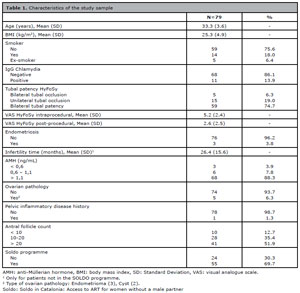
Table 1. Characteristics of the study sample
In the bivariate analysis, the two groups analysed were comparable in terms of confounding factors. No statistically significant associations were found between tubal patency and the variables under study. Chlamydia IgG seropositivity was detected in 25.0% of patients with tubal occlusion versus 10.2% among those with bilateral patency (Table 2).
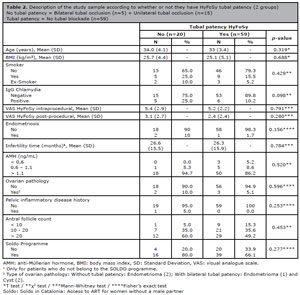
Table 2. Description of the study sample according to whether or not they have HyFoSy tubal patency (2 groups) No tubal patency = Bilateral tubal occlusion (n=5) + Unilateral tubal occlusion (n=15) Tubal patency = No tubal blockade (n=59)
Among patients with positive Chlamydia serology, the rate of tubal occlusion was 45.5%, compared to 22.1% among those with negative serology (Table 3). In the multivariate logistic regression model, this association did not reach statistical significance (OR 2.94, 95% CI [0.79, 11.00]; χ2 test, p-value 0.098) (Table 3). Testing Chlamydia IgG serology showed high specificity (90%) and negative predictive value (78%) for tubal occlusion (Table 3).
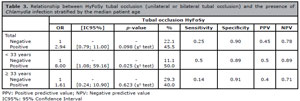
Table 3. Relationship between HyFoSy tubal occlusion (unilateral or bilateral tubal occlusion) and the presence of Chlamydia infection stratified by the median patient age.5 0.89 0.5 0.89 ≥ 33 yearsNegativePositive 11.61 -[0.24; 10.90] -0.623 (χ2 test) 29.340.0 0.14 0.91 0.4 0.71 PPV: Positive predictive value; NPV: Negative predictive valueIC95%: 95% Confidence Interval
Patients were stratified by the median age (33 years), as age was a confounding variable. Among women under 33 years, the association between Chlamydia infection history and tubal occlusion was statistically significant. Tubal occlusion was observed in 50.0% of Chlamydia-positive patients, compared to 11.1% in those with negative serology, (OR 8.00, 95% CI [1.08-59.16]; χ2 test, p-value 0.025) (Table 3, Figure 1). However, this subgroup included a limited number of seropositive cases, resulting in wide confidence intervals that should be interpreted with caution. No statistically significant differences were observed in patients aged 33 years or older (OR 1.61, 95% CI [0.24; 10.90]; χ2 test, p-value 0.623).
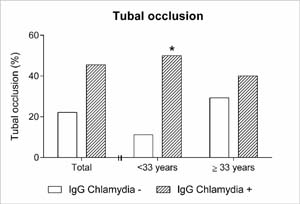
Figure 1. Relationship between HyFoSy tubal occlusion (unilateral or bilateral tubal occlusion) and Chlamydia infection history, stratified by patient age. χ2 test, * p-value < 0.05.
Total sample size: n=79 (n=11 IgG-positive; n=68 IgG-negative).
Sample size <33 years subgroup: n=33 (n=6 IgG-positive; n=27 IgG-negative).
Sample size ≥33 years subgroup: n=46 (n=5 IgG-positive; n=41 IgG-negative).
Note: The number of IgG-positive cases in each subgroup was small, resulting in wide confidence intervals; results should therefore be interpreted with caution.
DISCUSSION
Our findings indicate a potential association between Chlamydia IgG seropositivity and a higher frequency of tubal patency impairment, particularly in women under the age of 33, where the association reached statistical significance.
At present, there are no published studies associating HyCoSy or HyFoSy-non-invasive tests that assess tubal patency-with a history of Chlamydia trachomatis infection, one of the main causes of tubal involvement. To the best of our knowledge, this is the first study to explore this relationship using HyFoSy as the diagnostic method. While tubal damage resulting from Chlamydia infection is well documented, previous research has primarily relied on laparoscopy or HSG for its detection (Hiroi et al., 2007; Morhason-Bello et al., 2014).
Several clinical guidelines recommend Chlamydia trachomatis IgG serology as a first-line screening tool in infertility evaluations. In cases of seropositivity, diagnostic laparoscopy with chromopertubation is often indicated, bypassing HSG or ultrasound-based methods (Lim et al., 2011).
When used alone, Chlamydia IgG serology shows a sensitivity between 45-74% and specificity between 83-93% for detecting tubal pathology (Keltz et al., 2006; Perquin et al., 2007). While the positive predictive value (PPV) may be as high as 94%, the lower negative predictive value (NPV) of 70% limits its usefulness as a standalone tool and supports the need for complementary imaging (Keltz et al., 2006). The diagnostic performance of Chlamydia IgG serology improves when combined with HSG. Keltz et al. (2006) reported an increase in sensitivity from 78% to 97% when both tests were used, with laparoscopy as the reference standard. Similarly, Broeze et al. (2012) reported that the combined use of HSG and serology yielded the highest diagnostic performance. Other studies have reported Chlamydia IgG serology to present slightly lower PPVs (32-63%) and higher NPVs (74-90%) when tubal pathology was determined by laparoscopy (van Ess et al., 2019). Additionally, patients with laparoscopically confirmed tubal disease test positive for Chlamydia IgG in up to 40% of cases (Keltz et al., 2006; Perquin et al., 2007). IgG seropositivity reflects previous exposure rather than active infection, and does not necessarily correlate with the presence or severity of tubal damage. Therefore, positive serology should be interpreted with caution and in conjunction with complementary imaging or clinical findings.
However, some authors argue that both HSG and Chlamydia IgG offer similar diagnostic value, with low predictive power overall, and prefer serology due to its non-invasive nature and lower cost (den Hartog et al., 2008; Perquin et al., 2007). Moreover, even when HSG is normal, seropositive patients still show a 43% chance of having tubal damage confirmed by laparoscopy (Hiroi et al., 2007).
In patients with positive Chlamydia IgG, HSG may pose a higher risk of post-procedural complications, mainly infection-estimated at around 10%-while these risks have not been described with HyCoSy in seropositive patients. For seronegative patients, HyCoSy is often recommended as the preferred non-invasive method for evaluating tubal patency (Lim et al., 2011). HyCoSy is better tolerated than HSG, with a lower rate of severe intraprocedural pain (Boned-López et al., 2021), and does not require ionising radiation or iodinated contrast, making it more accessible and better tolerated overall (Ramos et al., 2021; 2022; van Rijswijk et al., 2018).
Additionally, HyCoSy provides higher-resolution assessment of the uterine cavity and adnexa compared to basic transvaginal ultrasound. When foam is used as the contrast medium-known as HyFoSy-diagnostic accuracy improves significantly, with sensitivity and specificity equal to or greater than those of HyCoSy (Exalto & Emanuel, 2019; Lim et al., 2015). In the present study, the mean immediate post-procedural pain score reported for HyFoSy was 2.6 on the VAS scale, consistent with previous findings and supporting its excellent tolerability in routine clinical settings (Boned-López et al., 2021).
The presence of Chlamydia trachomatis IgG antibodies has been associated with reduced reproductive outcomes. Seropositive patients have lower rates of spontaneous pregnancy (RR 0.65) and live birth (RR 0.59) compared to seronegative patients (Steiner et al., 2015). Other studies have reported a 33% to 57% reduction in spontaneous conception rates among seropositive women, along with a higher prevalence of tubal pathology on HSG (37.5% vs. 10.1%) and higher rates of tubal damage confirmed by laparoscopy (86% vs. 49%) (Coppus et al., 2011).
Chlamydia IgG seropositivity has also been linked to poorer outcomes in in vitro fertilization (IVF) and higher miscarriage rates, although findings are not consistent across studies (Keltz et al., 2006; 2013). In clinical practice, the coexistence of tubal pathology on HSG and positive Chlamydia serology is considered a sufficient indication to proceed directly to IVF, without requiring laparoscopic confirmation-except in cases with hydrosalpinx, where salpingectomy may be indicated (Lim et al., 2011).
The study population was homogeneous, comprising women of reproductive age with preserved ovarian reserve and favourable baseline fertility indicators. A higher incidence of tubal factor infertility was observed among patients with positive Chlamydia trachomatis IgG serology, reinforcing the association between prior infection and tubal damage. This association was particularly evident in younger patients, consistent with previous studies linking Chlamydia primoinfection before the age of 20 to an increased risk of tubal pathology and infertility (Hoenderboom et al., 2019).
Given its accuracy, non-invasiveness, and good tolerability, HyFoSy is increasingly being adopted as the first-line modality in the evaluation of tubal patency during infertility workups. Its widespread use may facilitate earlier detection of tubal involvement, especially in high-risk groups such as women with a history of Chlamydia infection.
This study presents several strengths. All patients underwent standardized diagnostic procedures, including blinded evaluation of tubal patency by experienced specialists, which reduces the risk of observer bias. The use of Chlamydia trachomatis IgG serology as a screening tool offers a simple, inexpensive, and non-invasive method that can be readily implemented in routine infertility assessments. Moreover, this is the first study to explore the association between Chlamydia IgG seropositivity and tubal patency as assessed by HyFoSy-a non-invasive technique that is increasingly being adopted as the first-line method for evaluating tubal status-thus contributing novel insights to the field of reproductive medicine.
The main limitations of this pilot study include its retrospective design and the potential for selection bias inherent to single-centre recruitment. These factors, together with the relatively small sample size, may restrict the statistical power and limit the generalizability of the findings to broader populations and clinical settings. Another important limitation is the absence of confirmatory diagnosis through invasive methods such as laparoscopy, which remains the gold standard for detecting tubal pathology. Furthermore, tubal patency was assessed exclusively using HyFoSy, whose sensitivity and specificity, although high, may be lower than those of laparoscopy with chromopertubation, potentially influencing the observed results. These limitations should be considered when interpreting the results, which require validation through larger prospective multicentric studies.
Although adhesions secondary to Chlamydia infection can affect fertility, this parameter was not evaluated in the present study. HyFoSy does not allow direct visualization of peritoneal adhesions, and potential indirect signs were not systematically collected. This constitutes an additional methodological limitation. While the HyFoSy process does not specifically address this issue, the test can still be useful in identifying it in certain cases.
Despite growing evidence supporting the utility of Chlamydia trachomatis IgG serology in infertility screening, its routine implementation remains limited, possibly due to the stigma associated with sexually transmitted infections (Keltz et al., 2006). The present findings support the inclusion of Chlamydia IgG testing in the infertility work-up of young women, particularly those at higher risk of prior asymptomatic infection. However, it is important to note that serological testing cannot replace imaging-based assessment of tubal patency. Its predictive performance for detecting clinically significant tubal pathology remains modest, and its clinical impact in isolation is therefore limited. In addition, the introduction of routine serology implies additional cost and resource use, which may restrict its application to selected patient populations where risk of prior infection is high. Consequently, Chlamydia serology should be viewed as a complementary rather than a primary screening tool within infertility evaluation protocols.
HyFoSy has become a preferred first-line diagnostic tool for assessing tubal patency, owing to its effectiveness, ease of performance, and favourable tolerability profile (Bohîlţea et al., 2022; Grigovich et al., 2021; Kowalczyk et al., 2021; Rodríguez Pérez et al., 2022; Rajesh et al., 2016). Its application in clinical practice spans over a decade, with multiple studies validating its diagnostic value (Emanuel et al., 2009). When combined with three-dimensional transvaginal ultrasound, HyFoSy enables comprehensive evaluation of uterine, ovarian, and tubal structures in a single session. This integrated approach-commonly referred to as the “one-stop fertility scan”-is minimally invasive, safe, time-efficient, and facilitates earlier initiation of assisted reproductive treatments, potentially shortening time to pregnancy (Kowalczyk et al., 2021; Levaillant et al., 2019; Zajicek et al., 2022). Notably, the addition of 3D/4D imaging does not appear to significantly enhance diagnostic accuracy (Alcázar et al., 2022; Exalto & Emanuel, 2019).
While several studies have demonstrated an association between Chlamydia trachomatis infection and tubal factor infertility using HSG with iodinated contrast, there is currently a lack of evidence evaluating this relationship using foam-based ultrasound techniques such as HyFoSy. Given the increasing use of HyFoSy as a first-line diagnostic modality in infertility workups, establishing its association with serological evidence of prior Chlamydia infection may offer valuable insiamyghts for improving clinical decision-making.
The present findings may suggest a possible change in clinical considerations regarding the use of artificial insemination by husband (AIH) in women with bilateral tubal patency confirmed by HyFoSy but who test positive for Chlamydia IgG. In such cases, earlier consideration of IVF could be explored, as positive serology may reflect underlying subclinical tubal dysfunction not detected by imaging alone. This hypothesis remains speculative and warrants further investigation in prospective studies. We can also consider offering laparoscopy as a treatment for tubal occlusion, as it is an alternative that has been described with good pregnancy outcomes (Watrelot & Chauvin, 2011; Watrelot & Guan, 2021).
In conclusion, this study suggests a potential relevance of Chlamydia trachomatis IgG seropositivity and impaired tubal patency, as a complementary tool in the assessment of tubal factor infertility, particularly in younger women. Integrating serological findings with non-invasive imaging techniques like HyFoSy could contribute to optimize reproductive planning and treatment strategies in clinical practice. However, the retrospective nature of this study precludes establishing causality, and further prospective research is required to confirm these findings.
CONCLUSIONS
A potential association was observed between Chlamydia trachomatis IgG seropositivity and impaired tubal patency as assessed by HyFoSy. This association reached statistical significance in women under 33 years of age, suggesting that prior Chlamydia infection may be associated with a higher risk of tubal occlusion in younger patients. These findings would support the role of Chlamydia infection as a contributing factor to tubal infertility. Further studies are needed to confirm these results and to evaluate the impact of past Chlamydia infection on the selection and outcomes of assisted reproductive techniques.
ETHICAL AND LEGAL ISSUESThis study does not present any ethical or legal conflicts.REFERENCES
Alcázar JL, Martinez A, Duarte M, Welly A, Marín A, Calle A, Garrido R, Pascual MA, Guerriero S. Two-dimensional hysterosalpingo-contrast sonography compared to three/four-dimensional hysterosalpingo-contrast sonography for the assessment of tubal occlusion in women with infertility/subfertility: a systematic review with meta-analysis. Hum Fertil (Camb). 2022;25:43-55. PMID: 32484066 DOI: 10.1080/14647273.2020.1769204 Medline
Bohîlţea RE, Mihai BM, Stănică CD, Gheorghe CM, Berceanu C, Dima V, Bohîlţea AT, Neagu S, Vlădăreanu R. Technical tips and tricks after 10 years of HyFoSy for tubal patency testing. J Clin Med. 2022;11:5946. PMID: 36233813 DOI: 10.3390/jcm11195946 Medline
Boned-López J, Alcázar JL, Errasti T, Ruiz-Zambrana A, Rodriguez I, Pascual MA, Guerriero S. Severe pain during hysterosalpingo-contrast sonography (HyCoSy): a systematic review and meta-analysis. Arch Gynecol Obstet. 2021;304:1389-98. PMID: 34417840 DOI: 10.1007/s00404-021-06188-3 Medline
Broeze KA, Opmeer BC, Coppus SF, Van Geloven N, Den Hartog JE, Land JA, Van der Linden PJ, Ng EH, Van der Steeg JW, Steures P, Van der Veen F, Mol BW. Integration of patient characteristics and the results of Chlamydia antibody testing and hysterosalpingography in the diagnosis of tubal pathology: an individual patient data meta-analysis. Hum Reprod. 2012;27:2979-90. PMID: 22851718 DOI: 10.1093/humrep/des281 Medline
Coppus SF, Land JA, Opmeer BC, Steures P, Eijkemans MJ, Hompes PG, Bossuyt PM, van der Veen F, Mol BW, van der Steeg JW. Chlamydia trachomatis IgG seropositivity is associated with lower natural conception rates in ovulatory subfertile women without visible tubal pathology. Hum Reprod. 2011;26:3061-7. PMID: 21926058 DOI: 10.1093/humrep/der307 Medline
den Hartog JE, Lardenoije CMJG, Severens JL, Land JA, Evers JLH, Kessels AGH. Screening strategies for tubal factor subfertility. Hum Reprod. 2008;23:1840-8. PMID: 18579509 DOI: 10.1093/humrep/den237 Medline
Dessole S, Farina M, Rubattu G, Cosmi E, Ambrosini G, Nardelli GB. Side effects and complications of sonohysterosalpingography. Fertil Steril. 2003;80:620-4. PMID: 12969709 DOI: 10.1016/s0015-0282(03)00791-x Medline
Exalto N, Emanuel MH. Clinical aspects of HyFoSy as tubal patency test in subfertility workup. Biomed Res Int. 2019;2019:4827376. PMID: 31360713 DOI: 10.1155/2019/4827376 Medline
Fiddelers AA, Land JA, Voss G, Kessels AG, Severens JL. Cost-effectiveness of Chlamydia antibody tests in subfertile women. Hum Reprod. 2005;20:425-32. PMID: 15539437 DOI: 10.1093/humrep/deh608 Medline
Grigovich M, Kacharia VS, Bharwani N, Hemingway A, Mijatovic V, Rodgers SK. Evaluating fallopian tube patency: what the radiologist needs to know. Radiographics. 2021;41:1876-96. PMID: 34597232 DOI: 10.1148/rg.2021210033 Medline
Hiroi H, Fujiwara T, Nakazawa M, Osuga Y, Momoeda M, Kugu K, Yano T, Tsutsumi O, Taketani Y. High incidence of tubal dysfunction is determined by laparoscopy in cases with positive Chlamydia trachomatis antibody despite negative findings on prior hysterosalpingography. Reprod Med Biol. 2007;6:39-43. PMID: 29657552 DOI: 10.1111/j.1447-0578.2007.00163.x Medline
Hoenderboom BM, van Benthem BHB, van Bergen JEAM, Dukers-Muijrers NHTM, Götz HM, Hoebe CJPA, Hogewoning AA, Land JA, van der Sande MAB, Morré SA, van den Broek IVF. Relation between Chlamydia trachomatis infection and pelvic inflammatory disease, ectopic pregnancy and tubal factor infertility in a Dutch cohort of women previously tested for chlamydia in a chlamydia screening trial. Sex Transm Infect. 2019;95:300-6. PMID: 30606817 DOI: 10.1136/sextrans-2018-053778 Medline
Keltz MD, Gera PS, Moustakis M. Chlamydia serology screening in infertility patients. Fertil Steril. 2006;85:752-4. PMID: 16500355 DOI: 10.1016/j.fertnstert.2005.08.029 Medline
Keltz MD, Sauerbrun-Cutler MT, Durante MS, Moshier E, Stein DE, Gonzales E. Positive Chlamydia trachomatis serology result in women seeking care for infertility is a negative prognosticator for intrauterine pregnancy. Sex Transm Dis. 2013;40:842-5. PMID: 24113404 DOI: 10.1097/OLQ.0000000000000035 Medline
Kowalczyk K, Kowalczyk D, Klimek M, Sateja M, Kowalczyk K, Franik G, Madej P. A comprehensive use of ultrasound examination in infertility workup. Ginekol Pol. 2021;29. PMID: 33914311 DOI: 10.5603/GP.a2021.0086 Medline
Levaillant JM, Pasquier M, Massin N. A novel concept for female infertility exploration: the Fertiliscan©, a dedicated all-in-one 3D ultrasound exploration. J Gynecol Obstet Hum Reprod. 2019;48:363-7. PMID: 30690086 DOI: 10.1016/j.jogoh.2019.01.008 Medline
Levaillant JM, Rabourdin A, Pinto M, Hurteloup E, Vernet T, Pasquier M, Moquet PY, Massin N. HyFoSy for fallopian tube test, the how: sonographic signs and standardization with a simple classification. J Gynecol Obstet Hum Reprod. 2022;51:102307. PMID: 34986385 DOI: 10.1016/j.jogoh.2021.102307 Medline
Lim CP, Hasafa Z, Bhattacharya S, Maheshwari A. Should a hysterosalpingogram be a first-line investigation to diagnose female tubal subfertility in the modern subfertility workup? Hum Reprod. 2011;26:967-71. PMID: 21357604 DOI: 10.1093/humrep/der046 Medline
Lim SL, Jung JJ, Yu SL, Rajesh H. A comparison of hysterosalpingo-foam sonography (HyFoSy) and hysterosalpingo-contrast sonography with saline medium (HyCoSy) in the assessment of tubal patency. Eur J Obstet Gynecol Reprod Biol. 2015;195:168-72. PMID: 26547487 DOI: 10.1016/j.ejogrb.2015.10.008 Medline
Morhason-Bello I, Ojengbede O, Oladokun A, Adedokun B, Ajayi A, Adeyanju A, Ogundepo O, Kareem O. The prevalence and outcome of asymptomatic chlamydial infection screening among infertile women attending gynecological clinic in Ibadan, South West Nigeria. Ann Med Health Sci Res. 2014;4:253-7. PMID: 24761248 DOI: 10.4103/2141-9248.129057 Medline
Perquin DA, Beersma MF, de Craen AJ, Helmerhorst FM. The value of Chlamydia trachomatis-specific IgG antibody testing and hysterosalpingography for predicting tubal pathology and occurrence of pregnancy. Fertil Steril. 2007;88:224-6. PMID: 17296194 DOI: 10.1016/j.fertnstert.2006.11.078 Medline
Rajesh H, Lim SL, Yu SL. Hysterosalpingo-foam sonography: patient selection and perspectives. Int J Womens Health. 2016;9:23-32. PMID: 28096695 DOI: 10.2147/IJWH.S123710 Medline
Ramos J, Caligara C, Santamaría-López E, González-Ravina C, Prados N, Carranza F, Blasco V, Fernández-Sánchez M. Diagnostic accuracy study comparing hysterosalpingo-foam sonography and hysterosalpingography for fallopian tube patency assessment. J Clin Med. 2021;10:4169. PMID: 34575278 DOI: 10.3390/jcm10184169 Medline
Ramos J, Pellicer N, Fernández-Sánchez M. Hysterosalpingography is obsolete: hysterosalpingo-contrast foam sonography should be the alternative. Reprod Biomed Online. 2022;45:839-42. PMID: 35842356 DOI: 10.1016/j.rbmo.2022.05.021 Medline
Steiner AZ, Diamond MP, Legro RS, Schlaff WD, Barnhart KT, Casson PR, Christman GM, Alvero R, Hansen KR, Geisler WM, Thomas T, Santoro N, Zhang H, Eisenberg E; Reproductive Medicine Network. Chlamydia trachomatis immunoglobulin G3 seropositivity is a predictor of reproductive outcomes in infertile women with patent fallopian tubes. Fertil Steril. 2015;104:1522-6. PMID: 26413816 DOI: 10.1016/j.fertnstert.2015.08.022 Medline
van Ess EF, Eck-Hauer A, Land JA, Morré SA, Ouburg S. Combining individual Chlamydia trachomatis IgG antibodies MOMP, TARP, CPAF, OMP2, and HSP60 for tubal factor infertility prediction. Am J Reprod Immunol. 2019;81:e13091. PMID: 30629310 DOI: 10.1111/aji.13091 Medline
van Rijswijk J, van Welie N, Dreyer K, van Hooff MHA, de Bruin JP, Verhoeve HR, Mol F, Kleiman-Broeze KA, Traas MAF, Muijsers GJJM, Manger AP, Gianotten J, de Koning CH, Koning AMH, Bayram N, van der Ham DP, Vrouenraets FPJM, Kalafusova M, van de Laar BIG, Kaijser J, et al. The FOAM study: is hysterosalpingo foam sonography (HyFoSy) a cost-effective alternative for hysterosalpingography (HSG) in assessing tubal patency in subfertile women? Study protocol for a randomized controlled trial. BMC Womens Health. 2018;18:64. PMID: 29743106 DOI: 10.1186/s12905-018-0556-6 Medline
Watrelot A, Chauvin G. Current practice in tubal surgery and adhesion management: a review. Reprod Biomed Online. 2011;23:53-62. PMID: 21550854 DOI: 10.1016/j.rbmo.2011.03.018 Medline
Zajicek M, Kassif E, Weisz B, Berkovitz Shperling R, Lipitz S, Weissbach T, Barzilay E, Orvieto R, Haas J. “One-stop shop” for the evaluation of the infertile patient: hystero-salpingo foam sonography combined with twoand three-dimensional ultrasound and sonohysterography. J Obstet Gynaecol. 2022;42:670-4. PMID: 34448669 DOI: 10.1080/01443615.2021.1929113 Medline