JBRA Assist. Reprod. 2026 2026;00(0):00-00
ORIGINAL ARTICLE
doi: 10.5935/1518-0557.20260068
Optimizing ovarian stimulation in oocyte donation: exploratory comparison of rhFSH (2:1) versus hp-hMG under PPOS protocols
1Grupo PRANOR, Lima, Peru
2Clínica Concebir, Lima, Peru
CONFLICT OF INTERESTS
ABSTRACT
Objective: To describe embryological outcomes in oocyte donors undergoing progesterone-primed ovarian stimulation (PPOS) with either recombinant human follicle-stimulating hormone (rhFSH): recombinant human luteinizing hormone (rhLH) (2:1) or highly purified human menopausal gonadotropin (hp-hMG).
Methods: Young, healthy donors began PPOS on cycle day 2 and were sequentially allocated into an observational case series study. Donors receive either rhFSH:rhLH (2:1) or hp-hMG (both at 225IU/day; n=26 and n=10 donor cycles, respectively). Final oocyte maturation was triggered with triptorelin 0.2 mg. Retrieved oocytes were fertilized by ICSI, and embryos were cultured to the blastocyst stage and graded. A subset of blastocysts underwent PGT-A biopsy prior to vitrification. The oocyte retrieval team and embryologists were blinded to treatment allocation.
Results: Baseline donor characteristics were similar. Donor cycles allocated to rhFSH:rhLH showed numerically higher oocyte yield, metaphase II oocytes, 2PN fertilization, and total blastocyst formation. The mean number of good-morphology blastocysts per cycle was approximately two-fold higher with rhFSH:rhLH (4.5 vs. 2.0). Following an interim descriptive review of the first ten hp-hMG cases showing suboptimal embryological outcomes, further allocation to hp-hMG was discontinued as a programmatic decision. No inferential statistical testing was performed, consistent with the exploratory case series.
Conclusion: In this exploratory case series, rhFSH:rhLH within PPOS demonstrated more favorable laboratory outcomes. These results generate hypotheses and support the need for further studies to confirm the observations and determine their clinical relevance in oocyte donation programs.
Keywords: progesterone-primed ovarian stimulation, PPOS, oocyte donation, recombinant FSH, recombinant LH, highly purified hMG, blastocyst, PGT-A
INTRODUCTION
Oocyte donation programs use controlled ovarian stimulation to maximize the number of mature oocytes available for fertilization and embryo development. In this context, laboratory endpoints such as oocyte yield, metaphase II (MII) rates, fertilization rates, blastocyst development rates, and blastocyst morphology are key indicators of efficiency and are commonly used to evaluate the performance of donor programs (ESHRE Guideline Group on Ovarian Stimulation, 2020).
The widespread adoption of vitrification has supported freeze-all strategies and increased logistical flexibility for donors and recipients (Practice Committee of the American Society for Reproductive Medicine, 2021). Within this context, progesterone-primed ovarian stimulation (PPOS) has emerged as an alternative approach to prevent premature luteinizing hormone (LH) surges. This approach involves the administration of oral progestins during stimulation (La Marca & Capuzzo, 2019; Devesa et al., 2022). Because PPOS requires cryopreservation, it aligns well with oocyte donation workflows in which vitrification is routinely incorporated. In donor settings, available clinical data support the feasibility of PPOS, with recipient outcomes remaining comparable when vitrified oocytes derived from PPOS cycles are used (Giles et al., 2021; Devesa et al., 2022).
Beyond the suppression strategy, the choice of gonadotropin preparation can affect follicular development and oocyte competence, which can impact embryological outcomes. Highly purified human menopausal gonadotropin (hp-hMG) provides follicle-stimulating hormone (FSH) activity, as well as luteinizing hormone (LH) activity, which is largely mediated by human chorionic gonadotropin (hCG). In contrast, recombinant preparations deliver recombinant FSH and recombinant LH as distinct molecules at a fixed ratio (Martinez et al., 2021; Alviggi et al., 2025). Although LH and hCG bind to the same receptor, their signaling dynamics and the duration of receptor activation may differ. These differences can influence steroidogenesis, follicular synchronization, and oocyte maturation (Casarini et al., 2018; Alviggi et al., 2025). However, evidence remains mixed regarding the optimal gonadotropin regimen across clinical contexts, and data specifically focused on healthy oocyte donors undergoing PPOS are limited (La Marca & Capuzzo, 2019; Martinez et al., 2021).
Given this uncertainty and the routine clinical use of both regimens, this exploratory prospective case series aimed to describe ovarian stimulation and embryological outcomes in healthy volunteer oocyte donors undergoing PPOS using either recombinant FSH:recombinant LH in a fixed 2:1 ratio or hp-hMG. Outcomes of interest included oocyte yield, MII oocytes, fertilization (2PN), blastocyst development and morphology, and euploidy rates among biopsied blastocysts when performed.
MATERIALS AND METHODS
Study Design and Participants
This single-center, prospective, observational case series descriptively evaluated outcomes associated with two ovarian stimulation regimens implemented within a PPOS protocol in healthy volunteer oocyte donors. The study was approved by the local institutional ethics committee, and all donors provided written informed consent prior to participation. Donors underwent standard medical and psychological screening prior to enrollment. Donors were eligible if they were 18-30 years of age, had regular menstrual cycles, anti-Müllerian hormone (AMH) >2 ng/mL, antral follicle count (AFC) >10, and body mass index (BMI) 18-27 kg/m2. Additional eligibility criteria included a normal karyotype (46,XX) and no history of ovarian dysfunction, genetic abnormalities, or chronic systemic disease. Exclusion criteria included prior ovarian surgery, previous poor response to ovarian stimulation, or contraindications to study medications.
Protocol Assignment
This prospective observational case series was designed to descriptively characterize outcomes associated with two ovarian stimulation regimens used during PPOS. A total of 36 donors were included (rhFSH:rhLH, n=26; hp-hMG, n=10). Following eligibility screening and pre-cycle clinical evaluation, all qualified donors were considered suitable for either regimen without further restriction. On cycle day 2, donors were pragmatically and sequentially allocated by order of arrival using a centralized Excel log maintained by a designated healthcare staff member who was not part of the clinical monitoring team and did not perform any clinical assessment at the time of allocation. Donors received a fixed daily dose of 225IU/day of either recombinant FSH: recombinant LH in a fixed 2:1 ratio (Pergoveris®, Merck Serono, Geneva, Switzerland) or highly purified human menopausal gonadotropin (hp-hMG) (Menopur®, Ferring Pharmaceuticals, Saint-Prex, Switzerland). Dose adjustments were not permitted during stimulation. Each donor contributed a single cycle and received only one regimen; no crossover occurred. No randomization, stratification, or matching procedures were applied, consistent with the observational design. Enrollment into the hp-hMG arm was discontinued after an interim descriptive review with unblinding.
Ovarian Monitoring and Co-interventions
All donors received the same co-interventions and underwent a standardized clinical and laboratory workflow. Pituitary suppression was achieved with oral progesterone 200 mg/day, initiated on cycle day 2 concurrently with gonadotropin administration and continued daily until the day of trigger, consistent with standard PPOS practice. Ovarian response was monitored exclusively by transvaginal ultrasound. Ultrasound assessments were performed on cycle day 2, repeated on cycle day 5-6, and then every 1-3 days until trigger. Follicular development (number and mean diameter of follicles) and endometrial thickness were recorded at each monitoring visit. The monitoring physicians were aware of the assigned regimen but were not permitted to modify gonadotropin doses.Final oocyte maturation was triggered with a single dose of triptorelin 0.2 mg (Gonapeptyl Daily®, Ferring Pharmaceuticals, Saint-Prex, Switzerland) in all cycles. Trigger was administered when at least three follicles reached a mean diameter of 17 mm or greater. Oocyte retrieval was performed 36 hours after trigger administration using a standardized technique, including the same anesthesia approach and procedural workflow across cycles.All oocytes underwent intracytoplasmic sperm injection (ICSI), and embryo culture, morphological grading, biopsy when performed, and vitrification followed the same laboratory procedures and criteria throughout the study, irrespective of stimulation regimen.
Blinding Strategy, Interim Review, and Data Inclusion
To minimize bias, the oocyte retrieval team and the embryology laboratory staff remained blinded to regimen allocation throughout oocyte handling, intracytoplasmic sperm injection (ICSI), embryo culture, morphological assessment, biopsy when performed, and vitrification. Blastocyst morphology was therefore assessed without knowledge of the stimulation regimen. Key quantitative outcomes, including the numbers of oocytes retrieved, metaphase II oocytes, and blastocysts obtained, were recorded prospectively according to predefined laboratory criteria.After completion of the first ten hp-hMG cycles, an interim descriptive review was undertaken. Unblinding was restricted to a single investigator who was not part of the blinded operational teams and was performed solely to support an internal programmatic decision regarding further protocol allocation. During the study, some donor cycles produced a lower-than-usual number of oocytes for recipient allocation and therefore required the use of additional oocytes that had been previously vitrified and subsequently warmed from prior donor cycles to reach the program’s usual target range per recipient; all cycles requiring additional oocytes occurred in the hp-hMG arm. Based on the repeated need to use additional oocytes, together with consistently unfavorable laboratory outcomes in the hp-hMG arm, further allocation to hp-hMG was discontinued as a programmatic decision. No hypothesis testing or inferential statistical analyses were performed as part of this interim review.Importantly, only fresh oocytes retrieved from the index donor cycle and their downstream outcomes were included in the analyses and tables. Any additional vitrified-warmed oocytes used for clinical completion, and any embryos derived from those oocytes, were not included in the reported study outcomes. To avoid denominator ambiguity, outcomes are described at the level used in each table (donor-cycle vs. recipient allocation/batch), without attempting statistical adjustment or pooling across levels.
Embryological Procedures
All oocytes underwent intracytoplasmic sperm injection (ICSI). No cycles involved severe male factor infertility; ICSI was performed as the program’s standard protocol. Resulting zygotes were cultured individually in 25 µL microdrops of Global Total-LP® medium (Cooper Surgical, USA) under mineral oil at 37°C in a controlled atmosphere (7% CO2, 5% O2, 88% N2) until the blastocyst stage (day 5 or 6), as described by Sepúlveda et al. (2009).Blastocysts were graded at the time of day 5/6 assessment according to the Society for Assisted Reproductive Technology (SART) classification by two senior embryologists who were blinded to stimulation regimen allocation (Heitmann et al., 2013). For analysis, blastocysts were grouped using a simplified SART-based categorization derived from inner cell mass (ICM) and trophectoderm (TE) grades. “SART good” was defined as ICM grade A with TE grade A or B (AA or AB).When requested by recipients, a subset of blastocysts underwent preimplantation genetic testing for aneuploidy (PGT-A) by next-generation sequencing (NGS); euploidy outcomes are reported only for biopsied blastocysts. For PGT-A cycles, laser-assisted hatching was performed on day 4 (Lykos; Hamilton Thorne, Beverly, MA, USA) according to the standard laboratory protocol. Trophectoderm biopsy was performed at the blastocyst stage on day 5 or 6. Biopsied trophectoderm cells were handled according to the genetics laboratory requirements and submitted for NGS analysis. All blastocysts were vitrified after grading and, when applicable, biopsy, using the standard laboratory protocol.
Statistical Analysis
This study employed a purely descriptive analytical approach, consistent with its prospective observational case series design. Given the exploratory and descriptive nature of this case series, formal hypotheses were not predefined, and consequently, power calculations were not applicable nor performed, as the study’s objective was not to test statistical significance or draw inferential conclusions. The analysis was therefore not intended to support inferential or comparative conclusions. Continuous variables were summarized using mean ± standard deviation (SD) or median with interquartile range (IQR), as appropriate based on data distribution, while categorical variables were reported as counts and percentages. No hypothesis testing, confidence interval estimation, or inferential statistical analyses were conducted, and no adjustments for potential confounding variables were performed. Although a descriptive comparison between stimulation regimens was initially contemplated, the early discontinuation of the hp-hMG arm due to consistently unfavorable embryological outcomes resulted in small and imbalanced group sizes, precluding any comparative or confirmatory statistical evaluation. Consequently, all results are presented descriptively and should be interpreted as exploratory and hypothesis-generating only. All data summaries were generated usingIBM SPSS Statistics (IBM Corp., Armonk, NY, USA). Summaries were generated separately by table-specific denominators (donor cycles vs recipient allocations/batches), without cross-level aggregation.
Ethical Approval
The study was conducted in accordance with institutional ethical standards and applicable regulatory requirements, within a prospective observational framework. The study protocol was reviewed and approved by the local Institutional Ethics Committee. All participants provided written informed consent after receiving appropriate counseling regarding the study procedures, potential risks, and alternatives. Informed consent was obtained by the principal investigator or a trained delegated team member and documented via handwritten or electronic signature, in accordance with established guidance on the use of electronic informed consent. Each participant received a copy of the signed consent form for their records.
RESULTS
A total of 36 healthy oocyte donor cycles undergoing progesterone-primed ovarian stimulation (PPOS) were included. Twenty-six cycles were allocated to recombinant FSH plus recombinant LH (rhFSH:rhLH, 2:1), and ten cycles were allocated to highly purified hMG (hp-hMG). Recipient data are shown for context to reflect routine allocation workflows; embryological outcomes are summarized per donor cycle.
Baseline donor characteristics
Donor baseline characteristics were similar between groups (Table 1). Mean donor age was 24 years in both groups. Mean AMH was 4.28 ng/mL in the rhFSH:rhLH group and 4.0ng/mL in the hp-hMG group, and mean BMI (body mass index) was 22.8kg/m2 and 23.1kg/m2, respectively.
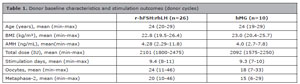
Table 1. Donor baseline characteristics and stimulation outcomes (donor cycles)
Values are summarized per donor cycle
Ovarian Stimulation protocol parameters
Key ovarian stimulation parameters, including the mean total gonadotropin dose and the duration of stimulation, were similar between the two regimens, as shown in the descriptive assessment presented in Table 1. The mean total gonadotropin dose was 2,101IU for the rhFSH: rhLH group and 2,092IU for the hp-hMG group. The mean stimulation duration was 9.4 and 9.3 days, respectively.
Ovarian Stimulation Results
The results of ovarian stimulation are presented descriptively in Table 1. Donors who received rhFSH:rhLH had a mean number of 24 oocytes retrieved (range: 11-46) and 20 oocytes in metaphase II (range: 10-46) compared to 18 oocytes (range 7-33) and 15 oocytes in metaphase II (range: 6-29). Due to the descriptive nature of the study no hypothesis was tested.
Baseline Characteristics of Oocyte Recipients
The baseline characteristics of oocyte recipients are presented in Table 2 for contextual purposes. Mean recipient age was 43 years in the rhFSH:rhLH group and 40 years in the hp-hMG group, and mean BMI was 26.7 and 26.4kg/m2, respectively. The most common indication for oocyte donation was diminished ovarian reserve.

Table 2. Baseline characteristics of oocyte recipients (contextual)
n refers to recipients (allocations), not donor cycles.
In Vitro Fertilization (IVF) Outcomes
IVF and laboratory outcomes are presented descriptively in Table 3. Mean numbers of oocytes inseminated, normally fertilized zygotes (2PN), and blastocysts are shown in Table 3 and were 12.1, 10.4, and 7.7 in the rhFSH:rhLH group, and 9.9, 7.6, and 4.6 in the hp-hMG group, respectively. The mean number of SART “good” blastocysts per cycle was 4.5 in the rhFSH:rhLH group and 2.0 in the hp-hMG group (Table 3). Blastocyst utilization rates were 59% (167/282) and 64% (50/78), respectively. PGT-A outcomes are reported only for the subset of biopsied blastocysts/cycles (Table 3).
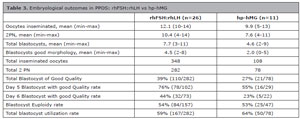
Table 3. Embryological outcomes in PPOS: rhFSH:rhLH vs hp-hMGrhFSH:rhLH (n=26) hp-hMG
Values are summarized per donor cycle unless otherwise specified. Embryo-level proportions are shown with denominators. PGT-A outcomes are reported among biopsied blastocysts.
DISCUSSION
In this prospective, exploratory case series of young, healthy oocyte donors undergoing PPOS, key IVF laboratory outcomes were descriptively higher in cycles stimulated with rhFSH:rhLH (2:1), including the mean number of good-morphology blastocysts obtained per donor cycle. Allocation to hp-hMG was stopped after an interim internal quality review of the first cases suggested consistently suboptimal embryological outcomes; this programmatic decision should not be interpreted as a comparative efficacy claim. The resulting small and imbalanced sample sizes, together with the non-randomized sequential allocation, precluded inferential statistical testing and adjustment for confounding. Accordingly, these findings should be considered hypothesis-generating and interpreted within the constraints of a descriptive design.
Although LH and hCG act through the same receptor (LHCGR), current evidence supports biologically meaningful differences in their pharmacology and downstream signaling, which may plausibly translate into differences in follicular dynamics and laboratory efficiency depending on clinical context (Choi & Smitz, 2014a,b; Casarini et al., 2018). This distinction is relevant when comparing recombinant LH-containing regimens with hMG preparations in which LH-like activity is largely mediated by hCG (Martinez et al., 2021; Alviggi et al., 2025). Importantly, the present study reports clinical and embryological outcomes; mechanistic studies are cited here solely to provide biological context for why the source of LH-like activity may not be interchangeable across stimulation strategies.
In the present study, both groups underwent the same PPOS strategy with a freeze-all workflow; therefore, any potential endometrial effect of late-follicular progesterone is not relevant to the outcomes reported here. The feasibility of PPOS in donor programs, where vitrification is integral to routine practice, has been supported by randomized and observational evidence (La Marca & Capuzzo, 2019; Giles et al., 2021; Devesa et al., 2022; Murria et al., 2025). Meta-analytic evidence further supports that, in assisted reproduction broadly, PPOS can achieve comparable outcomes to antagonist approaches, reinforcing its role as a viable suppression strategy in appropriate settings (Cui et al., 2021; Wang et al., 2025). Moreover, recent molecular evidence suggests that progestin exposure during stimulation does not meaningfully disrupt granulosa-cell gonadotropin responsiveness or steroidogenic function in antral follicles, supporting the biological plausibility of PPOS as a donor-compatible suppression strategy (Oktem et al., 2024). Future studies integrating endocrine profiles alongside embryological endpoints could help contextualize descriptive laboratory findings and clarify whether specific endocrine patterns are associated with more consistent blastocyst yield in donor PPOS cycles.
From a laboratory perspective, the descriptive pattern in this series suggests that the most prominent separation between regimens may lie in yield and morphology, rather than in embryo chromosomal status within the tested subset. Specifically, cycles stimulated with rhFSH:rhLH (2:1) produced a higher mean number of good-morphology blastocysts per donor cycle, whereas euploidy proportions among biopsied blastocysts were broadly similar between groups. This distinction is relevant in donor programs because the number of morphologically usable blastocysts available for transfer per donor cycle determines allocation capacity and operational predictability. Beyond quantity, however, blastocyst morphological quality remains a decisive factor: grading based on expansion, ICM and TE continues to show consistent associations with implantation and live birth across large cohorts, supporting good-quality blastocyst yield as a clinically informative laboratory endpoint (Rienzi et al., 2019; Zhang et al., 2019; Zou et al., 2023). However, given that biopsy was performed in a subset and group sizes were small-particularly in the hp-hMG arm-genetic outcomes should be interpreted cautiously as descriptive.
The broader literature on optimal stimulation in oocyte donation remains heterogeneous, with systematic syntheses emphasizing that outcomes may vary by protocol, patient population, and endpoint selection (Martinez et al., 2021). In that context, the present case series adds focused descriptive data from a donor PPOS setting comparing a fixed-dose recombinant rhFSH:rhLH combination to hp-hMG. These observations align with the concept that the source and profile of LH-like activity may influence follicular dynamics and downstream laboratory efficiency in certain contexts (Alviggi et al., 2025), while reinforcing that confirmatory comparative designs are needed to determine whether such descriptive differences persist under randomization and standardized denominators.
Limitations should be acknowledged. This was a single-center observational case series with sequential allocation and early programmatic stopping of hp-hMG, resulting in small and imbalanced groups; therefore, these findings are descriptive and should not be interpreted as comparative, nor used to support causal inferences or confounder-adjusted conclusions. Strengths include prospective data capture, standardized stimulation dosing, consistent laboratory procedures (ICSI, culture and grading), and blinding of the retrieval and embryology teams to regimen allocation, supporting internal consistency of the reported laboratory endpoints.
REFERENCES
Alviggi C, Vigilante L, Cariati F, Conforti A, Humaidan P. The role of recombinant LH in ovarian stimulation: what’s new? Reprod Biol Endocrinol. 2025;2:38. PMID: 40059197 DOI: 10.1186/s12958-025-01361-8
Medline
Casarini L, Santi D, Brigante G, Simoni M. Two hormones for one receptor: evolution, biochemistry, actions, and pathophysiology of LH and hCG. Endocr Rev. 2018;39:549-92. PMID: 29905829 DOI: 10.1210/er.2018-00065
Medline
Choi J, Smitz J. Luteinizing hormone and human chorionic gonadotropin: distinguishing unique physiologic roles. Gynecol Endocrinol. 2014a;30:174-81. PMID: 24283620 DOI: 10.3109/09513590.2013.859670
Medline
Choi J, Smitz J. Luteinizing hormone and human chorionic gonadotropin: origins of difference. Mol Cell Endocrinol. 2014b;383:203-13. PMID: 24365330 DOI: 10.1016/j.mce.2013.12.009
Medline
Cui L, Lin Y, Wang F, Chen C. Effectiveness of progesterone-primed ovarian stimulation in assisted reproductive technology: a systematic review and meta-analysis. Arch Gynecol Obstet. 2021;303:615-30. PMID: 33433705 DOI: 10.1007/s00404-020-05939-y
Medline
Devesa M, Racca A, Clúa E, Casato C, García S, Polyzos NP, Martínez F. Progesterone-primed ovarian stimulation in oocyte donation: a model for elective fertility preservation? Reprod Biomed Online. 2022;44:1015-22. PMID: 35339364 DOI: 10.1016/j.rbmo.2022.02.003
Medline
ESHRE Guideline Group on Ovarian Stimulation; Bosch E, Broer S, Griesinger G, Grynberg M, Humaidan P, Kolibianakis E, Kunicki M, Marca A, Lainas G, Clef NL, Massin N, Mastenbroek S, Polyzos N, Sunkara SK, Timeva T, Töyli M, Urbancsek J, Vermeulen N, Broekmans F. Erratum: ESHRE guideline: ovarian stimulation for IVF/ICSI. Hum Reprod Open. 2020;2020:hoaa067. PMID: 32395637 DOI: 10.1093/hropen/hoaa067 Erratum for: Hum Reprod Open. 2020;2020:hoaa009. DOI: 10.1093/hropen/hoaa009
Medline
Giles J, Alama P, Gamiz P, Vidal C, Badia P, Pellicer A, Bosch E. Medroxyprogesterone acetate is a useful alternative to a gonadotropin-releasing hormone antagonist in oocyte donation: a randomized, controlled trial. Fertil Steril. 2021;116:404-12. PMID: 33814126 DOI: 10.1016/j.fertnstert.2021.02.036
Medline
Heitmann RJ, Hill MJ, Richter KS, DeCherney AH, Widra EA. The simplified SART embryo scoring system is highly correlated to implantation and live birth in single blastocyst transfers. J Assist Reprod Genet. 2013;30:563-7. PMID: 23443889 DOI: 10.1007/s10815-013-9969-3
Medline
La Marca A, Capuzzo M. Use of progestins to inhibit spontaneous ovulation during ovarian stimulation: the beginning of a new era? Reprod Biomed Online. 2019;39:321-31. PMID: 31138494 DOI: 10.1016/j.rbmo.2019.03.212
Medline
Martinez F, Racca A, Rodríguez I, Polyzos NP. Ovarian stimulation for oocyte donation: a systematic review and meta-analysis. Hum Reprod Update. 2021;27:673-96. PMID: 33742206 DOI: 10.1093/humupd/dmab008
Medline
Murria L, Giles J, Bori L, Remohí J, Cobo A. Progestin prime ovarian stimulation provides comparable outcomes to GnRH antagonist in donor cycles with vitrified oocytes. Fertil Steril. 2025;124:701-10. PMID: 40403912 DOI: 10.1016/j.fertnstert.2025.05.154
Medline
Oktem O, Esmaeilian Y, İltumur E, Yusufoglu S, Çimen DU, Incir S, Yakin K, Ata B, Urman B. Exposure of antral follicles to medroxyprogesterone acetate during stimulation does not cause molecular perturbations in gonadotropin-responsiveness and steroidogenic function of granulosa cells in progestin-primed cycles. Hum Reprod. 2024;39:2331-40. PMID: 39180767 DOI: 10.1093/humrep/deae189
Medline
Practice Committee of the American Society for Reproductive Medicine. Electronic address: asrm@asrm.org. Evidence-based outcomes after oocyte cryopreservation for donor oocyte in vitro fertilization and planned oocyte cryopreservation: a guideline. Fertil Steril. 2021;116:36-47. PMID: 34148587 DOI: 10.1016/j.fertnstert.2021.02.024
Medline
Rienzi L, Cimadomo D, Delgado A, Minasi MG, Fabozzi G, Gallego RD, Stoppa M, Bellver J, Giancani A, Esbert M, Capalbo A, Remohì J, Greco E, Ubaldi FM, Meseguer M. Time of morulation and trophectoderm quality are predictors of a live birth after euploid blastocyst transfer: a multicenter study. Fertil Steril. 2019;112:1080-93.e1. PMID: 31843084 DOI: 10.1016/j.fertnstert.2019.07.1322
Medline
Sepúlveda S, Garcia J, Arriaga E, Diaz J, Noriega-Portella L, Noriega-Hoces L. In vitro development and pregnancy outcomes for human embryos cultured in either a single medium or in a sequential media system. Fertil Steril. 2009;91:1765-70. PMID: 18439587 DOI: 10.1016/j.fertnstert.2008.02.169
Medline
Wang M, Zheng L, Ma S, Xu Y, Zhang J, Fu L. A comparison of the effects of progestin-primed ovarian stimulation protocol and gonadotropin-releasing hormone antagonist protocol in assisted reproductive technology: a systematic review and meta-analysis. J Assist Reprod Genet. 2025;42:3217-29. PMID: 40775480 DOI: 10.1007/s10815-025-03612-4
Medline
Zhang L, Wei D, Zhu Y, Gao Y, Yan J, Chen ZJ. Rates of live birth after mosaic embryo transfer compared with euploid embryo transfer. J Assist Reprod Genet. 2019;36:165-72. PMID: 30246223 DOI: 10.1007/s10815-018-1322-2
Medline
Zou H, Kemper JM, Hammond ER, Xu F, Liu G, Xue L, Bai X, Liao H, Xue S, Zhao S, Xia L, Scott J, Chapple V, Afnan M, Morbeck DE, Mol BWJ, Liu Y, Wang R. Blastocyst quality and reproductive and perinatal outcomes: a multinational multicentre observational study. Hum Reprod. 2023;38:2391-9. PMID: 37877423 DOI: 10.1093/humrep/dead212
Medline