JBRA Assist. Reprod. 2026;00(0):00-00
REVIEW
doi: 10.5935/1518-0557.20260070
Genomic Profile of Asian Women with Recurrent Implantation Failure: A Systematic Review
1IRSI Research and Training Centre, Jakarta, Indonesia
2Morula IVF, Jakarta, Indonesia
3Faculty of Medicine and Nutrition, IPB University, Bogor, Indonesia, IPB University, Bogor, West Java, Indonesia
CONFLICT OF INTEREST
ABSTRACT
Recurrent implantation failure is a major challenge in assisted reproductive technology, affecting up to 15% of women undergoing in vitro fertilization. Although several hypotheses for the pathogenesis of the condition have been proposed, many RIF cases remain unexplained. Studies have suggested potential genomic contributions to RIF. However, most studies have focused on non-Asian or mixed populations, leaving gaps in understanding population-specific genetic risks. This systematic review aimed to characterize the genomic profile of Asian women with RIF and identify candidate genetic variants associated with increased susceptibility. A comprehensive search of PubMed, Scopus, OVID, and ScienceDirect up to June 2025 for case–control studies analyzing genetic polymorphisms in Asian women diagnosed with RIF. Five eligible studies were identified, comprising 566 women with RIF and 732 fertile controls from East and West Asia. Variants in genes related to angiogenesis (VEGF), RNA interference (AGO2), lipid transport (APOE), folate metabolism (MTHFR, TYMS/TS), and DNA repair (MDM2) were identified. Consistent associations were observed for VEGF polymorphisms (rs833061, rs25648, rs1570360) and AGO2 rs4961280, reported up to two-fold higher risk of RIF, while APOE ε4 carriage was linked to a similar increase. Combined MTHFR and TYMS genotypes also showed additive effects on RIF susceptibility. Genetic variants affecting angiogenesis, RNA processing, and lipid metabolism may contribute to RIF pathogenesis in Asian women. VEGF emerged as the most consistently associated gene, highlighting the importance of endometrial vascular remodeling in implantation success. Larger, multi-ethnic genomic studies with functional validation, together with a standardized definition of RIF, are warranted to clarify these associations and advance personalized reproductive medicine in ART.
Keywords: recurrent implantation failure, genomics, VEGF, AGO2, APOE, MTHFR
INTRODUCTION
Recurrent implantation failure (RIF) refers to the repeated failure of viable embryos to successfully attach to the endometrium after several assisted reproductive technology (ART) attempts. Although well recognized, definitions regarding the condition vary across studies, primarily due to the differing criteria regarding the number of failed cycles required for diagnosis. Most commonly, RIF is typically defined as the absence of a clinical pregnancy after transferring three or more morphologically viable embryos over at least two in-vitro fertilization (IVF) cycles (Coughlan et al., 2014). This condition affects approximately 10-15% women undergoing ART and remains a significant challenge in reproductive medicine (Ma et al., 2023).
Various etiological factors contribute to RIF, such as thrombophilia, endocrine disorders, and immune dysfunction, among others (Wang et al., 2022). Therefore, when a woman predisposed to these conditions undergoes ART, the likelihood of a successful implantation decreases. This is due to the heavy reliance of implantation success on the receptivity of the endometrium and a favorable immunological and molecular environment for the embryo to thrive. Despite correction of identifiable disorders and abnormalities, a substantial proportion remains unexplained, suggesting the possibility of subtle molecular or genetic alterations at embryonic or endometrial levels.
Recent genomic studies have highlighted how subtle molecular or genetic variations may contribute to unexplained cases of RIF. These include variations in gene expression, single-nucleotide polymorphisms (SNPs), and epigenetic modifications that may disrupt crucial pathways involved in the embryo-endometrium interaction essential for successful implantation. For example, endometrial transcriptomic analyses have revealed altered expression of key receptivity-related genes, such as integrins, leukemia inhibitory factor (LIF), and HOXA10, which regulate the implantation window (Dong et al., 2023; Pîrlog et al., 2025; Salleh & Giribabu, 2014). In addition, research in reproductive endocrinology and immunology has also suggested a correlation between RIF and polymorphisms in cytokine regulators, such as IL-1β and TNF-α, as well as variations in progesterone and estrogen receptors implicated in implantation failure (Kwon et al., 2023). However, findings across studies are inconsistent, likely due to heterogeneity in study populations, diagnostic criteria, and ethnic backgrounds.
Despite the growing body of research on this topic, most genomic studies of RIF have been conducted in mixed-ethnicity cohorts, leaving substantial knowledge gaps in ethnic-specific genetic contributions to the occurrence of RIF. In particular, data on Asian populations remains quite limited, despite the notable, vast genetic diversity of the population. Hence, to address this gap, this present study explores the genetic profile of Asian women with RIF, aiming to identify potential population-specific genetic markers that may inform diagnosis, prognosis, and the development of individualized treatment strategies. Finally, this research seeks to enhance the understanding of RIF for improving the outcomes of the IVF Program.
METHODS
A systematic review was conducted through a comprehensive search of relevant studies across platforms and databases, including OVID (MEDLINE and Embase), Scopus, PubMed, and ScienceDirect. The search strategy included the following keywords: ("Recurrent Implantation Failure") AND ("Genome" OR "Genomic" OR "Genomic Profile" OR "Genome Profiling") AND ("Asian" OR "Asia"), with the full search strings for all databases included in Appendix 1. All searches were conducted in the aforementioned databases through June 20th 2025, by two authors (KPIS and NAAT). RIF was defined according to the criteria applied in each included study, generally encompassing failure to achieve a clinical pregnancy after multiple IVF or intracytoplasmic sperm injection (ICSI) attempts or transfer of three or more good-quality embryos, with exclusion of known anatomical, hormonal, immunological, and chromosomal causes. Asian populations were operationalised based on recruitment in Asian countries and an explicit description of participants as Asian.
This review included case-control studies involving genetic profiling of Asian women experiencing RIF, focusing on RIF-related genes. Eligible studies were limited to human candidate gene association studies evaluating specific genetic polymorphisms related to RIF using established genotyping techniques. Genome-wide association studies, expression-only analyses, animal studies, and non-genetic investigations were excluded. Also, studies involving mixed or non-Asian populations without stratification, pilot studies, case reports, animal studies, and women of non-Asian ethnicities were excluded from this review. The screening process involved steps that are further elaborated in Figure 1. Any duplicates were removed from all databases using an integrated tool by Rayyan AI, followed by a title and abstract screening of potentially eligible articles. Excluded articles were those with the wrong population, outcome, or study design. Lastly, we conducted a full-text screening to determine articles that will be included in the systematic review. Two authors (KPIS and NAAT) screened for this review. Any discrepancies were resolved by a consensus between the two authors and reviewed by other investigators (NH, AKL, and IRS).
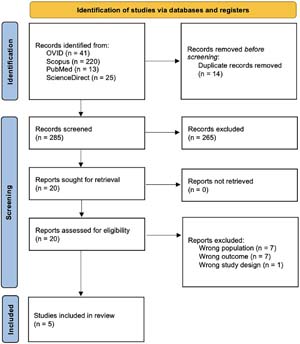
Figure 1. PRISMA Flow Diagram
We then extracted data from the included articles, comprising the first author’s name, year of publication, study location, study design, sample size, identified genes, SNPs, DNA purity, DNA concentration, identification method, minor allele frequency, Hardy-Weinberg equilibrium (HWE), and RIF rate. Participant totals were calculated by summing the sample sizes reported in each of the final included studies.
Only the most complete dataset from each study was included, and no overlapping cohorts were identified based on study location, recruitment period, and author information. Therefore, all participants were considered unique. Aggregate totals represent the combined number of women with recurrent implantation failure and control participants across the five included studies.
We also evaluated the risk of bias for each included study using the Newcastle-Ottawa Quality Assessment Scale for Case-Control Studies. This tool assessed several domains, including adequacy of case definition, representativeness of the cases, selection of controls, definition of controls, comparability of cases and controls based on the design or analysis controlled for cofounders, ascertainment of exposure, same method of ascertainment for cases and controls, and non-response rate. Each domain has a maximum score of 1, except for comparability of cases and control based on the design or analysis controlled for cofounders, which has a maximum score of 2. Total scores for each study are computed based on the criteria provided by the NOS. The NOS does not provide universally accepted thresholds for categorising the overall risk of bias. Therefore, for this review, an operational scoring framework was applied, in which domain scores were summed to yield a total score ranging from 0 to 9. Studies scoring ≥7 were considered to have relatively higher methodological quality, scores of 5-6 were considered moderate, and scores ≤4 were considered lower quality. These categories were used to support descriptive interpretation rather than to define absolute risk of bias, with particular attention paid to bias domains most relevant to genetic association studies, including control selection, comparability, and genotyping quality. Beyond overall NOS scores, particular attention was given to bias domains that are especially relevant in genetic association case-control studies.
A quantitative meta-analysis was considered; however, it was not performed due to substantial methodological heterogeneity across included studies. Although variants within the VEGF gene were investigated in more than one study, the specific single-nucleotide polymorphisms differed between studies, and genetic associations were reported using different analytical models (e.g., allelic, dominant, recessive, and genotype-based models). In addition, outcome definitions and reporting formats were not sufficiently comparable to allow meaningful pooling of effect estimates. Therefore, a narrative synthesis was deemed the most appropriate approach.
RESULTS
As summarized in Figure 1, a total of five studies published between 2016 and 2023 (Tables 1 and 2) were included in the analysis, encompassing different RIF definitions and populations from East and West Asia, with a combined sample of 566 women with RIF and 732 fertile controls. The risk of bias assessment for the five articles is depicted in Table 3. Most studies achieved moderate to high NOS scores, due to the majority of studies drawing subjects from well-defined population groups, some controlling and adjusting for potential confounders, conducting matched analyses, and clearly defining the intended outcomes. However, in this context, several bias domains are particularly relevant. Despite fulfilling the criteria according to the NOS, control selection represented a key potential source of bias, as all included studies used fertile women with previous successful pregnancies as controls rather than infertile women undergoing ART without recurrent implantation failure. Such control groups may differ substantially from ART populations in reproductive history, infertility etiology, and treatment exposure. Consequently, genetic associations observed in these comparisons may reflect broader fertility differences rather than implantation-specific mechanisms, which limits the direct applicability of these findings to clinical decision-making in ART practice. This may inflate effect estimates due to differences in the infertility background and treatment exposure. Population stratification is another important consideration, noting that East and West Asian groups are considered as one ethnic group in this review. Most included studies recruited ethnically homogeneous local populations and, in some cases, matched cases and controls by ethnicity. Genotyping-related bias was variably addressed; while all studies employed established PCR-based methods, reporting of DNA quality metrics and quality control procedures was inconsistent. Additionally, one study reported deviation from the Hardy-Weinberg equilibrium in controls, which may reflect population structure or genotyping issues and warrants cautious interpretation. Finally, adjustment for potential confounders such as age and reproductive history differed across studies, further contributing to variability in risk estimates.
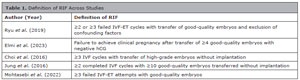
Table 1. Definition of RIF Across Studies
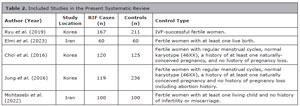
Table 2. Included Studies in the Present Systematic Review
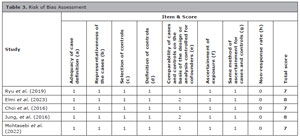
Table 3. Risk of Bias Assessment
(a) Adequacy of case definition scoring 1 point if case definition is adequate with independent validation; scoring 0 points if case definition is adequate with record linkage/based on self-report, or if there is no description regarding the case definition.
(b) Representativeness of the cases scoring 1 point if the paper is a consecutive or obviously representative series of cases; scoring 0 points if there is potential for selection biases or not stated.
(c) Selection of controls scoring 1 point with community controls; scoring 0 points with hospital controls, or no definition.
(d) Definition of controls scoring 1 point if there is no history of diseases (endpoint); scoring 0 points if there is no description of the source.
(e) Comparability of cases and controls based on the design or analysis controlled for scoring 2 points if there is a study control for the most important factor and study controls for any additional factors; scoring 1 point if there is either a study control for the most important factor or study controls for any additional factors; scoring 0 points if there are neither one.
(f) Ascertainment of exposure scoring 1 point if the paper uses a secure record or a structured interview where the interviewer is blind to case/control status; scoring 0 points if interview not blinded to case/control status, written self-report or medical record only, or no description.
(g) Same method of ascertainment for cases and controls, scoring 1 point if the papers used the same method; scoring 0 points if the paper did not use the same method.
(h) Non-response rate scoring 1 point if the paper has the same rate for both groups; scoring 0 points if non-respondents were described or different rates were used with no designation.
All five studies focused exclusively on women diagnosed with RIF. In total, 566 women with RIF and 732 fertile controls were analyzed. All participants were recruited based on stringent RIF diagnostic criteria. It is important to note, however, that variations existed in the definition of RIF between each study, particularly in the number of embryo transfers or cycles required to define the condition. All studies ensured exclusion of known confounding anatomical, hormonal, immunological, and genetic abnormalities to isolate idiopathic RIF cases. The primary objective of the included studies was to investigate the association between specific genetic polymorphisms and the risk of RIF. The studies employed genotyping techniques such as polymerase chain reaction–restriction fragment length polymorphism (PCR-RFLP) and real-time PCR to detect SNPs in candidate genes associated with RNA processing (AGO1/2), angiogenesis (VEGF), DNA repair (MDM2), folate metabolism (MTHFR), and lipid transport (APOE). The genetic variants and laboratory methods reported in the included studies are summarized in Table 4A, while the main genetic associations and corresponding effect estimates are presented in Table 4B.
Table 4.Characteristics, methodological features, and main findings of the included genetic association studies

Table 4A. Genetic variants and laboratory methods reported in the included studies

Table 4B. Main genetic associations with recurrent implantation failure
Abbreviations: AOR, adjusted odds ratio; CI, confidence interval; FDR, false discovery rate; hCG, human chorionic gonadotropin; HWE, Hardy-Weinberg equilibrium; IVF-ET, in vitro fertilization and embryo transfer; OR, odds ratio; PCR-RFLP, polymerase chain reaction-restriction fragment length polymorphism; RIF, recurrent implantation failure.
Ryu et al. (2019) examined variants in the Argonaute 1 (AGO1) and Argonaute 2 (AGO2) genes, key components of RNA silencing processes, in 167 RIF patients and 211 controls in South Korea. Five SNPs (rs595961, rs636832, rs11996715, rs2292779, rs4961280) were analyzed using PCR-RFLP and real-time PCR, with partial confirmation by sequencing. All polymorphisms were in HWE in both groups (Ryu et al., 2019). Among the five SNPs tested, the AGO2 rs4961280C>A variant demonstrated the strongest association with RIF, with the CA genotype reporting nearly double the risk compared to the CC genotype (adjusted odds ratio [AOR]=1.984; p=0.023). The dominant model in this study showed an even higher association with RIF (CA and AA vs. CC, aOR=2.110, p 0.012). Interestingly, this variant also correlated with immunologic alterations, including reduced CD4+ T cell counts, suggesting a potential mechanistic link between RNA processing and immune regulation in implantation failure.
Genetic variants influencing angiogenesis and DNA repair were examined in two studies. Jung et al. (2016) assessed Vascular Endothelial Growth Factor (VEGF) gene polymorphisms in 119 RIF patients and 236 controls in South Korea. Three SNPs (rs833061, rs25648, and rs3025020) were analyzed using real-time PCR and PCR-RFLP, all of which were in HWE (Jung et al., 2016). This study reported significant associations between RIF and both the rs833061 TC+CC genotype (OR=1.81; p=0.009) and the rs25648 CT genotype (OR=2.21; p=0.005). Additionally, specific gene-gene combinations, such as rs833061/rs3025020 (TC+CC/TT), were found to further increase susceptibility to implantation failure, yielding an OR of 4.26 (p=0.028).
Complementing these findings, Elmi et al. (2023) explored VEGF and Murine Double Minute 2 (MDM2) polymorphisms in an Iranian cohort of 60 RIF patients and 60 controls, specifically in the rs1570360, rs2010963, and rs2279744 polymorphisms. Among the three variants assessed, they reported an elevated risk of RIF associated with the rs1570360 AA genotype (OR=6.4; 95% CI: 1.22–33.64; p=0.02) and the AG genotype (OR=18; 95% CI: 4.99-64.89; p=0.001), while no significant associations were observed for the VEGF rs2010963 or MDM2 rs2279744 variants (Elmi et al., 2023). Although HWE was maintained in cases, deviation in controls was noted, likely reflecting population-related consanguinity. However, deviation from HWE in controls may also reflect population stratification or genotyping-related bias and warrants cautious interpretation of the reported associations. Collectively, these two studies highlight the critical role of angiogenic dysregulation in RIF pathogenesis.
Choi et al. (2016) examined folate pathway genes MTHFR and thymidylate synthase (TYMS/TS) in 120 women with idiopathic RIF and 125 fertile controls in South Korea. All investigated SNPs, such as MTHFR 677C>T and 1298A>C, TSER 2R/3R, and TS 1494 del/ins, were confirmed to be in HWE. Results of this study show that the MTHFR 677C>T, MTHFR 1298A>C, TSER 2R/3R, and TS 1494 0bp/6bp polymorphisms were not significantly associated with the occurrence of RIF. However, after performing a combined genotype analysis, several associations with RIF risk were found, including MTHFR 677TT/MTHFR 1298AA [AOR=2.764; 95% CI=1.0665–7.174; p=0.037], MTHFR 677TT/TS 1494 0bp6bp+6bp6bp (AOR, 3.185; 95% CI=1.241–8.178; p=0.016), and MTHFR 1298AA/TS 1494 0bp6bp+6bp6bp (AOR, 1.945; 95% CI=1.024–3.694; p=0.042) (Choi et al., 2016). These findings suggest that combined disruptions in folate metabolism and DNA synthesis pathways may exert additive effects on endometrial receptivity.
Finally, Mohtasebi et al. (2022) explored apolipoprotein E (APOE) polymorphisms among 100 RIF patients and 100 fertile controls in Iran. DNA quality and concentration were assessed using NanoDrop spectrophotometry (A260/280 ratio: 1.7-1.9; 100-150 ng/μL). This study demonstrated that the ε4 allele and the ε3/ε4 genotype were significantly more prevalent in RIF patients compared to controls (E4 OR=2.176, p=0.026; E3/E4 OR=2.203, p=0.038), with all genotypes in HWE (Mohtasebi et al., 2022). These results suggest that altered lipid transport and inflammation regulation may contribute to implantation failure.
Collectively, the studies revealed significant associations between RIF and variants in AGO2, VEGF, and APOE, implicating dysregulation of RNA processing, angiogenesis, and lipid transport in implantation failure. Conversely, MDM2 and MTHFR variants showed weaker or population-specific effects.
DISCUSSION
This systematic review offers evidence regarding gene polymorphisms and the occurrence of RIF among Asian women. Despite differences in geography, study design, and RIF definitions, a consistent theme emerged: genetic variation affecting RNA interference, angiogenesis, folate metabolism, and lipid transport may significantly influence implantation success.
According to the study by Jung et al. (2016), polymorphisms in the VEGF gene, particularly the rs833061 C allele and rs25648 T allele had approximately 1.8- to 2.2-fold higher odds of RIF, therefore showing associations with increased RIF susceptibility. These findings are consistent with the well-established role of VEGF in regulating endometrial vascular remodeling and embryo-endometrium communication, whereas altered VEGF expression may compromise implantation success (Guo et al., 2021). Supporting evidence from broader meta-analyses further indicates that VEGF variants, such as 1154A, may predispose individuals to RIF (OR=1.4, p=0.01) (Zeng et al., 2021). This reinforces the significance of angiogenic pathways in successful implantation.
Based on the study by Choi et al., the MTHFR 677TT/TS 1494 del/ins combination was reported nearly a three-fold higher risk of RIF, possibly reflecting the cumulative impact of impaired folate-dependent methylation and DNA synthesis pathways on rapidly proliferating embryonic and endometrial cells. However, the modest effect sizes and the fact that some associations lost statistical significance after false discovery rate (FDR) correction suggest that larger, adequately powered cohorts are required to confirm these findings. Future research should integrate functional assessments, such as serum folate levels, homocysteine concentrations, and methylation status in carriers of risk genotypes could further clarify the biological impact.
Variants in the RNA interference pathway were also associated with RIF, potentially extending the link between angiogenesis and immune modulation. The APOE ε4 allele and the ε3/ε4 genotype were also found to be significantly more prevalent among women with RIF, with approximately a twofold increase in risk compared with controls (Mohtasebi et al., 2022). As APOE is involved in lipid transport, oxidative stress regulation, and inflammatory responses, these variants may contribute to an unfavorable endometrial environment. However, it is worth noting that the precise mechanisms linking APOE variants to implantation outcomes remain to be elucidated, given the limited research on APOE in implantation biology and reproductive contexts. Its association with systemic inflammation suggests broader metabolic–inflammatory interactions that merit investigation.
The AGO2 rs4961280 C>A polymorphism reported approximately a two-fold increased risk of RIF, with additional evidence suggesting correlations with reduced peripheral CD4+ T-cell counts (Ryu et al., 2019). Given the central role of AGO2 in microRNA-mediated gene silencing, this variant may influence implantation through both immunomodulatory and angiogenic mechanisms (Cai et al., 2019; Müller et al., 2020). These findings suggest that RIF may not stem from isolated molecular defects, but rather from interconnected regulatory networks bridging immune tolerance and vascular integrity, two essential pillars of implantation. It also underscores the need for studies to elucidate AGO2’s functional relevance in RIF, as current evidence remains limited.
Polymorphisms in the VEGF gene were also reported through the study by Elmi et al. (2023), highlighting the critical role of angiogenesis in endometrial receptivity and subsequently implantation. Elmi et al. (2023) reported that rs1570360 AA and AG genotypes were strongly linked to implantation failure, with the AG genotype reporting an exceptionally high OR of 18.0.
However, interpretation of the reported genetic associations must consider heterogeneity in the operational definition of recurrent implantation failure across studies. Some investigations applied relatively stricter criteria, such as requiring multiple failed IVF cycles combined with transfer of a high number of good-quality embryos (e.g., ≥3 cycles or ≥10 embryos), whereas others used less stringent thresholds, including fewer failed cycles or embryo transfers. Stricter definitions are more likely to identify women with a true implantation-specific phenotype, thereby reducing misclassification and potentially yielding more robust genetic associations. In contrast, studies employing less strict criteria may include heterogeneous infertility phenotypes, which could dilute or inflate observed effect sizes. Notably, several variants showing stronger or more consistent associations with RIF, particularly VEGF-related polymorphisms and the AGO2 rs4961280 variant, were reported in studies applying more stringent diagnostic criteria. This pattern suggests that genetic effects may be more detectable in populations with a well-defined and severe implantation failure phenotype. Conversely, findings derived from studies with less strict definitions should be interpreted with greater caution, as broader inclusion criteria may introduce phenotypic heterogeneity and confounding. Accordingly, the genetic associations identified in this review should be regarded as signals that may be more applicable to specific subsets of women with recurrent implantation failure, particularly those meeting stricter diagnostic thresholds, rather than universally generalisable markers. Future studies employing standardised and stringent RIF definitions will be essential to clarify the reproducibility and clinical relevance of these genetic variants.
Together, these findings broaden the range of potential genetic contributors to RIF, but also indicate the complexity and multifactorial nature of the condition, with several biological pathways potentially contributing to implantation failure. A more integrated approach that combines genetic, molecular, and clinical data will be essential to move from association to mechanism, and ultimately, towards personalized strategies for improving implantation outcomes in assisted reproduction.
Strengths and Limitations
This review identified several methodological strengths among the included studies. The majority of included studies adopted robust methodological designs that enhance the validity and interpretability of their findings. Most studies employed matched control groups, typically aligning cases and controls on key demographic variables such as age, ethnicity, and reproductive history. This matching is particularly important in genetic association studies of RIF because it helps control for confounding effects from population stratification, environmental exposures, or age-related fertility decline, which are factors that could otherwise obscure or exaggerate true genotype-phenotype relationships.Another strength was the deliberate exclusion of participants with known anatomical, hormonal, immunological, or chromosomal abnormalities, thereby ensuring that the analyzed cohorts represented idiopathic RIF cases. This approach strengthens the inference that observed associations reflect genuine genetic contributions rather than secondary effects of unrelated reproductive pathologies. Additionally, most studies had a consistent use of adjusted multivariate analyses to control for residual confounders, including body mass index (BMI), parity, lifestyle factors, or minor demographic imbalances between groups. Adjusted models provide more precise estimates of the effect size for each polymorphism, enhancing the robustness of the reported associations and reducing the risk of spurious findings.Particular attention was also given to bias domains relevant to genetic association case-control studies, including control selection and comparability, confounding adjustment, genotyping quality, and HWE. All included studies used fertile women as controls, including both naturally fertile women and women with successful IVF pregnancies, which may differ from ART populations and influence effect estimates. Adjustment for confounders was inconsistently reported across studies. Although PCR-based genotyping methods were used, reporting of DNA quality and quality control procedures varied. HWE testing was reported in most studies and serves as an indicator of genotyping reliability and population structure, however deviations observed in one study should be interpreted cautiously.Equally noteworthy is the biological plausibility of the genetic targets investigated. By focusing on polymorphisms fundamental to reproductive biology, these studies were grounded in mechanistic rather than exploratory hypotheses. For instance, VEGF-mediated angiogenesis is indispensable for endometrial vascularization and trophoblast invasion; AGO proteins are central to post-transcriptional gene regulation affecting endometrial receptivity; MTHFR and TYMS influence folate-dependent methylation and nucleotide synthesis, processes essential for both embryonic cell proliferation and endometrial preparation; and APOE polymorphisms may alter lipid-mediated inflammatory signaling, potentially affecting implantation microenvironments. This targeted approach not only increases the likelihood of detecting meaningful associations but also facilitates downstream functional validation and potential clinical translation.Nonetheless, several methodological limitations were apparent. All included studies used fertile women as controls, including both naturally fertile women and women with successful IVF pregnancies. No study employed ART-treated infertile controls without recurrent implantation failure, which may limit the comparability of control groups with the ART population studied. Notably, variants within angiogenesis-related pathways, such as VEGF polymorphisms and lipid or immune-related genes, demonstrated risk-increasing effects irrespective of control type. However, effect sizes were generally larger in studies using fertile controls, suggesting that control selection may influence the magnitude rather than the direction of association. Given the limited number of studies and heterogeneity in study design, formal comparisons across control types were not feasible, and these observations should be interpreted cautiously.Although all studies adhered to stringent inclusion criteria for idiopathic RIF and applied widely accepted genotyping methods such as PCR-RFLP and real-time PCR, many did not report DNA purity metrics or qualitative assessments such as gel band clarity. These omissions limit transparency and reproducibility, as they hinder the ability of other researchers to critically evaluate the validity of the genotyping data and replicate the findings. Moreover, although some polymorphisms were statistically significant, the relatively small sample sizes may have inflated effect sizes or reduced generalizability. Notably, while HWE was maintained in patient groups, deviations in controls, such as in the study by Elmi et al., 2023, warrant cautious interpretation. Moreover, publication bias cannot be excluded, as studies with null findings are less likely to appear in the literature. Lastly, all included studies were conducted among East and West Asian populations, limiting the representation of genetic diversity across South and Southeast Asia.Taken together, these strengths and limitations underscore both the promise and current gaps in the genomic understanding of RIF. Future work should build on these foundations through larger, multi-ethnic cohort genomic studies that integrate functional, epigenetic, and transcriptomic validation to confirm the clinical relevance of these candidate polymorphisms in RIF. Additionally, the use of ART-treated control groups in future genetic association studies would be beneficial to improve interpretability and facilitate quantitative synthesis. Such approaches will be essential to move from statistical association to biological causation, and ultimately, to clinically actionable insights in the management of recurrent implantation failure.
CONCLUSION
Genetic variation in angiogenesis, RNA interference, folate metabolism, and lipid transport pathways appears to influence the risk of RIF among Asian women. Among these, VEGF variants emerged as the most frequently studied and consistently associated with increased RIF risk, underscoring the central role of endometrial vascular remodeling in implantation success. Other noteworthy associations included the AGO2 rs4961280 variant, which may link immune regulation and endometrial receptivity, combined MTHFR and TYMS/TS genotypes affecting folate-dependent methylation and DNA synthesis, and APOE ε4 carriage potentially influencing lipid-mediated inflammatory responses.
Despite these insights, the findings must be interpreted with caution due to methodological limitations, including small sample sizes, inconsistent reporting of genotyping quality metrics, and heterogeneity in diagnostic criteria. Genetic associations appeared more consistently in studies applying stricter diagnostic thresholds, whereas broader definitions may have introduced phenotypic heterogeneity and affected effect estimates. Nevertheless, the biological plausibility of the identified variants provides a strong foundation for further investigation. Future research should prioritize large, multicenter studies with standardized diagnostic definitions, rigorous quality control in genotyping, and comprehensive adjustment for confounders. These results may also guide future research in VEGF, MTHFR, TYMS/TS, AGO2, and APOE in certain Asian populations. Ultimately, these findings highlight the potential of integrating genetic profiling into clinical assessment to enable more precise risk stratification and personalized treatment strategies for women undergoing ART, pending validation in larger and methodologically robust studies.
REFERENCES
Cai Q, He B, Weiberg A, Buck AH, Jin H. Small RNAs and extracellular vesicles: new mechanisms of cross-species communication and innovative tools for disease control. PLoS Pathog. 2019;15:e1008090. PMID: 31887135 DOI: 10.1371/journal.ppat.1008090
Medline
Choi Y, Kim JO, Shim SH, Lee Y, Kim JH, Jeon YJ, Ko JJ, Lee WS, Kim NK. Genetic variation of methylenetetrahydrofolate reductase (MTHFR) and thymidylate synthase (TS) genes is associated with idiopathic recurrent implantation failure. PLoS One. 2016;11:e0160884. PMID: 27560137 DOI: 10.1371/journal.pone.0160884
Medline
Coughlan C, Ledger W, Wang Q, Liu F, Demirol A, Gurgan T, Cutting R, Ong K, Sallam H, Li TC. Recurrent implantation failure: definition and management. Reprod Biomed Online. 2014;28:14-38. PMID: 24269084 DOI: 10.1016/j.rbmo.2013.08.011
Medline
Dong X, Zhou M, Li X, Huang H, Sun Y. Gene profiling reveals the role of inflammation, abnormal uterine muscle contraction and vascularity in recurrent implantation failure. Front Genet. 2023;14:1108805. PMID: 36911409 DOI: 10.3389/fgene.2023.1108805
Medline
Elmi M, Ghandil P, Hemadi M, Tahmasebi Birgani M, Saberi A. Association of rs1570360 and rs2010963 in VEGF and rs2279744 in the MDM2 gene with Recurrent Implantation Failure in Iranian Women. JBRA Assist Reprod. 2023;27:342-7. PMID: 37257061 DOI: 10.5935/1518-0557.20220062
Medline
Guo X, Yi H, Li TC, Wang Y, Wang H, Chen X. Role of Vascular Endothelial Growth Factor (VEGF) in Human Embryo Implantation: Clinical Implications. Biomolecules. 2021;11:253. PMID: 33578823 DOI: 10.3390/biom11020253
Medline
Jung YW, Kim JO, Rah H, Kim JH, Kim YR, Lee Y, Lee WS, Kim NK. Genetic variants of vascular endothelial growth factor are associated with recurrent implantation failure in Korean women. Reprod Biomed Online. 2016;32:190-6. PMID: 26673101 DOI: 10.1016/j.rbmo.2015.10.010
Medline
Kwon MJ, Kim JH, Kim KJ, Ko EJ, Lee JY, Ryu CS, Ha YH, Kim YR, Kim NK. Genetic association between inflammatory-related polymorphism in STAT3, IL-1β, IL-6, TNF-α and idiopathic recurrent implantation failure. Genes (Basel). 2023;14:1588. PMID: 37628639 DOI: 10.3390/genes14081588
Medline
Ma J, Gao W, Li D. Recurrent implantation failure: A comprehensive summary from etiology to treatment. Front Endocrinol (Lausanne). 2023;13:1061766. PMID: 36686483 DOI: 10.3389/fendo.2022.1061766
Medline
Mohtasebi P, Eslami M, Ramezanali F, Borjian Boroujeni P, Rokhsat Talab Z, Zamanian M. APOE polymorphism status (E4) may help in predicting the risk of recurrent implantation failure. Int J Gynaecol Obstet. 2022;158:447-52. PMID: 34767643 DOI: 10.1002/ijgo.14022
Medline
Müller M, Fazi F, Ciaudo C. Argonaute Proteins: From Structure to Function in Development and Pathological Cell Fate Determination. Front Cell Dev Biol. 2020;7:360. PMID: 32039195 DOI: 10.3389/fcell.2019.00360
Medline
Pîrlog LM, Pătrăşcanu AA, Ona MD, Cătană A, Rotar IC. HOXA10 and HOXA11 in human endometrial benign disorders: unraveling molecular pathways and their impact on reproduction. Biomolecules. 2025;15:563. PMID: 40305321 DOI: 10.3390/biom15040563
Medline
Ryu CS, Kim YR, Kim JO, An HJ, Cho SH, Ahn EH, Kim JH, Lee WS, Kim NK. The association of AGO1 (rs595961G>A, rs636832A>G) and AGO2 (rs11996715C>A, rs2292779C>G, rs4961280C>A) polymorphisms and risk of recurrent implantation failure. Biosci Rep. 2019;39:BSR20190342. PMID: 31724726 DOI: 10.1042/BSR20190342
Medline
Salleh N, Giribabu N. Leukemia inhibitory factor: roles in embryo implantation and in nonhormonal contraception. ScientificWorldJournal. 2014;2014:201514. PMID: 25152902 DOI: 10.1155/2014/201514
Medline
Wang Q, Sun Y, Fan R, Wang M, Ren C, Jiang A, Yang T. Role of inflammatory factors in the etiology and treatment of recurrent implantation failure. Reprod Biol. 2022;22:100698. PMID: 36162310 DOI: 10.1016/j.repbio.2022.100698
Medline
Zeng H, Hu L, Xie H, Ma W, Quan S. Polymorphisms of vascular endothelial growth factor and recurrent implantation failure: a systematic review and meta-analysis. Arch Gynecol Obstet. 2021;304:297-307. PMID: 33891207 DOI: 10.1007/s00404-021-06072-0
Medline
SUPPLEMENTARY APPENDICES
Appendix 1. Search Strings
OVID search string:Scopus, PubMed, and ScienceDirect search string:
1. recurrent implantation failure.mp.
2. genome/
3. genomics/
4. genetic profiling/
5. (genome or genomic or "genomic profile*" or "genome profil*").mp.**
6. 2 or 3 or 4 or 5
7. asian.mp.
8. asia/
9. (asia).mp.*
10. 7 or 8 or 9
11. 1 and 6 and 10
12. 11 not (animals/ not humans/)
1. ("Recurrent Implantation Failure" ) AND ("Genome" OR "Genomic" OR "Genomic Profile" OR "Genome Profiling" ) AND ("Asian" OR "Asia")