JBRA Assist. Reprod. 2026 2026;00(0):00-00
ORIGINAL ARTICLE
doi: 10.5935/1518-0557.20260080
Access to Assisted Reproductive Technology Services in Brazil: A Descriptive Analysis of SisEmbrio Data
1Universidade de Itaúna (UIT), Itaúna, Minas Gerais, Brazil
2Universidade Federal de São João del-Rei (UFSJ), Divinópolis, Minas Gerais, Brazil
CONFLICT OF INTEREST
The authors declare no conflicts of interest.
ABSTRACT
Objective: To conduct a descriptive analysis of data from the National Embryo Production System (SisEmbrio) to characterize access to assisted reproductive technology (ART) services in Brazil.
Method: Data from SisEmbrio for the period from 2020 to 2024 were used, along with data from the Brazilian Institute of Geography and Statistics, Google Maps, and clinical guidelines on ART.
Results: The data showed growth in the number of ART centers, as well as increases in the number of frozen embryos and completed cycles during the study period. Following the increase in embryo cryopreservation, a higher absolute number of ART procedures was observed among women aged ≥35 years. The analysis also showed that most clinics are privately operated and that their geographic distribution is concentrated mainly in large urban centers.
Conclusion: The findings indicate that access to ART services in Brazil remains limited. SisEmbrio data reaffirm barriers previously identified in the literature. These challenges restrict the expansion of access and underscore the need for structural changes to promote greater equity in care for the target population.
Keywords: assisted human reproduction, in vitro fertilization, artificial insemination
INTRODUCTION
The use of assisted reproductive technology (ART) has increased over the years (Moore et al., 2023). One cause of this growth is infertility, defined as the absence of conception after one year of regular sexual activity without the use of contraceptive methods. It is estimated that one in six people worldwide has experienced infertility at some point in their lives (WHO, 2023).
In addition, there is a growing trend toward gamete cryopreservation, either to preserve fertility because of age or in cases of diseases or treatments that may compromise fertility, such as cancer treatment (Song & Quinn, 2023; Carneiro et al., 2023; Fraison et al., 2023). Changes in family structure have also contributed to the increased demand for ART (Milanez et al., 2025).
With advances in health technologies, regulatory progress has also been observed, aiming to support the effective implementation of ART in Brazil (Leite, 2019; Milanez et al., 2025). However, despite these advances, several practical barriers still hinder equitable access to ART treatment, including limited public funding for these procedures (Pinto-Bustamante et al., 2024).
Brazilian literature remains scarce regarding studies that comprehensively address barriers to ART access in the country. Research conducted more than a decade ago with specialized centers identified long waiting lists in public services among the main barriers to this type of treatment (Souza, 2014). More recent studies have highlighted challenges such as the absence of specialized services in certain locations, comorbidities, and financial difficulties in affording consultations and treatment (Macedo et al., 2023; Oppenheimer et al., 2023).
Despite the availability of information from the National Embryo Production System (SisEmbrio), these data have not yet been extensively explored to describe patterns of access to ART services in Brazil. Given the scarcity of national analyses and the relevance of SisEmbrio as an official registry, it is important to examine how these records can contribute to understanding the availability and distribution of ART services across the country. A descriptive analysis of these data may provide insights into potential inequalities and limitations in access, supporting the formulation and implementation of public policies aimed at expanding and improving equitable access to ART in Brazil. Therefore, this study aimed to conduct a descriptive analysis of SisEmbrio data to characterize access to ART in Brazil.
MATERIAL AND METHODS
Study Design
This descriptive study was based on secondary data obtained from the Brazilian Health Regulatory Agency (Agência Nacional de Vigilância Sanitária - ANVISA), specifically from SisEmbrio, an information and control system designed to monitor and disclose data on the production of human embryos in in vitro fertilization procedures in Brazil (ANVISA, SisEmbrio, 2025).
Study Variables and Data Collection
Variables directly related to ART were defined. In SisEmbrio, ART-related variables are stratified according to patient age into two groups: younger than 35 years and 35 years or older. This age stratification was maintained for data analysis. Subsequently, other variables that could be associated with potential barriers to achieving pregnancy through ART were collected. Data sources included the Brazilian Institute of Geography and Statistics (IBGE - Instituto Brasileiro de Geografia e Estatística ) and Google Maps (IBGE, 2022). The variables are described in Table 1. According to the Centers for Disease Control and Prevention (CDC) ART Glossary, an ART cycle is the sequence of procedures from ovarian stimulation through egg retrieval and embryo transfer and may include cryopreservation steps. A frozen embryo is an embryo that has been cryopreserved for future use, and a frozen embryo cycle is defined as the thawing and transfer of these embryos. A clinical pregnancy is diagnosed when an intrauterine gestational sac is visualized by ultrasound, distinguishing it from biochemical pregnancies detected only by hormone tests (CDC, 2024; Zegers-Hochschild et al., 2017).
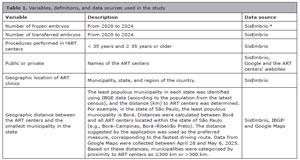
Table 1. Variables, definitions, and data sources used in the study
aSisEmbrio: National Embryo Production System;
bART: Assisted reproductive technology;
cIBGE: Brazilian Institute of Geography and Statistics.
SisEmbrio was the first database consulted. Based on the data extracted from it, the remaining variables were collected according to the criteria described above. Data collection occurred from April 1 to 11, 2025. At the time of data extraction, the SisEmbrio platform provided publicly available data for the years 2020 through 2024, which comprised the full period analyzed in this study.
Data Analysis
The data were organized in Microsoft Excel® spreadsheets. Descriptive analysis was performed using absolute and relative numbers to characterize the distribution of the variables studied.In addition, linear correlation analysis was performed to assess the association between the annual number of cryopreserved embryos and the number of completed cycles. The relationship was evaluated using simple linear regression estimated by the ordinary least squares method. The coefficient of determination (R2) was calculated, and statistical significance was assessed at an alpha level of 0.05, with 95% confidence intervals. The analysis covered the period from 2020 to 2024, resulting in five annual observations. Given the limited number of data points, the results should be interpreted as exploratory and descriptive of temporal patterns rather than as evidence of causal or predictive relationships. All analyses were conducted using Microsoft Excel®. To compare the age groups (<35 years and ≥35 years), the relative percentage variation was calculated.
Ethical Considerations
This research was conducted exclusively with publicly available secondary data, without participant identification and with no risk of individual or collective harm. Therefore, in accordance with Resolution No. 466/2012 of the Brazilian National Health Council, review and approval by a Research Ethics Committee were not required (Brasil, 2012).
RESULTS
The number of ART centers in Brazil increased from 173 to 182 (5.2%) between 2020 and 2024. As shown in Table 2, during the same period, there was also an increase in the number of frozen embryos and completed cycles. Compared with the 2020 baseline, the number of frozen embryos increased by 28.1% in 2021, 20.6% in 2022, 33.4% in 2023, and 46.8% in 2024. Over the same period, completed cycles increased by 36.3% in 2021, 22.5% in 2022, 36.8% in 2023, and 33.7% in 2024. Furthermore, a strong correlation was observed between the number of frozen embryos and the number of cycles performed each year (R2=0.79). On average, the number of frozen embryos corresponded to twice the number of completed cycles.
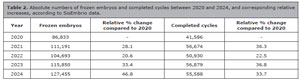
Table 2. Absolute numbers of frozen embryos and completed cycles between 2020 and 2024, and corresponding relative increases, according to SisEmbrio data.
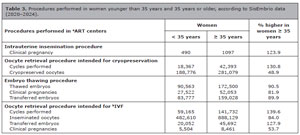
Table 3. Procedures performed in women younger than 35 years and 35 years or older, according to SisEmbrio data (2020-2024).
aART: Assisted reproductive technology;
bIVF: In vitro fertilization.
The analysis revealed two structural aspects that may be related to limitations in access to ART services, particularly regarding their provision and organization. The first aspect refers to the profile of clinics registered in SisEmbrio, the vast majority of which (93.5%) are private. Public clinics are concentrated in large urban centers, such as São Paulo/São Paulo (SP), Ribeirão Preto/SP, Belo Horizonte/Minas Gerais (MG), Goiânia/ Goiás (GO), and Natal/Rio Grande do Norte (RN). This distribution suggests that access to ART services in Brazil is predominantly mediated by the private sector, which may limit access for individuals who cannot afford the high costs associated with procedures such as in vitro fertilization (IVF) and artificial insemination.
The second aspect relates to the geographic distribution of services. Most ART clinics are concentrated in the more economically developed regions of the country (South and Southeast) and in major urban centers. According to IBGE data, only five municipalities (6.9%) with fewer than 100,000 inhabitants have ART clinics: Ponte Nova/ Minas Gerais (MG), Penápolis/São Paulo (SP), Avaré/SP, Pato Branco/Paraná (PR), and Lajeado/Rio Grande do Sul (RS). All are located in regions that already have a higher concentration of such services. Furthermore, the analysis of the distance between the least populous municipality in each Brazilian state and the nearest ART clinic indicates that in 123 cases (64.1%), this distance exceeds 300 km, suggesting important geographic constraints on access to ART services in Brazil.
DISCUSSION
The analysis of SisEmbrio data made it possible to identify important structural barriers to ART access in Brazil, mainly evidenced by the predominance of private clinics and the unequal distribution of services across the national territory. These findings point to systemic limitations that compromise universality and equitable access to ART, reinforcing the need for regulatory actions and for strengthening the public health system in the field of reproductive health.
Despite these access barriers, ART has become increasingly prevalent in the country. A significant increase in the number of frozen embryos and oocyte cryopreservation procedures was observed between 2020 and 2024, potentially reflecting both technological advances and greater uptake of treatment. SisEmbrio data further indicate that ART procedures are performed predominantly in women aged 35 years or older. This growth may be associated with the increasing prevalence of infertility and the contemporary trend toward delayed motherhood and fatherhood, often linked to the pursuit of financial stability, professional consolidation, and later family planning, as described in the literature (Silva et al., 2019; Ahmad et al., 2024).
In addition, prevailing health care practices tend to prioritize the investigation of infertility in women and often underestimate male factors, despite evidence indicating that approximately 35% of cases of couple infertility are associated with alterations in male reproductive physiology (Odisho et al., 2014; Carson & Kallen, 2021). This model of care may delay diagnostic clarification and the implementation of appropriate therapeutic strategies. Further studies are needed to better understand how diagnostic pathways and referral processes influence the age at which couples access ART services.
In this context, although ART services and the number of clinics have expanded in Brazil, the predominance of older women among users indicates that increased service availability has not necessarily translated into timely or equitable access to reproductive care. This finding reinforces the persistence of structural constraints that condition access to ART, particularly with regard to timely care, a central aspect of treatment success and reproductive rights.
Within the Public Health System (Sistema Único de Saúde - SUS), access to ART remains quite limited. The number of public services offering free treatment is small and heavily concentrated in large urban centers. Although family planning is guaranteed by Law No. 9,263/1996 and, since 2005, supported by the National Policy for Comprehensive Care in ART, the implementation and expansion of these services face substantial obstacles, mainly due to the high costs involved in establishing and maintaining public ART centers (Brasil, 1996; 2005; Entringer et al., 2023). As an alternative to mitigate unmet demand in Brazil, Souza (2014) suggested strategies such as contracting treatment cycles in private clinics for low-income populations and expanding mandatory health insurance coverage for these procedures. From an international perspective, the realization of reproductive rights also remains a persistent challenge, even in contexts with greater technological availability (Pinto-Bustamante et al., 2024).
The concentration of ART services in large urban centers constitutes an additional relevant barrier, especially for couples residing in more remote municipalities. National studies have already demonstrated significant inequalities in geographic access to assisted reproduction services (Macedo et al., 2023). Research conducted in Brazil showed that 65% of participants had to undergo ART treatment in a municipality different from their place of residence, which entails additional costs and logistical difficulties and may lead to treatment abandonment or postponement (Oppenheimer et al., 2023). Moreover, smaller municipalities tend to have fewer specialists, which may compromise even the initial stages of infertility investigation and diagnosis.
Based on the data available in SisEmbrio, it was possible to identify important structural barriers associated with ART procedures. However, this information refers exclusively to individuals who were able to access and actually undergo some type of procedure. Therefore, a substantial knowledge gap persists regarding individuals who wish to conceive but cannot access ART services, as well as those who remain on waiting lists in the public system or who abandon the care pathway because of existing barriers. There is limited information on the profile of these individuals, their geographic location, and the obstacles they face, which limits the planning of more inclusive and equitable public policies. In this context, studies aimed at identifying and characterizing this unmet demand are essential to support more effective interventions in reproductive health.
This study has some limitations that should be considered when interpreting the results. First, the analysis is based on administrative data from SisEmbrio, which may be subject to coverage and completeness biases, as not all ART services report information with the same level of detail and regularity. In addition, the system does not include individual socioeconomic data or detailed clinical information, which precludes stratified analyses. Furthermore, the lack of integration between SisEmbrio and other health information systems limits longitudinal follow-up of individuals.
Despite these limitations, the present study provides a comprehensive national-level overview of the distribution and utilization patterns of ART services in Brazil. By highlighting structural and territorial inequalities in access and describing the age distribution of reported procedures, which indicates that a substantial proportion of ART activity occurs in patients aged ≥35 years, the findings contribute to the scientific debate and may inform the formulation of public policies aimed at expanding equitable access to reproductive health services.
CONCLUSION
This study identified significant structural and organizational barriers affecting access to ART services in Brazil. The findings highlight challenges related to the predominance of privately operated centers and the unequal geographic distribution of specialized clinics, which are concentrated in large urban areas. Addressing these disparities requires structural and systemic changes, including strengthening and expanding public ART services to improve availability and regional distribution, thereby promoting more equitable access to care.
Conference where the study was presentedThis study was previously presented at the 3rd Academic Biomedicine Conference of the University of Itaúna(UIT), November 17-19, 2025.
Ahmad M, Sechi C, Vismara L. Advanced Maternal Age: A Scoping Review about the Psychological Impact on Mothers, Infants, and Their Relationship. Behav Sci (Basel). 2024;14:147. PMID: 38540450 DOI: 10.3390/bs14030147
Medline
Carneiro MM, Koga CN, Mussi MCL, Fradico PF, Ferreira MCF. Quality of information provided by Brazilian fertility clinic websites: compliance with Brazilian Medical Council (CFM) and American Society for Reproductive Medicine (ASRM) guidelines. JBRA Assist Reprod. 2023;27:169-73. PMID: 35916465 DOI: 10.5935/1518-0557.20220026
Medline
Carson SA, Kallen AN. Diagnosis and management of infertility: a review. JAMA. 2021;326:65-76. PMID: 34228062 DOI: 10.1001/jama.2021.4788
Medline
Fraison E, Garcia D, Grynberg M, Gauthier T, Streuli I. Live birth rate after female fertility preservation for cancer or haematopoietic stem cell transplantation: a systematic review and meta-analysis of the three main techniques; embryo, oocyte and ovarian tissue cryopreservation. Hum Reprod. 2023;38:489-502. PMID: 36421038 DOI: 10.1093/humrep/deac249
Medline
Leite TH. Análise crítica sobre a evolução das normas éticas para a utilização das técnicas de reprodução assistida no Brasil. Cien Saude Colet. 2019;24:917-28. PMID: 30892513 DOI: 10.1590/1413-81232018243.30522016. Portuguese.
Medline
Milanez VN, Guedes WA, Santos LKR, Moura GA, Brito ML, Monteiro PB. Comparative analysis of ethical standards for the utilization of assisted reproductive technologies in Brazil: resolutions from 1992 to 2023. JBRA Assist Reprod. 2025;29:6-12. PMID: 39688437 DOI: 10.5935/15180557.20240069
Medline
Moore LE, Haijhosseini M, Motan T, Kaul P. Assisted human reproduction and pregnancy outcomes in Alberta, 2009-2018: a population-based study. CMAJ Open. 2023;11:E372-81. PMID: 37171904 DOI: 10.9778/cmajo.20220073
Medline
Odisho AY, Nangia AK, Katz PP, Smith JF. Temporal and geospatial trends in male factor infertility with assisted reproductive technology in the United States from 19992010. Fertil Steril. 2014;102:469-75. PMID: 24931206 DOI: 10.1016/j.fertnstert.2014.05.006
Medline
Oppenheimer D, Rego F, Nunes R. The search for the principle of justice for infertile couples: characterization of the Brazilian population and bioethical discussion. BMC Med Ethics. 2023;24:69. PMID: 37667304 DOI: 10.1186/s12910-023-00947-4
Medline
Pinto-Bustamante BJ, Gómez-Córdoba AI, GómezRivadeneira A, Montaño CAC, Vargas VAR, Arango Romero HA, Pascual MGM, Cervera JIM. Access to assisted human reproduction techniques in Colombia: disparity between the recognition of reproductive rights and their effective implementation. Int J Health Plann Manage. 2024;39:9-21. PMID: 37740542 DOI: 10.1002/hpm.3707
Medline
Silva SG, Bertoldi AD, Silveira MF, Domingues MR, Evenson KR, Santos IS. Assisted reproductive technology: prevalence and associated factors in Southern Brazil. Rev Saude Publica. 2019;53:13. PMID: 30726494 DOI: 10.11606/S1518-8787.2019053000737
Medline
Song BB, Quinn MM. Planned oocyte cryopreservation: a review of current evidence on outcomes, safety and risks. Obstet Gynecol Clin North Am. 2023;50:707-19. PMID: 37914489 DOI: 10.1016/j.ogc.2023.08.005
Medline
Souza MCB. Latin America and access to assisted reproductive techniques: A Brazilian perspective. JBRA Assist Reprod. 2014;18:47-51. PMID: 35761726 DOI: 10.5935/1518-0557.20140004
Medline
Zegers-Hochschild F, Adamson GD, Dyer S, Racowsky C, de Mouzon J, Sokol R, Rienzi L, Sunde A, Schmidt L, Cooke ID, Simpson JL, van der Poel S. The International Glossary on Infertility and Fertility Care, 2017. Hum Reprod. 2017;32:1786-801. PMID: 29117321 DOI: 10.1093/humrep/dex234
Medline