JBRA Assist. Reprod. 2026;00(0):00-00
ORIGINAL ARTICLE
doi: 10.5935/1518-0557.20260087
National Activity Register – Spanish Fertility Society Register of IVF/ICSI and IUI: 2020 to 2022
1CooperSurgical Fertility Solutions, Barcelona, Spain
2Unidad de Reproducción, Hospital Universitario Príncipe de Asturias, Alcalá de Henares, Madrid, Spain
3FIV Valencia, Valencia, Spain
4Servicio de Inmunología, Hospital Universitario Central de Asturias, Asturias, Spain
5Facultad de Ciencias de la Vida y la Naturaleza, Universidad Nebrija, Madrid, Spain
6Centro Universitario Nebrija de Manacor, Universidad Nebrija, Mallorca, Spain
7Unidad de Reproducción, Hospital Universitario Son Espases, Palma de Mallorca, Spain
8Instituto de Fertilidad Mallorca, Palma de Mallorca, Islas Baleares, Spain
9EUGIN, Barcelona, Spain
10Instituto Avantia de Fertilidad, Granada, Spain
11Instituto de Investigación Biosanitaria ibs.GRANADA, Granada, Spain
12Laboratorio FIV, IVI Valencia, Valencia, Spain
13Centro de Reproducción Asistida, Hospital Universitari Vall d'Hebron, Barcelona, Spain
14Department of Obstetrics, Gynecology and Reproductive Medicine, Hospital Universitari Dexeus, Barcelona, Spain
15Hospital Universitario Rey Juan Carlos, Móstoles, Madrid, Spain
16IVI Almería, Almería, Spain
17Clínica Tambre, Madrid, Spain
18FIVOchoa Marbella, Málaga, Spain
19Hospital Costa del Sol, Marbella, Málaga, Spain
20IVIRMA Global Research Alliance, IVIRMA Madrid, Madrid, Spain
21Departamento de Anatomía y Embriología Humana, Facultad de Medicina, Universidad de Granada, Granada, Spain
22Madrid, Spain
23Unidad de Reproducción, Hospital General de Valencia, Valencia, Spain
CONFLICT OF INTEREST
The authors of this paper declare no conflicts of interest.
ABSTRACT
Objective: This report collects the IVF/ICSI and IUI records of the Assisted Reproductive Technologies (ART) National Activity Register – Spanish Fertility Society Register (RNA-SEF Register) for the years 2020, 2021 and 2022. The report of the year 2020 is of particular interest as it reflects the initial COVID-19 pandemic year in Spain, a country that experienced very significant healthcare disruptions and where the provision of ART was affected both in the public and private sector for months. While the pan-demic was still ongoing, 2021 represented a year of controlled and orderly activity, with recovery of most of the activity, and 2022 reflected a more stable activity pattern, with activity returning to pre-pandemic levels. This report serves the dual purpose of documenting the activity of one of the largest ART providers in Europe and of assessing the level of resilience and adaptation of the sector to an extraordinary public health challenge.
Methods: The data collected for IVF/ICSI cycles carried out in 242 Spanish centers in 2020, 249 in 2021 and 248 in 2022 were analyzed. The registry records activity aggregated at the center level for each calendar year rather than by individual cycle or patient. The following cycles were studied: IVF/ICSI cycles with fresh own oocytes (2020: 37,782; 2021: 46,224; 2022: 42,341); IVF/ICSI cycles with fresh donor oocytes (2020: 12,001; 2021: 13,287; 2022: 12,590); cycles with cryopreserved embryos (2020: 27,571; 2021: 37,310; 2022: 36,235); PGT (Preimplantation Genetic Testing) cycles (2020: 13,153; 2021: 17,828; 2022: 20,502) and cycles with cryopreserved oocytes (2020: 8,171; 2021: 11,179; 2022: 11,738). Intrauterine insemination (IUI) cycles were also analyzed (2020: 24,816; 2021: 33,818; 2022: 31,635).
Results: For IVF/ICSI with fresh own oocytes, a total of 5,434 clinical gestations were obtained in 2020, 6,353 in 2021 and 5,461 in 2022, representing a pregnancy rate per fresh embryo transfer of 34.5%, 34.4% and 34.6%, respectively. In 2020, 10.5% of these gestations were multiple, 10.0% in 2021, and 9.0% in 2022, confirming a decade-long trend of diminishing multiple-pregnancy rates; it was the first time that multiple pregnancies fell below 10% in patients using their own oocytes. For IVF/ICSI with fresh donor oocytes, 5,065 fresh transfers were performed in 2020, 5,730 in 2021, and 5,102 in 2022. In 2020 these resulted in 2,912 clinical gestations (57.5% per transfer), of which 10.3% were multiple gestations; in 2021 this resulted in 3,363 clinical gestations (58.7%) with 9.2% multiple gestations and, in 2022, 2,901 clinical gestations (56.9%) with 7.8% multiple. In 2020, 3,813 gestations were obtained (52.3%) from 7,293 cryotransfers for PGT, 5,400 were obtained (53.0%) from 10,191 cryotransfers in 2021, and 6,371 (52.0%) from 12,256 transfers in 2022. The number of transfers carried out in 2020 with embryos from vitrified own oocytes was 541 and 5,225 with vitrified donated oocytes. In 2021, there were 712 transfers with vitrified own oocytes and 7,021 with vitrified donor oocytes, while in 2022 these numbers were 677 and 7,288, respectively. For IUI, 24,816 cycles were per-formed in 2020 (IUI-H: 13,465; IUI-D: 11,351), 33,818 in 2021 (IUI-H: 17,593; IUI-D: 16,225) and 31,635 in 2022 (IUI-H: 16,575; IUI-D: 15,060), with a pregnancy rate per cycle of 15.7%, 16.5% and 16.1%, respectively.
Conclusions: All cycle categories showed a rebound in 2021 relative to 2020 and increased further in 2022, except for PGT and cycles with vitrified oocytes, which rose steadily throughout the period. Despite the overall decrease in the number of treatments during the pandemic, markers of safety remained favourable and continued to improve steadily overall.
Keywords: Spanish Fertility Society Register, IVF/ICSI, cryopreservation, preimplantation genetic testing, COVID-19
INTRODUCTION
Spain mandates the collection of information on assisted human reproduction techniques (ART) that involve the use of gametes and embryos from all clinics and establishments that handle human gametes. While the implementation of the Assisted Human Reproduction Information System (SIRHA) is still ongoing, the National Activity Registry – Registry of the Spanish Fertility Society (RNA-SEF Registry) is the only official registry in Spain that covers all ARTs, serving as a key tool for monitoring ART activity in the country. The data included in this registry correspond to in vitro fertilization (IVF), both through classical fertilization and through intracytoplasmic sperm injection (ICSI), using different sources of oocytes, sperm, and embryos: from either patients or donors, fresh or cryopreserved. It further includes all cases of IUI, both with partner and donor sperm. Here, we present the data of the first year of the COVID-19 pandemic, which hit Spain especially hard from March 2020 onward, and caused significant alterations to the provision of ART services in both the private and public sector. We further present the activity data for 2021, when Spain was both still immersed in the pandemic but also the object of a widespread and efficient vaccination campaign that resulted in 76% of residents fully vaccinated by September. By comparing these data with the activity of 2022, the year that marked a return to more stable activity in both public life and the healthcare system, we analyse the changes brought about by the adaptation to the new situation and assess the resilience and recovery of the Spanish ART system.
MATERIALS AND METHODS
Participants
The recorded data are collected annually, center by center. In Spain, all establishments with a license to provide assisted reproduction treatment or to collect and store gametes are required to report their activity to the national registry. The registry collects anonymized activity data aggregated at the center level for each calendar year rather than at the level of individual cycles or patients. As a consequence, all analyses are performed on aggregate, center-level totals, and individual-level adjustment for patient or cycle characteristics is not possible.
Statistical analysis
Methods of data collection have been consistent since compulsory reporting to the national registry was implemented in 2015, with data first reported for 2014. Data on retrievals, transfers, pregnancies, and births from IVF/ICSI cycles, segmented by maternal age, are analyzed, with further analysis for cycles using fresh oocytes and for donor-oocyte reception cycles. Outcomes are reported using explicitly defined denominators: the pregnancy rate per transfer (clinical gestations divided by embryo transfers), the pregnancy rate per cycle (clinical gestations divided by initiated cycles) and, for frozen embryo transfers, the pregnancy rate per warming cycle. Because reporting is aggregated at the center level, these denominators are derived from the totals reported by each center rather than from individual cycles.The estimated cumulative pregnancy rate per cycle is calculated by adding the pregnancies obtained from fresh cycles to those obtained from cycles with cryopreserved embryos. The latter are estimated using the following formula: (pregnancies in cryopreserved-embryo cycles / cryopreserved-embryo cycles) × cycles with embryo cryopreservation. This calculation is an approximation: because data are aggregated at the center level, frozen embryo cycles cannot be individually linked to the specific fresh retrieval cycles from which the embryos originated.
Timeline of relevant pandemic-related public health events
The SARS-CoV-2 was first confirmed in Spain on the 31st of January of 2020. By mid-March, the contagion was widely spread with cases confirmed in all the country’s provinces and autonomous regions. On the 14th of March an initial lockdown was imposed, and this was followed, on the 29th of March, by the indication of home stay for all non-essential workers across the country.At this time, both the Spanish Fertility Society (SEF) and other scientific societies, recommended to all Spanish centers to finish all fresh ET planned and the cycles already started, not start any new cycle, and refrain from scheduling cryotransfers, and halt all insemination programs. Days later, they recommended that all centers make their technical means available to the health authority. These measures were intended to reduce the general mobility of the population, reduce any activity that could involve the use of health resources that could be used in the fight against the pandemic and as a precaution against the yet unclear pathophysiology of the virus.As cases surged and the state of alarm was maintained, assisted reproduction activity came close to a halt, through the combined effect of the recommendations, the need to reassign respirators and anesthetic machines to ICUs, and the lockdown that affected the movement of patients themselves. Hospitals, especially in the community of Madrid and in Catalonia, faced extreme pressure, with many ICU units overwhelmed. Field hospitals and emergency medical facilities were established in convention centers, such as the IFEMA in Madrid.June 1st 2020 was the first day with no reported COVID-19 related death in the country, and the state of alarm was lifted on the 21st. In July 2020 new restrictions were imposed in large cities in response to another wave of cases, including Barcelona and Madrid, however no national lockdown was decreed. Although the overall time of suspension of ART procedures varied by autonomous community and type of unit (units within public hospitals tended to undergo longer restrictions of their activities), overall ART clinics in Spain lost an estimated 6 to 10 weeks of activity in 2020.Spain began its vaccination campaign for priority groups such as healthcare workers at the end of December 2020, and by mid-2021 the majority of residents in Spain were fully vaccinated. Hence, the COVID effect is seen through both reported years, with an initial recovery of activity clearly present in 2021. The following year, 2022, marked the return to normality both in terms of mobility restrictions and in terms of the activity of the healthcare system, although some minor restrictions (like the compulsory use of surgical masks in hospitals and healthcare centers) remained in place until the official end of the pandemic in July 2023.
RESULTS
Overall activity
The total number of participating centers reporting IVF/ICSI treatments in 2020 was 242, with 197 (81.4%) being private and 45 (18.6%) public. In 2021, 249 centers participated in the RNA-SEF Registry, of which 203 (81.5%) were private and 46 (18.5%) public. In 2022 the reporting centers were 248, of which 203 (81.9%) were privately operated and 45 (18.1%) publicly operated (Figure 1). The centers reporting intrauterine insemination (IUI) activity were 308, 331, and 325, in 2020, 2021 and 2022 respectively (Figure 2).
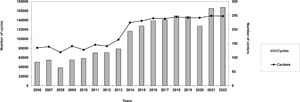
Figure 1. Evolution of the cycles performed and the centers participating in IVF/ICSI, 2006–2022.
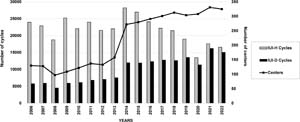
Figure 2. Evolution of the cycles performed and the centers participating in intrauterine insemination from 2006 to 2022
There were 37,782 IVF/ICSI cycles initiated with fresh oocytes in 2020, 46,224 in 2021 and 42,341 in 2022 (by default, a cycle is considered to be performed with fresh oocytes unless specified otherwise). In 2020, 10,326 donor egg reception cycles with fresh oocytes were performed, corresponding to 10,865 donor retrievals, in 2021, 12,344 reception cycles were performed from 11,730 donor retrievals and in 2022, 12,110 reception cycles were performed from 10,849 donor retrievals (Figure 3).
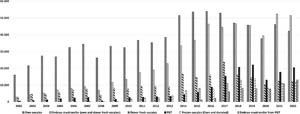
Figure 3. Evolution of the types of cycles
Data on pregnancies and multiple births were analyzed based on the number of embryos transferred from fresh oocytes, with a total of 22,075 embryos in 2020, 25,028 embryos in 2021 and 20,765 in 2022, compared to 6,275, 6,890 and 6,076 embryos (in 2020, 2021 and 2022) from donor oocytes (Figures 4-6).
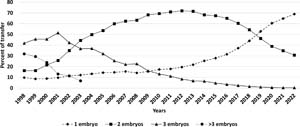
Figure 4. Evolution of the number of embryos transferred in cycles with own oocytes up to 2022
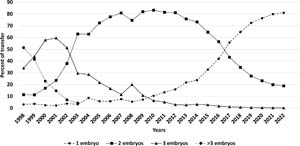
Figure 5. Evolution of the number of embryos transferred in donor oocyte recipient cycles up to 2022
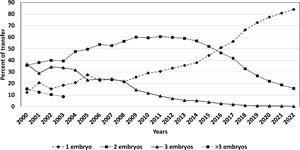
Figure 6. Evolution of the number of embryos transferred in embryo cryotransfer up to 2022
Data on cycles, retrievals, transfers, pregnancies, and births are reported based on the transfer of fresh or cryopreserved embryos, from a total of 13,153 PGT cycles in 2020, 17,828 in 2021 and 20,502 in 2022 (Figure 3).
Activity by technique
IVF/ICSI with own fresh oocytes
Treatments with fresh autologous oocytes are defined as treatments where fertilization is initiated on the day of ovum pick-up, with no report of oocytes being warmed following a previous vitrification.The total number of these IVF/ICSI cycles was 37,782 in 2020, 46,224 in 2021, and 42,341 in 2022 corresponding to 31,647, 38,431, and 34,978 patients, respectively. The fertilization technique employed was IVF in 4,344 cycles and either ICSI or a mix of IVF/ICSI in the remaining 33,438 treatments in 2020. For 2021 these numbers were 5,104 and 41,120, and for 2022 they were 4,083 and 30,895, respectively.Most patients were older than 35 years in all three years (70.6%, 70.6%, and 69.9%, respectively), indicating that the 2020 decrease in cycles did not appear to cause an increase in treatment age among patients.The cycles that led to a fresh embryo transfer were 15,748 in 2020, 18,454 in 2021, and 15,786 in 2022, while 11,297, 14,623, and 13,679 cycles, respectively, underwent freezing of all embryos. The pregnancy rate per fresh embryo transfer remained stable, from 34.5% in 2020 to 34.4% in 2021 and 34.6% in 2022, as did the pregnancy rate per initiated cycle, from 14.4% in 2020 to 13.7% in 2021 and 12.9% in 2022, a clear reflection of the advanced maternal age of patients in Spain.The multiple pregnancy rate remained low, at 10.5% in 2020, 10.0% in 2021, and 9.0% in 2022, reaching a value below the 10% threshold for the first time after a decade-long decreasing trend (birth multiplicity; Figure 7). The average number of embryos transferred per transfer was 1.4 in 2020, 1.36 in 2021 and 1.32 in 2022, again continuing the trend observed in previous years.
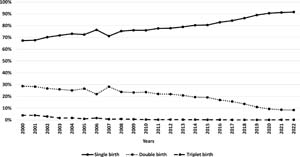
Figure 7. Birth multiplicity – own fresh oocytes with fresh transfer
Live birth rates per cycle reported for these treatments were 11.4% in 2020, 10.4% in 2021, and 10.1% in 2022, respectively.Cryotransfers with fresh autologous oocytes are defined as treatments where the embryos are transferred after cryopreservation and warming. This includes the successive transfers following one fresh embryo transfer as well as the transfers in a freeze-all cycle.The total number of cycles where embryos were warmed was 27,571 in 2020, 37,310 in 2021 and 36,235 in 2022, resulting in 26,743, 36,400 and 35,366 transfers, respectively, which indicated a cancellation rate post warming of 3.0%, 2.4%, and 2.4% respectively. These cycles corresponded to 27,304, 37,159 and 35,929 patients in 2020, 2021 and 2022. Most patients were older than 35 years across all three years (65.2%, 65.2%, and 65.0%, respectively).The pregnancy rate per cryotransfer remained stable, from 40.6% in 2020 to 41.0% in 2021 and 41.4% in 2022, as did the pregnancy rate per cryotransfer cycles, from 39.3% in 2020 to 40.0% in 2021 and 40.4% in 2022.The multiple pregnancy rate continued to decrease, at 8.1% in 2020, 7.7% in 2021 and 6.3% in 2022, continuing a decade-long trend. The average number of embryos transferred per cryotransfer was 1.26 in 2020, 1.23 in 2021 and 1.19 in 2022, again continuing the trend seen in previous years.Live birth rates per warming cycles reported for these treatments were 30.2% in 2020, 31.2% in 2021, and 30.5% in 2022.
IVF/ICSI with patients’ own vitrified oocytes
Treatments with patient vitrified oocytes are defined as treatments where fertilization is initiated on a date that is later than the day of the reported ovum pick-up. The total number of these started cycles was 854 in 2020, 1,152 in 2021, and 1,190 in 2022, the highest number ever recorded in the registry; these cycles corresponded to 541, 712, and 677 embryo transfers, respectively. The pregnancy rate per fresh embryo transfer using vitrified own oocytes remained substantially unchanged, from 41.2% in 2020 to 41.9% in 2021 and 43.0% in 2022. This corresponds to a pregnancy rate per cycle of 26.1%, 26.3%, and 24.5% respectively. Live birth rates per warming cycles reported for these treatments were 19.1% in 2020, 19.6% in 2021, and 18.4% in 2022.Cryotransfers from vitrified oocytes are defined as treatments where the embryos generated from vitrified oocytes are transferred after cryopreservation and warming.The total number of cycles with warmed embryos from vitrified oocytes was 380 in 2020, surged to 596 in 2021 and continued to grow steadily to 696 in 2022, resulting in 372, 582, and 682 transfers, respectively, which indicated a cancellation rate post warming of 2.1%, 2.3%, and 2.0%, respectively. The pregnancy rate per vitrified oocytes cryotransfer remained stable, from 37.9% in 2020 to 39.0% in 2021 and 36.1% in 2022, as did the pregnancy rate per cryotransfer cycle, from 37.1% in 2020 to 38.1% in 2021 and 35.4% in 2022. Live birth rates per warming cycles reported for these treatments were 31.6%, 30.2%, and 22.8%, respectively.
IVF/ICSI with fresh donor oocytes
Treatments with fresh donor oocytes are defined as treatments where fertilization is initiated on the day of the reported donor ovum pick-up, with no report of donor oocytes being warmed following a previous vitrification.The total number of these started cycles was 12,001 in 2020, 13,287 in 2021, and 12,590 in 2022, corresponding to 10,865, 11,730 and 10,849 ovum pick-ups, respectively. These donations were allocated to 10,326 in 2020, 12,344 in 2021 and 12,110 recipients in 2022. The majority of recipients were over 40 years of age, and this proportion did not change between 2020 (74.4%), 2021 (75.0%), and 2022 (76.2%) again suggesting that the COVID pandemic did not negatively affect the age of patients accessing ART in Spain. Nevertheless, the age of recipients has been increasing steadily for the last decade, in agreement with an overall trend to older parenthood in the country and suggesting that the main indication for receiving donated oocytes is age related ovarian insufficiency/failure.The reception cycles were divided almost equally between those where all embryos were frozen and the first transfer deferred (4,812, 6,001, and 6,386 for 2020, 2021 and 2022 respectively) and those that underwent a fresh transfer (5,065, 5,730, and 5,102, respectively). The pregnancy rate per fresh embryo transfer remained stable: 57.5% in 2020, 58.7% in 2021, and 56.9% in 2022. The multiple pregnancy rate continued to decrease, from 10.3% in 2020 to 9.2% in 2021–falling below the 10% threshold for the first time–and to 7.8% in 2022, in line with a decade-long trend (birth multiplicity; Figure 8). The average number of embryos transferred per transfer was 1.24 in 2020, 1.20 in 2021 and 1.19 in 2022, again continuing the trend registered in previous years. Live birth rates reported for these treatments were 25.3%, 22.2%, and 19.2%, respectively.
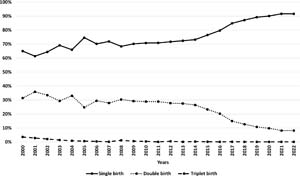
Figure 8. Birth multiplicity – fresh donor oocytes with fresh transfer
Cryotransfers from fresh donor oocytes are defined as treatments where the embryos are transferred after cryopreservation and warming. This includes the successive transfers following one fresh embryo transfer as well as the transfers in a freeze-all cycle.The total number of cycles with warmed embryos from donated oocytes was 11,865 in 2020, 15,096 in 2021, and 15,384 in 2022 resulting in 11,699, 14,893, and 15,192 embryo transfers, respectively, which indicated a cancellation rate post warming of 1.3%, 1.3%, and 1.2%, respectively. These cycles corresponded to 11,856, 15,067 and 15,350 patients in 2020, 2021, and 2022, respectively. Patients were again mostly older than 40 along the years included in this report (77.1%, 78.1%, and 78.4%, respectively).The pregnancy rate per donor cryotransfer remained stable, from 45.8% in 2020 to 45.9% in 2021 and 44.2% in 2022, as did the pregnancy rate per donor cryotransfer cycles, from 45.1% in 2020 to 45.9% and 45.3% in 2021 and 2022, respectively (Figure 9).
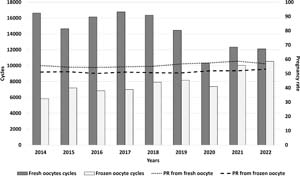
Figure 9. Number of cycles with donated oocytes and their pregnancy rates per transfer
The multiple pregnancy rate from donor cryotransfer continued to decrease, at 6.9% in 2020, 5.6% in 2021, and reaching an all-time low of 5.4% in 2022 (birth multiplicity; Figure 10). The average number of embryos transferred per donor cryotransfer was 1.17 in 2020, 1.13 in 2021 and 1.11 in 2022, again continuing the trend seen in previous years.
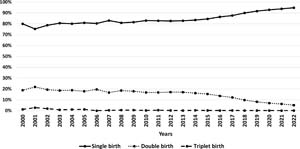
Figure 10. Birth multiplicity – embryo cryotransfers from own and donor fresh oocytes
Live birth rates per warming cycles reported for these treatments were 34.8% in 2020, 34.8% in 2021, and 33.6% in 2022.
IVF/ICSI with vitrified donor oocytes
Treatments with vitrified donor oocytes are defined as treatments where fertilization is initiated on a date that is later than the day of the reported donor ovum pick-up.The total number of these started cycles was 7,371 in 2020, 10,047 in 2021, and 10,548 in 2022, the highest number ever recorded in the registry; these cycles corresponded to 5,225, 7,021, and 7,288 embryo transfers, respectively. The pregnancy rate per fresh embryo transfer using vitrified donor oocytes remained stable, from 51.9% in 2020 to 52.0% in 2021 and 53.1% in 2022. This corresponds to a pregnancy rate per cycle of 36.8%, 36.3% and 36.7%, respectively. Live birth rates per warming cycles reported for these treatments were 29.1% in 2020, 29.1% in 2021, and again 29.1% in 2022.Cryotransfers from vitrified donor oocytes are defined as treatments where the embryos generated from vitrified oocytes are transferred after cryopreservation and warming.The total number of cycles with warmed embryos from vitrified donated oocytes was 5,345 in 2020 and surged to 7,453 in 2021 and to 8,364 in 2022, resulting in 5,283, 7,348 and 8,242 transfers, respectively, which indicated a cancellation rate post warming of 1.2%, 1.4%, and 1.5%, respectively. The pregnancy rate per vitrified donor oocytes cryotransfer remained stable, from 39.7% in 2020 to 40.3% in 2021 and 39.8% in 2022, as did the pregnancy rate per donor cryotransfer cycles, from 39.3% in 2020 to 39.7% in 2021 and 39.2% in 2022 (Figure 9). Live birth rates per warming cycles reported for these treatments were 31.6% in 2020, 30.2% in 2021, and 29.8% in 2022, respectively.
Cycles with donated embryos
Embryos that are no longer used by the intended couples in their reproductive plan can be donated to other couples for reproductive purposes. These embryos can be generated from both patients own gametes, or from donated gametes (oocyte, sperm, or both). In 2020, embryos derived from 2,309 cycles were donated and used by other patients, leading to 2,237 cryotransfers. In 2021, these numbers were 3,030 and 2,944, respectively. In 2022, they were 2,781 and 3,296, respectively. The pregnancy rate per donated vitrified embryo cryotransfer remained stable, from 44.4% in 2020 to 46.0% in 2021 and 44.2% in 2022, as did the pregnancy rate cycle, from 43.1% in 2020 to 44.7% in 2021 and 42.9% in 2022. Live birth rates per patient treated reported were 32.4% in 2020, 34.7% in 2021, and 39.5% in 2022.
Preimplantation genetic testing (PGT)
The Spanish registry does not currently differentiate between the types of PGT carried out, and therefore there are no specific numbers reported for PGT-A, PGT-M and PGT-SR. Nevertheless, from the indications reported for PGT, it is clear that most PGT is to select against aneuploidies (PGT-A).The most frequent indications for using this technique in 2020, 2021 and 2022 were advanced maternal age (59.6% vs. 60.2% vs. 59.2%), followed by other causes (15.1% vs. 15.7% vs. 18.0%). Other common causes include recurrent miscarriages (6.2% vs. 5.9% vs. 5.3%), cytogenetic diseases (6.8% vs. 5.1% vs. 4.2%), molecular diseases (6.7% vs. 7.0% vs. 7.3%), and implantation failure (5.6% vs. 6.1% vs. 6.0%). A total of 13,153 (2020), 17,828 (2021) and 20,502 (2022) fresh cycles of PGT were initiated, leading to 11,127, 15,030, and 17,623 ovum pick up, respectively. As expected, a small minority of transfers were carried out fresh (174, resulting in 74 pregnancies for 2020; 214, resulting in 100 pregnancies in 2021 and 185, resulting in 103 pregnancies in 2022). Most embryos were frozen and transferred subsequently. In the case of cryotransfer of embryos for PGT cycles, 7,755 warming were carried out in 2020 and 10,878 in 2021, and 13,235 in 2022, resulting in 7,293, 10,191 and 12,256 cryotransfers, respectively. This indicates that the rate of cancellation for cycles with euploid embryos available for transfer was 5.9% in 2020, 6.3% in 2021 and 7.3% in 2022. The pregnancy rate for cryotransfer of PGT embryos was 52.3%, 53.0%, and 52.0% respectively, with a rate per warmed cycle of 49.2%, 49.6%, and 48.1%, respectively.Given the transfer of euploid embryos and consequent SET, the cases of multiple pregnancy were low: 3.0% in 2020, 3.2% in 2021, and 3.5% in 2022, continuing a rapidly descending trend (birth multiplicity; Figure 11). Interestingly, the live birth rate per warming cycles with euploid embryos was 39.1%, 40.4%, and 38.5%, respectively.
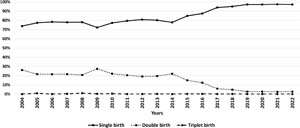
Figure 11. Birth multiplicity – PGT (fresh transfers + cryotransfers)
Treatment complications and adverse effects
The complication that required hospital admission reported most frequently was ovarian hyperstimulation syndrome with a percentage of the total cycles of 0.066% in 2020, 0.061% in 2021, and 0.051% in 2022, followed by hemorrhage (0.049% vs. 0.047% vs. 0.052%) and induced embryo reduction (0.032% vs. 0.013% vs. 0.014%). Further, 133 cases of complications from other causes (0.104%) were reported in 2020, 179 (0.108%) in 2021, and 146 (0.087%) in 2022. One maternal death was reported in 2021 and one in 2022 among patients undergoing ART; the registry does not establish whether these events were directly attributable to ART treatment or occurred during an ART-associated pregnancy.The proportion of deliveries by Cesarean section (C-section) remained stable with 46.8% in 2020, 46.9% in 2021 and 47.8% in 2022. The highest rate of C-sections was reported for techniques utilizing donated gametes and embryos, possibly due to the advanced age of the mother. They were 59.9% in ICSI cycles with donated oocytes in 2020, 58.8% in 2021, and 58.1% in 2022. The percentage of malformations remains very low and within the expected range: 1.3% in both 2020 and 2021, and 1.1% in 2022.In 2020, the overall percentage of prematurity with fresh oocytes was 12.0%; this percentage was 8.4% for singleton pregnancies, rising to 46.8% in twin pregnancies and 100% in triple pregnancy or more. These values were 12.5%, 8.8%, 50.9% and 71.5% in 2021, and 11.6%, 8.2%, 48.2% and 100% in 2022. Overall, the percentage of extreme prematurity was 0.5%, 0.6% and 0.5% for 2020, 2021, and 2022, respectively.
Cross border reproductive care in Spain
Spain has recorded over the years a significant influx of cross border reproductive care patients. This trend suffered a decrease in 2020 most likely due to the difficulties for international travel brought about by the COVID-19 pandemic. A total of 13,588 treatments were performed in patients residing outside of Spain in 2020, 20,010 in 2021 and 27,564 in 2022. The most sought after treatment was oocyte donation, with 7,024, 11,081, and 14,408 cycles, in 2020, 2021 and 2022, respectively.The countries of residence of patients travelling to Spain for treatment were, in order of frequency, France, Italy, UK and Germany for all three years.
Intrauterine insemination with partner’s sperm (IUI-H) and donor semen (IUI-D)
The analysis of artificial insemination from 2020 to 2022 aligned overall with recent trends. There has been a progressive decrease in the number of IUI-H procedures and slight increase in IUI-D activity. Tendency towards a reduction in the number of multiple pregnancies compared to the first years of the last decade and no significant changes in miscarriages and success rates measured as the percentage of healthy newborns over the years. The suspension of activity for a little over two months due to the COVID-19 pandemic in 2020 resulted in a 25% decrease in the number of artificial inseminations compared to 2019. This decrease was partially recovered in 2021, bringing in 2022 the figures back to the expected point on the downward trend curve. Total AI procedures in 2020 amounted to 24,816 (IUI-H: 13,465 and IUI-D: 11,351), while in 2021, the total was 33,818 (IUI-H: 17,593 and IUI-D: 16,225). In 2022 total AI was 31,635 (IUI-H: 16,575 and IUI-D:15,060) (Figure 2).Treatment distribution by source of semen and across women age groups reveals that, for IUI-H, most procedures are performed in women <35 years old (54% in 2020, 2021 and 2022). This is also the group with the best outcomes (13.3% in 2020 and 14.3% in 2021 and 2022). In contrast, for IUI-D, the majority of treatments are conducted on women >35 years old (58% in 2020, 2021 and 2022), while the highest success rates are still observed in younger women under 35 (22% in 2020 and 23% in 2021 and 2022). The pregnancy rate per cycle remains stable at around 15% (15.7% in 2020, 16.5% in 2021 and 16.1% in 2022). The rate is 12.9% 13.5% and 13.7% for IUI-H in 2020, 2021, and 2022 respectively, but rises about 6 points for IUI-D: 19.1%, 19.7% and 18.8% in 2020, 2021 and 2022 respectively (Figure 12). Multiple pregnancies have decreased over the years, dropping to 9.4% in 2020 and 8.5% in 2021, with a minimal, non-significant increase in 2022 (9%) compared to its lowest value in 2019 (8.6%) (Figure 13). The overall miscarriage rate was reported to be 18.9% in 2020, 17.8% in 2021, and 19.3% in 2022. There were no significant differences between partner and donor sperm. The miscarriage rate increased with age, reaching 37.9% in 2020, 38.6% in 2021 and 41.2% in 2022 in women aged 40 or older. This age group also reported the lowest number of deliveries, accounting for just 5% in both 2020 and 2021 and 6% in 2022.
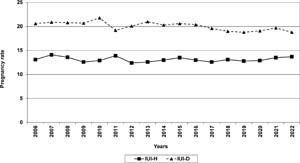
Figure 12. Pregnancy rate in IUI-H and IUI-D up to 2022
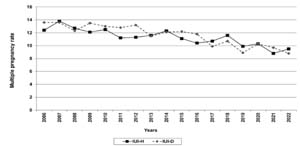
Figure 13. Multiple pregnancy rate in IUI-H and IUI-D up to 2022
DISCUSSION
COVID-19 and assisted reproduction in Spain
This report, comparing the activity in the Spanish health system of assisted reproduction centers during 2020 through 2022 offers the opportunity to understand the challenges faced during the COVID-19 pandemic, and to delve deeper in the response of the assisted reproduction community to the significant challenges brought about by the public health crisis.The overall activity, as expected, decreased in 2020 compared to previous years, with a recovery in 2021 to pre pandemic levels. Trend similar to that observed in other regions (Wei et al., 2023; Zegers-Hochschild et al., 2025). After the peak of activity in 2021, activity in 2022 had aligned with the expected trend, increasing IVF cycles and decreasing IUI cycles, compared to 2019. Overall, treatments mostly recovered their number in 2021, and this is especially visible in oocyte donation cycles and in cycles for cross border reproductive care patients, with 2022 marking the return to the expected pre pandemic trend. Overall, we observed no significant change in the results or trends observed in previous years. Probably, the delay in treatments, which should have negatively affected the results as some authors suggest (Bhattacharya et al., 2021), did not occur in the case of Spain, as the inactivity period due to pandemic lockdowns was less than 3 months. The health restrictions imposed in Spain may, at least in part, account for the increase in freeze-all cycles and the reduction in the number of total cycles in 2020 compared to the previous year.The percentage of most frequent complications of IVF/ICSI has been maintained through 2020, 2021 and 2022, following the trend of recent years (Martínez-Granados et al., 2022; Cuevas et al., 2018, 2020; Zamora et al., 2017; Prados et al., 2011, 2014; Luceño et al., 2010; Cabello et al., 2009a,b; Marqueta et al., 2007a,b, 2008). This is particularly reassuring as one could expect that more conservative approaches may have been applied in 2020. The maintenance of the low complication rate in line with previous and later years indicates that the overall activity in Spain is characterized by high safety level and clinical quality standard. Along the same lines, the overall number of oocytes collected at ovum pick-up has not changed between 2020, 2021 and 2022, being approximately 9 across years, implying the maintenance of standard clinical practices both in and out of the public health emergency.
Overall activity indicators
Cycles with patients’ own oocytes that did not make use of PGT have been steadily declining over the years, with a corresponding increase in preimplantation diagnosis, which in 2022 was performed in 20,502 cycles. Part of this increase could be attributed to the continuous increase of the average age at which women seek treatment in Spain, which reflects the ever increasing age at first birth in the country.Just about 4,000 treatments were performed through classical IVF in all 3 years analyzed, part of an ongoing trend that sees classical IVF losing favor to ICSI and mixed IVF/ICSI treatment. The proportion of classical IVF fertilization in Spain is still far from the European average (27.5%) (European IVF Monitoring Consortium (EIM), 2025). Success rates were similar in both IVF and ICSI techniques, however classical IVF cycles consistently provided pregnancies per started cycles and live births per started cycles consistently 2-3% higher than other insemination techniques.An increase in the number of reproduction cycles using vitrified donated oocytes, compared to fresh donated oocytes is observed. This reflects advances in egg preservation and storage techniques. According to registry data, pregnancy rates per transfer are comparable in both treatments, which reinforces the viability of vitrification as an effective and safe alternative (Kushnir et al., 2015; Martínez-Granados et al., 2022).The percentage of multiple gestation (around 10% overall in 2020, and decreasing to about 8% overall in 2022), continues to remain below the European average (around 10%) (European IVF Monitoring Consortium (EIM), 2025). In general, there is a trend towards a decrease in the percentage of multiple births year after year. In none of the cases did the rate of triple pregnancies or higher reach 0.2%. It is noteworthy that in PGT cycles, the multiple gestation rate is much lower than that mentioned, hovering around 3% in all three years. This datum can be explained by the overwhelming practice to transfer a single euploid blastocyst stage embryo.The high efficiency of cryopreserved embryo transfer, together with the decrease of pregnancy loss in natural cycle transfers, are probably the main factors behind the freeze-all cycles continued growth, which showed a sustained trend through 2022. The pregnancy rate per embryo transfer in PGT cycles remained high in the years analyzed (52.3% vs. 53.0% vs. 52.0%). Advanced maternal age continues to be the most common cause of PGT.Some authors observed an increase in the rate of loss to follow-up of pregnancies during 2020, which affected the calculation of some rates (Zegers-Hochschild et al., 2025). In the case of Spain, the percentage of pregnancies with unknown outcomes has remained around 5%, following the trend since records have been kept.This report recognizes some limitations, mostly due to the nature of the registry itself: the data are collected in bulk from clinics, and this prevents delving into some variables. Further, both delivery rates and pregnancy loss rates are underestimated, as some lost to follow up cycles are still present in the registry, ranging between 2.8% and 4.4% of total pregnancies according to the technique. The registry does not separate PGT-A, PGT-M, and PGT-SR, so these indications cannot be analyzed individually. In addition, factors such as public-health restrictions, patient mobility, and individual clinical decision-making were not directly measured by the registry; their relationship to the observed changes is therefore inferred rather than demonstrated.In summary, although the number of cycles recorded in Spain has steadily increased since registry began (Cuevas et al., 2020), with the exception of 2008 due to logistical changes in the operation of the registry (Cuevas et al., 2020), 2020 has been the first year to actually see a real decrease in activity. This decrease has taken place despite the fact that PGT cycles continue their upward trend. In addition, the trends observed in previous years regarding a decrease in the number of embryos transferred and the multiple gestation rate are maintained, with 2021 being the first year that single embryo transfers exceed those of two embryos in cycles with patients’ own oocytes. Oocyte cryopreservation in donor cycles continues to increase.The quality of the data collected increases year by year, due to the greater coverage of participating centers and the decrease in pregnancies outcomes lost to follow-up.
Acknowledgments:
The Spanish Fertility Society thanks all reproduction centers for their participation in the national activity registry.
REFERENCES
Bhattacharya S, Maheshwari A, Ratna MB, van Eekelen R, Mol BW, McLernon DJ. Prioritizing IVF treatment in the post-COVID-19 era: a predictive modelling study based on UK national data. Hum Reprod. 2021;36:666-75. PMID: 33226080 DOI: 10.1093/humrep/deaa339
Medline
European IVF Monitoring Consortium (EIM) for the European Society of Human Reproduction and Embryology (ESHRE); Smeenk J, Wyns C, De Geyter C, Kupka MS, Bergh C, Cuevas Saiz I, De Neubourg D, Rezabek K, Tandler-Schneider A, Rugescu I, Goossens V. ART in Europe, 2020: results generated from European registries by ESHRE†. Hum Reprod. 2025;40:2038-55. PMID: 40985526 DOI: 10.1093/humrep/deaf179
Medline
Kushnir VA, Barad DH, Albertini DF, Darmon SK, Gleicher N. Outcomes of Fresh and Cryopreserved Oocyte Donation. JAMA. 2015;314:623-4. PMID: 26262802 DOI: 10.1001/jama.2015.7556
Medline
Wei L, Zhang J, Deng X, Luo C, Bo L, Gao S, Qian F, Lu S, Mao C. Impacts of the COVID-19 pandemic on Chinese assisted reproductive technology institutions and human sperm banks: reflections in the post-pandemic era. J Health Popul Nutr. 2023;42:82. PMID: 37592335 DOI: 10.1186/s41043-023-00422-1
Medline
Zegers-Hochschild F, Crosby JA, Musri C, Petermann-Rocha F, Martinez G, Nakagawa H, Morente C, Roque A, Palma-Govea A. Assisted reproductive technologies in Latin America: the Latin American Registry, 2021. JBRA Assist Reprod. 2025;29:167-90. PMID: 40073223 DOI: 10.5935/1518-0557.20240107
Medline