JBRA Assist. Reprod. 2023;27(2):197-203
ORIGINAL ARTICLE
doi: 10.5935/1518-0557.20220041
In vitro fertilization as an independent risk factor for perinatal complications: Single-center 10 years cohort study
1Department of Obstetrics and Gynaecology, All India Institute of Medical Sciences, New Delhi, India
CONFLICT OF INTEREST
The authors have no conflict of interest to declare.
ABSTRACT
Objectives: Assisted Reproductive Technology (ART) has made great strides in the past forty-years, but no medical treatment comes without side effects. Despite several studies reporting high incidences of perinatal complications, the association is inconclusive. Also, the effect of racially and ethnically distinguished Asian population undergoing ART on perinatal outcomes is not well studied. Therefore, this study attempts to compare various perinatal outcome parameters in ART, and spontaneously conceived singleton pregnancies from a single high-volume tertiary care center.
Methods: This is a retrospective cohort study from a single tertiary infertility center, carried out from January 2011 to September 2020. The study included 1,125 IVF conceived babies (AB group) and 7,193 spontaneous conceived babies (SB group). The groups were compared using the Pearson Chi-square test and adjusted odds ratio, calculated using the multivariate analysis.
Results: Most of the perinatal complications, such as preterm birth (PTB), early preterm birth, low birth weight (LBW), extremely low birth weight, small for gestational age, large for gestational age babies, neonatal intensive care unit (NICU) admission, need for surfactant, meconium aspiration syndrome, neonatal seizures, intraventricular hemorrhage, hypoxic-ischemic encephalopathy, and patent ductus arteriosus was significantly increased in the AB group when compared to the SB group (p<0.05). In-vitro fertilization (IVF) independently increases the risk of LBW (aOR 2.530; 95% CI 2.194-2.917), PTB (aOR 4.004; 95% CI 3.496-4.587), NICU admission (aOR 2.003; 95% CI 1.610-2.492) and neonatal seizures (aOR 9.805; 95% CI 5.755-16.706).
Conclusions: All ART-conceived pregnant patients should receive antenatal counselling regarding perinatal complications and should deliver at a tertiary care center with appropriate NICU support.
Keywords: ART, IVF, perinatal outcomes
INTRODUCTION
Assisted Reproductive Technology (ART) has made great strides in the forty years since the birth of the first in-vitro fertilization (IVF) baby in 1978. The field has made incredible advancements and expanded its knowledge, resulting in more than six million babies born worldwide through ART (Kupka et al., 2014). IVF has bypassed the hurdles of infertility by conception in a petri dish. This brought forth great enthusiasm for both patients and their clinicians, thus resulting in 2.5 million IVF cycles per year (Fauser, 2019).
Just like a coin has two sides, no medical treatment comes without side effects. There has been caution among clinicians while offering ART because of controversial evidence regarding the increased risk of perinatal complications in IVF conceived babies (Berntsen et al., 2019) According to previous studies, either cause of infertility or ovarian stimulation cycle characteristics like the number of oocytes retrieved, type of stimulation cycle or whether it was fresh or frozen embryo transfer or if trophectoderm/cleavage stage biopsy was taken, can bring epigenetic modification in embryos and are thought to be the factor influencing perinatal outcome (Berntsen et al., 2019; Chung et al., 2006; Pinborg et al., 2013). The process of ART manipulates gametes and the embryo, thus affecting epigenetic stability, leading to gamete/embryo origin of adult diseases. Therefore, children born from successful IVF cycles have been reported to have an increased risk of gamete/embryo origin of adult diseases, such as early-onset diabetes, cardiovascular disease, etc. (Romundstad et al., 2008; Jiang et al., 2017). The neonatal outcomes after IVF have been reported to be worse than in the general population with similar maternal age, parity, and social standing, attributed due to the large proportion of multifetal births after IVF (Koivurova et al., 2002). Likewise, a fourfold increase in congenital heart malformations has also been reported in babies born via ART pregnancies (Koivurova et al., 2002; Padhee et al., 2015).
However, currently available data provides no conclusive evidence regarding IVF as an independent risk factor for these adverse perinatal outcomes. Various maternal confounding factors may predispose them to various perinatal complications; therefore, there is a lack of data regarding IVF as an independent predisposing factor. Further absence of a national ART registry in our country and other developing countries in South Asia, adds to the scarcity of data comparing ART cycles with spontaneously conceived pregnancies in a racially and ethnically distinguished Indian population. This study attempts to investigate IVF as an independent risk factor for various perinatal complications in ART conceived pregnancies to help in counselling and prognosticating the IVF conceived couples.
MATERIAL AND METHODS
A retrospective study was conducted at an IVF facility of a tertiary care center. It was an observational cohort study involving prospectively collected data from January 2011 to September 2020, which comprised of all infertile females undergoing successful fresh transfer IVF cycles resulting in a singleton pregnancy. For comparison and correlation, a similar cohort of singleton spontaneously conceived females was included as a control. Inclusion criteria involved either primigravida or multigravida with the past history of only one abortion, while patients with co-existing medical disorders (cardiac disease, pregestational diabetes, hypertension, asthma, seizure disorder, hypothyroidism), in-vitro fertilization with donor oocyte cycle or frozen embryo transfer were excluded from the study. 10,360 females fulfilled these criteria; however, due to incomplete medical records only 8,318 were included in the study. Among these, 7,193 conceived spontaneously, while the remaining 1,125 conceived via IVF. All patients received standard antenatal care as per the departmental protocol and delivered at least one live birth after the viable age i.e., 26 weeks. Both the ART and control group were analyzed for perinatal complications.
Perinatal outcome measures included: gestation at delivery, the newborn weight, Apgar scores, mode of delivery, the requirement of NICU admission, oxygen requirement (if any), need for resuscitation/ventilatory support/surfactant administration, any congenital malformation, and neonatal mortality.
Low birth weight was defined as baby weight at birth less than 2500 gr (WHO, 2004) and preterm birth, as defined as delivery before 37 weeks of gestation (WHO, 2018). Low birth weight is further categorized into very low birth weight (VLBW, <1500 g) and extremely low birth weight (ELBW, <1000g) (WHO, 2004). Similarly preterm birth is further classified into early (<34 weeks) and late preterm birth (34-37 weeks) for better evaluation (Chawanpaiboon et al., 2019). Neonatal death has been defined by the World Health Organization (WHO) as “deaths among live births during the first 28 completed days of life” (WHO, 2006).
Statistical analysis
The data was compiled on an excel spreadsheet and analyzed using SPSS.v.23 software. The data were divided into two groups: (a) Babies conceived via ART (AB) and (b) Spontaneously conceived babies (SB). Variables amongst the groups were compared using the Pearson Chi square test and a p-value <0.05 was considered statistically significant. Multivariate analysis was performed; adjusted odds ratios (aORs), 95% confidence intervals (CIs), and 2-sided p values were calculated. Differences were considered statistically significant if the effect estimate excluded 1.0 from the 95% CI and the 2-sided p-value was <0.05.
RESULTS
Out of the 8,318 females included in the study, 1,125 females conceived through ART. The mean age of ART conceived females was higher than spontaneously conceived females (31 years versus 26 years), which was statistically significant (p<0.001). The distribution of maternal age in the two groups is shown in Table 1. The majority (>50%) of the AB group females were more than 30 years of age, contrary to the SB group females who were mostly confided in the 21-30 years age group.
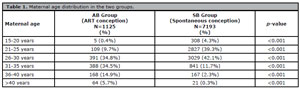
Table 1. Maternal age distribution in the two groups.
Perinatal complications
The majority of the perinatal complications like preterm birth (PTB), early preterm birth, low birth weight (LBW), extremely low birth weight, small for gestational age (SGA), large for gestational age (LGA) babies, neonatal intensive care unit (NICU) admission, need for surfactant, meconium aspiration syndrome (MAS), neonatal seizures, intraventricular hemorrhage (IVH), hypoxic-ischemic encephalopathy (HIE) and patent ductus arteriosus (PDA) was significantly increased in AB group as compared to the SB group (p<0.05). Whereas the incidence of transient tachypnoea of new-born (TTN), hyaline membrane disease (HMD), congenital malformations and neonatal death was similar in the two groups (Table 2).
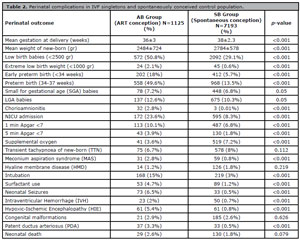
Table 2. Perinatal complications in IVF singletons and spontaneously conceived control population.
IVF as an independent risk factor for LBW and PTB
Babies conceived with ART delivered at an earlier gestation (36±3 weeks vs. 38±2.3 weeks, p<0.001) and had statistically significantly lower birth weight (2484±724gr vs. 2784±578gr, p<0.001) compared to spontaneously conceived babies. There are various independent risk factors of LBW and PTB like pre-eclampsia, gestational hypertension, maternal age, and antepartum hemorrhage. IVF also independently increases the risk of LBW and PTB by 2.5 times (p<0.001) and 4 times (p<0.001), respectively (Tables 3 and 4).
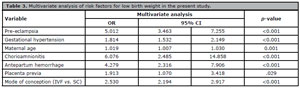
Table 3. Multivariate analysis of risk factors for low birth weight in the present study.
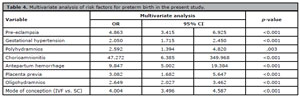
Table 4. Multivariate analysis of risk factors for preterm birth in the present study.
IVF as an independent risk factor for small for gestational age (SGA)
Babies of the AB group were more prone to be diagnosed with SGA (7.2% vs. 6.8%, p=0.05) than in the SB group. But on eliminating the covariates like APH, maternal age, and placenta previa, IVF has slightly increased risk for SGA, but not statistically significant (p=0.058) (Table 5).
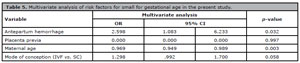
Table 5. Multivariate analysis of risk factors for small for gestational age in the present study.
IVF as an independent risk factor for NICU admission
There is a higher incidence of NICU admission for the babies from the AB group compared to those from the SB group (23.6% vs. 8.3%, p<0.001). Contributing factors like PTB, LBW, SGA, congenital anomalies, and PDA independently increase the risk of NICU admission. IVF itself is an independent predictor of NICU admission, and it doubles the risk as compared to the SB group (Table 6).
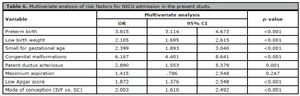
Table 6. Multivariate analysis of risk factors for NICU admission in the present study.
IVF as an independent risk factor for Neonatal seizures
There is a relatively higher incidence of neonatal seizures for the babies from the AB group compared to those in the SB group. Contributing factors, such as PTB, LBW, extremely LBW or very preterm delivery, risk of IVH or HIE. IVF itself is an independent predictor of neonatal seizures (Table 7).
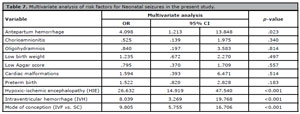
Table 7. Multivariate analysis of risk factors for Neonatal seizures in the present study.
DISCUSSION
The innovations of the 21st century in the field of ART improved pregnancy outcomes. But the positive outcomes always come at the expense of some adverse events. Recent data associated various perinatal complications with IVF conception and caused apprehension among patients and their clinicians. Evidence from previous studies was confounded, and there was no direct correlation/association of IVF with perinatal complications till now.
Among the IVF conceived babies in the current cohort, 67.6% were PTB and 50% were LBW, compared to the spontaneously conceived babies. Similarly in a metanalysis by Pandey et al. (2012), these high rates of PTB and LBW can be accounted for, due to an increased rate of induction of labor due to raised incidences of PIH, GDM, APH and other pregnancy induced co-morbidities in IVF conceived pregnancies. Also, an increased frequency of spontaneous PTB before 34 weeks was observed in IVF conceived pregnancies. Subsequently, this led to an increase in detection of patent ductus arteriosus (PDA), in concordance with the results observed in other studies too (Connuck et al., 2002). Though the incidence of LBW and VLBW is decreasing as evident in a study of the perinatal outcome of 62,379 ART singletons born between 1988 and 2007 in four Nordic countries from the CoNARTaS group (Henningsen et al., 2011), there were significant adjusted risk between 1.41 and 2.04 for PTB and 1.6-1.7 for LBW in pregnancies conceived through IVF/ICSI (Marino et al., 2014). Although 50.8% of the babies were less than 2500gr; only 7.2% were small for gestational age (SGA), highlighting PTB as the primary cause for LBW. PIH being the primary contributing factor for SGA babies, causes placental hypoperfusion; thereby preventing fetal growth (Friedman et al., 1991). The current study also observed an increased incidence of SGA in the AB group, as compared to the SB group, but ART is not an independent risk factor for such babies. This might be contrary to some published literature (Pandey et al., 2012), but the recent study by Glatthorn et al. (2021), in tandem with our study, concluded for the reduced risk of SGA births reflecting changes in modern infertility treatments, maternal lifestyle, and better compliance to prenatal care.
Current data support an increased risk of low birth weight babies associated with controlled ovarian stimulation and manipulation of gametes in fresh transfer cycles, because it affects endometrial receptivity, implantation, and early pregnancy (Shih et al., 2008)distribution of birthweight, z-score, LBW (<2500 g. Conflicting to this existent literature (Korosec et al., 2016), our study population also demonstrated a positive correlation between LGA babies and fresh IVF cycles. This might be due to a higher incidence of GDM in the study population (due to Asian ethnicity), leading to excess weight gain for both mother and the fetus (Chen et al., 2019). Therefore, the correlation of IVF pregnancies with the perinatal outcomes should be compared in different study populations, according to race and ethnicity as they will be predisposed to different maternal complications - which can adversely affect the neonatal outcomes.
Meconium-stained liquor is a sign of fetal compromise, which leads to poor neonatal outcomes. Placental insufficiency, maternal hypertension, pre-eclampsia, and oligohydramnios induce hypoxic stress and result in anal sphincter relaxation, leading to the intrauterine passage of meconium (Mohammad et al., 2018). Meconium aspiration syndrome (MAS) occurs in 4-10% of the neonates exposed to meconium stained liquor in the milieu intrapartum (Raju et al., 2010). Because the IVF mothers frequently develop multiple pregnancy induced co-morbidities, their babies are most prone to MAS as witnessed in this study too.
Although around half of the babies born via IVF conception were late preterm; both early and late preterm births were prone to NICU admission. Also, these babies had poor Apgar scores at 1 and 5 minute-intervals, making them predisposed to oxygen supplementation and intubation. Though its exact cause remains elusive, high rates of caesarean sections and low weight at birth are the primary contributors. The rate of respiratory distress syndrome (RDS) and transient tachypnoea of new-born was similar between the two groups, as per observed by Ahmad et al. (2019). This phenomenon is chiefly attributed to our vigilant and strict antenatal and fetal surveillance, involving all IVF conceived pregnancies with early prophylactic corticosteroid administration for fetal lung maturity to patients predisposed to preterm delivery or requiring early induction of labor/delivery due to antenatal medical comorbidities.
In tandem with our study, IVF has been considered an independent risk factor for intraventricular hemorrhage (IVH) in neonates (Shariat et al., 2019). Various maternal factors associated with IVF as well as an increased predisposition to IVH include chorioamnionitis, infection, inflammation, antenatal hemorrhage, prematurity, and low birth weight (Luque et al., 2014; Shankaran et al., 2014). These risk factors also increase predilection for the risk of hypoxic ischemic encephalopathy (HIE) (Parker et al., 2018). Although the literature supporting IVF as a causative agent for HIE is scarce, our study provides robust evidence demonstrating an association between the two. HIE is also among the most common causes of symptomatic neonatal seizures; whereas IVH predisposes to neonatal seizures only when associated with parenchymal brain injury (Glass et al., 2016)burden, and short-term outcomes of seizures in neonates monitored with continuous video-electroencephalogram (cEEG. While none of the currently published literature provides evidence regarding an association between neonatal seizures and ART conception (Wang et al., 2017), our study reports a 12 fold increased risk of neonatal seizures in IVF babies. This observation can be accounted for due to very or extremely preterm birth, or very low birth weight or incomplete corticosteroid cover predisposing these babies to IVH and subsequently neonatal seizures. IVF-conceived mothers are prone to develop GDM, leading to birth of the LGA babies, which can lead to hypoglycemia and hypomagnesemia in neonates, again predisposing them to neonatal seizures.
Though a higher rate of birth defects has been reported in children conceived through IVF (Pandey et al.,2012; Hansen et al.,2013), and this risk further elevated when comparison was made with respect to major birth defects (Hansen et al., 2013), but only 2.9% of the babies in the AB group of our study had congenital malformations; such as cardiac anomalies, neural tube defects, cleft lip/palate, gastrointestinal malformations, and genitourinary malformations. This incidence was comparable to spontaneously conceived babies and also the recent literature lacks any conclusive evidence to support increased congenital anomalies in ART babies (Hoorsan et al., 2017; Banker et al., 2019). Also, the previous evidence was confounded by the inclusion of multiple order pregnancies, but the most recent population-based cohort study associated ART singletons with an increased risk of major non-chromosomal birth defects (Luke et al., 2021).
The previous literature reported an increased risk of perinatal mortality in ART conceived babies, but there is marked heterogeneity since it includes stillbirths and neonatal deaths. Similarly, singletons conceived through ART had an increased risk of infant mortality from birth up to 1 year of life, predominantly in the early neonatal period (Rodriguez-Wallberg et al., 2020); whereas our study demonstrated a similar rate of neonatal death in the AB group as compared to the SB group. This might be due to strict and vigilant fetal surveillance and the availability of one of the best NICU facilities at our center.
This study assessed IVF-conception outcomes from a high volume tertiary care center in a country that has the second largest population and houses more than a million IVF, facilities providing infertility services at a much lower cost compared to the western world (Bansode, 2017). The comparative series describes the largest cohort studied amongst current developing nations. Lack of an established national registry limited our sample size, restricting us from achieving a larger cohort as studied in western countries. This study highlighted various associations between IVF and perinatal complications. This would provide a benchmark to create awareness among fertility specialists, especially from developing nations regarding various possible complications related to IVF and would wary them to be more vigilant in diagnosing as well as treating it. IVF-pregnancy is usually deemed high risky and requires vigilant monitoring and follow-up subsequent to its effect on fetal outcomes.
CONCLUSION
ART births are strongly associated with poor perinatal outcomes. Thus, all infertile patients scheduled for high technology infertility treatments should be informed and prognosticated regarding increased perinatal risk in case of a successful IVF cycle. Careful pre-conceptional counselling and delivering at a tertiary care center with appropriate NICU support are keystones to optimize perinatal outcomes.
Acknowledgements
I would like to thank my patients for being an immense source of knowledge.
REFERENCES
Ahmad KA, Bennett MM, Rayburn P, Combs CA, Clark RH, Tolia VN. Outcomes of preterm infants conceived with in vitro fertilization. J Perinatol. 2019;39:717-22. PMID: 30723282 DOI: 10.1038/s41372-019-0332-y Medline
Banker M, Arora P, Banker J, Benani H, Shah S, Lalitkumar PGL. Prevalence of structural birth defects in IVF-ICSI pregnancies resulting from autologous and donor oocytes in Indian sub-continent: Results from 2444 births. Acta Obstet Gynecol Scand. 2019;98:715-21. PMID: 30663773 DOI: 10.1111/aogs.13541 Medline
Berntsen S, Söderström-Anttila V, Wennerholm UB, Laivuori H, Loft A, Oldereid NB, Romundstad LB, Bergh C, Pinborg A. The health of children conceived by ART: ‘the chicken or the egg?’. Hum Reprod Update. 2019;25:137-58. PMID: 30753453 DOI: 10.1093/humupd/dmz001 Medline
Chawanpaiboon S, Vogel JP, Moller AB, Lumbiganon P, Petzold M, Hogan D, Landoulsi S, Jampathong N, Kongwattanakul K, Laopaiboon M, Lewis C, Rattanakanokchai S, Teng DN, Thinkhamrop J, Watananirun K, Zhang J, Zhou W, Gülmezoglu AM. Global, regional, and national estimates of levels of preterm birth in 2014: a systematic review and modelling analysis. Lancet Glob Health. 2019;7:e37-e46. PMID: 30389451 DOI: 10.1016/S2214-109X(18)30451-0 Medline
Chen L, Shi L, Zhang D, Chao SM. Influence of Acculturation on Risk for Gestational Diabetes Among Asian Women. Prev Chronic Dis. 2019;16:E158. PMID: 31808419 DOI: 10.5888/pcd16.190212 Medline
Chung K, Coutifaris C, Chalian R, Lin K, Ratcliffe SJ, Castelbaum AJ, Freedman MF, Barnhart KT. Factors influencing adverse perinatal outcomes in pregnancies achieved through use of in vitro fertilization. Fertil Steril. 2006;86:1634-41. PMID: 17074345 DOI: 10.1016/j.fertnstert.2006.04.038 Medline
Connuck D, Sun JP, Super DM, Kirchner HL, Fradley LG, Harcar-Sevcik RA, Salvator A, Singer L, Mehta SK. Incidence of patent ductus arteriosus and patent foramen ovale in normal infants. Am J Cardiol. 2002;89:244-7. PMID: 11792356 DOI: 10.1016/S0002-9149(01)02214-7 Medline
Fauser BC. Towards the global coverage of a unified registry of IVF outcomes. Reprod Biomed Online. 2019;38:133-7. PMID: 30593441 DOI: 10.1016/j.rbmo.2018.12.001 Medline
Friedman SA, Taylor RN, Roberts JM. Pathophysiology of preeclampsia. Clin Perinatol. 1991;18:661-82. PMID: 1764879 DOI: 10.1016/S0095-5108(18)30490-1 Medline
Glass HC, Shellhaas RA, Wusthoff CJ, Chang T, Abend NS, Chu CJ, Cilio MR, Glidden DV, Bonifacio SL, Massey S, Tsuchida TN, Silverstein FS, Soul JS; Neonatal Seizure Registry Study Group. Contemporary Profile of Seizures in Neonates: A Prospective Cohort Study. J Pediatr. 2016;174:98-103.e1. PMID: 27106855 DOI: 10.1016/j.jpeds.2016.03.035 Medline
Glatthorn HN, Sauer MV, Brandt JS, Ananth CV. Infertility treatment and the risk of small for gestational age births: a population-based study in the United States. F S Rep. 2021;2:413-20. PMID: 34934981 DOI: 10.1016/j.xfre.2021.05.002 Medline
Hansen M, Kurinczuk JJ, Milne E, de Klerk N, Bower C. Assisted reproductive technology and birth defects: a systematic review and meta-analysis. Hum Reprod Update. 2013;19:330-53. PMID: 23449641 DOI: 10.1093/humupd/dmt006 Medline
Henningsen AK, Romundstad LB, Gissler M, Nygren KG, Lidegaard O, Skjaerven R, Tiitinen A, Andersen AN, Wennerholm UB, Pinborg A. Infant and maternal health monitoring using a combined Nordic database on ART and safety. Acta Obstet Gynecol Scand. 2011;90:683-91. PMID: 21477001 DOI: 10.1111/j.1600-0412.2011.01145.x Medline
Hoorsan H, Mirmiran P, Chaichian S, Moradi Y, Hoorsan R, Jesmi F. Congenital Malformations in Infants of Mothers Undergoing Assisted Reproductive Technologies: A Systematic Review and Meta-analysis Study. J Prev Med Public Health. 2017;50:347-60. PMID: 29207452 DOI: 10.3961/jpmph.16.122 Medline
Jiang Z, Wang Y, Lin J, Xu J, Ding G, Huang H. Genetic and epigenetic risks of assisted reproduction. Best Pract Res Clin Obstet Gynaecol. 2017;44:90-104. PMID: 28844405 DOI: 10.1016/j.bpobgyn.2017.07.004 Medline
Koivurova S, Hartikainen AL, Gissler M, Hemminki E, Sovio U, Järvelin MR. Neonatal outcome and congenital malformations in children born after in-vitro fertilization. Hum Reprod. 2002;17:1391-8. PMID: 11980770 DOI: 10.1093/humrep/17.5.1391 Medline
Korosec S, Frangez HB, Steblovnik L, Verdenik I, Bokal EV. Independent factors influencing large-for-gestation birth weight in singletons born after in vitro fertilization. J Assist Reprod Genet. 2016;33:9-17. PMID: 26547202 DOI: 10.1007/s10815-015-0601-4 Medline
Kupka MS, Ferraretti AP, de Mouzon J, Erb K, D’Hooghe T, Castilla JA, Calhaz-Jorge C, De Geyter C, Goossens V; European IVF-Monitoring Consortium, for the European Society of Human Reproduction and Embryology. Assisted reproductive technology in Europe, 2010: results generated from European registers by ESHRE†. Hum Reprod. 2014;29:2099-113. PMID: 25069504 DOI: 10.1093/humrep/deu175 Medline
Luke B, Brown MB, Wantman E, Forestieri NE, Browne ML, Fisher SC, Yazdy MM, Ethen MK, Canfield MA, Watkins S, Nichols HB, Farland LV, Oehninger S, Doody KJ, Eisenberg ML, Baker VL. The risk of birth defects with conception by ART. Hum Reprod. 2021;36:116-29. PMID: 33251542 DOI: 10.1093/humrep/deaa272 Medline
Luque MJ, Tapia JL, Villarroel L, Marshall G, Musante G, Carlo W, Kattan J; Neocosur Neonatal Network. A risk prediction model for severe intraventricular hemorrhage in very low birth weight infants and the effect of prophylactic indomethacin. J Perinatol. 2014;34:43-8. PMID: 24113396 DOI: 10.1038/jp.2013.127 Medline
Marino JL, Moore VM, Willson KJ, Rumbold A, Whitrow MJ, Giles LC, Davies MJ. Perinatal outcomes by mode of assisted conception and sub-fertility in an Australian data linkage cohort. PLoS One. 2014;9:e80398. PMID: 24416127 DOI: 10.1371/journal.pone.0080398 Medline
Mohammad N, Jamal T, Sohaila A, Ali SR. Meconium stained liquor and its neonatal outcome. Pak J Med Sci. 2018;34:1392-6. PMID: 30559791 DOI: 10.12669/pjms.346.15349 Medline
Padhee M, Zhang S, Lie S, Wang KC, Botting KJ, McMillen IC, MacLaughlin SM, Morrison JL. The periconceptional environment and cardiovascular disease: does in vitro embryo culture and transfer influence cardiovascular development and health? Nutrients. 2015;7:1378-425. PMID: 25699984 DOI: 10.3390/nu7031378 Medline
Pandey S, Shetty A, Hamilton M, Bhattacharya S, Maheshwari A. Obstetric and perinatal outcomes in singleton pregnancies resulting from IVF/ICSI: a systematic review and meta-analysis. Hum Reprod Update. 2012;18:485-503. PMID: 22611174 DOI: 10.1093/humupd/dms018 Medline
Parker SJ, Kuzniewicz M, Niki H, Wu YW. Antenatal and Intrapartum Risk Factors for Hypoxic-Ischemic Encephalopathy in a US Birth Cohort. J Pediatr. 2018;203:163-9. PMID: 30270166 DOI: 10.1016/j.jpeds.2018.08.028 Medline
Pinborg A, Wennerholm UB, Romundstad LB, Loft A, Aittomaki K, Söderström-Anttila V, Nygren KG, Hazekamp J, Bergh C. Why do singletons conceived after assisted reproduction technology have adverse perinatal outcome? Systematic review and meta-analysis. Hum Reprod Update. 2013;19:87-104. PMID: 23154145 DOI: 10.1093/humupd/dms044 Medline
Raju U, Sondhi V, Patnaik SK. Meconium Aspiration Syndrome: An Insight. Med J Armed Forces India. 2010;66:152-7. PMID: 27375325 DOI: 10.1016/S0377-1237(10)80131-5 Medline
Rodriguez-Wallberg KA, Lundberg FE, Ekberg S, Johansson ALV, Ludvigsson JF, Almqvist C, Cnattingius S, Iliadou AN. Mortality from infancy to adolescence in singleton children conceived from assisted reproductive techniques versus naturally conceived singletons in Sweden. Fertil Steril. 2020;113:524-32. PMID: 32081362 DOI: 10.1016/j.fertnstert.2019.10.018 Medline
Romundstad LB, Romundstad PR, Sunde A, von Düring V, Skjaerven R, Gunnell D, Vatten LJ. Effects of technology or maternal factors on perinatal outcome after assisted fertilisation: a population-based cohort study. Lancet. 2008;372:737-43. PMID: 18674812 DOI: 10.1016/S0140-6736(08)61041-7 Medline
Shankaran S, Lin A, Maller-Kesselman J, Zhang H, O’Shea TM, Bada HS, Kaiser JR, Lifton RP, Bauer CR, Ment LR; Gene Targets for Intraventricular Hemorrhage Study. Maternal race, demography, and health care disparities impact risk for intraventricular hemorrhage in preterm neonates. J Pediatr. 2014;164:1005-11.e3. PMID: 24589078 DOI: 10.1016/j.jpeds.2014.01.036 Medline
Shariat M, Mohagheghi P, Farahani Z, Khalesi N, Nakhostin M. Comparison of Risk Factors Related to Intraventricular Hemorrhage between Preterm Infants Born After Normal and in Vitro Fertilization Conceptions. Iran J Child Neurol. 2019;13:71-8. PMID: 30598675 Medline
Shih W, Rushford DD, Bourne H, Garrett C, McBain JC, Healy DL, Baker HW. Factors affecting low birthweight after assisted reproduction technology: difference between transfer of fresh and cryopreserved embryos suggests an adverse effect of oocyte collection. Hum Reprod. 2008;23:1644-53. PMID: 18442997 DOI: 10.1093/humrep/den150 Medline
Wang ET, Sundheimer LW, Spades C, Quant C, Simmons CF, Pisarska MD. Fertility Treatment Is Associated with Stay in the Neonatal Intensive Care Unit and Respiratory Support in Late Preterm Infants. J Pediatr. 2017;187:309-12. PMID: 28578160 DOI: 10.1016/j.jpeds.2017.05.020 Medline