JBRA Assist. Reprod. 2025;29(4):711-720
ORIGINAL ARTICLE
doi: 10.5935/1518-0557.20250038
Dual Impact of Estradiol Fluctuations in the Final Three Days on IVF/ICSI Outcomes: A Retrospective Cohort Analysis
1School of Nursing, Faculty of Medicine, Yangzhou University, Yangzhou, 225009, PR China
2Yangzhou University Affiliated Northern Jiangsu People’s Hospital. Yangzhou, Jiangsu Province, China
CONFLICT OF INTEREST
The authors declare that they have no conflicts of interest.
ABSTRACT
Objective: How do dynamic changes in serum estradiol (E2) and progesterone (P) concentrations during controlled ovarian hyperstimulation (COS) affect oocyte retrieval and embryo outcomes? What clinical factors drive estradiol elevation in the final three days of stimulation?.
Methods: This single-center retrospective study included 486 first-cycle patients with normal ovarian function undergoing a long protocol in early follicular phase, with fresh embryo transfer. Serum E2 and P concentrations were measured at four time points: the gonadotropin initiation day, four days post-initiation, two days before the hCG trigger, and the day of hCG administration, with different stages, grouped patients by median hormone changes into high-growth and low-growth. Primary and secondary endpoints were ovarian stimulation and pregnancy outcomes, respectively. logistic regressions identified factors associated with estradiol elevation during the last three days of stimulation.
Results: High-growth groups had higher oocyte retrieval rates but lower transferable embryo rates. Multivariate analysis identified higher AFCs and mid-cycle estradiol increase as a protective factor (p<0.01). Conversely, higher BMI, higher initial Gn dose (>300 IU) and prolonged stimulation duration were linked to poorer outcomes (p<0.01).
Conclusions: Dynamic E2/P monitoring provides actionable insights for COS management. Elevated E2 in the late stimulation phase, driven by AFC and mid-cycle hormonal surge, correlates with oocyte yield but requires caution due to reduced embryo utilization. Clinically, excessive gonadotropin dosing and prolonged stimulation should be avoided to optimize outcomes. These findings support personalized hormone adjustment protocols to balance efficacy and safety in ART cycles.
Keywords: estradiol dynamics, progesterone fluctuation, ovarian stimulation protocol, IVF/ICSI outcomes, individualized hormone management
INTRODUCTION
In assisted reproductive technology (ART), in vitro fertilization (IVF) and intracytoplasmic sperm injection (ICSI) remain the primary techniques for treating infertility. Both procedures rely on serum hormone assays to assess ovarian reserve and monitor the response to controlled ovarian stimulation (COS) (Kwan et al., 2021). Key hormonal markers include anti-Müllerian hormone (AMH), follicle-stimulating hormone (FSH), luteinizing hormone (LH), estradiol (E2), and progesterone (P). These measurements inform gonadotropin dosing and guide treatment protocols (Al-Inany et al., 2016).
Recent advances in gonadotropin-releasing hormone analogues (GnRHa) and gonadotropins (Gn) have improved follicular recruitment by modulating the hypothalamic-pituitary-gonadal axis (Yutian et al., 2023). These treatments coincide with hyperproliferative changes in serum hormone concentrations (Maggi et al., 2016), and serum E2 and P concentrations are among the most frequently monitored markers (Fauser et al., 2002). Studies have demonstrated that elevated E2 levels during COS are closely associated with ovarian hyperstimulation syndrome (OHSS) onset (Cheng et al., 2020; Sachs-Guedj et al., 2023). Additionally, increased P levels - whether isolated or present on the trigger day - correlate with adverse outcomes, including reduced clinical pregnancy and live birth rates, even in patients exhibiting favorable ovarian reserve and response (Venetis et al., 2013). A comprehensive meta-analysis involving over 60,000 cycles concluded that serum P levels above 0.8 ng/mL on the day of hCG administration are linked to a higher risk of pregnancy loss in fresh IVF cycles (Oktem et al., 2019).
The impact of estradiol and progesterone fluctuations during COS has garnered significant attention in reproductive medicine, establishing this as a key research focus. Research suggests that patients who experience a decrease in estradiol levels before the trigger day tend to have fewer retrieved oocytes (Ling & Yao-fang, 2023; Zhu et al., 2024). However, the predictive value of estradiol levels on the trigger day for pregnancy or birth outcomes remains inconclusive (Lersten et al., 2024). While most studies focus on E2 and P levels at COS initiation or on the day of hCG administration, our study investigates dynamic changes in these hormones across three COS stages and four time points. We aim to identify factors contributing to the rise in estradiol during the final three days of the cycle, with the goal of improving hormone monitoring and clinical decision-making.
MATERIALS AND METHODS
Study design and Study population
This retrospective study analyzed clinical data from patients who underwent IVF/ICSI treatment at a university-affiliated reproductive medicine center between January 2021 and December 2023. Inclusion criteria were: first stimulation cycle, use of a long protocol in early follicular phase, fresh embryo transfer, and normal ovarian function (AMH >1.1 ng/mL, AFC <20) (Broer et al., 2014; Das et al., 2024; La Marca & Sunkara, 2014). Exclusion criteria included unilateral oophorectomy, incomplete cycle data, use of donor gametes, chromosomal abnormalities in either partner, and ovarian stimulation duration ≤9 days.
A total of 486 patients met the criteria and were included in the analysis. Serum estradiol (E2) and progesterone (P) levels were assessed at four time points during controlled ovarian stimulation (COS): gonadotropin initiation day (Gn day), day 4 of stimulation (Gn+4), two days before hCG trigger (HCG-2), and hCG administration day (HCG day). Hormonal changes were analyzed across three COS stages: Stage 1 (Gn to Gn+4), Stage 2 (Gn+4 to HCG-2), and Stage 3 (HCG-2 to HCG). Due to undetectable P levels at Gn day, only two stages were used for progesterone analysis. Patients were categorized into high-growth and low-growth groups based on median hormone level changes at each stage.
Study procedures
From 2020 to 2023, five 2-mL blood samples were collected from each participant at defined time points: baseline, Gn day, Gn+4, HCG-2, and HCG day. Baseline samples measured FSH, LH, E2, testosterone, and AMH. The four subsequent samples were tested for serum LH, FSH, E2, and P. All blood samples were drawn between 7:00 and 9:00 AM to minimize circadian variability. Clinical and demographic data were recorded, including age, BMI, infertility type and duration, etiology, baseline hormone levels, uterine volume, and endometrial thickness. Ovarian stimulation parameters-starting dose, cumulative dose, and duration-were also documented.
To suppress endogenous LH and FSH secretion and prevent premature ovulation, long-acting GnRH agonists (e.g., triptorelin or leuprolide) were administered on cycle days 2-3. Down-regulation typically required ~28 days. Upon confirmation, ovarian stimulation was initiated with recombinant FSH (rFSH) or human menopausal gonadotropin (hMG). The starting dose was individualized based on age, BMI, basal FSH, AFC, and AMH levels. Follicular development was monitored via transvaginal ultrasound and serial hormone measurements (E2, P, FSH, LH). Gonadotropin doses were adjusted accordingly. Final oocyte maturation was triggered with hCG or GnRH agonist when dominant follicles reached 16-20 mm in diameter. Oocyte retrieval was scheduled 34-36 hours later (ESHRE Guideline Group on Ovarian Stimulation et al., 2020; Ovarian Stimulation TEGGO et al., 2020; Yun et al., 2023). Standard luteal phase support was provided prior to fresh embryo transfer. Embryos were selected based on morphological criteria, and transfer was performed under ultrasound guidance to optimize implantation (Khattak & Amorim, 2022).
Endpoint
Primary outcomes included: Oocyte retrieval rate; Metaphase II (MII) oocyte rate; 2PN fertilization rate; 2PN cleavage rate; High-quality embryo rate; Usable embryo rate; For IVF cycles, 2PN fertilization rate = (2PN oocytes on Day 1 / total oocytes retrieved) × 100%. For ICSI, 2PN fertilization rate = (2PN oocytes / MII oocytes injected) × 100%. Cleavage rate = (cleaved fertilized embryos / total fertilized embryos) × 100%. Usable and high-quality embryo rates were calculated similarly. Clinical pregnancy was defined by the presence of a gestational sac with fetal heartbeat on ultrasound. Live birth was defined as delivery of a live infant after 24 weeks of gestation (Gosden et al., 2003; Khattak & Amorim, 2022).
Statistical analysis
Data were analyzed using SPSS v26. Continuous variables are presented as medians with interquartile ranges (IQRs); categorical variables as frequencies and percentages. Group comparisons were performed using chi-square or Mann-Whitney U tests, as appropriate. Univariate and multivariate logistic regression, as well as multiple linear regression, were used to evaluate the effects of E2 and P at different stages on IVF outcomes and to identify factors associated with rising E2 levels in the final three days of stimulation.
RESULTS
Patient population
This study included 486 patients who met the inclusion criteria. Table 1 summarizes demographic characteristics and pregnancy outcomes; Table 2 details baseline variables, hormone levels, and ovarian stimulation results. Most patients (70.99%) were aged 22-32, with pelvic or tubal factors being the most common infertility causes.
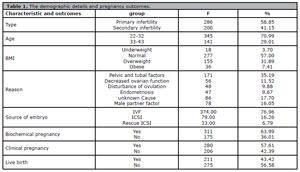
Table 1. The demographic details and pregnancy outcomes.
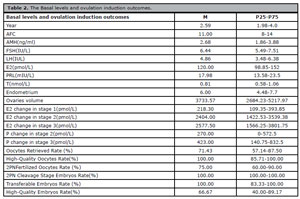
Table 2. The Basal levels and ovulation induction outcomes.
Median serum E2 increments across the three COS stages were 218.3, 2392.0, and 2577.5 pmol/L, showing significant rises throughout. Median P values in stages 2 and 3 were 270.0 and 423.0 pmol/L, respectively, with a significant increase between stages (p<0.05). Hormone fluctuations are illustrated in Figure 1.
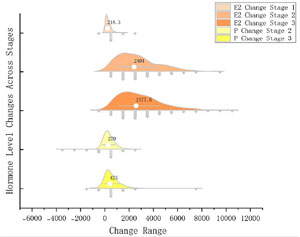
Figure 1. Hormone fluctuations in different stages.
Primary and secondary outcome measures
Using nonparametric methods as presented in Table 3, patients were grouped into highand low-growth subgroups based on median E2 and P changes. The Mann-Whitney U test revealed no significant differences in key embryological outcomes during the first stage (p>0.05). However, during stages 2 and 3, high-growth groups showed higher oocyte retrieval rates. Unexpectedly, the transferable embryo rate was lower in the high E2 growth group. In stage 3, the low-growth E2 subgroup had a higher 2PN cleavage rate; in the P subgroup, it had a higher high-quality embryo rate. Clinical pregnancy and live birth rates did not differ significantly between groups (p>0.05), though CPR was generally higher in high-growth groups, except for the stage 2 P subgroup, showed in Figure 2.
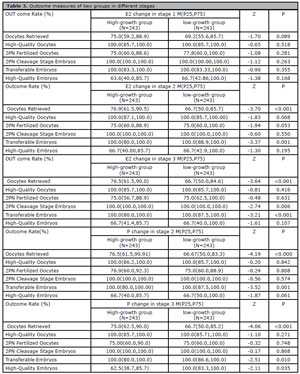
Table 3. Outcome measures of two groups in different stages
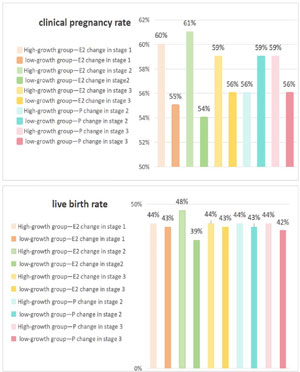
Figure 2. Clinical pregnancy rate and live birth rate of different stages’ patients.
Analysis of influencing factors on serum estradiol concentration in stage 3
Linear regression (Table 4) identified E2 changes in stage 3 (β = 0.161, p<0.001) and P changes in stage 2 (β = 0.139, p<0.001) as positively correlated with oocyte retrieval rate. A negative correlation was observed between stage 3 E2 increase and transferable embryo rate (β = -0.150, p=0.003). Univariate analysis (Figure 3) showed that patients in the low E2-growth group during stage 3 had lower AFCs, higher BMI, longer stimulation, higher initial and cumulative Gn doses, and slower hormone growth in prior stages. Multivariate regression (Figure 4) identified higher AFCs (OR = 1.13, 95% CI: 1.0-1.09, p<0.01) and greater stage 2 E2 increase (OR = 2.08, 95% CI: 1.40-3.10, p<0.01) as protective factors. High starting doses (>300 IU) and longer stimulation duration were risk factors.
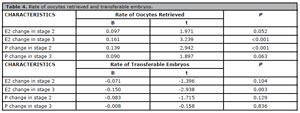
Table 4. Rate of oocytes retrieved and transferable embryos.
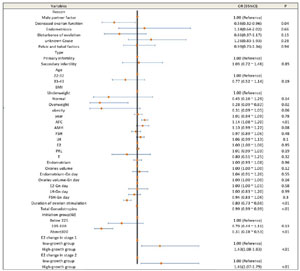
Figure 3. Univariate analysis outcome.
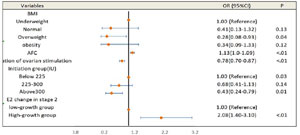
Figure 4. Multivariate regression outcome.
DISCUSSION
Our analysis demonstrates that, across all phases of the cycle, fluctuations in serum E2 concentrations were consistently more pronounced than those of P. E2 levels increased progressively and significantly at each stage, with the most marked surge occurring immediately prior to hCG administration. This trajectory aligns with prior studies (Hariton et al., 2017; McEvoy et al., 2022), which identify the late follicular peak in serum estradiol as a critical indicator of follicular maturation (Persani et al., 2014). The association between serum estradiol levels and oocyte retrieval rates in assisted reproductive technologies has been well-documented (Cedars, 2022; Fatemi et al., 2021; He et al., 2023). We observed that a sharp rise in serum E2 levels during the final three days of COS was predictive of a higher oocyte yield. This finding is consistent with earlier research showing a positive correlation between steroid hormone levels during superovulation and the number of mature follicles (Fiers et al., 2017; Li et al., 2020)-factors influenced by ovarian reserve and responsiveness (Amaral et al., 2019). However, the simultaneous decline in embryo quality may reflect the adverse effects of supraphysiologic hormone elevations. Specifically, an abrupt rise in estradiol during the late follicular phase may impair follicular development, compromise oocyte competence, and reduce embryonic developmental potential post-fertilization (Levin & Rottenstreich, 2019; Li et al., 2019; Muñoz et al., 2012).
Several factors appear to influence the late-stage rise in estradiol, including the underlying cause of infertility, AFC, AMH levels, BMI, ovarian volume at various stages, stimulation duration, total gonadotropin dose, and initial dosage (Bellver et al., 2022; Višnová et al., 2021; Schneider et al., 2024). Notably, a favorable pattern of follicular growth in earlier stages generally predicts a similar upward trend in the final three days. Future studies should investigate the relationship between dosage modifications and the dynamic changes in serum estradiol levels during COS.
In our cohort, lower starting doses and shorter stimulation durations emerged as independent protective factors associated with a more rapid increase in estradiol levels during the final three days. This may reflect an inverse relationship between ovarian responsiveness and gonadotropin requirements. Nevertheless, these findings warrant validation through prospective studies and further stratification by infertility etiology, in order to address potential biases arising from methodological limitations.
Collectively, our results suggest that estradiol elevation serves as a more sensitive biomarker of follicular development than progesterone. The E2 surge is instrumental in promoting oocyte maturation-a pivotal determinant of successful in vitro fertilization. Accordingly, it is essential to define the optimal range of estradiol increase during the final days of COS, particularly in patients undergoing long protocols initiated in the early follicular phase. Tailored COS strategies may help optimize both oocyte yield and quality, mitigate the negative impact of late-phase estradiol fluctuations on embryo competence, and enhance clinical outcomes through careful hormonal monitoring, timely medication adjustments, and precise timing of ovulatory trigger administration.
However, this single-center retrospective study is subject to inherent limitations, including potential selection bias and residual confounding. Additionally, heterogeneity in infertility etiology was not fully controlled. These findings warrant confirmation through well-designed prospective, multi-center studies.
CONCLUSION
Monitoring E2 dynamics, particularly during the final days of COS, provides valuable insight into follicular development and stimulation response. High late-phase E2 levels predict greater oocyte yield but may reduce embryo quality. Individualized stimulation based on patient characteristics and hormone response is essential to optimizing IVF outcomes. Further research is needed to define optimal hormone trajectories to balance embryo quality and quantity.
ACKNOWLEDGMENTS
This study was supported by the General Research Project, Yangzhou Commission of Health (2023-2-07); General Research Project, Jiangsu Commission of Health (M2024106); and General Research Project, Jiangsu Commission of Health (X20240344).We would also like to express our sincere gratitude to Professor Tongmin Xue, Principal Investigator of these projects at the Reproductive Medicine Center, for his valuable guidance and continued support throughout this study.
REFERENCES
Al-Inany HG, Youssef MA, Ayeleke RO, Brown J, Lam WS, Broekmans FJ. Gonadotrophin-releasing hormone antagonists for assisted reproductive technology. Cochrane Database Syst Rev. 2016;4:CD001750. PMID: 27126581 DOI: 10.1002/14651858.CD001750.pub4 Medline
Amaral MEB, Ejzenberg D, Wajman DS, Monteleone PAA, Serafini P, Soares JM Jr, Baracat EC. Risk factors for inadequate response to ovarian stimulation in assisted reproduction cycles: systematic review. J Assist Reprod Genet. 2019;36:19-28. PMID: 30269205 DOI: 10.1007/s10815-018-1324-0 Medline
Bellver J, Rodríguez-Varela C, Brandão P, Labarta E. Serum progesterone concentrations are reduced in obese women on the day of embryo transfer. Reprod Biomed Online. 2022;45:679-87. PMID: 35843779 DOI: 10.1016/j.rbmo.2022.05.022 Medline
Broer SL, Broekmans FJ, Laven JS, Fauser BC. Anti-Mullerian hormone: ovarian reserve testing and its potential clinical implications. Hum Reprod Update. 2014;20:688-701. PMID: 24821925 DOI: 10.1093/humupd/dmu020 Medline
Cedars MI. Evaluation of Female Fertility-AMH and Ovarian Reserve Testing. J Clin Endocrinol Metab. 2022;107:1510-9. PMID: 35100616 DOI: 10.1210/clinem/dgac039 Medline
Cheng JC, Fang L, Li Y, Wang S, Li Y, Yan Y, Jia Q, Wu Z, Wang Z, Han X, Sun YP. Melatonin stimulates aromatase expression and estradiol production in human granulosa-lutein cells: relevance for high serum estradiol levels in patients with ovarian hyperstimulation syndrome. Exp Mol Med. 2020;52:1341-50. PMID: 32855437 DOI: 10.1038/s12276-020-00491-w Medline
Das S, Bhattacharya N, Mahata R, Ghosh S, Bhar AS, Srivastava P. Correlation of Follicle-stimulating Hormone, Anti-Mullerian Hormone, and Antral Follicle Count with Age in Ovarian Reserve Testing. Int J Appl Basic Med Res. 2024;14:162-8. PMID: 39310079 DOI: 10.4103/ijabmr.ijabmr_81_24 Medline
Fatemi H, Bilger W, Denis D, Griesinger G, La Marca A, Longobardi S, Mahony M, Yin X, D’Hooghe T. Dose adjustment of follicle-stimulating hormone (FSH) during ovarian stimulation as part of medically-assisted reproduction in clinical studies: a systematic review covering 10 years (2007-2017). Reprod Biol Endocrinol. 2021;19:68. PMID: 33975610 DOI: 10.1186/s12958-021-00744-x Medline
Fauser BC, de Jong D, Olivennes F, Wramsby H, Tay C, Itskovitz-Eldor J, van Hooren HG. Endocrine profiles after triggering of final oocyte maturation with GnRH agonist after cotreatment with the GnRH antagonist ganirelix during ovarian hyperstimulation for in vitro fertilization. J Clin Endocrinol Metab. 2002;87:709-15. PMID: 11836309 DOI: 10.1210/jcem.87.2.8197 Medline
Fiers T, Dielen C, Somers S, Kaufman JM, Gerris J. Salivary estradiol as a surrogate marker for serum estradiol in assisted reproduction treatment. Clin Biochem. 2017;50:145-9. PMID: 27668549 DOI: 10.1016/j.clinbiochem.2016.09.016 Medline
Gosden R, Trasler J, Lucifero D, Faddy M. Rare congenital disorders, imprinted genes, and assisted reproductive technology. Lancet. 2003;361:1975-7. PMID: 12801753 DOI: 10.1016/S0140-6736(03)13592-1 Medline
Hariton E, Kim K, Mumford SL, Palmor M, Bortoletto P, Cardozo ER, Karmon AE, Sabatini ME, Styer AK. Total number of oocytes and zygotes are predictive of live birth pregnancy in fresh donor oocyte in vitro fertilization cycles. Fertil Steril. 2017;108:262-8. PMID: 28601410 DOI: 10.1016/j.fertnstert.2017.05.021 Medline
Khattak H, Amorim CA. What are my options? Fertility preservation methods for young girls and women. Fertil Steril. 2022;117:1277-8. PMID: 35525815 DOI: 10.1016/j.fertnstert.2022.04.010 Medline
Kwan I, Bhattacharya S, Woolner A. Monitoring of stimulated cycles in assisted reproduction (IVF and ICSI). Cochrane Database Syst Rev. 2021;4:CD005289. PMID: 33844275 DOI: 10.1002/14651858.CD005289.pub4 Medline
La Marca A, Sunkara SK. Individualization of controlled ovarian stimulation in IVF using ovarian reserve markers: from theory to practice. Hum Reprod Update. 2014;20:124-40. PMID: 24077980 DOI: 10.1093/humupd/dmt037 Medline
Lersten IL, Grau L, Jahandideh S, Devine K, Zalles L, Plosker SM, Imudia AN, Hoyos LR, Uhler ML, Homer M, Roeca C, Sammel MD, Polotsky AJ. High estradiol levels in fresh embryo transfer cycles are not associated with detrimental impact on birth outcomes. J Assist Reprod Genet. 2024;41:893-902. PMID: 38600428 DOI: 10.1007/s10815-024-03062-4 Medline
Levin G, Rottenstreich A. Supraphysiologic oestradiol concentration in frozen cycles and low birth weight: the evidence is there. Reprod Biomed Online. 2019;39:539. PMID: 31327726 DOI: 10.1016/j.rbmo.2019.07.004 Medline
Li C, Su YF, Jin L, Guo YY, Ding GL, Tang L, Cai M, Huang HF, Liu XM. Association between higher levels of serum estradiol and elevated levels of fibrin (fibrinogen) degradation products in late pregnancy following assisted reproductive technology treatment. Thromb Res. 2020;187:63-71. PMID: 31958688 DOI: 10.1016/j.thromres.2019.12.024 Medline
Li X, Zeng C, Shang J, Wang S, Gao XL, Xue Q. Association between serum estradiol level on the human chorionic gonadotrophin administration day and clinical outcome. Chin Med J. 2019;132:1194-201. PMID: 30973445 DOI: 10.1097/CM9.0000000000000251 Medline
Maggi R, Cariboni AM, Marelli MM, Moretti RM, Andre V, Marzagalli M, Limonta P. GnRH and GnRH receptors in the pathophysiology of the human female reproductive system. Hum Reprod Update. 2016;22:358-81. PMID: 26715597 DOI: 10.1093/humupd/dmv059 Medline
McEvoy MJ, McAfee M, Hession JA, Creedon L. A Mathematical Model of Estradiol Production from Ultrasound Data for Bovine Ovarian Follicles. Cells. 2022;11:3908. PMID: 36497167 DOI: 10.3390/cells11233908 Medline
Muñoz M, Cruz M, Humaidan P, Garrido N, Pérez-Cano I, Meseguer M. Dose of recombinant FSH and oestradiol concentration on day of HCG affect embryo development kinetics. Reprod Biomed Online. 2012;25:382-9. PMID: 22877941 DOI: 10.1016/j.rbmo.2012.06.016 Medline
Oktem O, Yakin K, Oguz SY, Isiklar A, Balaban B, Urman B. High responders are not exempt from detrimental effects of prematurely rising progesterone levels in fresh embryo transfer cycles. Reprod Biomed Online. 2019;38:206-15. PMID: 30579821 DOI: 10.1016/j.rbmo.2018.11.008 Medline
Persani L, Rossetti R, Di Pasquale E, Cacciatore C, Fabre S. The fundamental role of bone morphogenetic protein 15 in ovarian function and its involvement in female fertility disorders. Hum Reprod Update. 2014;20:869-83. PMID: 24980253 DOI: 10.1093/humupd/dmu036 Medline
Sachs-Guedj N, Hart R, Requena A, Vergara V, Polyzos NP. Real-world practices of hormone monitoring during ovarian stimulation in assisted reproductive technology: a global online survey. Front Endocrinol. 2023;14:1260783. PMID: 38089631 DOI: 10.3389/fendo.2023.1260783 Medline
Schneider E, Hamer O, Smith C, Hill J. Evaluating the association of female obesity with the risk of live birth following IVF: Implications for clinical practice. Pract Midwife. 2024;27:20240101. PMID: 39045260 DOI: 10.55975/MKEI9521 Medline
Venetis CA, Kolibianakis EM, Bosdou JK, Tarlatzis BC. Progesterone elevation and probability of pregnancy after IVF: a systematic review and meta-analysis of over 60 000 cycles. Hum Reprod Update. 2013;19:433-57. PMID: 23827986 DOI: 10.1093/humupd/dmt014 Medline
Višnová H, Papaleo E, Martin FS, Koziol K, Klein BM, Mannaerts B. Clinical outcomes of potential high responders after individualized FSH dosing based on anti-Mullerian hormone and body weight. Reprod Biomed Online. 2021;43:1019-26. PMID: 34756645 DOI: 10.1016/j.rbmo.2021.08.024 Medline
Yun L, YuMei Z, Bn V, Tang Q, Feng C. The Efficacy, Safety, and Economic Outcomes of Using Ferric Derisomaltose for the Management of Iron Deficiency in China: A Rapid Health Technology Assessment. Cureus. 2023;15:e48717. PMID: 38094535 DOI: 10.7759/cureus.48717 Medline
Zhu Y, Zheng Z, Fan B, Sun Y, Zhai J, Du Y. Estradiol Decline Before hCG Administration in COH Has a Negative Effect on IVF Outcomes in Patients Without OC Pretreatment. Int J Womens Health. 2024;16:411-9. PMID: 38463687 DOI: 10.2147/IJWH.S423089 Medline