JBRA Assist. Reprod. 2026;30(1):70-78
ORIGINAL ARTICLE
doi: 10.5935/1518-0557.20250165
The Effect of Vitex Agnus - Castus Plant on Some Markers of Oxidative Stress, Lipid Profile and Insulin Resistance in Women with Polycystic Ovary Syndrome: A Randomized, Double-Blind Controlled Clinical Trial Study
1Student Research Committee, Arak University of Medical Sciences, Arak, Iran
2Department of Obstetrics and Gynecology, School of Medicine, Arak University of Medical Sciences, Arak, Iran
3Department of Biochemistry and Genetics, School of Medicine, Arak University of Medical Sciences, Arak, Iran
4Molecular and Medicine Research Center, Arak University of Medical Sciences, Arak, Iran
5Department of Biostatistics, School of Medicine, Arak University of Medical Sciences, Arak, Iran
CONFLICT OF INTERESTS
The authors declare that they have no conflicts of interest.
ABSTRACT
Objective: This randomized controlled trial investigated the efficacy of standardized Vitex agnus-castus extract in managing features of PCOS. The primary aim was to assess changes in oxidative stress markers; secondary outcomes included lipid profile, insulin resistance, and clinical signs such as hirsutism and menstrual frequency.
Methods: Sixty women with PCOS were randomly assigned to a Vitex group (5.8 mg daily, standardized to 0.42-0.82 mg Aucubin) or placebo for 12 weeks. Dietary habits and physical activity and physical activity were maintained throughout the study. Serum total antioxidant capacity, glutathione peroxidase, reduced glutathione, and other biochemical and clinical parameters were assessed preand post-intervention. Between-group differences were analyzed using independent t-tests and ANCOVA.
Results: Compared to placebo, Vitex significantly increased total antioxidant capacity (effect size = 13.01), glutathione peroxidase (3.35), reduced glutathione (3.88), total thiol (3.34), and HDL (5.74) (all p<0.05). It decreased total oxidant status (-6.49), oxidative stress index (-9.30), malondialdehyde (-5.29), fasting blood sugar (-5.10), HOMA-IR (-0.31), LDL (-2.85), ALT (-3.51), and mFG score (-5.38). Menstrual frequency improved (3.51), and left ovarian volume reduced (-0.80).
Conclusions: Vitex agnus-castus improved oxidative stress markers and insulin resistance and favorably modulated clinical manifestations of PCOS. These findings suggest a clinically meaningful benefit and support further investigation into Vitex as an adjunctive therapy.
Keywords: polycystic ovary syndrome, Vitex agnus-castus, oxidative stress, lipid profile, insulin resistance, randomized controlled trial
INTRODUCTION
Polycystic ovary syndrome (PCOS) is a prevalent endocrine disorder affecting 6-22% of women of reproductive age (Bargiota & Diamanti-Kandarakis, 2012). Defined by the Rotterdam criteria and endorsed by the 2018 International Evidence-based Guideline, PCOS diagnosis requires the presence of at least two of the following: hyperandrogenism (biochemical and/or clinical), chronic anovulation and menstrual dysfunction, and polycystic ovarian morphology on ultrasonography, after excluding other endocrine disorders (Bargiota & Diamanti-Kandarakis, 2012; Siddiqui et al., 2022). This complex disorder poses a significant health burden, increasing the risk of metabolic and cardiovascular complications, including insulin resistance, obesity, dyslipidemia, gestational diabetes, type 2 diabetes, and cardiovascular disease (Vink et al., 2006).
Although the exact etiology of PCOS remains incompletely understood, it is widely recognized that a complex interplay of genetic, hormonal, and environmental factors contributes to its pathogenesis (Vink et al., 2006; Bednarska & Siejka, 2017; Siddiqui et al., 2022). Among these, oxidative stress has emerged as a critical player in the pathophysiology of PCOS (Bednarska & Siejka, 2017). Insulin resistance and hyperglycemia, which are frequently observed in women with PCOS, are key drivers of elevated oxidative stress (Bannigida et al., 2020). Conversely, oxidative stress exacerbates insulin resistance, creating a vicious cycle that fuels hyperandrogenism, hyperinsulinemia, dyslipidemia, and an altered luteinizing hormone/follicle-stimulating hormone ratio, ultimately contributing to PCOS development and progression (Zeng et al., 2020). Recent PCOS interventions include lifestyle changes (diet, exercise) and more targeted drug therapies (metformin, Glucagon-like peptide-1 agonists, inositols). Individualized, multifaceted approaches integrating lifestyle and medication are increasingly emphasized for successful management of this chronic condition. The complex and multifactorial nature of PCOS poses significant challenges for its clinical management. Beyond herbal interventions, several recent studies have expanded our understanding of PCOS treatment by emphasizing the role of oxidative stress and inflammation in clinical outcomes, especially in the context of assisted reproductive technologies (ART). A systematic review by Moreira et al. compared the follicular fluid composition between women with PCOS and normo-ovulatory women, revealing significant differences in oxidative stress and inflammatory biomarkers that may adversely affect ART outcomes (Moreira et al., 2023). Furthermore, a study by Vale-Fernandes et al. identified a positive association between elevated anti-Müllerian hormone (AMH) levels and increased oxidative stress in the follicular fluid of women with PCOS, suggesting that AMH may serve as a surrogate marker for oxidative imbalance and potential reproductive compromise. These findings underscore the importance of targeting oxidative stress in PCOS not only for metabolic and endocrine improvement but also for optimizing fertility-related outcomes (Vale-Fernandes et al., 2024).
Given the well-established role of oxidative stress in PCOS pathogenesis and its associated complications, therapeutic strategies aimed at restoring oxidative balance hold considerable promise. In this context, herbal medicines have garnered increasing attention due to their long history of traditional use and perceived lower incidence of adverse effects compared to conventional pharmaceuticals (Li et al., 2022; Masjedi et al., 2024). Several studies have reported the benefits of herbal interventions in women’s health, including improvements in oxidative stress status related to premenstrual syndrome and infertility (Li et al., 2022; Puglia et al., 2023).
One such herbal remedy is Vitex agnus-castus (Vitex), a medicinal plant widely used for managing various gynecological conditions, such as menopausal symptoms, menstrual disorders, and mastalgia (Shayan et al., 2016; Wang et al., 2018). Phytochemical analyses of Vitex extracts have identified a range of bioactive compounds with antioxidant properties, including vanillic acid, luteolin, quercetin, caffeic acid, resveratrol, and naringenin (Kavaz et al., 2022). Preclinical and clinical studies suggest that Vitex may modulate menstrual irregularities and hyperandrogenism, both of which are hallmark features of PCOS (Alois & Estores, 2019). Despite these promising findings, robust clinical trials evaluating the efficacy of Vitex specifically for PCOS management remain limited.
To address this gap, we conducted a randomized, placebo-controlled trial to investigate the effects of a standardized Vitex extract on key parameters relevant to PCOS. Specifically, we evaluated its impact on oxidative stress markers (total antioxidant capacity, glutathione peroxidase, reduced glutathione, total thiol, total oxidant capacity, oxidative stress index, and malondialdehyde), lipid profile (cholesterol, low-density lipoprotein, and high-density lipoprotein), insulin resistance, ovarian volume, hirsutism score, and menstrual frequency in women with PCOS. This study aims to provide rigorous evidence regarding the therapeutic potential of Vitex in the management of this complex and multifactorial condition.
MATERIAL AND METHODS
Study registration and approval
This study was a double-blind, placebo-controlled, parallel-group clinical trial. The trial was conducted in accordance with the Declaration of Helsinki and was carried out from April 2023 to January 2024 in Ayatollah Taleghani Educational and Therapeutic Center, Arak, Iran. This study was reviewed and deemed exempt from ethics approval by the Ethics Committee of Arak University of Medical Sciences with the reference number: IR.ARAKMU.REC.1401.333, dated February 12th, 2023. The study was also registered in the Iranian Registry of Clinical Trials (registration code: IRCT20230222057493N1) on March 28, 2023. This study was conducted using CONSORT reporting guidelines. Both participants and outcome assessors were blinded to group assignments throughout the study. Written informed consent was obtained from all participants prior to their enrollment, and the consent form was approved by the Ethics Committees of Arak University of Medical Sciences, Iran.
Population (Inclusion and exclusion criteria)
Women aged 18-45 years diagnosed with PCOS according to the Rotterdam criteria were recruited. Inclusion criteria were: (1) PCOS diagnosis per Rotterdam criteria; (2) age 18-45 years; and (3) no intention to become pregnant during the study. Exclusion criteria were: (1) pregnancy or breastfeeding; (2) smoking; (3) hyperprolactinemia; (4) thyroid disorders; (5) congenital adrenal hyperplasia; (6) diabetes mellitus; (7) use of antioxidant or herbal supplements within the past three months; and (8) use of dopamine antagonists.
Sample size
Using GSH as a variable (Shokrpour & Asemi, 2019), and a two-sided significance level (α) of 0.05 and a power (1-β) of 80% (β = 0.20), according to the following equation, the minimum sample size was calculated 28 for each group:
n ≥ 2 (Zα + ZB)2 σ2 / (μ1- μ2)2, α = 0.05 β = 0.20 μ1 = 483.8 μ2 = 519.4 σ ≈ 47.7 n1 = n2 ≥ 28
Accounting for an estimated 10% dropout rate, we aimed to recruit 30 participants per group.
Randomization
Sequence generation
A randomization list was created prior to the commencement of the study. The permuted block randomization method with blocks of four was employed in this study. The Vitex group was labelled as A, and the placebo group as B. Six possible combinations-AABB, BBAA, BABA, ABBA, BAAB, and ABAB-were written on separate sheets of paper and placed into a container. Each time, one sheet was randomly drawn from the container, the combination on it was recorded, and the sheet was returned to the container. Given the sample size of 60, this process was repeated 15 times, with each combination being recorded sequentially. Subsequently, each letter (A or B) in the recorded sequence was assigned a number from one to 60.
Allocation concealment mechanism and blinding
Letters were individually placed into envelopes, each marked with a specific number. When a participant was recruited, an envelope was opened, and the number indicated on it was used to allocate the subject to either the Vitex group or the placebo group. Subjects and healthcare providers were blinded and unaware of the study grouping. A.M. generated the random allocation sequence, F.S. enrolled participants, and A.H. assigned participants to Vitex and placebo groups.
Intervention
Following randomization, participants were assigned to either the Vitex group (n=30) or the placebo group (n=30) for a 12-week intervention period. Participants were instructed to maintain their usual dietary habits without any modifications throughout the study period. They were explicitly advised against initiating any new dietary regimens, herbal medications, antioxidant supplements, during the 12-week intervention. Adherence to these guidelines was continuously monitored through telephone follow-ups. At the baseline visit and the end of the 12-week intervention, after a 12-hour overnight fast, 10 mL of venous blood was collected. Participants in the Vitex group received 5.8 mg daily of a standardized Vitex extract (standardized to 0.42-0.82 mg Aucubin) administered orally as Agnugol tablets (Goldaro Pharmaceutical Company, Isfahan, Iran) and this standardization was carried out according to the production and quality control processes of the mentioned company. The placebo group received matching placebo tablets containing cellulose acetate (Goldaro Pharmaceutical Company, Isfahan, Iran). All tablets were identical in appearance (shape, color, and smell) and were packaged in identical containers. During this study, patients were not deprived of the main medicine, which included metformin and an oral contraceptive (3 mg Drospirenone + 0.03 mg Ethinyl estradiol).
Laboratory Methods
Sample Collection and Preparation
Venous blood samples were collected from all participants after a 12-hour overnight fast. Samples were centrifuged at 3000 rpm for 10 minutes, and the resulting serum was stored at -80°C until analysis.
Biochemical Assays
Serum total thiol (TT) levels were measured using Ellman’s reagent (DTNB) (Eyer et al., 2003). Total antioxidant capacity (TAC) was quantified using the ferric reducing ability of plasma (FRAP) assay (Samimi et al., 2024). Total oxidant status (TOS) was assessed by the ferric-xylenol orange method (Erel, 2005).
Catalase (CAT) activity was determined by incubating serum with hydrogen peroxide as a substrate, with the enzymatic reaction terminated by ammonium molybdate (Samimi et al., 2024). Commercially available kits were used to evaluate activities of GPx and levels of GSH (Novin Navand Salamat Pishtaz Co. Urmia, Iran), and MDA (Malondialdehyde) (Kushan Zist Azma Parseh Co. Tehran, Iran).
Fasting blood sugar (FBS), triglycerides (TG), total cholesterol (TC), high-density lipoprotein cholesterol (HDL-C), low-density lipoprotein cholesterol (LDL-C), aspartate aminotransferase (AST), and alanine aminotransferase (ALT) levels were measured using an automated analyzer (Hitachi 717, Japan) and commercially available enzymatic kits (Delta Darman Part, Iran). Serum insulin levels were determined by enzyme-linked immunosorbent assay (ELISA) using a commercial kit (Monobind, Iran). Insulin resistance was calculated using the homeostasis model assessment of insulin resistance (HOMA-IR) index, as follows (Tahapary et al., 2022):
Fasting insulin (μU/dL) × Fasting blood glucose (mmol/L) / 22.5.
A HOMA-IR value ≥2.5 was considered indicative of insulin resistance (Minh et al., 2021).
Outcome measures
The primary outcome of this study was the change in oxidative stress markers, specifically TAC, GPx, GSH, TOS, oxidative stress index (OSI), and MDA levels. Secondary outcomes included changes in lipid profile (TG, TC, HDL-C, LDL-C), insulin resistance (HOMA-IR), ovarian volume assessed by ultrasonography, menstrual frequency, and hirsutism score measured using the Modified Ferriman-Gallwey (mFG) scoring system.
The mFG score (Willis et al., 2020) was used to quantify the degree of hirsutism, and ultrasonography was used to measure the ovary volume. Menstrual frequency was calculated by dividing the observed number of menstrual periods during the 12-week intervention by the expected number of periods (n=3, assuming a regular 28-day cycle). The menstrual frequency was then compared between the Vitex and placebo groups (Kiel et al., 2020).
Statistical analysis
Statistical analysis was performed using SPSS version 23.0 (IBM, New York, USA). The results of demographic factors were reported as Mean±SD, and the results of other variables were reported as Mean±standard error of the mean (SEM). The effect sizes (Cohen’s d) were calculated to assess the magnitude of differences, beyond statistical significance. A p-value of less than 0.05 was considered statistically significant.
Normality of continuous variables was assessed using the Shapiro-Wilk test. Within-group changes from baseline to the end of the intervention were analyzed using paired t-tests. Independent samples t-tests were used to compare changes between the Vitex and placebo groups. Analysis of covariance (ANCOVA) was employed to adjust for baseline differences between groups when comparing outcomes at the end of the intervention.
RESULTS
One hundred and one women with PCOS were selected using convenience sampling. Thirty-nine subjects were excluded due to exclusion criteria, six subjects were excluded because they were not satisfied to participate in the study, and finally, 60 subjects were included in the study. These subjects were divided into two groups: Vitex and placebo, using the permuted block randomization method with blocks of four. None of the 60 subjects who were included in the study were subsequently excluded, and all remained in the study until its completion (Figure 1). The recruitment period began on April 4, 2023 and ended on January 20, 2024.

Figure 1. Consort diagram of the study population.
Table 1 presents the baseline and post-intervention anthropometric characteristics of the participants in both the Vitex and Placebo groups. At baseline, there were no statistically significant differences between the two groups in terms of age (p=0.87), height (p=0.88), weight (p=0.68), or BMI (p=0.76). This indicates that the groups were well-matched at the start of the study. After the intervention period, there were no statistically significant differences between the Vitex and Placebo groups in terms of weight (p=0.57) or BMI (p=0.82).
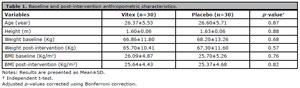
Table 1. Baseline and post-intervention anthropometric characteristics.
Tables 2 and 3 demonstrate that comparisons were made between and within groups at baseline and the end of the trial. Findings from the independent t-test at the trial’s conclusion showed that the consumption of Vitex significantly increased the levels of TAC (p<0.001), GPx (p<0.05), GSH (p<0.05), TT (p<0.05), HDL (p<0.001) and Menstrual frequency (0.046).

Table 2. Comparison of the effects of Vitex and placebo consumption on biochemical characteristics of women with PCOS.
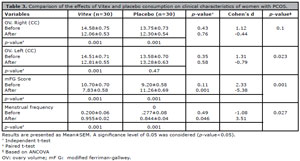
Table 3. Comparison of the effects of Vitex and placebo consumption on clinical characteristics of women with PCOS.
Furthermore, values of TOS (p<0.001), OSI (p<0.001), MDA (p<0.001), FBS (p<0.001), HOMA-IR (p<0.05), ALT (0.05), mFG (0.001), and LDL (p<0.05) significantly decreased by the consumption of the Vitex compared to the placebo group. Values of TG, Chol, AST, right ovary volume, and left were decreased non-significantly in the Vitex group compared to the placebo group (p>0.05). In addition, CAT increased non-significantly in the Vitex group compared to the placebo group (p=0.83).
Based on ANCOVA, values of TAC (p<0.001), GPx (p<0.05), GSH (p<0.05), TT (p<0.05), HDL (p<0.001), and menstrual frequency (p<0.05) were significantly increased after the intervention compared to the placebo group. Furthermore, values of TOS (p<0.001), OSI (p<0.001), MDA (p<0.001), FBS (p<0.05), HOMA_IR (p<0.05), LDL (p<0.001), Chol (p<0.05), AST (p<0.001), ALT (p<0.001), ovary volume left (p<0.05). mFG score (p<0.001) were significantly decreased after supplementation compared to the placebo group. Consequently, the improvements observed in these variables may be attributed to the intervention, and after Covariance Analysis, AST, Chol, and left ovary volume showed a significant decrease. However, the ANCOVA for TG, CAT, and right ovary volume was non-significantly.
DISCUSSION
This study assessed the effects of a 12-week intervention with Vitex on oxidative stress markers, insulin resistance, lipid profile, menstrual frequency, ovarian volume, and hirsutism in women with PCOS. While earlier studies have highlighted the benefits of Vitex on menstrual irregularities such as oligomenorrhea (Shayan et al., 2016), this is the first clinical trial to systematically investigate its multi-dimensional effects across metabolic and clinical parameters in this population.
Our findings revealed that daily supplementation with 5.8 mg of Vitex extract significantly increased TAC, GPx, GSH, TT, and HDL-C, while decreasing TOS, OSI, MDA, FBS, HOMA-IR, total cholesterol, LDL-C, AST, and ALT levels compared to placebo. Additionally, it improved menstrual frequency, decreased left ovarian volume, and reduced hirsutism scores.
The observed improvements are likely mediated through Vitex’s rich phytochemical profile, particularly phenolic acids (e.g., vanillic acid) and flavonoids (e.g., quercetin), which possess antioxidant properties (Kavaz et al., 2022).These compounds may enhance cellular antioxidant defense by upregulating enzymes such as GPx and GSH, mitigating oxidative damage that is known to impair insulin signaling and ovarian function (Zamora & Villena, 2014; Mohammadi, 2019).
Vitex may also exert endocrine effects by modulating dopamine D2 receptors, reducing prolactin secretion, which in turn supports menstrual regularity and ovulation (Feyzollahi et al., 2021). Furthermore, it may regulate the hypothalamic-pituitary-gonadal axis via modulation of KISS-1 gene expression, a pathway implicated in GnRH pulpability and reproductive hormone balance (Puglia et al., 2023). Its hypoglycemic and insulin-sensitizing effects may be partly attributed to inhibition of carbohydrate-hydrolyzing enzymes, α-amylase and α-glucosidase (Berrani et al., 2021), reducing postprandial glucose excursions. These metabolic benefits may also lower circulating androgens, improving clinical manifestations such as hirsutism.
Our findings align with several animal studies reporting decreased MDA and improved antioxidant enzyme activity (SOD, CAT) following Vitex administration (Moreno et al., 2015; Ahangarpour et al., 2016). However, unlike these studies, we did not observe a significant increase in catalase activity, possibly due to the shorter intervention period or differences in assay sensitivity.
In terms of lipid profile, our results are consistent with Berrani et al. (2021), who demonstrated improved HDL-C and reduced TG and LDL-C levels in diabetic rats treated with Vitex. However, dosages varied widely across studies. While we used a low dose (5.8 mg), other trials in PMS and mastalgia have employed doses between 20-40 mg (Roemheld-Hamm, 2005) indicating that therapeutic efficacy may follow a non-linear dose-response pattern. Highlighted such variability, with low doses improving ovarian histology in animals while higher doses worsened it.
Despite promising results, several limitations must be acknowledged. First, the short duration (12 weeks) limits our ability to assess long-term effects on fertility or metabolic outcomes. Second, the single-center design and convenience sampling may reduce external validity, and although randomization minimized intergroup bias, the sample may not reflect the heterogeneity of PCOS phenotypes. Third, we did not stratify participants based on PCOS phenotype, BMI, or insulin resistance severity-factors that may modulate response to antioxidant therapy. Fourth, adherence to supplementation was self-reported, which could introduce recall bias. Fifth, the study lacked mechanistic biomarkers such as sex hormone-binding globulin (SHBG), LH/FSH ratio, or prolactin levels, which would further clarify hormonal effects.
The statistically significant findings also bear clinical importance. Improvements in antioxidant status and insulin resistance may help reduce long-term risks such as type 2 diabetes and cardiovascular disease. Reductions in hirsutism and irregular menstruation directly improve quality of life and reproductive health.
Compared to conventional interventions such as metformin and oral contraceptives, Vitex offers a complementary and potentially safer alternative, particularly for women seeking herbal therapies with fewer side effects. For instance, while metformin improves insulin sensitivity, it is often associated with gastrointestinal side effects (Kiani et al., 2022). In contrast, Vitex, through its antioxidant and endocrine-modulating properties, not only improves insulin resistance but also addresses menstrual irregularities and hirsutism without reported major adverse events.
Vitex thus presents as a promising complementary therapy for women with PCOS, especially those seeking natural alternatives. Future trials should include larger, diverse populations, multiple dosing arms, longer durations, and mechanistic endpoints to elucidate Vitex’s full therapeutic potential-particularly in women planning pregnancy.
CONCLUSIONS
This study’s outcomes demonstrate that Vitex supplementation effectively reduces oxidative stress and enhances antioxidant defense in women with PCOS. The significant improvements observed in insulin resistance, lipid profile, menstrual frequency, and clinical symptoms such as hirsutism suggest that Vitex may serve as a beneficial complementary therapy for managing PCOS-related complications. From a clinical standpoint, it is advisable for healthcare professionals to consider Vitex fruit extract-particularly in patients seeking natural alternatives-as part of an individualized treatment plan.
Future research should explore long-term effects, dose-response relationships, and its impact on hormonal biomarkers such as LH/FSH ratio and SHBG. Additionally, studies involving diverse PCOS phenotypes and stratified populations are needed to better understand the full therapeutic potential and safety profile of Vitex in reproductive and metabolic health.
Abbreviations:
PCOS Polycystic ovary syndrome
IR Insulin resistance
Vitex Vitex agnus-castus
ANCOVA Analysis of covariance
BMI Body mass index
TT Total thiol
TAC Total antioxidant capacity
FRAP Ferric reducing ability of plasma
TOS Total oxidant status
FBS Fasting blood sugar
TG Triglyceride
Chol Cholesterol
HDL High-density lipoprotein
LDL Low-density lipoprotein
AST Aspartate aminotransferase
ALT Alanine aminotransferase
ELISA Enzyme-linked immunosorbent assay
HOMA-IR Homeostasis model assessment
mFG Modified Ferriman-Gallwey
Acknowledgement
The authors gratefully acknowledge the Research Council of Arak University of Medical Sciences for their financial support of this project (Grant Number: 6981). This research formed part of the requirements for Aniseh Hatami’s Master of Science degree at the School of Medicine, Arak University of Medical Sciences, Arak, Iran. The authors express their sincere appreciation to all the study participants for their valuable contributions.
Author contributions
All authors contributed significantly to the manuscript and approved the final version for submission. Specific contributions were as follows:
AH: Investigation, data curation, writing – original draft, visualization.
FS: Supervision, validation, writing - review & editing.
FJ-M: Project administration, validation, writing - review & editing, funding acquisition.
AK: Advisors, validation, writing - review & editing, conceptualization, resources.
AM: Formal analysis and methodology, writing - review & editing.
Funding:
This research was funded by a grant from the Research Council of Arak University of Medical Sciences (Grant Number: 6981).
REFERENCES
Ahangarpour A, Najimi SA, Farbood Y. Effects of Vitex agnus-castus fruit on sex hormones and antioxidant indices in a D-galactose-induced aging female mouse model. J Chinese Med Assoc. 2016;79:589-96. PMID: 27595438 DOI: 10.1016/j.jcma.2016.05.006 Medline
Alois M, Estores IM. Hormonal Regulation In Pcos Using Acupuncture And Herbal Supplements: A Case Report And Review Of The Literature. Integr Med (Encinitas). 2019;18:36-9. PMID: 32549844 Medline
Bannigida DM, Nayak BS, Vijayaraghavan R. Insulin resistance and oxidative marker in women with PCOS. Arch Physiol Biochem. 2020;126:183-6. PMID: 30450993 DOI: 10.1080/13813455.2018.1499120 Medline
Bargiota A, Diamanti-Kandarakis E. The effects of old, new and emerging medicines on metabolic aberrations in PCOS. Ther Adv Endocrinol Metab. 2012;3:27-47. PMID: 23148192 DOI: 10.1177/2042018812437355 Medline
Bednarska S, Siejka A. The pathogenesis and treatment of polycystic ovary syndrome: What’s new? Adv Clin Exp Med. 2017;26:359-67. PMID: 28791858 DOI: 10.17219/acem/59380 Medline
Berrani A, Marmouzi I, Bouyahya A, Kharbach M, El Hamdani M, El Jemli M, Lrhorfi A, Zouarhi M, Faouzi MEA, Bengueddour R. Phenolic Compound Analysis and Pharmacological Screening of Vitex agnus-castus Functional Parts. Biomed Res Int. 2021;2021:6695311. PMID: 34337045 DOI: 10.1155/2021/6695311 Medline
Erel O. A new automated colorimetric method for measuring total oxidant status. Clin Biochem. 2005;38:1103-11. PMID: 16214125 DOI: 10.1016/j.clinbiochem.2005.08.008 Medline
Eyer P, Worek F, Kiderlen D, Sinko G, Stuglin A, Simeon-Rudolf V, Reiner E. Molar absorption coefficients for the reduced Ellman reagent: Reassessment. Anal Biochem. 2003;312:224-7. PMID: 12531209 DOI: 10.1016/S0003-2697(02)00506-7 Medline
Feyzollahi Z, Mohseni Kouchesfehani H, Jalali H, Eslimi-Esfahani D, Sheik Hosseini A. Effect of Vitex agnus-castus ethanolic extract on hypothalamic KISS-1 gene expression in a rat model of polycystic ovary syndrome. Avicenna J Phytomed. 2021;11:292-301. PMID: 34046325 Medline
Kavaz A, Işık M, Dikici E, Yüksel M. Anticholinergic, Antioxidant, and Antibacterial Properties of Vitex Agnus-Castus L. Seed Extract: Assessment of Its Phenolic Content by LC/MS/MS. Chem Biodivers. 2022;19:e202200143. PMID: 36075867 DOI: 10.1002/cbdv.202200143 Medline
Kiani AK, Donato K, Dhuli K, Stuppia L, Bertelli M. Dietary supplements for polycystic ovary syndrome. J Prev Med Hyg. 2022;63:E206-E213. PMID: 36479481 DOI: 10.15167/2421-4248/jpmh2022.63.2S3.2762 Medline
Kiel IA, Lionett S, Parr EB, Jones H, Røset MAH, Salvesen Ø, Vanky E, Moholdt T. Improving reproductive function in women with polycystic ovary syndrome with high-intensity interval training (IMPROV-IT): Study protocol for a two-centre, three-armed randomised controlled trial. BMJ Open. 2020;10:e034733. PMID: 32086359 DOI: 10.1136/bmjopen-2019-034733 Medline
Li W, Liu C, Yang Q, Zhou Y, Liu M, Shan H. Oxidative stress and antioxidant imbalance in ovulation disorder in patients with polycystic ovary syndrome. Front Nutr. 2022;9:1018674. PMID: 36386912 DOI: 10.3389/fnut.2022.1018674 Medline
Masjedi M, Izadi Y, Montahaei T, Mohammadi R, Ali Helforoush M, Rohani Rad K. An illustrated review on herbal medicine used for the treatment of female infertility. Eur J Obstet Gynecol Reprod Biol. 2024;302:273-82. PMID: 39348759 DOI: 10.1016/j.ejogrb.2024.09.028 Medline
Minh HV, Tien HA, Sinh CT, Thang DC, Chen CH, Tay JC, Siddique S, Wang TD, Sogunuru GP, Chia YC, Kario K. Assessment of preferred methods to measure insulin resistance in Asian patients with hypertension. J Clin Hypertens (Greenwich). 2021;23:529-37. PMID: 33415834 DOI: 10.1111/jch.14155 Medline
Mohammadi M. Oxidative Stress and Polycystic Ovary Syndrome: A Brief Review. Int J Prev Med. 2019;10:86. PMID: 31198521 DOI: 10.4103/ijpvm.IJPVM_576_17 Medline
Moreira MV, Vale-Fernandes E, Albergaria IC, Alves MG, Monteiro MP. Follicular fluid composition and reproductive outcomes of women with polycystic ovary syndrome undergoing in vitro fertilization: A systematic review. Rev Endocr Metab Disord. 2023;24:1045-73. PMID: 37493841 DOI: 10.1007/s11154-023-09819-z Medline
Moreno FN, Campos-Shimada LB, da Costa SC, Garcia RF, Cecchini AL, Natali MR, Vitoriano Ade S, Ishii-Iwamoto EL, Salgueiro-Pagadigorria CL. Vitex agnus-castus L. (Verbenaceae) Improves the Liver Lipid Metabolism and Redox State of Ovariectomized Rats. Evid Based Complement Alternat Med. 2015;2015:212378. PMID: 25954315 DOI: 10.1155/2015/212378 Medline
Puglia LT, Lowry J, Tamagno G. Vitex agnus castus effects on hyperprolactinaemia. Front Endocrinol (Lausanne). 2023;14:1269781. PMID: 38075075 DOI: 10.3389/fendo.2023.1269781 Medline
Roemheld-Hamm B. Chasteberry. Am Fam Physician. 2005;72:821-4. PMID: 16156340 Medline
Samimi F, Namiranian N, Sharifi-Rigi A, Siri M, Abazari O, Dastghaib S. Coenzyme Q10: A Key Antioxidant in the Management of Diabetes-Induced Cardiovascular Complications-An Overview of Mechanisms and Clinical Evidence. Int J Endocrinol. 2024;2024:2247748. PMID: 38524871 DOI: 10.1155/2024/2247748 Medline
Shayan A, Masoumi SZ, Shobeiri F, Tohidi S, Khalili A. Comparing the Effects of Agnugol and Metformin on Oligomenorrhea in Patients with Polycystic Ovary Syndrome: A Randomized Clinical Trial. J Clin Diagn Res. 2016;10:QC13-QC16. PMID: 28208942 DOI: 10.7860/JCDR/2016/22584.9040 Medline
Shokrpour M, Asemi Z. The Effects of Magnesium and Vitamin E Co-Supplementation on Hormonal Status and Biomarkers of Inflammation and Oxidative Stress in Women with Polycystic Ovary Syndrome. Biol Trace Elem Res. 2019;191:54-60. PMID: 30565017 DOI: 10.1007/s12011-018-1602-9 Medline
Siddiqui S, Mateen S, Ahmad R, Moin S. A brief insight into the etiology, genetics, and immunology of polycystic ovarian syndrome (PCOS). J Assist Reprod Genet. 2022;39:2439-73. PMID: 36190593 DOI: 10.1007/s10815-022-02625-7 Medline
Tahapary DL, Pratisthita LB, Fitri NA, Marcella C, Wafa S, Kurniawan F, Rizka A, Tarigan TJE, Harbuwono DS, Purnamasari D, Soewondo P. Challenges in the diagnosis of insulin resistance: Focusing on the role of HOMA-IR and Tryglyceride/glucose index. Diabetes Metab Syndr. 2022;16:102581. PMID: 35939943 DOI: 10.1016/j.dsx.2022.102581 Medline
Vale-Fernandes E, Moreira MV, Rodrigues B, Pereira SS, Leal C, Barreiro M, Tomé A, Monteiro MP. Anti-Müllerian hormone a surrogate of follicular fluid oxidative stress in polycystic ovary syndrome? Front Cell Dev Biol. 2024;12:1408879. PMID: 39011395 DOI: 10.3389/fcell.2024.1408879 Medline
Vink JM, Sadrzadeh S, Lambalk CB, Boomsma DI. Heritability of polycystic ovary syndrome in a Dutch twin-family study. J Clin Endocrinol Metab. 2006;91:2100-4. PMID: 16219714 DOI: 10.1210/jc.2005-1494 Medline
Wang Z, Qi F, Cui Y, Zhao L, Sun X, Tang W, Cai P. An update on Chinese herbal medicines as adjuvant treatment of anticancer therapeutics. Biosci Trends. 2018;12:220-39. PMID: 30012913 DOI: https://doi.org/10.5582/bst.2018.01144 Medline
Willis SK, Mathew HM, Wise LA, Hatch EE, Wesselink AK, Rothman KJ, Mahalingaiah S. Menstrual patterns and self-reported hirsutism as assessed via the modified Ferriman-Gallwey scale: A cross-sectional study. Eur J Obstet Gynecol Reprod Biol. 2020;248:137-43. PMID: 32203825 DOI: 10.1016/j.ejogrb.2020.03.012 Medline
Zamora M, Villena J. Targeting mitochondrial biogenesis to treat insulin resistance. Curr Pharm Des. 2014;20:5527-57. PMID: 24606798 DOI: 10.2174/1381612820666140306102514 Medline
Zeng X, Xie YJ, Liu YT, Long SL, Mo ZC. Polycystic ovarian syndrome: Correlation between hyperandrogenism, insulin resistance and obesity. Clin Chim Acta. 2020;502:214-21. PMID: 31733195 DOI: 10.1016/j.cca.2019.11.003 Medline