JBRA Assist. Reprod. 2026 2026;00(0):00-00
ORIGINAL ARTICLE
doi: 10.5935/1518-0557.20260079
Fertility Preservation in Oncology Patients: A Comparative Study of Outcomes and Embryo Disposition Preferences
1Department of Gynecology and Obstetrics, Hospital General Dr. Agustín O’Horan, Faculty of Medicine, Univer- sidad Autónoma de Yucatán, Mérida, Mexico
CONFLICT OF INTEREST
ABSTRACT
Objective: To evaluate the initial outcomes of a clinical program offering fertility preservation to women newly diagnosed with cancer and scheduled for gonadotoxic therapy. Fertility preservation has gained importance among women with cancer due to increasing survival rates. Oncologic treatments can compromise reproductive capacity, often resulting in insufficiency (POI). Fertility preservation should be offered to young patients wishing to retain reproductive potential.
Methods: This retrospective case series included 46 cancer patients aged 18-40 years and 34 infertile women. Medical records were reviewed for cancer diagnosis, ovarian stimulation protocols, and assisted reproduction outcomes.
Results: Eighteen cancer patients (39.1%) underwent fertility preservation-12 with embryo cryopreservation and 6 with oocyte cryopreservation. The control group consisted of 34 infertile women undergoing IVF. Oncology patients had a lower mean number of oocytes retrieved (6.0 vs. 10.3), though the number of zygotes was comparable (5.23 vs. 6.3; p=0.06). Cycle cancellation was more frequent among cancer patients (16.6% vs. 2.9%). Preferences for unused embryos differed: fewer oncology patients chose disposal (11.1% vs. 17.6%; p=0.002). Three oncology patients returned for embryo transfer, all resulting in ongoing pregnancies.
Conclusion: Fertility preservation using assisted reproductive technologies is safe and feasible for cancer patients. Despite eligibility, many declined treatment due to emotional, medical, or logistical factors. Cancer patients expressed distinct ethical views on embryo disposition, underscoring the need for individualized counseling and integrated oncofertility care.
Keywords: fertility preservation, oncology, oocyte vitrification, letrozole, assisted reproduction
INTRODUCTION
In recent years, there has been a significant increase in interest in developing and offering effective fertility preservation strategies to young women with an oncologic diagnosis, largely due to the sustained improvement in survival rates among this population (Tschudin & Bitzer, 2009). Cancer treatments can have substantial adverse effects on reproductive function, including premature ovarian insufficiency (POI), which may severely compromise future fertility and psychosocial well-being (Canada & Schover, 2012).
It is estimated that 25% to 60% of women of reproductive age who undergo chemotherapy or radiotherapy will experience either temporary or permanent impairment of their reproductive capacity (Carter et al., 2005). To address this challenge, several fertility preservation strategies have been developed, including cryopreservation of oocytes, embryos, or ovarian tissue, as well as medical and surgical techniques aimed at minimizing ovarian damage induced by oncologic treatments (Loren et al., 2013; Oktay et al., 2018)
Oocyte and embryo cryopreservation involves controlled ovarian stimulation (COS) to retrieve mature oocytes, followed by vitrification. However, this approach presents two major challenges: the limited time available before starting chemotherapy and the need to avoid elevated estrogen levels, especially in patients with hormonesensitive breast cancer (Rodriguez-Wallberg & Oktay, 2014; Oktay et al., 2006; Azim et al., 2008). Up to 60% of women with breast cancer are reported to have positive hormone receptors, which raises additional concerns due to the potential risk of tumor progression triggered by estrogen exposure (Azim et al., 2008).
In this context, ovarian stimulation protocols have been adapted to meet the specific needs of oncology patients. The use of GnRH antagonists has allowed stimulation to begin at any phase of the menstrual cycle, thereby reducing waiting time prior to the initiation of cancer treatment (Cakmak et al., 2013). Although mild stimulation protocols may seem preferable because they avoid supraphysiological estradiol levels, they are limited by low oocyte yield and the impracticality of conducting multiple cycles within a short period (Cobo et al., 2013).
In patients with hormone-dependent tumors, it is recommended to administer letrozole (5 mg/day) from day 2 of the menstrual cycle, in combination with recombinant FSH (150-300 IU) starting on stimulation day 4 (Oktay et al., 2006; Garcia-Velasco et al., 2013). For patients with hormone receptor-negative tumors, standard gonadotropin protocols without aromatase inhibitors are typically employed (Rodriguez-Wallberg & Oktay, 2014; ESHRE Guideline Group on Female Fertility Preservation et al., 2020).
Maternal age is another critical factor influencing the likelihood of post-treatment ovarian function recovery (Bedaiwy et al., 2011; Lie Fong et al., 2009). Therefore, assessment of ovarian reserve using ultrasound and serum anti-Müllerian hormone (AMH) levels is essential. Patients with AMH levels below 0.3 ng/mL are generally not considered good candidates for cryopreservation (Bedaiwy et al., 2011).
Thus, it is essential that all young oncology patients with reproductive aspirations receive timely counseling and access to available fertility preservation options before starting any oncologic treatment (Azim et al., 2008; ESHRE Guideline Group on Female Fertility Preservation et al., 2020; Benedict et al., 2016; Anderson et al., 2017).
MATERIAL AND METHODS
Study design and setting
This was a retrospective observational study conducted between 2018-2024 at a second-level public hospital and a private assisted reproduction center in Mexico. The study included women of reproductive age diagnosed with cancer who underwent fertility preservation before initiating oncologic treatment. The control group consisted of agematched women without cancer who underwent elective oocyte cryopreservation during the same period.
Patient selection
A total of 84 patients with a recent diagnosis of cancer were initially evaluated for fertility preservation counseling. Of these, 27 declined to proceed, and 3 did not meet eligibility criteria (due to medical contraindications or incomplete oncologic evaluation). Ultimately, 54 patients underwent fertility preservation and were included in the analysis (Figure 1).
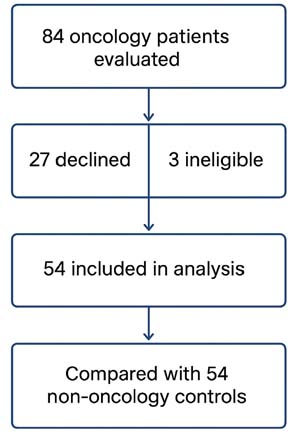
Figure 1. Study population and patient selection process. Flowchart showing patient selection process: 84 oncology patients evaluated; 27 declined, 3 ineligible; 54 included in analysis and compared with 54 non-oncology controls.
Inclusion and exclusion criteria
Eligible participants were women aged 18-40 years with a confirmed oncologic diagnosis and no prior bilateral oophorectomy. Patients with ovarian failure, uncontrolled endocrine disorders, or those who declined consent were excluded.The control group included women aged 18-40 years undergoing elective cryopreservation for non-medical reasons, matched by age and ovarian reserve (AMH, AFC).
Ovarian stimulation protocol
Most oncology cycles (≈90%) used a GnRH antagonist random-start protocol, allowing stimulation at any phase of the menstrual cycle. Controlled ovarian stimulation was initiated with recombinant or urinary FSH according to ovarian reserve.In hormone receptor-positive breast cancer patients (≈25 cases, representing ~60% of breast cancer diagnoses), letrozole (5 mg/day) was co-administered throughout stimulation to maintain low estradiol levels and minimize potential estrogen-dependent tumor stimulation (Lambertini et al., 2020; Oktay et al., 2018).Final oocyte maturation was triggered with a GnRH agonist or recombinant hCG, depending on clinician judgment and follicular response. Oocyte retrieval was performed 34-36 hours later under transvaginal ultrasound guidance.
Outcome measures
The following data were collected: patient age, cancer type, prior treatments, stimulation duration, number of oocytes retrieved, metaphase II (MII) rate, fertilization rate (if applicable), and cycle cancellation rate.Fertility preservation outcomes were categorized as either oocyte cryopreservation or embryo cryopreservation, according to patient choice and marital status.
Statistical Analysis
Descriptive statistics were used to summarize baseline characteristics. Continuous variables were analyzed using t-tests, and categorical variables with chi-square tests. Significance was set at p<0.05.
Ethical considerations
The study was conducted in accordance with the Declaration of Helsinki. All patients provided written informed consent prior to participation. Institutional ethics approval was obtained from both centers before data collection.
RESULTS
Patient flow and inclusion
A total of 84 women diagnosed with cancer were initially evaluated for fertility preservation counseling. Of these, 27 patients declined to participate, and 3 did not meet eligibility criteria (due to advanced disease or contraindications for ovarian stimulation). Ultimately, 54 patients underwent fertility preservation cycles and were included in the final analysis (Figure 1).
Baseline characteristics
The mean age of the oncology group was 32.0±4.5 years, while that of the control group was 33.3±3.9 years (p>0.05). Among oncology patients, breast cancer was the predominant diagnosis (41/54, 75.9%), followed by lymphoma (6/54, 11.1%), leukemia (4/54, 7.4%), and epithelial ovarian cancer (1/54, 1.8%). Two patients (3.7%) had other malignancies (endometrial and colorectal) (Figure 2). Prior treatment exposure included chemotherapy in 14.8% (n=8) and surgery in 31.5% (n=17); none had received radiotherapy before fertility preservation.
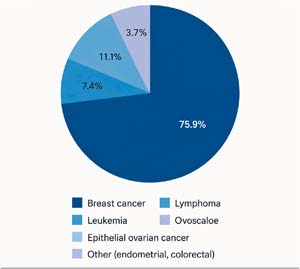
Figure 2. Distribution of cancer diagnoses among oncology patients undergoing fertility preservation
Stimulation characteristics
The GnRH antagonist random-start protocol was used in approximately 90% of oncology cycles, allowing initiation of stimulation regardless of menstrual phase. In hormone receptor-positive breast cancer cases (≈25 patients, 60% of all breast cancers), letrozole (5 mg/ day) was co-administered throughout stimulation to maintain physiologic estradiol levels and reduce estrogen exposure. The duration of stimulation averaged 9.2±1.8 days in oncology patients, comparable to controls. Cycle cancellation occurred in 11/54 (20.4%) oncology cases versus 2/54 (3.7%) in controls (p=0.01).
Fertility preservation outcomes
The mean number of oocytes retrieved was slightly lower in the oncology group (8.9±3.1) compared with controls (10.2±2.8, p=0.04). The mature oocyte (MII) rate was 74.5% in oncology patients versus 81.2% in controls (p=0.09). The fertilization rate (when applicable) was similar between groups (72.5% vs. 74.1%, p=0.09) (Figure 3) (Table 1). Regarding the type of preservation, 29 patients (53.7%) opted for oocyte cryopreservation, while 25 patients (46.3%) chose embryo cryopreservation, primarily based on relationship status and partner availability (Figure 4). Embryo disposition preferences revealed that 72% of patients opted for storage for future use, 18% preferred disposal after five years, and 10% selected donation for research (Figure 5).
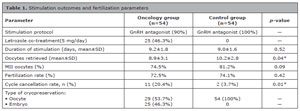
Table 1. Stimulation outcomes and fertilization parametersParameter Oncology group(n=54) Control group(n=54) p-value Stimulation protocol GnRH antagonist (90%) GnRH antagonist (100%) - Letrozole co-treatment(5 mg/day) 25 (46.3%) 0 - Duration of stimulation (days, mean±SD) 9.2±1.8 9.0±1.6 0.52 Oocytes retrieved (mean±SD) 8.9±3.1 10.2±2.8 0.04*MII oocytes (%) 74.5% 81.2% 0.09 Fertilization rate (%) 72.5% 74.1% 0.42 Cycle cancellation rate, n (%) 11 (20.4%) 2 (3.7%) 0.01*• Type of cryopreservation:OocyteEmbryo 29 (53.7%)25 (46.3%) 54 (100%)0 --
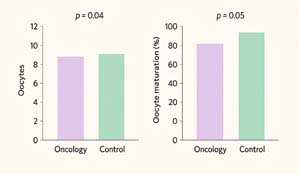
Figure 3. Comparison of oocyte yield and maturation rates between oncology and control groups
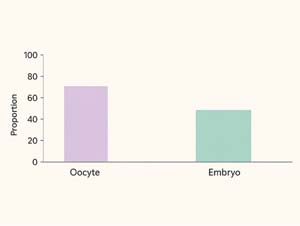
Figure 4. Distribution of preservation method (oocyte vs. embryo) among oncology patients
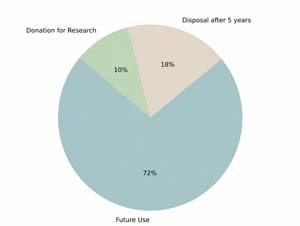
Figure 5. Embryo disposition preferences among oncology patients
Summary of key findings
• The most frequent malignancy was breast cancer (75.9%).
• Most patients underwent antagonist random-start protocols.
• Letrozole co-administration was systematically used in hormone receptor-positive breast cancer.
• Cycle cancellation was higher among oncology patients.
DISCUSSION
In the present study, most patients referred to the fertility preservation program were diagnosed with breast cancer or lymphoma, reflecting the most common neoplasms among young women. Among those who opted for an active fertility preservation strategy, 66.6% chose embryo cryopreservation, suggesting that many had a stable partner, sufficient time before initiating oncological treatment, and a willingness to use a technology with high success rates (Shnorhavorian et al., 2015).
One major barrier identified was the financial cost of the procedure. Patients who accessed treatment typically had private insurance or additional financial resources (Forman et al., 2010; Quinn et al., 2009). Financial limitation is a well-documented factor influencing decisionmaking regarding fertility preservation, particularly in countries where these services are not covered by public healthcare systems.
A considerable proportion of women declined any fertility preservation treatment. Psychological interviews revealed reasons related to the emotional impact of a recent cancer diagnosis, the need to focus exclusively on fighting the disease, and fear of worsening the prognosis due to delays or modifications in oncologic treatment (Letourneau et al., 2012; Ruggeri et al., 2019; Peate et al., 2009). Fertilityrelated distress and reduced quality of life in young cancer survivors have been widely reported (Duffy et al., 2005; Gorman et al., 2015).
Regarding the disposition of unused embryos, cancer patients were less likely to choose discarding them compared to those undergoing IVF for infertility. Instead, they were more willing to consider donation to other couples, a choice that entails unique ethical and psychological considerations and requires specialized counseling (Hill et al., 2012).
Finally, the safety of using gonadotropins for ovarian stimulation in patients with breast cancer-especially in hormone-sensitive tumors-remains a subject of debate. Although recent studies have shown that protocols including letrozole can reduce estrogen levels and minimize associated risks, further evidence is needed to establish robust clinical guidelines (Azim et al., 2008; ESHRE Guideline Group on Female Fertility Preservation et al., 2020).
It is evident that a significant proportion of patients refrain from participating in fertility preservation treatments, underscoring the need for further research to explore educational, psychological, and social interventions to improve counseling and access to these technologies (Gorman et al., 2015; Hill et al., 2012).
REFERENCES
Anderson RA, Wallace WHB, Telfer EE. Ovarian tissue cryopreservation for fertility preservation: clinical and research perspectives. Hum Reprod Open. 2017;2017:hox001. PMID: 30895221 DOI: 10.1093/hropen/hox001
Medline
Azim AA, Costantini-Ferrando M, Oktay K. Safety of fertility preservation by ovarian stimulation with letrozole and gonadotropins in patients with breast cancer: a prospective controlled study. J Clin Oncol. 2008;26:2630-5. PMID: 18509175 DOI: 10.1200/JCO.2007.14.8700
Medline
Bedaiwy MA, Abou-Setta AM, Desai N, Hurd WW, Starks D, ElNashar SA, Al-Inany HG, Falcone T. Gonadotropin-releasing hormone analog cotreatment for preservation of ovarian function during gonadotoxic chemotherapy: a systematic review and meta-analysis. Fertil Steril. 2011;95:906-14.e4. PMID: 21145541 DOI: 10.1016/j.fertnstert.2010.11.017
Medline
Benedict C, Thom B, N Friedman D, Diotallevi D, M Pottenger E, J Raghunathan N, Kelvin JF. Young adult female cancer survivors’ unmet information needs and reproductive concerns contribute to decisional conflict regarding posttreatment fertility preservation. Cancer. 2016;122:2101-9. PMID: 27213483 DOI: 10.1002/cncr.29917
Medline
Cakmak H, Katz A, Cedars MI, Rosen MP. Effective method for emergency fertility preservation: random-start controlled ovarian stimulation. Fertil Steril. 2013;100:1673-80. PMID: 23987516 DOI: 10.1016/j.fertnstert.2013.07.1992
Medline
Canada AL, Schover LR. The psychosocial impact of interrupted childbearing in long-term female cancer survivors. Psychooncology. 2012;21:134-43. PMID: 22271533 DOI: 10.1002/pon.1875
Medline
Carter J, Rowland K, Chi D, Brown C, Abu-Rustum N, Castiel M, Barakat R. Gynecologic cancer treatment and the impact of cancer-related infertility. Gynecol Oncol. 2005;97:90-5. PMID: 15790443 DOI: 10.1016/j.ygyno.2004.12.019
Medline
Cobo A, Garcia-Velasco JA, Domingo J, Remohí J, Pellicer A. Is vitrification of oocytes useful for fertility preservation for age-related fertility decline and in cancer patients? Fertil Steril. 2013;99:1485-95. PMID: 23541405 DOI: 10.1016/j.fertnstert.2013.02.050
Medline
Duffy C, Allen SM, Clark MA. Discussions regarding reproductive health for young women with breast cancer undergoing chemotherapy. J Clin Oncol. 2005;23:766-73. PMID: 15681520 DOI: 10.1200/JCO.2005.01.134
Medline
ESHRE Guideline Group on Female Fertility Preservation; Anderson RA, Amant F, Braat D, D’Angelo A, Chuva de Sousa Lopes SM, Demeestere I, Dwek S, Frith L, Lambertini M, Maslin C, Moura-Ramos M, Nogueira D, Rodriguez-Wallberg KA, Vermeulen N. ESHRE guideline: female fertility preservation. Hum Reprod Open. 2020;2020:hoaa052. PMID: 33225079 DOI: 10.1093/hropen/hoaa052
Medline
Forman EJ, Anders CK, Behera MA. A nationwide survey of oncologists regarding treatment-related infertility and fertility preservation in female cancer patients. Fertil Steril. 2010;94:1652-6. PMID: 19945099 DOI: 10.1016/j.fertnstert.2009.10.008
Medline
Garcia-Velasco JA, Domingo J, Cobo A, Martinez M, Carmona L, Pellicer A. Five years’ experience using oocyte vitrification to preserve fertility for medical and nonmedical indications. Fertil Steril. 2013;99:1994-9. PMID: 23465707 DOI: 10.1016/j.fertnstert.2013.02.004
Medline
Gorman JR, Su HI, Roberts SC, Dominick SA, Malcarne VL. Experiencing reproductive concerns as a female cancer survivor is associated with depression. Cancer. 2015;121:935-42. PMID: 25377593 DOI: 10.1002/cncr.29133
Medline
Hill KA, Nadler T, Mandel R, Burlein-Hall S, Librach C, Glass K, Warner E. Experience of young women diagnosed with breast cancer who undergo fertility preservation consultation. Clin Breast Cancer. 2012;12:127-32. PMID: 22444719 DOI: 10.1016/j.clbc.2012.01.002
Medline
Letourneau JM, Ebbel EE, Katz PP, Katz A, Ai WZ, Chien AJ, Melisko ME, Cedars MI, Rosen MP. Pretreatment fertility counseling and fertility preservation improve quality of life in reproductive age women with cancer. Cancer. 2012;118:1710-7. PMID: 21887678 DOI: 10.1002/cncr.26459
Medline
Lie Fong S, Laven JS, Hakvoort-Cammel FG, Schipper I, Visser JA, Themmen AP, de Jong FH, van den HeuvelEibrink MM. Assessment of ovarian reserve in adult childhood cancer survivors using anti-Mullerian hormone. Hum Reprod. 2009;24:982-90. PMID: 19153092 DOI: 10.1093/humrep/den487
Medline
Loren AW, Mangu PB, Beck LN, Brennan L, Magdalinski AJ, Partridge AH, Quinn G, Wallace WH, Oktay K; American Society of Clinical Oncology. Fertility preservation for patients with cancer: American Society of Clinical Oncology clinical practice guideline update. J Clin Oncol. 2013;31:2500-10. PMID: 23715580 DOI: 10.1200/JCO.2013.49.2678
Medline
Oktay K, Hourvitz A, Sahin G, Oktem O, Safro B, Cil A, Bang H. Letrozole reduces estrogen and gonadotropin exposure in women with breast cancer undergoing ovarian stimulation before chemotherapy. J Clin Endocrinol Metab. 2006;91:3885-90. PMID: 16882752 DOI: 10.1210/jc.2006-0962
Medline
Oktay K, Harvey BE, Partridge AH, Quinn GP, Reinecke J, Taylor HS, Wallace WH, Wang ET, Loren AW. Fertility preservation in patients with cancer: ASCO Clinical Practice Guideline Update. J Clin Oncol. 2018;36:1994-2001. PMID: 29620997 DOI: 10.1200/JCO.2018.78.1914
Medline
Peate M, Meiser B, Hickey M, Friedlander M. The fertilityrelated concerns, needs and preferences of younger women with breast cancer: a systematic review. Breast Cancer Res Treat. 2009;116:215-23. PMID: 19390962 DOI: 10.1007/s10549-009-0401-6
Medline
Quinn GP, Vadaparampil ST, Lee JH, Jacobsen PB, Bepler G, Lancaster J, Keefe DL, Albrecht TL. Physician referral for fertility preservation in oncology patients: a national study of practice behaviors. J Clin Oncol. 2009;27:5952-7. PMID: 19826115 DOI: 10.1200/JCO.2009.23.0250
Medline
Rodriguez-Wallberg KA, Oktay K. Fertility preservation during cancer treatment: clinical guidelines. Cancer Manag Res. 2014;6:105-17. PMID: 24623991 DOI: 10.2147/CMAR.S32380
Medline
Ruggeri M, Pagan E, Bagnardi V, Bianco N, Gallerani E, Buser K, Giordano M, Gianni L, Rabaglio M, Freschi A, Cretella E, Clerico M, Farolfi A, Simoncini E, Ciccarese M, Rauch D, Ramello M, Glaus A, Berardi R, Pellanda AF, et al. Fertility concerns, preservation strategies and quality of life in young women with breast cancer: Baseline results from an ongoing prospective cohort study in selected European Centers. Breast. 2019;47:85-92. PMID: 31362134 DOI: 10.1016/j.breast.2019.07.001
Medline
Shnorhavorian M, Harlan LC, Smith AW, Keegan TH, Lynch CF, Prasad PK, Cress RD, Wu XC, Hamilton AS, Parsons HM, Keel G, Charlesworth SE, Schwartz SM; AYA HOPE Study Collaborative Group. Fertility preservation knowledge, counseling, and actions among adolescent and young adult patients with cancer: A population-based study. Cancer. 2015;121:3499-506. PMID: 26214755 DOI: 10.1002/cncr.29328
Medline
Tschudin S, Bitzer J. Psychological aspects of fertility preservation in men and women affected by cancer and other life-threatening diseases. Hum Reprod Update. 2009;15:587-97. PMID: 19433413. DOI: 10.1093/humupd/dmp015
Medline