JBRA Assisted Reproduction 2025;29(Suppl.2 SBRA 2025):208
29th Annual Congress of the SBRA. São Paulo/SP - Brazil, 2025
doi: 10.5935/1518-0557.20263876
P-196. Relationship Between Subclinical Genital Infections and Semen Parameter Alterations: A Literature Review
JBRA Assisted Reproduction 2025;29(Suppl.2 SBRA 2025):208
Poster Presentation
29th Annual Congress of the SBRA. São Paulo/SP - Brazil, 2025
doi: 10.5935/1518-0557.20263876
P-196. Relationship Between Subclinical Genital Infections and Semen Parameter Alterations: A Literature Review
1 Fertibaby Ceará – Fortaleza - CE - Brasil
Objective: To review the scientific literature from the past five years regarding the influence of subclinical genital infections on alterations in semen parameters in infertile men.
Methods: A systematic literature review was conducted using the PubMed, Scielo, and Web of Science databases, selecting articles published between 2021 and 2025 that investigated subclinical genital infections and their impact on semen quality. Studies addressing the relationship between infectious agents and alterations in seminal parameters (concentration, motility, morphology, and inflammatory markers) were included. The analysis focused on pathophysiological mechanisms and relevant clinical data.
Results: Recent studies reinforce that subclinical genital infections caused by agents such as Chlamydia trachomatis, Mycoplasma genitalium, and Ureaplasma urealyticum are associated with significant changes in semen parameters. The presence of these infections leads to increased local inflammation and oxidative stress, negatively affecting the integrity and functionality of sperm. Typical alterations include reduced sperm concentration and progressive motility, increased abnormal morphology, and a higher frequency of leukocytospermia. These changes are detected even in the absence of clinical symptoms, highlighting the importance of detailed laboratory evaluation. Appropriate treatment of infections has shown promising results in the partial recovery of seminal parameters.
Conclusion: The literature from the past five years confirms the role of subclinical genital infections as factors that impair semen quality and contribute to male infertility. The absence of clinical symptoms calls for the implementation of effective laboratory protocols for early identification of these infections. Targeted therapeutic management can improve seminal parameters and increase reproductive potential. Future research should focus on standardizing diagnostic approaches and evaluating long-term treatment outcomes.
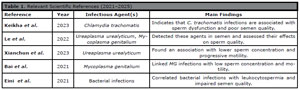
Table 1. Relevant Scientific References (2021–2025)