JBRA Assist. Reprod. 2023;00(0):00-00
ORIGINAL ARTICLE
doi: 10.5935/1518-0557.20230075
Safety of Plasma Rich in Growth Factors (PRGF) as additive to healthy human sperm samples: a pilot study
1Instituto Valenciano de Infertilidad (IVI), IVIRMA, Leioa 48940, Spain
2Biocruces Health Research Institute, Baracaldo 48903, Spain
3Cruces University Hospital, Obstetrics and Gynecology Department, Baracaldo 48903, Spain
4BTI Biotechnology Institute, Vitoria 01005, Spain
5IVI Foundation, Health Research Institute La Fe, Valencia, Spain
CONFLICT OF INTERESTS
The authors have no conflicts of interest to report.
ABSTRACT
Objective: The aim of our study was to assess if the addition of PRGF to healthy human sperm affects its motility and vitality.
Methods: This was a prospective study, with 44 sperm donors on whom sperm analysis was performed. Nine mL of blood was collected and PRGF was obtained using PRGF-Endoret® technology. The influence of different dilutions of PRGF (5%, 10%, 20%, 40%) applied to 15 sperm donors was compared, and sperm motility was assessed after 30 minutes. In the second part of the study, 29 sperm donors were studied to analyze the influence of 20% dilution of PRGF at 15, 30 and 45 minutes in fresh and thawed sperm samples. Motility was assessed after the addition of PRGF and after analysis each aliquot was frozen. After thawing, concentration and motility were assessed at the same time periods.
Results: There were no differences in sperm motility in fresh samples between dilutions of PRGF when assessed 30 minutes after administration, nor between them, nor when compared to the control group immediately prior to treatment. No trend was observed between motility and PRGF dilution in linear regression analysis. There were no significant differences in thawed samples.
Conclusions: The administration of 20% PRGF dilution had no effect on sperm motility compared to samples without PRGF. In addition, there was no change in sperm vitality when comparing samples with and without PRGF. More studies focusing on subnormal sperm samples, analyzing different PRGF concentrations and increasing the number of study variables are needed.
Keywords: donors, motility, plasma rich in growth factors (PRGF), spermiogram, sperm vitality, thawed
INTRODUCTION
Male factor infertility represents one of the main indications for Assisted Reproductive Techniques (ART). Traditionally, moderate to severe male factors are subjected to IVF/ICSI while IUI is employed in light male factors and in cases of normal sperm (Matorras et al., 2012; 2014; Ombelet, 2017; Farquhar et al., 2018; Boomsma et al., 2019). However, in several ART situations it is mandatory to use frozen-thawed sperm, a process that impairs sperm quality (Matorras et al., 1996; Gómez-Torres et al., 2017), so numerous strategies have been proposed to ameliorate the sperm quality and thus improve ART pregnancy rates or make it possible to perform less complex ART techniques.
Plasma rich in growth factors (PRGF) is an autologous platelet rich plasma (PRP) with proven efficacy in various clinical settings such as traumatology, maxillofacial surgery and plastic surgery (Borzini & Mazzucco, 2007; Sánchez et al., 2008; Anitua et al., 2015). In recent years, some reports have highlighted the role of PRP in the endometrium (Anitua et al., 2016; Farimani et al., 2019; Pantos et al., 2019).
PRGF is a safe, efficacious therapeutic approach obtained by extraction of a small amount of blood which is then centrifuged and activated to generate a plasma free of leucocytes which is enriched in proteins and growth factors (Anitua et al., 2012; Sheykhhasan & Seifalian, 2021). After activation, α-granules of platelets release hundreds of compounds that stimulate biological processes such as cell proliferation, recruitment and differentiation, chemotaxis, and angiogenesis (Anitua, 2001; Anitua et al., 2016; Ferrari et al., 2021).
A number of these molecules have been shown to improve sperm quality and function (Lee et al., 2016). Thus TGF-β (transforming growth factor β) (Sharkey et al., 2016), fibroblast growth factor (FGF) (Saucedo et al., 2015), vascular endothelial growth factor (VEGF) (Iyibozkurt et al., 2009) and serotonin (Jiménez-Trejo et al., 2012) were found to enhance sperm motility (Iyibozkurt et al., 2009; Sharkey et al., 2016), while zinc and calcium ions were seen to improve sperm capacitation and the acrosome reaction (Li et al., 2016; Kerns et al., 2018). Moreover, the addition of nerve growth factor (NGF), insulin-like growth factor 1 (IGF-1), platelet-activating factor (PAF), ATP, zinc ions and superoxide dismutase as cryoprotectants have been reported to improve the quality of sperm after cryopreservation in animals (Padilha et al., 2012; Perumal et al., 2013; Kim et al., 2016) and humans (Rossi et al., 2001; Kotdawala et al., 2012; Saeednia et al., 2016). It has recently been reported that the addition of PRP to the cryoprotectant medium in normozoospermic samples increased sperm motility and viability after thawing (Yan et al., 2021). PRP has been reported to improve sperm vitality and motility, and to decrease sperm DNA fragmentation and ROS levels (Bader et al., 2020).
For instance, exposure to FGF, a component of PRP, can increase FGFR phosphorylation levels of sperm flagella and activate extracellular signal-regulated kinase and protein kinase B signaling pathways, thereby promoting a significant increase in sperm progressive motility (Saucedo et al., 2015). It was also reported that VEGF (another PRP ingredient) ameliorates sperm motility parameters in a concentration-dependent manner in vitro (Iyibozkurt et al., 2009). Serotonin contained in PRP has also been shown to improve the curvilinear velocity of sperm components (Jiménez-Trejo et al., 2012).
In addition, PRPs have shown an antioxidant effect on sperm (Bader et al., 2020; Yan et al., 2021) as well as a buffering effect against osmotic shock (Lee et al., 2016).
The aim of our study was to assess whether the addition of PRGF to healthy sperm (no history of infertility and a total motile sperm count greater than 50 million in fresh or thawed) is safe, by evaluating the motility and vitality of the sperm.
MATERIAL AND METHODS
Population
The population of the study consisted of 44 sperm donors who attended our clinic over a six-month period and wished to participate in the study. All donors signed the corresponding informed consent form. Our study was approved by our Institutional Board (PI2015062) and was registered at trial registration (NCT02708537)
The sperm-donor selection protocol was previously described (Matorras et al., 2022). Briefly, this consisted of a medical and reproductive history with an investigation of drug intake and smoking habits, and a psychological interview. Physical examination, biometric measurement, blood analyses (general analyses, serologic tests, karyotype and systematic investigation of recessive diseases), sperm cultures, and spermiogram post-thawing sperm survival analysis were also performed (Matorras et al., 2022).
Semen samples
Semen samples were collected into sterile plastic containers by masturbation following four-five days of sexual abstinence. After liquefaction, sperm analysis was performed. Ejaculates were managed according to the World Health Organization manual for examining and processing human semen (WHO, 2010). Concentrations of sperm and count of motile sperm (Matorras et al., 2022) were determined by a Makler counting chamber (Sefi Medical Instruments, Haifa, Israel) using standard clinical procedures. Sperm motility was evaluated according to WHO criteria (WHO, 2010). Sperm vitality was assessed with Sperm VitalStain (Nidacom, Mölndal, Sweden), which is a one-step vital staining technique containing eosin and nigrosin.
A drop (25µL) of semen was deposited in a clean tube, and a drop (25µl) of saline was added to allow good diffusion of the dye through the cytoplasmic membrane of the dead spermatozoa. It was mixed well and a spread was made on a slide. Under the microscope, a count was made of 200 spermatozoa and how many of them appeared unstained, i.e., those that were alive and had not been penetrated through the membrane by the dye. Results were expressed as a percentage and unstained sperm were classified as viable.
PRGF preparation
On the day of seminal collection, nine mL of blood was collected to obtain PRGF. PRGF-Endoret® technology was used, which employs calcium chloride (CaCl2) as a biocompatible platelet activator (Anitua, 2001). Blood samples for PRGF were immediately centrifuged at 580 g for eight minutes at room temperature in an Endoret System centrifuge (BTI Biotechnology Institute, S.L., Miñano, Spain). The whole plasma column above the buffy coat was harvested, taking care not to collect the layer containing leukocytes. Ten µl of CaCl2 (10 % wt/vol) were added per mL of plasma, the tube was gently turned upside down three-four times to ensure the correct distribution throughout the volume of plasma and placed in the Plasmaterm® biological oven (BTI, Vitoria, Spain) at 37°C for at least 40 minutes, allowing fibrin to clot a pool of growth factors into the supernatant as it retracted. The resulting enriched-in-growth-factors supernatant (PRGF supernatant) was filtered through a polyester sulfone (PES) syringe filter and was ready to combine with the sperm samples.
PRGF addition to sperm
In the first part of the study (n=15 sperm donors) we compared the influence of different PRGF dilutions (5%, 10%, 20% and 40%) on sperm motility, assessing them 30 minutes after the administration.
To do so, 400 µL was collected from the main fresh semen sample. Five aliquots of 80 µL were made: four were incubated in a Plasmaterm with different PRGF concentrations (5%, 10%, 20% and 40%) and one was used as a control. Samples were evaluated for motility 30 minutes after the addition of PRGF.
After analysis of semen motility and concentration, each of the aliquots was frozen by adding Freezing Medium (FUJIFILM Irvine Scientific, Tilburg, Netherlands). Each semen sample with autologous PRGF was diluted with equal volume 1:1 in test cryoprotectant medium glycerol-egg yolk-citrate freeze solution (20% egg yolk, 12% v/v glycerol, 10 μg/mL Gentamicin) and was cooled (2-8°C) for 40 minutes in a refrigerator. After the equilibration period, the mixtures were transferred into sterile cryovials. Finally, a -78°C CO2 dry ice mold was made and used to make several homogeneous pellets. After two-three minutes they were transferred to a 4.5 mL Nunc cryotube (Sigma Aldrich, Darmstadt, Germany) and completely immersed in liquid N2 (-196°C) for freezing. Then, subsequent thawing was performed and motility at 30 minutes was evaluated.
The second part of the study (n=29 sperm donors) contemplated a sequential study with the dilution at which there would have been a maximum effect on progressive motility in fresh semen. 20% of PRGF was added at different moments in fresh and in thawed sperm samples. A volume of 400 µL was collected from the main fresh semen sample; then, five 80-µL aliquots were prepared: four were mixed with 20% PRGF and incubated in a Plasmaterm, and one was used as a control without PRGF. Samples were evaluated at 15, 30 and 45 minutes after the addition of PRGF. After analysis of semen motility and concentration, each of the aliquots was frozen following the aforementioned protocol. After thawing the samples, concentration and motility were evaluated at 15, 30 and 45 minutes.
Statistical analysis
Comparison of the effect of different PRGF dilutions on sperm samples assessed 15, 30 and 45 minutes after their administration was expressed as mean and standard deviation (SD). The normal distribution was assessed with the Shapiro-Wilk test and normal Q to Q plots. Mean of the differences between pairs with 95% confidence intervals were also presented. Differences between pre-post (15, 30 and 45 minutes) were assessed using repeated measures ANOVA adjusted for multiple comparisons by Bonferroni test. Boxplots were presented for these analyses (Figures S1-8, link).
Statistical analyses were performed using R (version 4.1.2): A language and environment for statistical computing. R Foundation for Statistical Computing, Vienna, Austria.
RESULTS
Patients
Mean age of donors in the study population was 22.52±3.52 years, mean weight 75.11±9.61 kg and 38.63% of them were smokers.
Comparison of the effect of different PRGF dilutions on sperm motility after 30 minutes of incubation
There were no differences in sperm motility in fresh samples between the different dilutions of PRGF when assessed 30 minutes after administration, nor between them, nor when compared to the control group immediately prior to treatment (Table 1).
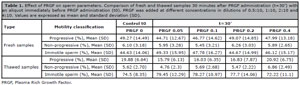
Table 1. Effect of PRGF on sperm parameters. Comparison of fresh and thawed samples 30 minutes after PRGF administration (t=30’) with an aliquot immediately before PRGF administration (t0). PRGF was added at different concentrations in dilutions of 0.5:10, 1:10, 2:10 and 4:10. Values are expressed as mean and standard deviation (SD).
No trend was observed between motility and PRGF dilution in linear regression analysis (r=0.000, p=0.99).
With respect to the thawed samples (Table 1), there were no significant differences, although there was a trend towards a progressive motility deterioration at 5% dilution, as well as a slight improvement at 40% dilution.
Comparison of the effect of 20% PRGF dilution on sperm samples assessed 15, 30 and 45 minutes after administration
The sperm concentration in the fresh samples after the addition of PRGF, as expected because of dilution, was significantly lower at the three time points considered, compared to samples without PRGF, both at time 0 and 45 minutes (Table 2). The proportion of sperm with progressive motility, non-progressive motility and immotile sperm did not change compared with the samples without PRGF (Table 2).
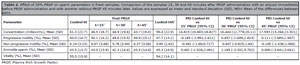
Table 2. Effect of 20% PRGF on sperm parameters in fresh samples. Comparison of the samples 15, 30 and 45 minutes after PRGF administration with an aliquot immediately before PRGF administration and with another without PRGF 45 minutes later. Values are expressed as mean and standard deviation (SD). MD= Mean of the differences between pairs.
As reported, in thawed samples a decrease in sperm concentration was observed after the addition of PRGF, again due to the dilution of the samples (Table 3). The progressive and non-progressive motility and the proportion of immotile spermatozoa did not change compared with the samples without PRGF.

Table 3. Effect of 20% PRGF on sperm parameters in thawed samples. Comparison of the samples with 20% PRGF 15, 30 and 45 minutes after thawing with a control aliquot without PRGF 45 minutes. Values are expressed as mean and standard deviation (SD). MD= Mean of the differences between pairs.
Moreover, there were no changes in sperm vitality comparing samples with and without PRGF (Figure 1).
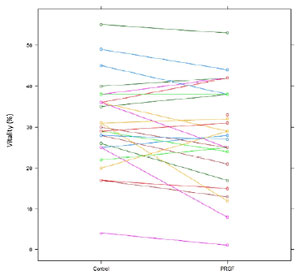
Figure 1. Changes in sperm vitality comparing thawed samples with 20% PRGF and without PRGF. Samples were analyzed 45 minutes after thawing and the vitality parameter is expressed in percentages (r=0.000, p=0.99).
DISCUSSION
Assisted reproductive techniques are very effective technologies to improve sperm quality and to increase/compensate the fertilizing ability of poor sperm. Usually, IVF/ICSI is needed with severely impaired sperm, whereas intrauterine insemination (IUI) is employed in slightly impaired or even normal sperm samples (Matorras et al., 2012; 2014; Ombelet, 2017; Farquhar et al., 2018; Boomsma et al., 2019). In IUI a number of methods for sperm preparation/selection have been employed such as sperm washing (Boomsma et al., 2019), swim-up (Karlström et al., 1991), gradient separation (Henkel & Schill, 2003), magnetic activated cell sorting (MACS) (Gil et al., 2013), microfluidics (Schuster et al., 2003; Suh et al., 2005), electrophoresis zeta method (Chan et al., 2006) or hypo-osmotic swelling test (Suh et al., 2005). Moreover, there are controversial reports regarding the administration to the sperm sample of different compounds, such as antioxidants (Griveau & Le Lannou, 1994), caffeine (Barkay et al., 1977), pentoxifylline (Stanic et al., 2002), platelet activating factor (Wild & Roudebush, 2001; Matorras & Pijoan, 2002) or papaverine (Ibis et al., 2021). Another option is for the male to take different antioxidants (Smits et al., 2019), vitamin E (Matorras et al., 2020) or micronutrients (Lipovac et al., 2016).
Furthermore, a number of compounds have been tested to protect sperm from freezing or to improve sperm after that process, such as the addition of reduced glutathione (GSH) (Gadea et al., 2011), curcumin (Nur Karakus et al., 2021), L- prolin (Moradi et al., 2022), alpha lipoic acid (Shaygannia et al., 2020), pentoxifylline (Esteves et al., 2007) and theophylline (Ebner et al., 2011). Recently, autologous platelet-rich plasma has arisen as a good supplement in the process of cryopreservation of human or animal spermatozoa, offering a protective effect (Alcay et al., 2021; Yan et al., 2021).
There are some controversial reports regarding platelet derivatives and sperm motility. It has been reported that exogenous platelet-activating factor (ePAF) was associated with an increase in sperm motility in IUI samples (Alcay et al., 2021). The addition of platelet-activating factor was reported to improve IUI outcome (Wild & Roudebush, 2001; Roudebush et al., 2004), although the early report (Wild & Roudebush, 2001) lacked statistical significance (Matorras & Pijoan, 2002).
PRGF has been tested in several medical conditions. Among others, beneficial effects are well known in traumatology, dentistry and ophthalmology. In recent years, PRP has been used in reproductive medicine, mainly for endometrial growth (Anitua et al., 2016) and ovarian rejuvenation (Atkinson et al., 2021). Many components present in PRGF have been reported to increase sperm motility when administered separately, such as TGF- β (Sharkey et al., 2016), FGF (Saucedo et al., 2015), VEGF (Iyibozkurt et al., 2009) and serotonin (Jiménez-Trejo et al., 2012). When administered as cryoprotectants, other components like NGF, IGF-1, platelet-activating factor, ATP, zinc ions and superoxide dismutase, have been reported to improve the quality of sperm after cryopreservation in animals (Padilha et al., 2012; Perumal et al., 2013; Kim et al., 2016) and humans (Rossi et al., 2001; Kotdawala et al., 2012; Saeednia et al., 2016).
Platelet rich plasma (PRP) has been shown to improve motility and morphology in ram sperm (Hernández-Corredor et al., 2020). Furthermore, PRP administration to sperm confers protection against oxidative stress. In a recent report, the addition of 5% PRP to sperm specimens before freezing improved sperm progressive motility, viability and membrane integrity, while in another study 2% PRP treatment enhanced sperm parameters and prevented cell death in H2O2-exposed spermatozoa as compared to freshly collected semen (Bader et al., 2020; Yan et al., 2021).
Our experiment adding 20% PRGF did not influence sperm motility in fresh semen samples or in thawed samples, nor were there differences in sperm vitality after thawing. Moreover, we did not find any differences with the other dilutions tested (5%, 10%, 40%). The effect of PRGF on sperm samples was probably not detected because of the dilution factor. A recent study including 100 sperm samples showed that 2% was the optimal dose of PRP for providing substantial effects (Hamdan et al., 2021). The administration of 2% PRP to semen samples significantly improved human sperm motility (Hamdan et al., 2021). In this sense, further research modifying the PRGF dose should be considered to avoid the dilution of sperm specimens.
Furthermore, concerning the discrepancies of our work with previous studies (Bader et al., 2020), we should highlight the following differences: we used PRGF as a supplementation to the sperm samples (either fresh or thawed), whereas in one previous study, platelet rich plasma (PRP) was used only in fresh specimens (Bader et al., 2020) and, in the other, PRP was used as a supplementary cryoprotectant before freezing (Yan et al., 2021). Moreover, we assessed sperm parameters 15, 30 and 45 minutes after PRGF administration while in another study PRP samples were evaluated 24 hours later and in the other immediately after thawing (Li et al., 2016). Previous reports concerning the best PRGF dilution are controversial. In one report, 2% PRP sperm motility increased, did not change with 5% and with 10% was impaired (Bader et al., 2020). However, in another study motility improved only with 5% PRP, but not with 2% and 10% PRP (Li et al., 2016). In the concentration range we studied of 5-40%, we observed no effect on motility in fresh or thawed samples, nor in vitality in thawed samples. A recently presented work showed that incubation of fresh semen samples with PRP for 1 hour produced significantly better quality in terms of concentration, motility, progressive motility, morphology and percentage of sperm, with good fertilization in 40 males (Angellee et al., 2021).
CONCLUSION
Our study has shown the absence of any negative effect of administering PRGF on fresh or thawed sperm samples from healthy donors. This is important, as it will prepare the ground for assessing the effect of PRGF administration in subnormal sperm samples. In fact, our study population consisted of young, healthy sperm donors (mean age 22 years) compared to men in the third decade (mean age 35 years) with normal sperm attending an IVF clinic (Bader et al., 2020) and to normozoospermic men consulting for fertility evaluation (Yan et al., 2021). Furthermore, the most relevant marker of sperm quality, pregnancy rate, was not assessed in our study.
More studies focusing on subnormal sperm samples, analyzing different PRGF concentrations and increasing the number of study variables are needed.
Acknowledgements
The authors thank participants involved in donor selection from sperm bank of IVI BILBAO.
REFERENCES
Alcay S, Aktar A, Koca D, Kilic MA, Akkasoglu M, Sagirkaya H. Positive effect of autologous platelet rich plasma on Saanen buck semen cryopreservation in non-breeding season. Cryobiology. 2021;103:45-8. PMID: 34710381 DOI: 10.1016/j.cryobiol.2021.09.012 Medline
Anitua E, Alkhraisat MH, Orive G. Perspectives and challenges in regenerative medicine using plasma rich in growth factors. J Control Release. 2012;157:29-38. PMID: 21763737 DOI: 10.1016/j.jconrel.2011.07.004 Medline
Anitua E, Muruzabal F, Tayebba A, Riestra A, Perez VL, Merayo-Lloves J, Orive G. Autologous serum and plasma rich in growth factors in ophthalmology: preclinical and clinical studies. Acta Ophthalmol. 2015;93:e605-14. PMID: 25832910 DOI: 10.1111/aos.12710 Medline
Anitua E, de la Fuente M, Ferrando M, Quintana F, Larreategui Z, Matorras R, Orive G. Biological effects of plasma rich in growth factors (PRGF) on human endometrial fibroblasts. Eur J Obstet Gynecol Reprod Biol. 2016;206:125-30. PMID: 27693932 DOI: 10.1016/j.ejogrb.2016.09.024 Medline
Anitua E. The use of plasma-rich growth factors (PRGF) in oral surgery. Pract Proced Aesthet Dent. 2001;13:487-93 PMID: 11544821 Medline
Atkinson L, Martin F, Sturmey RG. Intraovarian injection of platelet-rich plasma in assisted reproduction: too much too soon? Hum Reprod. 2021;36:1737-50. PMID: 33963408 DOI: 10.1093/humrep/deab106 Medline
Bader R, Ibrahim JN, Moussa M, Mourad A, Azoury J, Azoury J, Alaaeddine N. In vitro effect of autologous platelet-rich plasma on H2O2 -induced oxidative stress in human spermatozoa. Andrology. 2020;8:191-200. PMID: 31079423 DOI: 10.1111/andr.12648 Medline
Barkay J, Zuckerman H, Sklan D, Gordon S. Effect of caffeine on increasing the motility of frozen human sperm. Fertil Steril. 1977;28:175-7. PMID: 832730 DOI: 10.1016/S0015-0282(16)42378-2 Medline
Boomsma CM, Cohlen BJ, Farquhar C. Semen preparation techniques for intrauterine insemination. Cochrane Database Syst Rev. 2019;10:CD004507. PMID: 31612995 DOI: 10.1002/14651858.CD004507.pub4 Medline
Chan PJ, Jacobson JD, Corselli JU, Patton WC. A simple zeta method for sperm selection based on membrane charge. Fertil Steril. 2006;85:481-6. PMID: 16595231 DOI: 10.1016/j.fertnstert.2005.07.1302 Medline
Ebner T, Tews G, Mayer RB, Ziehr S, Arzt W, Costamoling W, Shebl O. Pharmacological stimulation of sperm motility in frozen and thawed testicular sperm using the dimethylxanthine theophylline. Fertil Steril. 2011;96:1331-6. PMID: 21962960 DOI: 10.1016/j.fertnstert.2011.08.041 Medline
Esteves SC, Spaine DM, Cedenho AP. Effects of pentoxifylline treatment before freezing on motility, viability and acrosome status of poor quality human spermatozoa cryopreserved by the liquid nitrogen vapor method. Braz J Med Biol Res. 2007;40:985-92. PMID: 17653453 DOI: 10.1590/S0100-879X2006005000118 Medline
Farimani M, Heshmati S, Poorolajal J, Bahmanzadeh M. A report on three live births in women with poor ovarian response following intra-ovarian injection of platelet-rich plasma (PRP). Mol Biol Rep. 2019;46:1611-6. PMID: 30725347 DOI: 10.1007/s11033-019-04609-w Medline
Farquhar CM, Liu E, Armstrong S, Arroll N, Lensen S, Brown J. Intrauterine insemination with ovarian stimulation versus expectant management for unexplained infertility (TUI): a pragmatic, open-label, randomised, controlled, two-centre trial. Lancet. 2018;391:441-50. PMID: 29174128 DOI: 10.1016/S0140-6736(17)32406-6 Medline
Ferrari AR, Cortrezzi S, Borges E Junior, Braga D, Souza MDCB, Antunes RA. Evaluation of the Effects of Platelet-Rich Plasma on Follicular and Endometrial Growth: A Literature Review. JBRA Assist Reprod. 2021;25:601-7. PMID: 34415119 DOI: 10.5935/1518-0557.20210036 Medline
Gadea J, Molla M, Selles E, Marco MA, Garcia-Vazquez FA, Gardon JC. Reduced glutathione content in human sperm is decreased after cryopreservation: Effect of the addition of reduced glutathione to the freezing and thawing extenders. Cryobiology. 2011;62:40-6. PMID: 21156167 DOI: 10.1016/j.cryobiol.2010.12.001 Medline
Gil M, Sar-Shalom V, Melendez Sivira Y, Carreras R, Checa MA. Sperm selection using magnetic activated cell sorting (MACS) in assisted reproduction: a systematic review and meta-analysis. J Assist Reprod Genet. 2013;30:479-85. PMID: 23468098 DOI: 10.1007/s10815-013-9962-8 Medline
Gómez-Torres MJ, Medrano L, Romero A, Fernández-Colom PJ, Aizpurúa J. Effectiveness of human spermatozoa biomarkers as indicators of structural damage during cryopreservation. Cryobiology. 2017;78:90-4. PMID: 28641947 DOI: 10.1016/j.cryobiol.2017.06.008 Medline
Griveau JF, Le Lannou D. Effects of antioxidants on human sperm preparation techniques. Int J Androl. 1994;17:225-31. PMID: 7698847 DOI: 10.1111/j.1365-2605.1994.tb01247.x Medline
Henkel RR, Schill WB. Sperm preparation for ART. Reprod Biol Endocrinol. 2003;1:108. PMID: 14617368 DOI: 10.1186/1477-7827-1-108 Medline
Ibis E, Hayme S, Baysal E, Gul N, Ozkavukcu S. Efficacy and safety of papaverine as an in vitro motility enhancer on human spermatozoa. J Assist Reprod Genet. 2021;38:1523-37. PMID: 33772411 DOI: 10.1007/s10815-021-02160-x Medline
Iyibozkurt AC, Balcik P, Bulgurcuoglu S, Arslan BK, Attar R, Attar E. Effect of vascular endothelial growth factor on sperm motility and survival. Reprod Biomed Online. 2009;19:784-8. PMID: 20031017 DOI: 10.1016/j.rbmo.2009.09.019 Medline
Jiménez-Trejo F, Tapia-Rodríguez M, Cerbón M, Kuhn DM, Manjarrez-Gutiérrez G, Mendoza-Rodríguez CA, Picazo O. Evidence of 5-HT components in human sperm: implications for protein tyrosine phosphorylation and the physiology of motility. Reproduction. 2012;144:677-85. PMID: 23028123 DOI: 10.1530/REP-12-0145 Medline
Karlström PO, Bakos O, Bergh T, Lundkvist O. Intrauterine insemination and comparison of two methods of sperm preparation. Hum Reprod. 1991;6:390-5. PMID: 1955549 DOI: 10.1093/oxfordjournals.humrep.a137347 Medline
Kerns K, Zigo M, Sutovsky P. Zinc: A Necessary Ion for Mammalian Sperm Fertilization Competency. Int J Mol Sci. 2018;19:4097. PMID: 30567310 DOI: 10.3390/ijms19124097 Medline
Kim S, Hooper S, Agca C, Agca Y. Post-thaw ATP supplementation enhances cryoprotective effect of iodixanol in rat spermatozoa. Reprod Biol Endocrinol. 2016;14:5. PMID: 26821719 DOI: 10.1186/s12958-016-0141-5 Medline
Kotdawala AP, Kumar S, Salian SR, Thankachan P, Govindraj K, Kumar P, Kalthur G, Adiga SK. Addition of zinc to human ejaculate prior to cryopreservation prevents freeze-thaw-induced DNA damage and preserves sperm function. J Assist Reprod Genet. 2012;29:1447-53. PMID: 23192195 DOI: 10.1007/s10815-012-9894-8 Medline
Lee HS, Park YS, Lee JS, Seo JT. Serum and seminal plasma insulin-like growth factor-1 in male infertility. Clin Exp Reprod Med. 2016;43:97-101. PMID: 27358827 DOI: 10.5653/cerm.2016.43.2.97 Medline
Li X, Wang L, Li Y, Zhao N, Zhen L, Fu J, Yang Q. Calcium regulates motility and protein phosphorylation by changing cAMP and ATP concentrations in boar sperm in vitro. Anim Reprod Sci. 2016;172:39-51. PMID: 27423488 DOI: 10.1016/j.anireprosci.2016.07.001 Medline
Lipovac M, Bodner F, Imhof M, Chedraui P. Comparison of the effect of a combination of eight micronutrients versus a standard mono preparation on sperm parameters. Reprod Biol Endocrinol. 2016;14:84. PMID: 27938385 DOI: 10.1186/s12958-016-0219-0 Medline
Matorras R, Gorostiaga A, Diez J, Corcóstegui B, Pijoan JI, Ramón O, Rodriguez-Escudero FJ. Intrauterine insemination with frozen sperm increases pregnancy rates in donor insemination cycles under gonadotropin stimulation. Fertil Steril. 1996;65:620-5. PMID: 8774298 DOI: 10.1016/S0015-0282(16)58165-5 Medline
Matorras R, Soler AV, Ramon O, Burgos J, Abanto E, González M, Múgica J, Corcóstegui B, Pijoan JI, Exposito A. Prognostic value of serum progesterone and LH values on the day of hCG administration in IUI GnRH antagonist cycles. Gynecol Endocrinol. 2012;28:157-61. PMID: 21801119 DOI: 10.3109/09513590.2011.588747 Medline
Matorras R, Aparicio V, Corcostegui B, Prieto B, Mendoza R, Ramón O, Gomez-Picado O, Exposito A. Failure of intrauterine insemination as rescue treatment in low responders with adequate HCG timing with no oocytes retrieved. Reprod Biomed Online. 2014;29:634-9. PMID: 25263264 DOI: 10.1016/j.rbmo.2014.07.020 Medline
Matorras R, Pérez-Sanz J, Corcóstegui B, Pérez-Ruiz I, Malaina I, Quevedo S, Aspichueta F, Crisol L, Martinez-Indart L, Prieto B, Expósito A. Effect of vitamin E administered to men in infertile couples on sperm and assisted reproduction outcomes: a double-blind randomized study. F S Rep. 2020;1:219-26. PMID: 34223248 DOI: 10.1016/j.xfre.2020.09.006 Medline
Matorras R, Navarro A, Ramos D, Malaina I, Irazusta J, Vendrell A, Fernandez A, Ferrando M, Quintana F. Physical activity and sperm quality: influence in sperm donors. Reprod Biol Endocrinol. 2022;20:83. PMID: 35610619 DOI: 10.1186/s12958-022-00946-x Medline
Moradi B, Faramarzi A, Ghasemi-Esmailabad S, Aghaz F, Hashemian AH, Khazaei M. L-proline as a novel additive to cryopreservation media improved post-thaw quality of human spermatozoon via reducing oxidative stress. Andrologia. 2022;54:e14301. PMID: 34748671 DOI: 10.1111/and.14301 Medline
Nur Karakus F, Bulgurcuoglu Kuran S, Solakoglu S. Effect of curcumin on sperm parameters after the cryopreservation. Eur J Obstet Gynecol Reprod Biol. 2021;267:161-6. PMID: 34773879 DOI: 10.1016/j.ejogrb.2021.10.027 Medline
Ombelet W. The revival of intrauterine insemination: evidence-based data have changed the picture. Facts Views Vis Obgyn. 2017;9:131-2. PMID: 29479397 Medline
Padilha RT, Magalhães-Padilha DM, Cavalcante MM, Almeida AP, Haag KT, Gastal MO, Nunes JF, Rodrigues AP, Figueiredo JR, Oliveira MA. Effect of insulin-like growth factor-I on some quality traits and fertility of cryopreserved ovine semen. Theriogenology. 2012;78:907-13. PMID: 22541171 DOI: 10.1016/j.theriogenology.2012.04.005 Medline
Pantos K, Simopoulou M, Pantou A, Rapani A, Tsioulou P, Nitsos N, Syrkos S, Pappas A, Koutsilieris M, Sfakianoudis K. A Case Series on Natural Conceptions Resulting in Ongoing Pregnancies in Menopausal and Prematurely Menopausal Women Following Platelet-Rich Plasma Treatment. Cell Transplant. 2019;28:1333-40. PMID: 31271054 DOI: 10.1177/0963689719859539 Medline
Perumal P, Vupru K, Rajkhowa C. Effect of Addition of Taurine on the Liquid Storage (5°C) of Mithun (Bos frontalis) Semen. Vet Med Int. 2013;2013:165348. PMID: 23853737 DOI: 10.1155/2013/165348 Medline
Rossi T, Mazzilli F, Delfino M, Dondero F. Improved human sperm recovery using superoxide dismutase and catalase supplementation in semen cryopreservation procedure. Cell Tissue Bank. 2001;2:9-13. PMID: 15256925 DOI: 10.1023/A:1011592621487 Medline
Roudebush WE, Toledo AA, Kort HI, Mitchell-Leef D, Elsner CW, Massey JB. Platelet-activating factor significantly enhances intrauterine insemination pregnancy rates in non-male factor infertility. Fertil Steril. 2004;82:52-6. PMID: 15236989 DOI: 10.1016/j.fertnstert.2003.11.057 Medline
Saeednia S, Shabani Nashtaei M, Bahadoran H, Aleyasin A, Amidi F. Effect of nerve growth factor on sperm quality in asthenozoosprmic men during cryopreservation. Reprod Biol Endocrinol. 2016;14:29. PMID: 27233989 DOI: 10.1186/s12958-016-0163-z Medline
Sánchez M, Anitua E, Azofra J, Aguirre JJ, Andia I. Intra-articular injection of an autologous preparation rich in growth factors for the treatment of knee OA: a retrospective cohort study. Clin Exp Rheumatol. 2008;26:910-3. PMID: 19032827 Medline
Saucedo L, Buffa GN, Rosso M, Guillardoy T, Góngora A, Munuce MJ, Vazquez-Levin MH, Marín-Briggiler C. Fibroblast Growth Factor Receptors (FGFRs) in Human Sperm: Expression, Functionality and Involvement in Motility Regulation. PLoS One. 2015;10:e0127297. PMID: 25970615 DOI: 10.1371/journal.pone.0127297 Medline
Schuster TG, Cho B, Keller LM, Takayama S, Smith GD. Isolation of motile spermatozoa from semen samples using microfluidics. Reprod Biomed Online. 2003;7:75-81. PMID: 12930579 DOI: 10.1016/S1472-6483(10)61732-4 Medline
Sharkey DJ, Tremellen KP, Briggs NE, Dekker GA, Robertson SA. Seminal plasma transforming growth factor-β, activin A and follistatin fluctuate within men over time. Hum Reprod. 2016;31:2183-91. PMID: 27609985 DOI: 10.1093/humrep/dew185 Medline
Shaygannia E, Ghandehari-Alavijeh R, Tavalaee M, Nasr-Esfahani MH. The Protective Effects of Alpha Lipoic Acid on Human Sperm Function During Freezing-Thawing. Cryo Letters. 2020;41:344-50. PMID: 33990811 Medline
Sheykhhasan M, Seifalian A. Plasma-Rich in Growth Factor and its Clinical Application. Curr Stem Cell Res Ther. 2021;16:730-44. PMID: 33494683 DOI: 10.2174/1574888X16666210120101600 Medline
Smits RM, Mackenzie-Proctor R, Yazdani A, Stankiewicz MT, Jordan V, Showell MG. Antioxidants for male subfertility. Cochrane Database Syst Rev. 2019;3:CD007411. PMID: 30866036 DOI: 10.1002/14651858.CD007411.pub4 Medline
Stanic P, Sonicki Z, Suchanek E. Effect of pentoxifylline on motility and membrane integrity of cryopreserved human spermatozoa. Int J Androl. 2002;25:186-90. PMID: 12031048 DOI: 10.1046/j.1365-2605.2002.00348.x Medline
Suh R, Takayama S, Smith GD. Microfluidic applications for andrology. J Androl. 2005;26:664-70. PMID: 16291957 DOI: 10.2164/jandrol.05119 Medline
Wild MD, Roudebush WE. Platelet-activating factor improves intrauterine insemination outcome. Am J Obstet Gynecol. 2001;184:1064-5. PMID: 11349157 DOI: 10.1067/mob.2001.115228 Medline
Yan B, Zhang Y, Tian S, Hu R, Wu B. Effect of autologous platelet-rich plasma on human sperm quality during cryopreservation. Cryobiology. 2021;98:12-6. PMID: 33476642 DOI: 10.1016/j.cryobiol.2021.01.009 Medline
Supplemental materials. Supplementary information is linked to the online version of the paper on the JBRA Assisted Reproduction website.
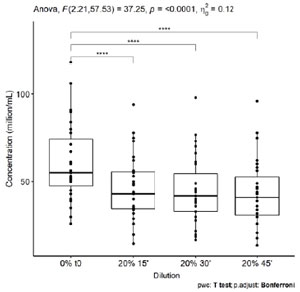
Figure S1. Boxplot of the ANOVA adjusted for multiple comparisons by Bonferroni test of the concentration of fresh samples.
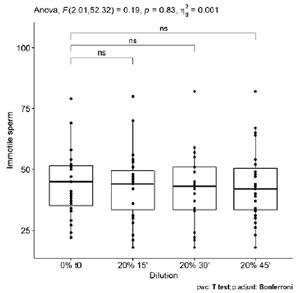
Figure S2. Boxplot of the ANOVA adjusted for multiple comparisons by Bonferroni test of the immotile sperm percentage of fresh samples.
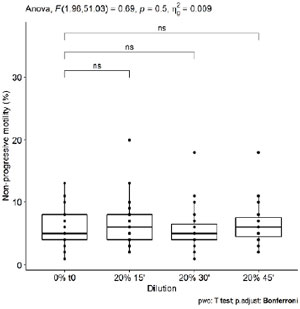
Figure S3. Boxplot of the ANOVA adjusted for multiple comparisons by Bonferroni test of the non-progressive sperm percentage of fresh samples.
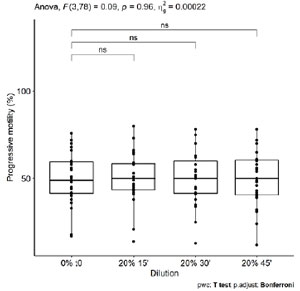
Figure S4. Boxplot of the ANOVA adjusted for multiple comparisons by Bonferroni test of the progressive sperm percentage of fresh samples.
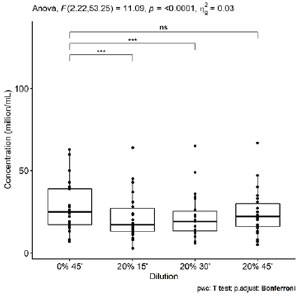
Figure S5. Boxplot of the ANOVA adjusted for multiple comparisons by Bonferroni test of the concentration of thawed samples.
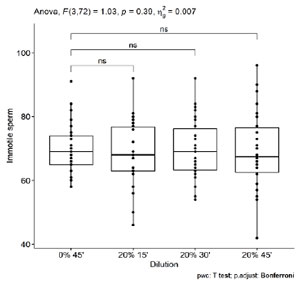
Figure S6. Boxplot of the ANOVA adjusted for multiple comparisons by Bonferroni test of the immotile sperm percentage of thawed samples.
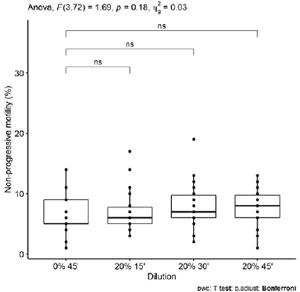
Figure S7. Boxplot of the ANOVA adjusted for multiple comparisons by Bonferroni test of the non-progressive sperm percentage of thawed samples.
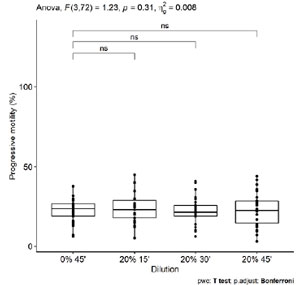
Figure S8. Boxplot of the ANOVA adjusted for multiple comparisons by Bonferroni test of the progressive sperm percentage of thawed samples.