JBRA Assist. Reprod. 2025;29(3):537-547
REVIEW
doi: 10.5935/1518-0557.20250023
Is Lactobacillus spp. beneficial in human semen? Systematic review
1Reproduction Group, Department of Obstetrics and Gynecology, Medical School, University of Antioquia - UdeA, Antioquia, Colombia
2Reproduction Group, Department of Microbiology and Parasitology, Medical School, University of Antioquia - UdeA, Antioquia, Colombia
CONFLICT OF INTEREST
The authors have nothing to disclose.
ABSTRACT
The present systematic review aimed to evaluate the effects of Lactobacillus spp. on human semen. The review was conducted until May 2023, according to the PRISMA Statement and using Scopus and PubMed databases. The protocol was registered on PROSPERO (CRD42024519245). All published original investigation peer-reviewed articles in English and Spanish related to Lactobacillus spp. and human semen parameters were eligible. The quality assessment used The Joanna Briggs Institute (JBI) Critical Appraisal Checklist and QUIN tool. In total, 35 articles were included. Lactobacillus spp. is frequently detected in semen, and its impact on seminal quality is controversial, especially regarding the methodology used. The intake of probiotics with Lactobacillus spp. can improve semen parameters. In conclusion, Lactobacillus spp. appears to have a beneficial role in semen quality. Probiotics could have a good impact on improving semen quality; however, further studies are required.
Keywords: Lactobacillus spp, semen, fertility, bacteria, spermatozoa
INTRODUCTION
Infertility is an increasing condition, where the male factor alone or in combination with the female factor is responsible for 40 to 50% of cases (Weng et al., 2014)only few types of bacteria were taken into consideration while using PCR-based or culturing methods. Here we present an analysis approach using next-generation sequencing technology and bioinformatics analysis to investigate the associations between bacterial communities and semen quality. Ninety-six semen samples collected were examined for bacterial communities, measuring seven clinical criteria for semen quality (semen volume, sperm concentration, motility, Kruger’s strict morphology, antisperm antibody (IgA. Causes of infertility include infections of the male genitourinary tract in approximately 15% of cases (Mändar et al., 2015)current knowledge of the male microbiome is scarce, and parallel studies examining couples are extremely rare. In this work, we aimed to compare seminal and vaginal microbiomes in couples and to assess the influence of sexual intercourse on vaginal microbiome. The study included 23 couples. Microbiomes of semen and vaginal fluid (preand post-intercourse. Infection and inflammation of the different organs that make up the male reproductive tract, such as the prostate, seminal vesicles, vas deferens and epididymis, are frequent reasons for andrology consultation (Grande et al., 2022)commonly treated with antibiotics alone. However, in approximately 40% to 50% of patients, persistent infection is detected. Intestinal dysbiosis is involved in the pathogenesis of prostatitis. We aimed to evaluate the efficacy of antibiotic treatment in association with a specific probiotic supplementation. A total of 104 infertile patients, with microbiological analysis on semen and/or prostatic secretions positive for Gram-negative bacteria, have been enrolled. All patients received antibiotic treatment with fluoroquinolones. In total, 84 patients received a commercial association of Enterococcus faecium and Saccharomyces boulardii during antibiotic treatment, followed by treatment with Lactobacilli. After the treatment, a complete microbiological analysis was repeated. Polymicrobial infections have been observed in 11% of patients, while infections due to a single germ were reported in 89% of the patients. After the treatment was performed, a complete eradication with negative semen culture and microbiological analysis on prostatic secretion was observed in 64 of 84 patients (76.2%. However, microorganisms in the male reproductive tract are not always associated with disease. Recent studies have evaluated the presence of the microbiota in different portions of the male reproductive tract and its impact on seminal quality. Among the microbial species that belong to the urogenital microbiota is Lactobacillus spp., which, although its function in the balance of the vaginal microbiome has been widely elucidated, its role in the male reproductive tract is still unclear (Weng et al., 2014; Puerta-Suárez & Cardona Maya, 2024)only few types of bacteria were taken into consideration while using PCR-based or culturing methods. Here we present an analysis approach using next-generation sequencing technology and bioinformatics analysis to investigate the associations between bacterial communities and semen quality. Ninety-six semen samples collected were examined for bacterial communities, measuring seven clinical criteria for semen quality (semen volume, sperm concentration, motility, Kruger’s strict morphology, antisperm antibody (IgA.
Lactobacillus is a bacterial genus composed of multiple species whose main characteristic is that they are considered benign colonizers of multiple anatomical sites and even other animals. This genus especially predominates in the gastrointestinal tract, and the urinary and genital tracts, are the primary colonizers of the vagina. At an industrial level, they are used to produce fermented dairy foods. The main characteristic of Lactobacillus is the ability to produce lactic acid, which creates an acidic environment that limits the growth of other pathogenic microorganisms such as anaerobic bacteria, for example, Peptostreptococcus anaerobius and Prevotella bivia (Grande et al., 2022)commonly treated with antibiotics alone. However, in approximately 40% to 50% of patients, persistent infection is detected. Intestinal dysbiosis is involved in the pathogenesis of prostatitis. We aimed to evaluate the efficacy of antibiotic treatment in association with a specific probiotic supplementation. A total of 104 infertile patients, with microbiological analysis on semen and/or prostatic secretions positive for Gram-negative bacteria, have been enrolled. All patients received antibiotic treatment with fluoroquinolones. In total, 84 patients received a commercial association of Enterococcus faecium and Saccharomyces boulardii during antibiotic treatment, followed by treatment with Lactobacilli. After the treatment, a complete microbiological analysis was repeated. Polymicrobial infections have been observed in 11% of patients, while infections due to a single germ were reported in 89% of the patients. After the treatment was performed, a complete eradication with negative semen culture and microbiological analysis on prostatic secretion was observed in 64 of 84 patients (76.2%.
The initiation of sexual intercourse promotes a change in the male and female genitourinary microbiota, which increases the dissemination of microorganisms responsible for sexually transmitted infections but also exerts changes in the genitourinary microenvironments that can be associated with health or disease. However, studies that evaluate the microbiota of couples are relatively few and present methodological problems associated with defining bacterial species associated with health or disease (Mändar et al., 2015)current knowledge of the male microbiome is scarce, and parallel studies examining couples are extremely rare. In this work, we aimed to compare seminal and vaginal microbiomes in couples and to assess the influence of sexual intercourse on vaginal microbiome. The study included 23 couples. Microbiomes of semen and vaginal fluid (preand post-intercourse. Microorganisms can interact with the spermatozoa during their transport, affecting their quality. Therefore, it is essential to consider the effect of Lactobacillus on the male reproductive tract and its impact on seminal quality. This systematic review aims to evaluate the effects of Lactobacillus spp. on human semen.
MATERIALS AND METHODS
The systematic literature search followed the Preferred Items for Systematic Reviews and Meta-analysis (PRISMA) reporting guidelines (Page et al., 2021). The following search string was used for PubMed and Scopus: Lactobacillus spp. AND human AND (semen or sperm).
Eligibility criteria
The following PICO (population, intervention, comparator, and outcome) elements were set as inclusion criteria: i) population: male patients; ii) intervention: assessment of Lactobacillus spp. in human semen; iii) comparison: self-comparison or independent controls (placebo or no treatment); and iv) outcome: change in the semen parameters. We will include all published original investigation peer-reviewed articles in English and Spanish related to Lactobacillus spp. and human semen parameters until May 2023. All duplicates, publications related to animal models and reviews were excluded.
Data extraction and quality assessment
Both authors independently reviewed the titles and abstracts of the identified studies to assess their eligibility based on predefined inclusion and exclusion criteria. They then retrieved full-text articles of potentially relevant studies for further evaluation. Relevant information from the selected studies using a standardized data extraction form during the data collection. This form captured the study’s main characteristics, title, outcome measures, and other relevant information. The data extraction was conducted meticulously to ensure accurate and consistent data collection (Figure 1). Any reviewers’ disagreements were resolved through discussion to ensure a consensus-based selection process. The study protocol was registered with the Prospero International Prospective Register of Systematic Reviews (CRD42024519245).
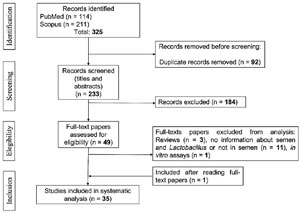
Figure 1. Flow diagram of the study selection process.
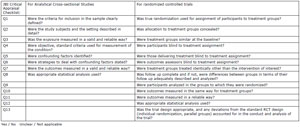
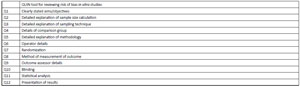
Finally, methodological quality and potential risk of bias were assessed using The Joanna Briggs Institute (JBI) Critical Appraisal Checklist and QUIN tool were used to assess the potential risk of bias (Supplementary Table S1).
RESULTS
After applying the inclusion and exclusion criteria to the articles, the researchers independently selected 35 articles. Additionally, with the manual review of the manuscripts, another article was considered among the researchers to be included. Considering the diversity of methodologies used to evaluate the effects of Lactobacillus spp. on semen quality, the manuscripts were classified according to four methodologies: a) the detection of the presence of Lactobacillus spp. in semen samples; b) the effect of the intake of prebiotics rich in Lactobacillus spp. on semen quality; c) the in vitro effect of incubating Lactobacillus spp. on sperm physiology, and d) detecting different Lactobacillus spp. in semen samples from men and their associations with different alterations, diseases or conditions (Table 1).
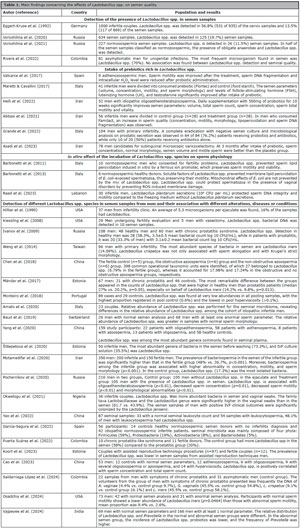
Table 1. Main findings concerning the effects of Lactobacillus spp. on semen quality.
DISCUSSION
Traditionally, the presence of bacteria in seminal plasma has been considered an indicator of poor sperm quality. However, today, we know that not all species of bacteria can be associated with alterations in seminal quality. A clear example is E. coli, detected in 94 of 96 samples from infertile men, yet no associations with seminal quality can be identified (Weng et al., 2014)only few types of bacteria were taken into consideration while using PCR-based or culturing methods. Here we present an analysis approach using next-generation sequencing technology and bioinformatics analysis to investigate the associations between bacterial communities and semen quality. Ninety-six semen samples collected were examined for bacterial communities, measuring seven clinical criteria for semen quality (semen volume, sperm concentration, motility, Kruger’s strict morphology, antisperm antibody (IgA. Additionally, the management of male urogenital tract infections, especially infections associated with the prostate, is treated with fluoroquinolones, given the penetration and bioavailability of this antibiotic (Grande et al., 2022)commonly treated with antibiotics alone. However, in approximately 40% to 50% of patients, persistent infection is detected. Intestinal dysbiosis is involved in the pathogenesis of prostatitis. We aimed to evaluate the efficacy of antibiotic treatment in association with a specific probiotic supplementation. A total of 104 infertile patients, with microbiological analysis on semen and/or prostatic secretions positive for Gram-negative bacteria, have been enrolled. All patients received antibiotic treatment with fluoroquinolones. In total, 84 patients received a commercial association of Enterococcus faecium and Saccharomyces boulardii during antibiotic treatment, followed by treatment with Lactobacilli. After the treatment, a complete microbiological analysis was repeated. Polymicrobial infections have been observed in 11% of patients, while infections due to a single germ were reported in 89% of the patients. After the treatment was performed, a complete eradication with negative semen culture and microbiological analysis on prostatic secretion was observed in 64 of 84 patients (76.2%. However, we do not know the impact of this treatment on the disease or how it can affect species of bacteria that appear beneficial in the male genitourinary tract, as has been described for the female genital tract, especially the Lactobacillus family. Traditionally, Lactobacillus detection has become much more relevant in the vagina. This microorganism is associated with a healthy microenvironment, so its microscopic observation and semi-quantification of its presence become very important in disorders such as bacterial vaginosis. Also, cultures for the identification of Lactobacillus in semen samples may have limited value in routine seminal analysis since, like what happens with vaginal discharge samples, growth of different species of Lactobacillus can be obtained even in individuals with alterations in the microbiota, as occurs with bacterial vaginosis, which makes this test less valuable. However, molecular biology techniques have made it possible to determine the presence of this bacteria in other tracts, such as the male genitourinary tract. This detection can be done using the polymerase chain reaction (PCR). However, this methodology only allows the detection of a single species with each set of primers and results in presence or absence (Rivera et al., 2022)in semen samples from apparently healthy men and correlate their presence with seminal quality.\nMETHODS: Semen samples from 81 healthy volunteers were collected, and semen parameters were analyzed. DNA extraction was performed using the phenol-chloroform technique, and the microorganisms were detected by the amplification of specific primers using polymerase chain reaction.\nRESULTS: DNA from at least one of the microorganisms was detected in 78 samples. The most frequent microorganism found in semen were: Lactobacillus spp. (70%. Using more robust techniques such as sequencing, on the other hand, allows for identifying multiple species of the genus and comparing their relative abundance in multiple anatomical sites, with the disadvantage of their cost and the time required to perform the analyses (Puerta Suárez et al., 2022).
Different species of Lactobacillus cover many of the body surfaces, including the oral cavity, the vaginal cavity, the male genitourinary tract, and the gastrointestinal tract; this genus is one of the most important representatives of the intestinal microbiota and has a substantial impact on reproduction and fertility since dysbiosis of the intestinal microbiota can increase the permeability of the blood-testis barrier and affect the serum levels of FSH, LH and testosterone (Cao et al., 2023)leading to increased male infertility. This study analyzed the microbiota of the gut, semen, and urine in individuals with semen abnormalities to identify potential probiotics and pathogenic bacteria that affect semen parameters and help develop new methods for the diagnosis and treatment of patients with semen abnormalities.\nMETHODS: We recruited 12 individuals with normal semen parameters (control group. Therefore, we can infer that the intestinal microbiota influences sperm production and physiology (Puerta-Suárez & Cardona Maya, 2024).
Another essential point to consider is that semen is a means of spreading microorganisms, but in fact, sexual relationships are, in themselves, a factor that influences fertility. Microorganisms characterized as sexually transmitted infections can be transmitted (Rivera et al., 2022)in semen samples from apparently healthy men and correlate their presence with seminal quality.\nMETHODS: Semen samples from 81 healthy volunteers were collected, and semen parameters were analyzed. DNA extraction was performed using the phenol-chloroform technique, and the microorganisms were detected by the amplification of specific primers using polymerase chain reaction.\nRESULTS: DNA from at least one of the microorganisms was detected in 78 samples. The most frequent microorganism found in semen were: Lactobacillus spp. (70%, which has a high impact on public health; however, it also presents the opportunity to obtain beneficial species that reduce the risk of suffering from disorders such as prostatitis (Puerta Suárez et al., 2022; Puerta-Suárez & Cardona Maya, 2024; Saldarriaga López et al., 2024)antioxidant capacity, and pro-inflammatory cytokines in semen and seminal plasma samples were also quantified. Finally, the expression of the ROR-γT, FoxP3, and T-bet genes in semen and the presence of DNA of microorganisms associated with prostatitis in urine and semen were evaluated.\nRESULTS: When compared with fertile donors, volunteers with chronic prostatitis-like symptoms reported erectile dysfunction (0% vs. 10%, p = 0.2825.
Although studies on the effects of Lactobacillus spp. are controversial and sometimes contradictory, these variations are possibly associated more with the specific species of Lactobacillus spp. evaluated than with the methodology used to evaluate the impact of bacteria on semen quality. Therefore, future studies need to focus not only on evaluating the effect of this species on fertility, whether it is administered or identified its presence in the male genitourinary tract, but also on the different species of this family to try to elucidate the real impact on male fertility. This effect should also be evaluated in couples, considering that fertility is a couple’s problem, and that intercourse modifies the microbial composition (Mändar et al., 2015)current knowledge of the male microbiome is scarce, and parallel studies examining couples are extremely rare. In this work, we aimed to compare seminal and vaginal microbiomes in couples and to assess the influence of sexual intercourse on vaginal microbiome. The study included 23 couples. Microbiomes of semen and vaginal fluid (preand post-intercourse.
Regarding the consumption of probiotics that include species of the Lactobacillus, although we have gathered evidence through this review that this consumption can improve sperm DNA, reduce reactive oxygen species, modify hormonal levels to improve sperm production, and even improve sperm volume and concentration, viability and mobility (Maretti & Cavallini, 2017; Valcarce et al., 2017; Abbasi et al., 2021; Helli et al., 2022; Asadi et al., 2023)Bracco; one sachet contains: Lactobacillus paracasei B21060 5 × 10⁹ cells + arabinogalctan 1243 mg + oligo-fructosaccharides 700 mg + l-glutamine 500 mg, it is still pertinent to carry out studies that can demonstrate the mechanism of action that the intake of these bacteria can have on seminal quality. However, it should be clarified that the consumption of probiotics is a strategy that can be considered harmless if it is suggested to increase the consumption of fermented dairy products rich in Lactobacillus and that the benefits of this intervention may outweigh the associated risks.
Finally, this is a good approximation to describe the effect of Lactobacillus on semen quality. Bacteria in the genitourinary tract have traditionally been considered synonymous with disease. However, we now know that this statement is not entirely true. Lactobacillus in the male genitourinary tract is associated, as in the gastrointestinal tract and the female genital tract, with a healthy microbial environment, limiting pathogenic bacteria. Among the limitations found when evaluating the impact of Lactobacillus on semen quality, we must highlight the differences in the methodologies proposed in the different articles. The microbiota and its impact on health is a new topic, in which very interesting findings are being made. However, more research is still needed to support, from cellular and molecular biology, the impact that Lactobacillus has on male sexual and reproductive health in general. However, it is hoped that this review will at least provide a state-of-theart of such a new topic that can modulate semen quality.
CONCLUSION
Lactobacillus spp. is a frequent colonizer of the male urogenital tract and appears beneficial in semen quality, although controversial, especially regarding the methodology used, and discrepancies in the results may also be associated with specific Lactobacillus genus. On the other hand, probiotics could have a good impact on improving semen quality. Therefore, new studies are needed to evaluate the impact of different Lactobacillus species on seminal quality and fertility.
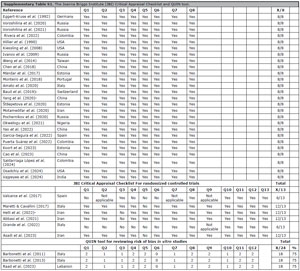
Supplementary Table S1. The Joanna Briggs Institute (JBI) Critical Appraisal Checklist and QUIN tool.
REFERENCES
Abbasi B, Abbasi H, Niroumand H. Synbiotic (FamiLact) administration in idiopathic male infertility enhances sperm quality, DNA integrity, and chromatin status: A triple-blinded randomized clinical trial. Int J Reprod Biomed. 2021;19:235-44. PMID: 33842820 DOI: 10.18502/ijrm.v19i3.8571 Medline
Amato V, Papaleo E, Pasciuta R, Viganò P, Ferrarese R, Clementi N, Sanchez AM, Quaranta L, Burioni R, Ambrosi A, Salonia A, Clementi M, Candiani M, Mancini N. Differential Composition of Vaginal Microbiome, but Not of Seminal Microbiome, Is Associated With Successful Intrauterine Insemination in Couples With Idiopathic Infertility: A Prospective Observational Study. Open Forum Infect Dis. 2020;7:ofz525. PMID: 31915713 DOI: 10.1093/ofid/ofz525 Medline
Asadi M, Gholipour F, Rahavian A, Javanbakht M. Effects of probiotic supplementation on semen parameters after varicocelectomy: A randomized controlled trial. J Res Med Sci. 2023;28:74. PMID: 38152072 DOI: 10.4103/jrms.jrms_392_23 Medline
Barbonetti A, Cinque B, Vassallo MRC, Mineo S, Francavilla S, Cifone MG, Francavilla F. Effect of vaginal probiotic lactobacilli on in vitro-induced sperm lipid peroxidation and its impact on sperm motility and viability. Fertil Steril. 2011;95:2485-8. PMID: 21497805 DOI: 10.1016/j.fertnstert.2011.03.066 Medline
Barbonetti A, Vassallo MRC, Cinque B, Filipponi S, Mastromarino P, Cifone MG, Francavilla S, Francavilla F. Soluble products of Escherichia coli induce mitochondrial dysfunction-related sperm membrane lipid peroxidation which is prevented by lactobacilli. PLoS One. 2013;8:e83136. PMID: 24358256 DOI: 10.1371/journal.pone.0083136 Medline
Baud D, Pattaroni C, Vulliemoz N, Castella V, Marsland BJ, Stojanov M. Sperm Microbiota and Its Impact on Semen Parameters. Front Microbiol. 2019;10:234. PMID: 30809218 DOI: 10.3389/fmicb.2019.00234 Medline
Cao T, Wang S, Pan Y, Guo F, Wu B, Zhang Y, Wang Y, Tian J, Xing Q, Liu X. Characterization of the semen, gut, and urine microbiota in patients with different semen abnormalities. Front Microbiol. 2023;14:1182320. PMID: 37293215 DOI: 10.3389/fmicb.2023.1182320 Medline
Chen H, Luo T, Chen T, Wang G. Seminal bacterial composition in patients with obstructive and non-obstructive azoospermia. Exp Ther Med. 2018;15:2884-90. PMID: 29456693 DOI: 10.3892/etm.2018.5778 Medline
Eggert-Kruse W, Pohl S, Näher H, Tilgen W, Runnebaum B. Microbial colonization and sperm--mucus interaction: results in 1000 infertile couples. Hum Reprod. 1992;7:612-20. PMID: 1639978 DOI: 10.1093/oxfordjournals.humrep.a137706 Medline
Garcia-Segura S, Del Rey J, Closa L, Garcia-Martínez I, Hobeich C, Castel AB, Vidal F, Benet J, Ribas-Maynou J, Oliver-Bonet M. Seminal Microbiota of Idiopathic Infertile Patients and Its Relationship With Sperm DNA Integrity. Front Cell Dev Biol. 2022;10:937157. PMID: 35837328 DOI: 10.3389/fcell.2022.937157 Medline
Grande G, Pompa G, Astorri AL, Pontecorvi A, Milardi D. Association of Probiotic Treatment With Antibiotics in Male Accessory Gland Infections. Am J Mens Health. 2022;16:15579883221119064. PMID: 36255039 DOI: 10.1177/15579883221119064 Medline
Helli B, Kavianpour M, Ghaedi E, Dadfar M, Haghighian HK. Probiotic effects on sperm parameters, oxidative stress index, inflammatory factors and sex hormones in infertile men. Hum Fertil (Camb). 2022;25:499-507. PMID: 32985280 DOI: 10.1080/14647273.2020.1824080 Medline
Hillier SL, Rabe LK, Muller CH, Zarutskie P, Kuzan FB, Stenchever MA. Relationship of bacteriologic characteristics to semen indices in men attending an infertility clinic. Obstet Gynecol. 1990;75:800-4. PMID: 2325963 Medline
Ivanov IB, Kuzmin MD, Gritsenko VA. Microflora of the seminal fluid of healthy men and men suffering from chronic prostatitis syndrome. Int J Androl. 2009;32:462-7. PMID: 18328042 DOI: 10.1111/j.1365-2605.2008.00878.x Medline
Kiessling AA, Desmarais BM, Yin HZ, Loverde J, Eyre RC. Detection and identification of bacterial DNA in semen. Fertil Steril. 2008;90:1744-56. PMID: 18191853 DOI: 10.1016/j.fertnstert.2007.08.083 Medline
Koort K, Sõsa K, Türk S, Lapp E, Talving E, Karits P, Rosenstein K, Jaagura M, Sekavin A, Sõritsa D, Haldre K, Karro H, Korrovits P, Salumets A, Mändar R. Lactobacillus crispatus-dominated vaginal microbiome and Acinetobacter-dominated seminal microbiome support beneficial ART outcome. Acta Obstet Gynecol Scand. 2023;102:921-34. PMID: 37221898 DOI: 10.1111/aogs.14598 Medline
Mändar R, Punab M, Borovkova N, Lapp E, Kiiker R, Korrovits P, Metspalu A, Krjutškov K, Nõlvak H, Preem JK, Oopkaup K, Salumets A, Truu J. Complementary seminovaginal microbiome in couples. Res Microbiol. 2015;166:440-7. PMID: 25869222 DOI: 10.1016/j.resmic.2015.03.009 Medline
Mändar R, Punab M, Korrovits P, Türk S, Ausmees K, Lapp E, Preem JK, Oopkaup K, Salumets A, Truu J. Seminal microbiome in men with and without prostatitis. Int J Urol. 2017;24:211-6. PMID: 28147438 DOI: 10.1111/iju.13286 Medline
Maretti C, Cavallini G. The association of a probiotic with a prebiotic (Flortec, Bracco) to improve the quality/quantity of spermatozoa in infertile patients with idiopathic oligoasthenoteratospermia: a pilot study. Andrology. 2017;5:439-44. PMID: 28245352 DOI: 10.1111/andr.12336 Medline
Monteiro C, Marques PI, Cavadas B, Damião I, Almeida V, Barros N, Barros A, Carvalho F, Gomes S, Seixas S. Characterization of microbiota in male infertility cases uncovers differences in seminal hyperviscosity and oligoasthenoteratozoospermia possibly correlated with increased prevalence of infectious bacteria. Am J Reprod Immunol. 2018;79:e12838. PMID: 29500854 DOI: 10.1111/aji.12838 Medline
Motamedifar M, Malekzadegan Y, Namdari P, Dehghani B, Jahromi BN, Sarvari J. The Prevalence of Bacteriospermia in Infertile Men and Association with Semen Quality in Southwestern Iran. Infect Disord Drug Targets. 2020;20:198-202. PMID: 30474539 DOI: 10.2174/1871526519666181123182116 Medline
Okwelogu SI, Ikechebelu JI, Agbakoba NR, Anukam KC. Microbiome Compositions From Infertile Couples Seeking In Vitro Fertilization, Using 16S rRNA Gene Sequencing Methods: Any Correlation to Clinical Outcomes? Front Cell Infect Microbiol. 2021;11:709372. PMID: 34660337 DOI: 10.3389/fcimb.2021.709372 Medline
Osadchiy V, Belarmino A, Kianian R, Sigalos JT, Ancira JS, Kanie T, Mangum SF, Tipton CD, Hsieh TM, Mills JN, Eleswarapu SV. Semen microbiota are dramatically altered in men with abnormal sperm parameters. Sci Rep. 2024;14:1068. PMID: 38212576 DOI: 10.1038/s41598-024-51686-4 Medline
Page MJ, McKenzie JE, Bossuyt PM, Boutron I, Hoffmann TC, Mulrow CD, Shamseer L, Tetzlaff JM, Akl EA, Brennan SE, Chou R, Glanville J, Grimshaw JM, Hróbjartsson A, Lalu MM, Li T, Loder EW, Mayo-Wilson E, McDonald S, McGuinness LA, et al. The PRISMA 2020 statement: an updated guideline for reporting systematic reviews. BMJ. 2021;372:n71. PMID: 33782057 DOI: 10.1136/bmj.n71 Medline
Puerta Suárez J, Hernandez JC, Cardona Maya WD. Molecular analysis of microorganisms in the semen and their impact on semen parameters. Arch Ital Urol Androl. 2022;94:199-205. PMID: 35775344 DOI: 10.4081/aiua.2022.2.199 Medline
Raad G, Fakih F, Bazzi M, Massaad V, Nasrallah E, Yarkiner Z, Mourad Y, Khater DA, Balech R, Saliba C, Serdarogullari M, Fakih C. Lactobacillus plantarum secretions may exert a cryoprotective effect on human sperm motility: A prospective in vitro study. Andrology. 2023;11:1437-50. PMID: 36960890 DOI: 10.1111/andr.13433 Medline
Rivera VV, Cardona Maya WD, Puerta-Suárez J. The relationship between sexually transmitted microorganisms and seminal quality in asymptomatic men. Asian J Urol. 2022;9:473-9. PMID: 36381602 DOI: 10.1016/j.ajur.2021.09.004 Medline
Saldarriaga López YM, Santacruz Restrepo V, Cardona Maya WD, Puerta Suárez J. The microbiota of sexual intercourse and its effect on prostatitis. Rev Int Androl. 2024;22:38-43. PMID: 38735876 DOI: 10.22514/j.androl.2024.006 Medline
Štšepetova J, Baranova J, Simm J, Parm Ü, Rööp T, Sokmann S, Korrovits P, Jaagura M, Rosenstein K, Salumets A, Mändar R. The complex microbiome from native semen to embryo culture environment in human in vitro fertilization procedure. Reprod Biol Endocrinol. 2020;18:3. PMID: 31948459 DOI: 10.1186/s12958-019-0562-z Medline
Valcarce DG, Genovés S, Riesco MF, Martorell P, Herráez MP, Ramón D, Robles V. Probiotic administration improves sperm quality in asthenozoospermic human donors. Benef Microbes. 2017;8:193-206. PMID: 28343402 DOI: 10.3920/BM2016.0122 Medline
Yang H, Zhang J, Xue Z, Zhao C, Lei L, Wen Y, Dong Y, Yang J, Zhang L. Potential Pathogenic Bacteria in Seminal Microbiota of Patients with Different Types of Dysspermatism. Sci Rep. 2020;10:6876. PMID: 32327694 DOI: 10.1038/s41598-020-63787-x Medline
Yao Y, Qiu XJ, Wang DS, Luo JK, Tang T, Li YH, Zhang CH, Liu H, Zhou L, Zhao LL. Semen microbiota in normal and leukocytospermic males. Asian J Androl. 2022;24:398-405. PMID: 34916474 DOI: 10.4103/aja202172 Medline