JBRA Assist. Reprod. 2026;30(2):272-281
ORIGINAL ARTICLE
doi: 10.5935/1518-0557.20250189
Effects of Arctium lappa L. Root Powder on Some Markers of Oxidative Stress and Inflammation in Women with Polycystic Ovary Syndrome: A Randomized, Double-Blind Controlled Clinical Trial Study
1Student Research Committee, Arak University of Medical Sciences, Arak, Iran
2Department of Obstetrics and Gynecology, School of Medicine, Arak University of Medical Sciences, Arak, Iran
3Department of Biochemistry and Genetics, School of Medicine, Arak University of Medical Sciences, Arak, Iran
4Department of Biostatistics, School of Medicine, Arak University of Medical Sciences, Arak, Iran
5Molecular and Medicine Research Center, Arak University of Medical Sciences, Arak, Iran
CONFLICT OF INTEREST
The authors have no relevant financial or non-financial interests to disclose.
ABSTRACT
Objective: Polycystic ovary syndrome (PCOS) is one of the most prevalent disorders of the endocrine system, with significant implications for female fertility. Antioxidant supplementation may contribute to its better management. This study aimed to investigate the effects of Arctium lappa L. root powder as an antioxidant on some markers of oxidative stress and inflammation, ovary volume, hirsutism score, and menstrual frequency in women with polycystic ovary syndrome.
Methods: This randomized, double-blind, controlled clinical trial was conducted in 2023-2024 at Arak University of Medical Sciences. Sixty subjects with polycystic ovary syndrome were selected by convenience sampling method and allocated to Arctium lappa L. (n=30) and placebo (n=30) by permuted block randomization method and then treated with Arctium lappa L. root powder (460 mg/day) or placebo (460 mg/day) for 12 weeks. Before and after the intervention, some markers of oxidative stress and inflammation, ovary volume, hirsutism score, and menstrual frequency were measured and compared between the two groups.
Results:The values of antioxidative markers, such as superoxide dismutase and catalase, increased significantly (p<0.001). Furthermore, values of oxidative and inflammation markers such as malondialdehyde and C-reactive protein decreased significantly (p<0.001) in the Arctium lappa L. compared to the placebo group. Moreover, the volume of the right and left ovaries was also reduced significantly (p=0.02, p=0.01).
Conclusions: Consuming 460 mg of Arctium lappa L. root powder daily for 12 weeks can reduce ovarian volume and lower oxidative stress and inflammation in women with polycystic ovary syndrome.
Keywords: Arctium, oxidative stress, inflammation, polycystic ovary syndrome, complementary therapies, randomized controlled trial
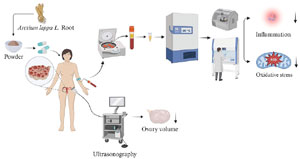
Graphical Abstract.
INTRODUCTION
Polycystic ovary syndrome (PCOS), known as Stein-Leventhal syndrome, is one of the most common diseases related to the endocrine system, characterized by hyperandrogenism, oligo/or anovulation, and polycystic ovaries on ultrasound (Aggarwal & Chakole, 2023). It causes ovarian dysfunction, infertility, endometrial cancer, metabolic syndrome, non-alcoholic fatty liver disease, hypertension, pre-eclampsia, insulin resistance, type 2 diabetes mellitus, gestational diabetes, and cardiovascular diseases in women (Hopkins et al., 2024), and its complications impose a large economic burden on patients, families, and society. Lifestyle modifications, together with medication, are used to treat PCOS (Ma et al., 2022).
Conventional medications such as metformin and clomiphene citrate are associated with certain side effects (Zhou & Hultgren, 2020; Barcroft et al., 2021). Metformin can cause gastrointestinal issues like nausea and diarrhea (Zhou & Hultgren, 2020), and clomiphene citrate use may be associated with an increased risk of ovarian cancer (Barcroft et al., 2021).
Oxidative stress (OS) is the term used to describe the imbalance that exists between oxidants and antioxidants in the body. Reactive oxygen species negatively impact the body due to an imbalance brought on by an overabundance of oxidants. Since OS and inflammation play an essential role in developing PCOS (Sen et al., 2024), antioxidant supplements may be effective in improving the treatment of this disease (Pingarrón Santofímia et al., 2023).
Recently, there has been a growing interest in exploring alternative therapeutic options derived from natural products. Arctium Lappa L. (AL), known as Burdock, is characterized by purple, spherical flowers, oval leaves, and a non-woody stem. For centuries, plant parts such as roots, leaves, and seeds have been used as home remedies for a wide range of conditions, including infections, sore throats, skin diseases, rashes, boils, tumors, and diabetes. Biochemically, it serves multiple roles, including antimicrobial, antitumor, antioxidant, and anti-inflammatory properties, as well as acting as a modulator of complement system activation. AL root has significant antioxidant activity due to the presence of antioxidant compounds such as chlorogenic acid, caffeoylquinic acid, and polysaccharides. The general use of AL root is for treating allergies, constipation, and skin diseases (de Souza et al., 2022). Also, it has gastroprotective, hepatoprotective, neuroprotective, and anti-sterility effects (Wang et al., 2016; de Souza et al., 2022). Nevertheless, there has been no investigation of its effects on PCOS in human subjects. Therefore, the current study aimed to evaluate the effects of AL root powder on some OS and inflammation biomarkers, ovary volume (OV), hirsutism score, and menstrual frequency in women with PCOS.
MATERIALS AND METHODS
Study Design
This randomized, double-blind controlled clinical trial with an allocation ratio of 1:1, was conducted in accordance with CONSORT reporting guidelines. Women with PCOS who were referred to the university’s gynecology clinic from April 2023 to January 2024 and whose disease had been confirmed according to the Rotterdam criteria (Aggarwal & Chakole, 2023) by a specialist were included in the study.
Inclusion and Exclusion Criteria
The inclusion criteria were women aged 18 to 45 years with a confirmed diagnosis of PCOS according to the Rotterdam criteria by a specialist, subject’s satisfaction with entering the study, and subjects who did not intend to become pregnant. The exclusion criteria were diabetes, thyroid disorders, hyperprolactinemia, pregnancy, breastfeeding, smoking, consumption of antioxidant and anti-inflammatory supplements for three months before the study, and anticoagulant medicines.
Sample Size
Using reduced glutathione (GSH) as a primary outcome variable, utilizing data from a previous study (Shokrpour & Asemi, 2019) and based on a confidence coefficient of 0.95 and a power of 0.80, with an assumed mean difference (μ1 = 483.8 vs. μ2 = 519.4) and a standard deviation (σ) of approximately 47.7, according to the following equation, the sample size was calculated as ≥28 for each group:
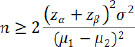
To account for a potential 10% dropout rate, the final sample size was set at 30 participants per group.
Randomization
Sequence Generation
The permuted block randomization method with blocks of four was employed in this study. The AL group was labelled as A, and the placebo group as B. Six possible combinations-AABB, BBAA, BABA, ABBA, BAAB, and ABAB-were written on separate sheets of paper and placed into a container. Each time, one sheet was randomly drawn from the container, the combination on it was recorded, and the sheet was returned to the container. Given the sample size of 60, this process was repeated 15 times, with each combination being recorded sequentially. Subsequently, each individual assignment (letter A or B) in the recorded sequence was assigned a unique number from one to 60.
Allocation Concealment Mechanism
Each of these 60 individual assignments (A or B) was placed into a sequentially numbered opaque envelope, and the corresponding number was written on the exterior of the envelope. Whenever a participant was recruited, one envelope was opened in sequence, and based on the letter inside, the subject was assigned to either the AL or placebo group.
Implementation
A.M. generated the random allocation sequence, F.S. was responsible for enrolling participants, and H.T. performed the assignment of participants to either the AL or placebo groups by opening the envelopes.
Blinding
The study was double-blinded, ensuring that both participants (subjects) and healthcare providers were unaware of the group assignments. To accomplish this, the AL and placebo capsules were prepared to be identical in shape, color, and smell, as well as packaged in identical opaque containers. Additionally, the allocation sequence was concealed by placing individual assignments into sequentially numbered, opaque envelopes to ensure that participants were unsure of their treatment assignment until the moment they were assigned and the envelope was opened.
Intervention Procedures
Intervention Dose Selection
As recommended in the “PDR for Herbal Medicines” (Gruenwald et al., 2008) on page 129, 460 mg of the whole dried root powder of AL was selected. This book is not merely a traditional text but a systematic documentation of years of empirical observation and clinical experience within phytotherapy. In this publication, dosages that have long been practiced and demonstrated to be effective and safe are codified.
Intervention Administration
After providing informed consent, participants received either the AL or placebo capsules. During the 12-weeks of the study, the AL group consumed one capsule (containing 460 mg of AL root powder, approved by the Medicinal Plants Department of Arak University), and the placebo group consumed one capsule (containing 460 mg of starch) with lunch daily. To promote adherence and monitor compliance, participants were contacted weekly and reminded to maintain their usual diet and daily activity, to take the assigned capsules, and to report any potential adverse effects or discomfort. At the end of the trial, participants were asked to return the empty containers for pill count assessment. During the study, all participants continued their standard concomitant medications, which included metformin (500 mg) and an oral contraceptive pill (3 mg drospirenone + 0.03 mg ethinyl estradiol).
Demographic and Anthropometric Data Collection
At the beginning of the study, several demographic and anthropometric factors, such as age, height, and weight, were evaluated by a specialist physician. Body mass index (BMI) was subsequently calculated from these measurements. After the intervention, weight and BMI were re-measured.
Clinical Assessments
Before and after the intervention, the Modified Ferriman-Gallwey (MFG) score was employed by a specialist physician to quantify the extent of hirsutism. This score ranks the nine body regions, which include the upper lip, chin, chest, upper and lower abdomen, buttocks, upper back, arms, and thighs, from zero (no coarse hairs) to four (frankly virile). The scores are subsequently aggregated to get a “total MFG” score. The total MFG score is the most commonly utilized tool for the clinical evaluation of hirsutism. A total MFG score of ≥8 indicates clinical hirsutism. Mild hirsutism is characterized by scores ranging from 8 to 15, moderate hirsutism from 16 to 25, and severe hirsutism by scores beyond 25 (Willis et al., 2020).
OV was measured using ultrasonography by a single sonologist, who was blinded to the group assignments to ensure consistency. The frequency of menstruation was calculated by dividing the total number of menstruations that occurred in three months by the expected number of menstruations (three times in three months), as assessed by the specialist physician.
Laboratory Methods
Sample Collection and Preparation
Before and after the intervention, following a 12-hour fast, venous blood samples were drawn from the subjects. The blood samples were centrifuged for 10 minutes at 3000 rpm, and the serum samples were stored at -80°C until measurement.
Biochemical Assays
All biochemical assays were performed by outcome assessors using commercially available kits from Novin Navand Salamat Pishtaz Co. (Urmia, Iran) to evaluate activities of superoxide dismutase (SOD) and glutathione peroxidase (GPx) and levels of GSH and oxidized glutathione (GSSG). Malondialdehyde (MDA) levels were also determined using a commercially available kit from Kushan Zist Azma Parseh Co. (Tehran, Iran). Furthermore, a colorimetric method was used to measure serum levels of fasting blood sugar (FBS), triglyceride (TG), albumin (Alb), uric acid (UA), blood urea nitrogen (BUN), and total bilirubin (Bili), and a turbidimetric method was used for C-reactive protein (CRP) (Delta Darman Part Co., Tehran, Iran) using a chemistry autoanalyzer (Hitachi 717, Japan). Activity of catalase (CAT) and levels of total thiol (TT) were measured using Rezaei et al.’s method (Rezaei Vandchali et al., 2020) and Ellman’s reagent (Wanes et al., 2020), respectively. Total antioxidant capacity (TAC) and total oxidant status (TOS) were evaluated by the ferric reducing ability of plasma (FRAP) assay and the ferric-xylenol orange method (Rezaei Vandchali et al., 2020), respectively. The OS index (OSI = TOS/TAC), CRP/Alb ratio (CAR = CRP/Alb), BUN/Alb ratio (BAR = BUN/Alb), MDA/TAC ratio, and GSH/GSSG ratio were calculated. Total antioxidant gap (TAG), triglyceride glucose index (TyG), and albumin-bilirubin score (ALBI) were calculated by the following formulas:
TAG (μM) = TAC (μM) - [(Albumin (μM) × 0.69) + Uric acid (μM)] (Miller et al., 1997)
TyG Index = ln [Fasting triacylglycerols (mg/dl) × Fasting glucose (mg/dl)/2] (Simental-Mendía et al., 2008)
ALBI = (Albumin (g/l) × -0.085) + (log10 Bilirubin (μM) × 0.66) (Johnson et al., 2015)
Outcome Measures
Primary Outcomes
Oxidative stress markers, including SOD, GPx, GSH, GSSG, MDA, CAT, TT, TAC, and TOS were evaluated, and the OSI, MDA/TAC ratio, GSH/GSSG ratio, and TAG were calculated as primary outcomes.
Secondary Outcomes
Secondary outcomes included CRP levels, MFG score, OV, and frequency of menstruation. The CAR, BAR, ALBI, and TyG were also calculated and considered secondary outcomes.
Ethical Consideration
The Arak University of Medical Sciences Ethics Committee approved this randomized double-blind controlled clinical trial (IR.ARAKMU.REC.1401.334) according to the Helsinki ethical statement, and the study was registered with the Iranian Registry of Clinical Trials (IRCT20230222057492N1) in March 2023, and relevant information was updated in May, June, October 2024, and February 2025. All subjects signed a consent form for participation.
Statistical Analysis
Statistical analysis was conducted using SPSS software (version 23, Chicago, IL, USA). Demographic and anthropometric factors were reported as Mean ± SD, and the results of other variables were presented as Mean ± SEM. A p-value of less than 0.05 was considered statistically significant. The Shapiro-Wilk test was utilized to assess the normality of quantitative variables. For comparison of quantitative variables, Paired t-tests were used for within-group changes, while Independent t-tests were employed for between-group comparisons. Additionally, an Analysis of Covariance (ANCOVA) was performed to adjust the baseline differences between the two groups. Furthermore, partial eta square (ηp2) was reported as an indicator of effect size.
RESULTS
One hundred twenty-six women with PCOS were selected using convenience sampling. Fifty-five subjects were excluded based on exclusion criteria, and 11 subjects declined to participate, resulting in a final sample of 60 participants. These participants were divided into two groups, AL and placebo, using the permuted block randomization method with blocks of four. All 60 participants completed the study without any dropouts, and importantly, no side effects were reported throughout the trial (Fig. 1).
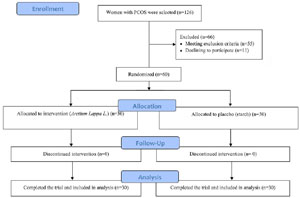
Figure 1. CONSORT flow diagram of the study population.
The subjects demographic and anthropometric details are shown in Table 1. No significant differences were observed in the values of age, height, weight, and BMI between the AL and the placebo groups before and after the intervention (p>0.05).
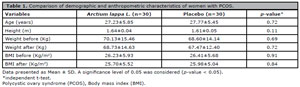
Table 1. Comparison of demographic and anthropometric characteristics of women with PCOS.
As shown in Table 2 and Table 3, the study results were compared at baseline and at the end of the trial between and within groups. At the beginning of the study, no significant differences were observed between the two groups in any variable.
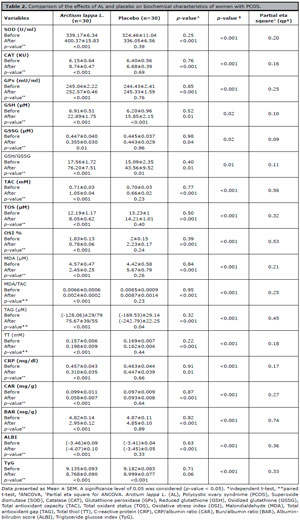
Table 2. Comparison of the effects of AL and placebo on biochemical characteristics of women with PCOS.
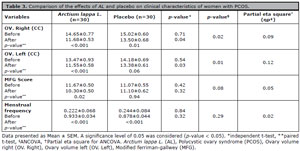
Table 3. Comparison of the effects of AL and placebo on clinical characteristics of women with PCOS.
Statistical analysis using independent t-test at the end of the trial revealed that the AL group showed significant increases in the following outcomes compared to the placebo group: SOD, CAT, GPx, TAC, TAG, TT, GSH/GSSG, and GSH (all p<0.05). Conversely, the AL group demonstrated significant decreases in TOS, OSI, MDA, MDA/TAC, BAR, ALBI, CAR, GSSG, CRP, and both left and right ovarian volume (OV) (all p<0.05). The full results of the t-test analysis are presented in Tables 2 and 3.
The results of the ANCOVA largely confirmed the findings of the independent t-test. Significant between-group differences favoring the AL group were observed for all mentioned biochemical and inflammatory markers, as well as for left and right ovarian volume (OV) (all p<0.05). Notably, after adjusting for baseline values, the TyG index showed a significant decrease in the AL group compared to the placebo group (p<0.05), a difference that was not significant in the independent t-test. However, the ANCOVA for MFG score and menstrual frequency remained non-significant. The effect sizes (ηp2 for ANCOVA) for all reported variables are presented in detail in Tables 2 and 3.
DISCUSSION
The results of current study demonstrated that the daily consumption of AL root powder for 12-weeks increased antioxidative markers while decreasing oxidative and inflammatory markers. Additionally, it improved OV in PCOS women.
Various studies have shown that levels of OS are higher in women with PCOS (Sen et al., 2024). Therefore, we evaluated some OS markers to assess the effect of AL on OS in affected women. AL root has been shown to protect against some conditions such as, atherosclerosis, knee osteoarthritis, acute lung injury, and diabetes by reducing OS. This is achieved by decreasing MDA levels and increasing SOD, CAT, TAC, TT, GPx, and GSH levels. Moreover, it improves diabetes-induced changes in behavioral indicators (Maghsoumi-Norouzabad et al., 2016; Wang et al., 2016; Hosseini Arya et al., 2023; Lu et al., 2023). The antioxidant properties of AL root are due to the presence of various groups and chemical compounds, including quercetin (de Souza et al., 2022). For instance, one study demonstrated that using quercetin as a supplement for 30 days reduced oxidative damage caused by iron oxide nanoparticles by enhancing levels of GSH and GSH/GSSG in mouse brain tissue (Dora et al., 2021). Similarly, another study found that a 24-hour treatment of hepatocytes with varying doses of quercetin can mitigate ethanol-induced liver damage by significantly increasing TAC and decreasing TOS and OSI levels (Zhao et al., 2022). Also, another important OS biomarker is TAG (Mandani et al., 2021). Alpha-lipoic acid supplementation, as an antioxidant, for eight weeks resulted in a significant increase in serum TAG level and a decrease in FBS level in women with gestational diabetes (Mandani et al., 2021). Consistent with these findings, the results of the current study suggest that AL root can reduce OS and benefit individuals with PCOS. This may be due to the presence of polyphenols, flavonoids, and lignans in the root, which combat free radicals and exhibit potent antioxidant properties (de Souza et al., 2022).
CRP, CAR, and BAR are inflammatory indicators that have a positive correlation with the severity of diseases (Dey et al., 2023; Kaeley et al., 2023; Uzum & Turkkan, 2023). A study showed that AL root tea significantly reduced serum CRP levels in patients with knee osteoarthritis due to its antioxidant effects. Similarly, another study claimed that consumption of Spirulina platensis capsules, as an antioxidant, causes a significant decrease in BAR in patients with COVID-19 (Maghsoumi-Norouzabad et al., 2016; Hatami et al., 2023). These results, similar to the present study, show that the consumption of antioxidant supplements such as AL root can reduce the mentioned inflammatory indicators and subsequently reduce the severity of the diseases. It was reported that quercetin in AL root can inhibit the nuclear factor kappa-light-chain-enhancer of activated B cells pathway, decreasing the expression of inflammatory cytokines and, conversely, increasing the expression of anti-inflammatory cytokines (Ren et al., 2019).
The ALBI score evaluates the level of liver dysfunction and provides valuable information about the disease’s prognosis. Patients with a lower score have a better prognosis (Sungur et al., 2024). A research study demonstrated a negative correlation between plasma omega-3 fatty acids levels and the ALBI score in patients with liver cirrhosis (Sano et al., 2024). The results of this study, along with the current research, showed that increasing the amount of serum antioxidants such as AL root causes a decrease in the ALBI score and improves liver function in subjects. On the other hand, the reduction of this score in the AL group compared to the placebo group indicates that the daily consumption of 460 mg of AL root powder not only didn’t cause liver toxicity in the AL group but also improved the liver condition of these subjects compared to the placebo group.
The TyG index is a marker that can be used to predict insulin resistance and is linked to the development of type 2 diabetes and metabolic syndrome (Kwon et al., 2023). Consumption of lyophilized onion powder, rich in quercetin, causes a significant decrease in the TyG index, insulin resistance, and glucose in an animal model of obesity (Balderas et al., 2022). Analogously, results of the current study indicated that consumption of AL root powder reduces the TyG index and probably lowers the risk of type 2 diabetes and metabolic syndrome in women with PCOS.
Oligomenorrhea and amenorrhea are clinical symptoms of PCOS (Aggarwal & Chakole, 2023) and an MFG score of more than eight indicates hirsutism in them (Willis et al., 2020). Furthermore, increased OV is one of the clinical indicators of PCOS (Hopkins et al., 2024). A study stated that the daily intake of a combined supplement of alpha-lipoic acid and myoinositol for six months causes a significant increase in the number of menstrual cycles in women with PCOS (De Cicco et al., 2017). Other study found that consuming a combined supplement of alpha-lipoic acid, N-acetyl cysteine, vitamin B6, and S-Adenosyl methionine for six months significantly reduces the MFG score in women with PCOS (Pingarrón Santofímia et al., 2023), and another study showed that resveratrol supplementation for three months causes a significant decrease in OV in them (Hashemi Taheri et al., 2022).
Consistent with Hashemi Taheri et al. findings, our study’s results showed a significant reduction in OV in the intervention group compared to the placebo group. This suggests that AL root, likely due to its antioxidant properties, can effectively improve this specific clinical feature of PCOS.
However, despite the significant improvement in OV, our results did not show a significant difference between the intervention and placebo groups in menstrual frequency and MFG score. These outcomes may be attributed to the relatively small sample size or the study’s duration, factors that may have limited our ability to detect a significant between-group effect for menstrual frequency and hirsutism.
In conclusion, our findings suggest that AL root, as a potent antioxidant, can alleviate some PCOS symptoms, particularly OV, by mitigating OS, inflammation, and insulin resistance, thereby offering a promising therapeutic approach for managing this syndrome.
Propose Mechanism
The proposed mechanism for these effects is that quercetin diminishes insulin resistance by activating the AMP-activated protein kinase signaling pathway (Ren et al., 2019) and decreases androgen levels by regulating the activity of the rate-limiting enzyme, CYP17A1, of the hormone synthesis pathway. In addition, quercetin can rectify aberrant levels of LH/FSH by influencing the ovarian-pituitary axis (Su et al., 2024).
Safety Profile
According to the “PDR for Herbal Medicines” (p. 129), there is a slight possibility of sensitivity reactions following skin contact with AL; however, no side effects have been reported when it is consumed at appropriate therapeutic doses (Gruenwald et al., 2008). In our study, none of the participants reported any side effects during the 12-week intervention period. Similarly, a randomized clinical trial published in 2018 explicitly stated that the consumption of an herbal formulation containing AL in subjects with Helicobacter pylori infection did not result in any adverse effects (Yen et al., 2018). Furthermore, two additional clinical trials, one in 2018 investigating the effects of AL root extract in older Korean women (Ha et al., 2018) and another in 2016 examining AL root tea in subjects with knee osteoarthritis (Maghsoumi-Norouzabad et al., 2016), did not specifically mention the absence of adverse events but also did not document any notable side effects. Collectively, these findings suggest that AL root is generally safe and well-tolerated when consumed within the recommended therapeutic range.
Strengths and limitations
The limitations of this study were the short treatment period for the subjects and the impossibility of measuring the expression of effective genes in this syndrome. However, a significant strength was finding substantial effect sizes for several key outcomes. While the exact magnitude of these effects needs further validation, their prominence underscores the considerable practical and clinical importance of AL supplementation. We suggest that future clinical trials with a longer duration and different doses of AL root powder and long-term follow-up of the subjects should be conducted; if possible, the expression of genes effective in PCOS might be investigated.
CONCLUSION
According to the findings of the current study, consuming 460 mg of AL root powder daily for 12 weeks can reduce OV and lower oxidative stress and inflammation in women with PCOS.
These results suggest that AL root may represent a promising complementary therapeutic approach for managing this syndrome, pending further validation.
ACKNOWLEDGEMENT
We sincerely thank the Research Council of Arak University of Medical Sciences for their financial support and all the subjects who participated in this project.
AUTHOR CONTRIBUTIONS
HT: Data curation, Formal analysis, Investigation, Writing - original draft, Writing - review & editing. FS: Data curation, Investigation, Writing - review & editing. FJ-M: Data curation, Investigation, Writing - review & editing. AM: Formal analysis, Methodology, Writing - review & editing. HF: Data curation, Investigation, Writing - review & editing. AK: Conceptualization, Data curation, Formal analysis, Funding acquisition, Investigation, Supervision, Writing - review & editing. All authors read and approved the final manuscript.
Ethical Approval
The Arak University of Medical Sciences Ethics Committee approved this study (IR.ARAKMU.REC.1401.334) and this is registered with the Iranian Registry of Clinical Trials (IRCT20230222057492N1 on 29 March 2023).
Registration ID in IRCT: [IRCT20230222057492N1] on 29 March 2023.
URL: https://irct.behdasht.gov.ir/trial/68739
Consent to Participate
Informed consent was obtained from all individual participants included in the study.
Funding
This work was supported by the Research Council of Arak University of Medical Sciences (Grant Number: 6980) and performed in partial fulfillment of the requirements for the M.Sc. degree of HT, in the School of Medicine, Arak University of Medical Sciences, Arak, Iran.
REFERENCES
Aggarwal M, Chakole S. Prevalence of Polycystic Ovarian Syndrome and Its Link to Obesity in Adolescent Girls. Cureus. 2023;15:e45405. PMID: 37854752 DOI: 10.7759/cureus.45405 Medline
Balderas C, Angulo J, Sevilleja-Ortiz A, Peiró C, Vallejo S, Dongil P, Ancos B, Sánchez-Moreno C. Onion and Apple Functional Ingredients Intake Improves Antioxidant and Inflammatory Status and Vascular Injury in Obese Zucker Rats. Antioxidants (Basel). 2022;11:1953. PMID: 36290676 DOI: 10.3390/antiox11101953 Medline
Barcroft JF, Galazis N, Jones BP, Getreu N, Bracewell-Milnes T, Grewal KJ, Sorbi F, Yazbek J, Lathouras K, Smith JR, Hardiman P, Thum MY, Ben-Nagi J, Ghaem-Maghami S, Verbakel J, Saso S. Fertility treatment and cancers-the eternal conundrum: a systematic review and meta-analysis. Hum Reprod. 2021;36:1093-107. PMID: 33586777 DOI: 10.1093/humrep/deaa293 Medline
De Cicco S, Immediata V, Romualdi D, Policola C, Tropea A, Di Florio C, Tagliaferri V, Scarinci E, Della Casa S, Lanzone A, Apa R. Myoinositol combined with alpha-lipoic acid may improve the clinical and endocrine features of polycystic ovary syndrome through an insulin-independent action. Gynecol Endocrinol. 2017;33:698-701. PMID: 28434274 DOI: 10.1080/09513590.2017.1313972 Medline
de Souza ARC, Oliveira TL, Fontana PD, Carneiro MC, Corazza ML, Messias Reason IJ, Bavia L. Phytochemicals and Biological Activities of Burdock (Arctium lappa L.) Extracts: A Review. Chem Biodivers. 2022;19:e202200615. PMID: 36198078 DOI: 10.1002/cbdv.202200615 Medline
Dora MF, Taha NM, Lebda MA, Hashem AE, Elfeky MS, El-Sayed YS, Jaouni S Al, El-Far AH. Quercetin Attenuates Brain Oxidative Alterations Induced by Iron Oxide Nanoparticles in Rats. Int J Mol Sci. 2021;22:3829. PMID: 33917107 DOI: 10.3390/ijms22083829 Medline
Ha MS, Kim JH, Kim YS, Kim DY. Effects of aquarobic exercise and burdock intake on serum blood lipids and vascular elasticity in Korean elderly women. Exp Gerontol. 2018;101:63-8. PMID: 29154814 DOI: 10.1016/j.exger.2017.11.005 Medline
Hashemi Taheri AP, Moradi B, Radmard AR, Sanginabadi M, Qorbani M, Mohajeri-Tehrani MR, Shirzad N, Hosseini S, Hekmatdoost A, Asadi S, Samadi M, Mansour A. Effect of resveratrol administration on ovarian morphology, determined by transvaginal ultrasound for the women with polycystic ovary syndrome (PCOS). Br J Nutr. 2022;128:211-6. PMID: 34467834 DOI: 10.1017/S0007114521003330 Medline
Hatami M, Mojani-Qomi MS, Javid Z, Taghavi M, Bakhshandeh H, Sanaei Delir Zavaragh D, Mikaniki F, Nazari M, Seyedmehdi SA, Rahmani J, Norouzi M, Shadnoush M. Possible ameliorative role of Spirulina platensis on coagulation factors, lymphocytopenia, and malnutrition in ICU patients with COVID-19. Appl Physiol Nutr Metab. 2023;48:799-807. PMID: 37429042 DOI: 10.1139/apnm-2022-0405 Medline
Hopkins D, Walker SC, Wilson C, Siaki L, Phillips AK, Wallen GR. The Experience of Living With Polycystic Ovary Syndrome in the Military. Mil Med. 2024;189:e188-97. PMID: 37405691 DOI: 10.1093/milmed/usad241 Medline
Hosseini Arya MS, Kakhki S, Beheshti F, Ebrahimzadeh MH, Farzadmehr J. Synergic effects of Trigonella foenum-graecum, Ribes rubrum, Lavandula angustifolia, and Arctium Lappa extracts mixture on learning and memory deficits in streptozocin-induced diabetic rats. Iran J Basic Med Sci. 2023;26:1490-7. PMID: 37970441 Medline
Johnson PJ, Berhane S, Kagebayashi C, Satomura S, Teng M, Reeves HL, O’Beirne J, Fox R, Skowronska A, Palmer D, Yeo W, Mo F, Lai P, Iñarrairaegui M, Chan SL, Sangro B, Miksad R, Tada T, Kumada T, Toyoda H. Assessment of liver function in patients with hepatocellular carcinoma: a new evidence-based approach-the ALBI grade. J Clin Oncol. 2015;33:550-8. PMID: 25512453 DOI: 10.1200/JCO.2014.57.9151 Medline
Kaeley N, Singh S, Mahala P, Choudhary S, P Singh U. Predictive Value of Blood Urea Nitrogen/Albumin Ratio in Mortality in Moderate to Severe COVID-19 Patients: A Retrospective Observational Analysis. Cureus. 2023;15:e48416. PMID: 38074058 DOI: 10.7759/cureus.48416 Medline
Kwon S, Heo A, Chun S. Triglyceride and glucose index for identifying abnormal insulin sensitivity in women with polycystic ovary syndrome. Obstet Gynecol Sci. 2023;66:307-15. PMID: 37376795 DOI: 10.5468/ogs.23103 Medline
Lu N, Wei J, Gong X, Tang X, Zhang X, Xiang W, Liu S, Luo C, Wang X. Preventive Effect of Arctium lappa Polysaccharides on Acute Lung Injury through Anti-Inflammatory and Antioxidant Activities. Nutrients. 2023;15:4946. PMID: 38068804 DOI: 10.3390/nu15234946 Medline
Ma C, Xiang Q, Song G, Wang X. Quercetin and polycystic ovary syndrome. Front Pharmacol. 2022;13:1006678. PMID: 36588716 DOI: 10.3389/fphar.2022.1006678 Medline
Maghsoumi-Norouzabad L, Alipoor B, Abed R, Eftekhar Sadat B, Mesgari-Abbasi M, Asghari Jafarabadi M. Effects of Arctium lappa L. (Burdock) root tea on inflammatory status and oxidative stress in patients with knee osteoarthritis. Int J Rheum Dis. 2016;19:255-61. PMID: 25350500 DOI: 10.1111/1756-185X.12477 Medline
Mandani M, Badehnoosh B, Jalali-Mashayekhi F, Tavakoli-Far B, Khosrowbeygi A. Alpha-lipoic acid supplementation effects on serum values of some oxidative stress biomarkers in women with gestational diabetes. Gynecol Endocrinol. 2021;37:1111-5. PMID: 34369837 DOI: 10.1080/09513590.2021.1963955 Medline
Miller NJ, Johnston JD, Collis CS, Rice-Evans C. Serum Total Antioxidant Activity after Myocardial Infarction. Ann Clin Biochem. 1997;34:85-90. PMID: 9022893 DOI: 10.1177/000456329703400113 Medline
Pingarrón Santofímia C, Poyo Torcal S, López Verdú H, Henríquez Linares A, Calvente Aguilar V, Terol Sánchez P, Martínez García MS, Lafuente González P. Evaluation of the efficacy of an antioxidant combination for the modulation of metabolic, endocrine, and clinical parameters in patients with polycystic ovary syndrome. Gynecol Endocrinol. 2023;39:2227277. PMID: 37356455 DOI: 10.1080/09513590.2023.2227277 Medline
Ren N, Kim E, Li B, Pan H, Tong T, Yang CS, Tu Y. Flavonoids Alleviating Insulin Resistance through Inhibition of Inflammatory Signaling. J Agric Food Chem. 2019;67:5361-73. PMID: 30612424 DOI: 10.1021/acs.jafc.8b05348 Medline
Rezaei Vandchali N, Koolivand A, Ranjbar A, Zarei P, Fathi M, Malekafzali S, Mollamohammadi N, Jalali-Mashayekhi F. Oxidative toxic stress and p53 level in healthy subjects occupationally exposed to outdoor air Pollution - a cross-sectional study in Iran. Ann Agric Environ Med. 2020;27:585-90. PMID: 33356065 DOI: 10.26444/aaem/126313 Medline
Sano A, Inoue J, Kakazu E, Ninomiya M, Tsuruoka M, Sato K, Onuki M, Sawahashi S, Ouchi K, Masamune A. Association of Omega-3 Polyunsaturated Fatty Acids with Sarcopenia in Liver Cirrhosis Patients with Hepatocellular Carcinoma. J Clin Transl Hepatol. 2024;12:613-24. PMID: 38993515 DOI: 10.14218/JCTH.2024.00036 Medline
Sen B, Gonultas S, Albayrak C, Temur S, Acar I, Ozkan BN, Islek HS, Yilmaz MB, Kale E, Guler EM. Evaluation of oxidative stress and inflammation in patients with polycystic ovary syndrome. Obstet Gynecol Sci. 2024;67:414-20. PMID: 38757191 DOI: 10.5468/ogs.24031 Medline
Shokrpour M, Asemi Z. The Effects of Magnesium and Vitamin E Co-Supplementation on Hormonal Status and Biomarkers of Inflammation and Oxidative Stress in Women with Polycystic Ovary Syndrome. Biol Trace Elem Res. 2019;191:54-60. PMID: 30565017 DOI: 10.1007/s12011-018-1602-9 Medline
Simental-Mendía LE, Rodríguez-Morán M, Guerrero-Romero F. The product of fasting glucose and triglycerides as surrogate for identifying insulin resistance in apparently healthy subjects. Metab Syndr Relat Disord. 2008;6:299-304. PMID: 19067533 DOI: 10.1089/met.2008.0034 Medline
Su P, Chen C, Pang L, Wu K, Sun Y. Effects of quercetin on polycystic ovary syndrome in animal models: a systematic review and meta-analysis. Reprod Biol Endocrinol. 2024;22:46. PMID: 38637876 DOI: 10.1186/s12958-024-01220-y Medline
Sungur A, Sungur MA, Yıldırımtürk Ö. Effect of Albumin-Bilirubin Score on Prognosis in Ambulatory Heart Failure Patients with Reduced Ejection Fraction. Turk Kardiyol Dern Ars. 2024;52:96-102. PMID: 37905538 DOI: 10.5543/tkda.2023.04488 Medline
Uzum Y, Turkkan E. Predictivity of CRP, Albumin, and CRP to Albumin Ratio on the Development of Intensive Care Requirement, Mortality, and Disease Severity in COVID-19. Cureus. 2023;15:e33600. PMID: 36788868 DOI: 10.7759/cureus.33600 Medline
Wanes D, Jabri MA, Tounsi H, Rtibi K, Zouari N, Hajji N, Jridi M, Abdellaoui A, Sebai H. Chemical Characterization of Bioactive Components of Rosa canina Extract and Its Protective Effect on Dextran Sulfate Sodium-Induced Intestinal Bowel Disease in a Mouse Model. J J Med Food. 2020;23:1109-19. PMID: 32379993 DOI: 10.1089/jmf.2019.0191 Medline
Wang Z, Li P, Wang C, Jiang Q, Zhang L, Cao Y, Zhong W, Wang C. Protective effects of Arctium lappa L. root extracts (AREs) on high fat diet induced quail atherosclerosis. BMC Complement Altern Med. 2016;16:6. PMID: 26746431 DOI: 10.1186/s12906-016-0987-2 Medline
Willis SK, Mathew HM, Wise LA, Hatch EE, Wesselink AK, Rothman KJ, Mahalingaiah S. Menstrual patterns and self-reported hirsutism as assessed via the modified Ferriman-Gallwey scale: A cross-sectional study. Eur J Obstet Gynecol Reprod Biol. 2020;248:137-43. PMID: 32203825 DOI: 10.1016/j.ejogrb.2020.03.012 Medline
Yen CH, Chiu HF, Huang SY, Lu YY, Han YC, Shen YC, Venkatakrishnan K, Wang CK. Beneficial effect of Burdock complex on asymptomatic Helicobacter pylori-infected subjects: A randomized, double-blind placebo-controlled clinical trial. Helicobacter. 2018;23:e12469. PMID: 29520881 DOI: 10.1111/hel.12469 Medline
Zhao X, Wang C, Dai S, Liu Y, Zhang F, Peng C, Li Y. Quercetin Protects Ethanol-Induced Hepatocyte Pyroptosis via Scavenging Mitochondrial ROS and Promoting PGC-1α-Regulated Mitochondrial Homeostasis in L02 Cells. Oxid Med Cell Longev. 2022;2022:4591134. PMID: 35879991 DOI: 10.1155/2022/4591134 Medline
Zhou Z, Hultgren KE. Complementing the US Food and Drug Administration Adverse Event Reporting System With Adverse Drug Reaction Reporting From Social Media: Comparative Analysis. JMIR Public Health Surveill. 2020;6:e19266. PMID: 32996889 DOI: 10.2196/19266 Medline