JBRA Assist. Reprod. 2026 2026;00(0):00-00
ORIGINAL ARTICLE
doi: 10.5935/1518-0557.20260050
Effect of different sibling human embryo culture volumes on clinical outcomes: a retrospective cohort study
1Department of Obstetrics and Gynecology, CHA Fertility Center Gangnam, CHA University School of Medicine, Seoul, Korea
2Seoul Fertility Clinic, Seoul, Korea
CONFLICTS OF INTEREST
The authors report no conflict of interests.
ABSTRACT
Objective: Single-embryo culture has been adopted to select viable human embryos for transfer, and several modifications-including adjustments in culture medi-um volume-have been proposed to overcome its lim-itations. This study aimed to evaluate whether different culture volumes affect human embryo development and clinical outcomes.
Methods: This retrospective cohort study included 6,173 individually cultured sibling embryos obtained from 859 normal-responder women who underwent in vitro fertilization (IVF) or intracytoplasmic sperm injec-tion between November 2018 and November 2019 at a single fertility center. The embryos were cultured indi-vidually in 30μl (n=3,271) or 10μl (n=2,902) of Syd-ney IVF medium. Embryo quality on days 2, 3, and 5, embryo utilization rates, and fresh embryo transfer out-comes were compared.
Results: No significant differences were observed in embryo utilization rate (35.46 vs. 35.25%; p=0.86) or in the rates of good-quality embryos on day 2 (43.36 vs. 42.66%; p=0.18), day 3 (44.88 vs. 43.31%; p=0.22), or day 5 (18.00 vs. 18.00%; p=0.82). Among 249 fresh embryo transfers, clinical pregnancy rates (37.91 vs. 40.63%; p=0.67) and all other pregnancy-related out-comes were comparable.
Conclusions: Culture volume did not affect embryo quality, embryo utilization rate, or clinical pregnancy rates. These results suggest that varying culture vol-umes does not compromise embryonic developmental competence or clinical outcomes, thus supporting the flexible use of different culture volumes in individual em-bryo culture systems in clinical ART practice.
Keywords: embryo culture, embryo quality, individual culture, media volume, pregnancy rate
INTRODUCTION
Embryo culture methods are critical determinants of in vitro fertilization (IVF) success. Embryo culture systems are generally categorized into two types: group culture, in which embryos are cultured together in the same culture medium droplet and share positive autocrine and paracrine factors; and individual culture, in which each embryo is cultured separately and relies primarily on its own autocrine factors (Reed et al., 2011). Although both systems are widely used, the optimal culture system has not been established.
In individual culture systems, microdrop volume is a key determinant because it affects nutrient stability, the accumulation of embryotoxic factors (e.g., ammonium), and the extent of autocrine factor secretion. Although several animal studies have suggested that small culture volumes may enhance autocrine factor secretion, evidence in humans remains inconsistent. For example, Minasi et al. (2015) reported improved blastocyst formation when the culture volume was reduced from 35 to 7μl, whereas De Munck et al. (2015) found no significant association between reduced culture volume and human blastocyst formation. These conflicting findings highlight that the impact of microdrop size on human embryos is not yet well defined.
The increasing use of non-invasive embryo assessment tools-such as time-lapse systems (TLS) for embryo incubation, metabolomic profiling of spent culture media, and non-invasive preimplantation genetic testing for aneuploidy (niPGT-A)-has further emphasized the need to clarify how culture volume affects embryo development (Hardarson et al., 2012; Vajta et al., 2021; Cinnioglu et al., 2023; Liang et al., 2023). Because these techniques depend on analyzing molecules released into the culture medium, microdrop volume can directly influence the concentration and detectability of biomarkers. Although Gardner and Lane suggested that maintaining the culture medium volume between 6.25 and 12.5μl per embryo is crucial to preventing nutrient depletion and the accumulation of detrimental factors in human embryo culture (Lane & Gardner, 1992; Reed, 2012), clinical evidence supporting a specific microdrop volume is limited.
Given the lack of consensus on the optimal microdrop size for individual human embryo culture, we aimed to investigate whether culture medium volume influences embryo developmental competence or clinical outcomes in a large cohort of IVF cycles. We hypothesized that varying culture volume would not affect embryo development or pregnancy outcomes.
MATERIALS AND METHODS
Ethical approval
This study was approved by the Institutional Review Board of CHA Gangnam Medical Center (approval number: GCI IRB 2024-10-004). The study was conducted in accordance with relevant guidelines and regulations. The requirement for informed consent was waived because of the retrospective nature of the study and the exclusive use of medical records.
Study design
This retrospective cohort study included patients who underwent IVF cycles between November 2018 and November 2019 at a single fertility center. Only normal responders who underwent conventional IVF or intracytoplasmic sperm injection (ICSI) were considered. Patients with poor ovarian response according to the Bologna criteria (Younis et al., 2015) and oocyte donation cycles were excluded. Data from 859 patients were collected, yielding 6,173 normally fertilized sibling human embryos for analysis. These embryos were systematically allocated to two different culture-medium drop volumes (30 or 10μl) according to dish layout (odd-numbered positions for 30μl and even-numbered positions for 10μl).The large sample size of this study was substantially greater than those of previous reports (Minasi et al., 2015, n=1,128; De Munck et al., 2015, n=284), providing sufficient statistical power to detect potential differences in embryo developmental competence and clinical outcomes.
Ovarianstimulationprotocolsandoocyteretrieval
A gonadotropin-releasing hormone (GnRH) agonist (0.5 mg leuprorelin acetate daily) or antagonist (Orgalutran; MSD; Cetrotide; Merck Serono; Ganilever; LG Chem.) was used to control ovarian stimulation (COS). The GnRH agonist was administered from the mid-luteal phase after confirmation of previous ovulation, together with daily recombinant human follicle-stimulating hormone (r-hFSH) injections to induce pituitary downregulation. Alternatively, the GnRH antagonist was initiated on the third day of the menstrual cycle, with daily r-hFSH (Pergoveris, Gonal-F; Merck Serono; Follitrope; LG Chem; Puregon; MSD) injections continued until the dominant follicle reached a diameter of 12-13mm. In both approaches, recombinant human chorionic gonadotropin (hCG; Ovidrel, Merck) was administered once two or more follicles reached a size of ≥17mm to induce oocyte maturation. Ultrasound-guided oocyte retrieval was performed 34-36 hours after triggering.
Preparation of the dishes and embryo culture
Large (30μl) or small (10μl) drops of culture medium were prepared using a four-well dish (NUNC™, Thermo Fisher Scientific). To maintain a cohesive drop shape, 30μl drops were prepared by sequentially pipetting 15μl of cleavage medium (Cook, Queensland, Australia), overlaying it with 0.2 mL of light paraffin oil (Ovoil, Vitrolife AB, Sweden), and then adding another 15μl of medium with 0.6 mL of light paraffin oil. Small drops were prepared by pipetting 10μl of cleavage medium onto the dish with 0.8 mL of light paraffin oil. All dishes were prepared on the day before use and equilibrated in a humidified incubator (Heracell 240, Thermo Fisher Scientific, MA, USA) at 37°C, 6% CO2, 5% O2, and 99% humidity. On day 3, the embryos were transferred to the corresponding volume of blastocyst medium (Cook, Queensland, Australia) as described above.
Fertilization status assessment
Conventional IVF or ICSI was performed for fertilization. Fertilization was assessed approximately 16-18 h after ICSI and 18-20 h after insemination based on the presence of two pronuclei (PN). Sibling embryos were systematically allocated to either 30 or 10μl of culture medium according to dish layout. Because this study was retrospective and drop volumes were visually distinguishable during culture, no blinding was applied. Importantly, the developmental potential of each 2PN embryo was unknown at the time of allocation, ensuring unbiased assignment.
Embryo quality assessment and transfer
Cleavage-stage embryos were scored according to the ASEBIR consensus (Alpha Scientists in Reproductive Medicine and ESHRE Special Interest Group of Embryology, 2011). On day 2, good-quality embryos had four cells with minimal fragmentation; on day 3, good-quality embryos had seven or eight equal-sized cells with minor fragmentation. On day 5, blastocysts were morphologically assessed using the Gardner scoring system based on blastocyst expansion (stages 1-6), inner cell mass (ICM, A-C), and trophectoderm (TE, A-C). Blastocysts with a score of ≥4BB were considered good-quality embryos. Embryo grading was performed solely on the basis of morphology, without consideration of culture volume, ensuring unbiased assessment.Embryo transfers were performed on days 3, 4, and 5. After transfer, surplus embryos were cultured to the blastocyst stage and subsequently vitrified. Embryo selection for transfer was based on embryo quality rather than culture volume.
Parameters assessed by outcome measures
The primary outcome was the high-quality embryo rate, defined as the number of good-quality embryos on days 2, 3, or 5 divided by the number of fertilized oocytes. The secondary outcome was the embryo utilization rate, defined as the number of embryos transferred and cryopreserved divided by the number of normally fertilized oocytes. Pregnancy outcomes included positive β-hCG, implantation, clinical pregnancy, ongoing pregnancy, multiple pregnancy, extrauterine pregnancy, and chemical pregnancy rates. The positive β-hCG rate was defined as the percentage of patients with a positive β-hCG result (≥20 mIU/mL) 9 days after embryo transfer. Sustained implantation rate was defined as the percentage of patients with an intrauterine gestational sac and fetal cardiac activity beyond 8 weeks’ gestation. Clinical pregnancy rate was defined as the presence of a gestational sac with fetal heart activity at 7 weeks of gestation. Ongoing pregnancy was defined as pregnancy beyond 16 weeks of gestation. Multiple pregnancy rate was defined as the number of pregnancies with more than one embryo or fetus divided by the number of clinical pregnancies. Extrauterine pregnancy was defined as implantation outside the uterine cavity divided by the number of β-hCG-positive pregnancies. Chemical pregnancy rate was defined as the percentage of patients who did not achieve a clinically apparent pregnancy after a positive β-hCG test.
Statistical analysis
Values are presented as mean±standard deviation. Statistical analysis was performed using Student’s t-test (for continuous variables) or the chi-square test (for categorical variables) using SPSS 22.0. A p-value <0.05 was considered statistically significant.
RESULTS
Overall, 6,173 sibling embryos from 859 patients were individually cultured in either 30μl (n=3,271) or 10μl (n=2,902) of culture medium. Embryo quality on days 2, 3, and 5 and the utilization rate on day 5 were evaluated (Fig. 1). The demographic and cycle characteristics are presented in Table 1. The mean participant age and BMI were 35.7±0.1 years and 22.6±0.5 kg/m2, respectively. The mean AMH level and AFC were 3.4±0.1ng/mL and 15.4±0.3, respectively. The average number of oocytes retrieved was 13.7±0.2, and 7.8±0.2 2PN embryos were formed.
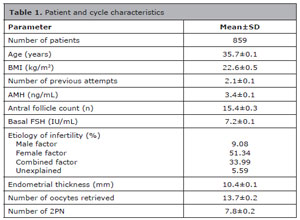
Table 1. Patient and cycle characteristics
Note: Data are presented as mean±standard deviation (SD) unless otherwise stated.
Abbreviations: BMI, body mass index (calculated as weight in kilograms di-vided by the square of height in meters); AMH, anti-Müllerian hormone; FSH, follicle-stimulating hormone; PN, pronuclear.
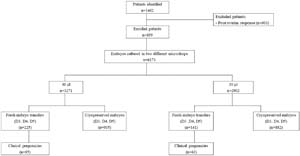
Figure 1. Flow chart of the study comparing 30μl versus 10μl drops of culture medium. A total of 1,462 patients underwent oocyte retrieval. Of these, 603 patients were excluded because of poor ovarian response, leaving 859 patients included in the final analysis.
No statistically significant difference was observed in embryo utilization rate (35.46 vs. 35.25%; p=0.86) between embryos cultured in 30 or 10μl of culture medium. Embryo quality was also similar on day 2 (43.36 vs. 42.66%; p=0.18), day 3 (44.88 vs. 43.31%; p=0.22), or day 5 (18.00 vs. 18.00%; p=0.82) (Table 2).
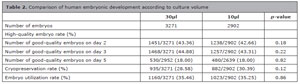
Table 2. Comparison of human embryonic development according to culture volume
Note: Values in parentheses are percentages.
Embryo utilization rate = number of embryos transferred and cryopreserved / number of normally fertilized oocytes
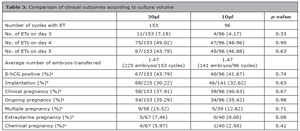
Table 3. Comparison of clinical outcomes according to culture volume
Note: Values in parentheses are percentages.
Abbreviations: ET, embryo transfer; hCG, human chorionic gonadotropin.
a Per transfer.
b Per transferred embryo.
c Per clinical pregnancy.
d Per β-hCG positive.
DISCUSSION
In this single-center retrospective cohort study with a large sample size, we evaluated the effect of culture volume on embryo development and clinical outcomes. No significant differences were observed in embryo quality on days 2, 3, and 5, embryo utilization rate, or clinical outcomes between embryos cultured in large versus small drops of culture medium.
The culture method (individual or group) is an important factor contributing to viable blastocyst yield, as extended embryo culture to the blastocyst stage has become common practice for improving implantation potential. Whereas group culture can enhance development through autocrine and paracrine interactions, individual culture allows precise assessment of each embryo, particularly with advances in non-invasive embryo selection and time-lapse imaging (Cinnioglu et al., 2023; Wang et al., 2024), leading to greater preference for individual culture systems. Our findings align with previous studies showing that individual culture, even with varying drop sizes, does not compromise clinical outcomes (Rijnders & Jansen, 1999; Spyropoulou et al., 1999; Ebner et al., 2010; Glatthorn et al., 2021; Shi et al., 2022; Herreros et al., 2024).
As part of our safety assessment, we also observed a notable trend in ectopic pregnancy rates: the 30μl group showed a higher ectopic pregnancy rate (7.46%) than the 10μl group (0.00%). Although limited by the small sample size, this finding suggests that smaller volumes may provide a slightly more favorable microenvironment for implantation. Further studies with larger sample sizes are needed to confirm this trend.
Previous studies examining culture volume have reported inconsistent results. Minasi et al. (2015) reported improved blastocyst formation in 7μl drops compared with 35μl, but no difference was observed between 35μl and 15μl drops. De Munck et al. (2015) found that embryos cultured in 7μl showed a significant reduction in good-quality embryos on days 3 and 5 compared with those cultured in 25μl of medium. These conflicting results have raised concerns that extremely small culture volumes may lead to the accumulation of embryotoxic metabolic products, thereby impairing embryo development. In our study, embryos cultured in 30 and 10μl drops showed no differences in developmental competence, suggesting that maintaining culture volumes within a range of 10-30μl may provide a more stable environment for embryo development.
A major challenge in interpreting these discrepancies lies in differences in culture medium composition and protein supplementation across studies. Minasi et al. (2015) used Sage medium with serum protein supplement (SPS), whereas De Munck et al. (2015) used Origio medium with human serum albumin (HSA), factors known to influence responses to reduced volumes. In our study, embryos cultured in 30 and 10μl drops using Cook Medical’s sequential culture medium with HSA showed no differences in blastocyst formation, suggesting that medium composition, rather than volume within this range, is the key determinant of developmental outcomes. These findings highlight the importance of selecting an appropriate medium and maintaining an optimal culture volume for consistent embryo development. Further research is needed to clarify how medium composition interacts with culture volume to optimize embryo viability (Morbeck et al., 2014a;b).
Given these observations, it is important to interpret our results within the context of the study design and its inherent limitations. This study was limited by its retrospective nature and single-center design. Although a relatively large cohort was analyzed to evaluate the effect of different culture volumes on embryo developmental competence, the sample size was insufficient to detect a significant difference in pregnancy outcomes during fresh embryo transfer cycles. This is primarily attributable to the high proportion of freeze-all cycles, which substantially reduced the number of fresh embryo transfers. Consequently, this lower transfer rate may have adversely affected overall pregnancy outcomes. Future studies should further examine the effects of culture volume using single vitrified-warmed blastocyst transfer cycles with preimplantation genetic testing for aneuploidy (PGT-A).
To the best of our knowledge, most previous studies have focused on comparing clinical outcomes between individual and group culture systems (Moessner & Dodson, 1995; Ebner et al., 2010; Rebollar-Lazaro & Matson, 2010; Tao et al., 2013; Lehner et al., 2017; Fancsovits et al., 2022). In contrast, our analysis specifically examined different culture volumes within an individual culture system among patients with good prognosis, allowing a more direct evaluation of whether culture medium volume influences embryo developmental competence and subsequent clinical outcomes.
In conclusion, this retrospective cohort study of good-prognosis patients demonstrated that culture drop size did not adversely affect embryo quality, embryo utilization, or pregnancy rates in individual culture systems. Our findings provide robust baseline data supporting flexible adjustment of culture droplet size within the 10-30μl range for single-embryo cultures in routine laboratory practice.
Presented at the ASRM 2022 (American Society for Reproductive Medicine) Congress & Expo
ACKNOWLEDGEMENTS
The authors also thank the embryologists and physicians who made significant contributions to this project.
Funding information
REFERENCES
Alpha Scientists in Reproductive Medicine and ESHRE Special Interest Group of Embryology. The Istanbul consensus workshop on embryo assessment: proceedings of an expert meeting. Hum Reprod. 2011;26:1270-83. PMID: 21502182 DOI: 10.1093/humrep/der037
Medline
Cinnioglu C, Glessner H, Jordan A, Bunshaft S. A systematic review of noninvasive preimplantation genetic testing for aneuploidy. Fertil Steril. 2023;120:235-9. PMID: 37356468 DOI: 10.1016/j.fertnstert.2023.06.013
Medline
De Munck N, Santos-Ribeiro S, Mateizel I, Verheyen G. Reduced blastocyst formation in reduced culture volume. J Assist Reprod Genet. 2015;32:1365-70. PMID: 26292800 DOI: 10.1007/s10815-015-0541-z
Medline
Ebner T, Shebl O, Moser M, Mayer RB, Arzt W, Tews G. Group culture of human zygotes is superior to individual culture in terms of blastulation, implantation and life birth. Reprod Biomed Online. 2010;21:762-8. PMID: 21051291 DOI: 10.1016/j.rbmo.2010.06.038
Medline
Fancsovits P, Pribenszky C, Lehner A, Murber A, Kaszas Z, Nemes A, Urbancsek J. Prospective-randomized study comparing clinical outcomes of IVF treatments where embryos were cultured individually or in a microwell group culture dish. Biol Futur. 2022;73:229-36. PMID: 35278201 DOI: 10.1007/s42977-022-00113-8
Medline
Glatthorn HN, Hanson BM, Kim JG, Herlihy NS, Klimczak AM, Hong KH, Seli E, Scott RT Jr. Individual culture leads to decreased blastocyst formation but does not affect pregnancy outcomes in the setting of a single, vitrified-warmed euploid blastocyst transfer. J Assist Reprod Genet. 2021;38:2157-64. PMID: 34086147 DOI: 10.1007/s10815-021-02252-8
Medline
Hardarson T, Ahlström A, Rogberg L, Botros L, Hillensjö T, Westlander G, Sakkas D, Wikland M. Non-invasive metabolomic profiling of Day 2 and 5 embryo culture medium: a prospective randomized trial. Hum Reprod. 2012;27:89-96. PMID: 22068638 DOI: 10.1093/humrep/der373
Medline
Herreros M, Martí L, Díaz N, Tió MC, Rodríguez-Arnedo A, Guerrero J, Ortiz JA, Bernabeu A, Bernabeu R, Ten J. Impact of Group vs Individual Embryo Culture Strategies on Blastocyst and Clinical Outcomes. Reprod Sci. 2024;31:1705-11. PMID: 38379066 DOI: 10.1007/s43032-024-01480-4
Medline
Lane M, Gardner DK. Effect of incubation volume and embryo density on the development and viability of mouse embryos in vitro. Hum Reprod. 1992;7:558-62. PMID: 1522203 DOI: 10.1093/oxfordjournals.humrep.a137690
Medline
Lehner A, Kaszas Z, Murber A, Rigo J Jr, Urbancsek J, Fancsovits P. Embryo density may affect embryo quality during in vitro culture in a microwell group culture dish. Arch Gynecol Obstet. 2017;296:345-53. PMID: 28551726 DOI: 10.1007/s00404-017-4403-z
Medline
Liang R, Duan SN, Fu M, Chen YN, Wang P, Fan Y, Meng S, Chen X, Shi C. Prediction model for day 3 embryo implantation potential based on metabolites in spent embryo culture medium. BMC Pregnancy Childbirth. 2023;23:425. PMID: 37291503 DOI: 10.1186/s12884-023-05666-7
Medline
Minasi MG, Fabozzi G, Casciani V, Lobascio AM, Colasante A, Scarselli F, Greco E. Improved blastocyst formation with reduced culture volume: comparison of three different culture conditions on 1128 sibling human zygotes. J Assist Reprod Genet. 2015;32:215-20. PMID: 25491125 DOI: 10.1007/s10815-014-0399-5
Medline
Moessner J, Dodson WC. The quality of human embryo growth is improved when embryos are cultured in groups rather than separately. Fertil Steril. 1995;64:1034-5. PMID: 7589624 DOI: 10.1016/s0015-0282(16)57925-4
Medline
Morbeck DE, Krisher RL, Herrick JR, Baumann NA, Matern D, Moyer T. Composition of commercial media used for human embryo culture. Fertil Steril. 2014a;102:759-66.e9. PMID: 24998366 DOI: 10.1016/j.fertnstert.2014.05.043
Medline
Morbeck DE, Paczkowski M, Fredrickson JR, Krisher RL, Hoff HS, Baumann NA, Moyer T, Matern D. Composition of protein supplements used for human embryo culture. J Assist Reprod Genet. 2014b;31:1703-11. PMID: 25261352 DOI: 10.1007/s10815-014-0349-2
Medline
Rebollar-Lazaro I, Matson P. The culture of human cleavage stage embryos alone or in groups: effect upon blastocyst utilization rates and implantation. Reprod Biol. 2010;10:227-34. PMID: 21113203
Medline
Reed ML. Culture systems: embryo density. Methods Mol Biol. 2012;912:273-312. PMID: 22829380 DOI: 10.1007/978-1-61779-971-6_16
Medline
Rijnders PM, Jansen CA. Influence of group culture and culture volume on the formation of human blastocysts: a prospective randomized study. Hum Reprod. 1999;14:2333-7. PMID: 10469705 DOI: 10.1093/humrep/14.9.2333
Medline
Shi C, Sun TC, Chen SW, Wang P, Liang R, Duan SN, Han HJ, Shen H, Chen X. Effects of embryo density on cell number of day 3 embryos cultured in a 30-μl drop: a retrospective cohort study. Zygote. 2022;30:487-94. PMID: 35293302 DOI: 10.1017/S0967199421000812
Medline
Spyropoulou I, Karamalegos C, Bolton VN. A prospective randomized study comparing the outcome of in-vitro fertilization and embryo transfer following culture of human embryos individually or in groups before embryo transfer on day 2. Hum Reprod. 1999;14:76-9. PMID: 10374098 DOI: 10.1093/humrep/14.1.76
Medline
Tao T, Robichaud A, Mercier J, Ouellette R. Influence of group embryo culture strategies on the blastocyst development and pregnancy outcome. J Assist Reprod Genet. 2013;30:63-8. PMID: 23239126 DOI: 10.1007/s10815-012-9892-x
Medline
Vajta G, Parmegiani L, Machaty Z, Chen WB, Yakovenko S. Back to the future: optimised microwell culture of individual human preimplantation stage embryos. J Assist Reprod Genet. 2021;38:2563-74. PMID: 33864207 DOI: 10.1007/s10815-021-02167-4
Medline
Wang X, Wei Q, Huang W, Yin L, Ma T. Can time-lapse culture combined with artificial intelligence improve ongoing pregnancy rates in fresh transfer cycles of single cleavage stage embryos? Front Endocrinol (Lausanne). 2024;15:1449035. PMID: 39268241 DOI: 10.3389/fendo.2024.1449035
Medline
Younis JS, Ben-Ami M, Ben-Shlomo I. The Bologna criteria for poor ovarian response: a contemporary critical appraisal. J Ovarian Res. 2015;8:76. PMID: 26577149 DOI: 10.1186/s13048-015-0204-9
Medline