JBRA Assist. Reprod. 2025;29(1):127-135
ORIGINAL ARTICLE
doi: 10.5935/1518-0557.20240091
Symptom assessment related to the menstrual cycle to predict endometriosis and adenomyosis in university students
1Medical School, University of Fortaleza (UNIFOR), Fortaleza-CE, Brazil
2Department of Obstetrics, Paulista School of Medicine - Federal University of São Paulo (EPM-UNIFESP), São Paulo-SP, Brazil
3Discipline of Woman Health, Municipal University of São Caetano do Sul (USCS), São Caetano do Sul-SP, Brazil
4Graduate Program in Medical Sciences, University of Fortaleza (UNIFOR), Fortaleza-CE, Brazil
5CONCEPTUS - Reproductive Medicine, Fortaleza-CE, Brazil
CONFLICT OF INTEREST
The authors have no relevant financial or non-financial interests to disclose.
ABSTRACT
Objective: To assess the prevalence of self-reported symptoms of endometriosis and adenomyosis among university students and identify potential predictors of these diseases among these symptoms.
Methods: This cross-sectional study was conducted at a private university in northeastern Brazil. The students were asked to complete an electronic questionnaire using a Google Form link. Participants were asked about general information, the menstrual cycle, and bleeding symptoms. The electronic questionnaire results were compared between two groups: students who self-reported endometriosis/adenomyosis (ENDO/ADENO) and students who self-reported no endometriosis/adenomyosis (NO ENDO/ADENO).
Results: Four (2.9%) students self-reported adenomyosis alone, 26 (18.6%) students self-reported endometriosis alone, and two (1.4%) students self-reported an associated diagnosis of endometriosis and adenomyosis. Participants were divided into two groups: ENDO/ADENO (n=32) and NO ENDO/ADENO (n=108). Participants in the ENDO/ADENO group reported more severe dysmenorrhea, worsening dysmenorrhea in the last 12 months, frequent absence from class, dyspareunia, and dysuria. Worsening dysmenorrhea was a predictor of endometriosis/adenomyosis in university female students (odds ratio = 5.73; 95% confidence interval, 1.91-17.22, p=0.002).
Conclusions: The assessment of menstrual cycle symptoms can be used as a screening tool for patients at risk of endometriosis/adenomyosis. The progressive worsening of dysmenorrhea in the last 12 months was a predictor of endometriosis/adenomyosis diagnosis.
Keywords: endometriosis, adenomyosis, dysmenorrhea, pelvic pain, university students
INTRODUCTION
Endometriosis is a gynecological disease characterized by the presence of endometrial tissue (composed of glands and stroma) outside the uterine cavity (Giudice, 2010; Zondervan et al., 2020; Taylor et al., 2021). Endometriosis affects about 10% of adolescents and women of reproductive age worldwide (Giudice, 2010; Fuldeore & Soliman, 2017; Zondervan et al., 2020; Taylor et al., 2021). Endometriosis has traditionally been associated with two main symptoms: pelvic pain (particularly during menstrual bleeding, known as dysmenorrhea) and infertility (Giudice, 2010; Zondervan et al., 2020; Taylor et al., 2021; Ottolina et al., 2024).
Adenomyosis develops when endometrial tissue grows within the uterine wall (myometrium) (Levy et al., 2013; Upson & Missmer, 2020). The true prevalence of adenomyosis is unknown. Adenomyosis was found in histopathological findings of hysterectomies in studies ranging from 8.8% to 61.5% (Upson & Missmer, 2020). Abnormal uterine bleeding, dysmenorrhea, and infertility are common symptoms in patients with adenomyosis (Levy et al., 2013). Interestingly, numerous studies have found a strong association between adenomyosis and endometriosis (Leyendecker et al., 2015).
Endometriosis and adenomyosis negatively impact women’s quality of life. Endometriosis has been associated with an increase in disruptions in the academic, work, and social lives of young women (Gupta et al., 2021; Bell et al., 2023). Consequently, endometriosis causes large economic losses in Australia, with an estimated annual cost of roughly $16,970 to $20,898 per woman per year, with most of the expenses attributable to absence from work (Armour et al., 2019; Bell et al., 2023). The economic burden in the United States is estimated to be $78-$119 billion per year (Simoens et al., 2012; Ellis et al., 2022). Endometriosis has comparable direct and indirect costs with other chronic diseases, such as heart disease and diabetes mellitus (Simoens et al., 2012; Armour et al., 2019).
The diagnosis of endometriosis and adenomyosis remains a major challenge for general practitioners and reproductive medicine specialists. According to studies, the interval between the first clinical manifestations and the diagnosis of endometriosis can take up to 12 years, particularly in young women (Hadfield et al., 1996; Arruda et al., 2003; Husby et al., 2003). The “normalization,” nonspecificity, and multiplicity of endometriosis symptoms, as well as the lack of specific biomarkers and variation in the intensity of symptoms, make endometriosis and adenomyosis clinical diagnosis challenging (Zondervan et al., 2020). Dysmenorrhea (62.2%), chronic pelvic pain (56.8%), deep dyspareunia (54.7%), cyclical intestinal complaints (48.3%), infertility (39.8%), and cyclical urinary complaints (11.7%) were the most commonly reported symptoms among a group of Brazilian women who underwent laparoscopy with histological confirmation of endometriosis (Bellelis et al., 2010).
The worsening of quality of life, increased risk of mental disorders, disease progression with the intensification of symptoms, development of central sensitization of pelvic pain, and erosion of the physician-patient relationship are some of the consequences of endometriosis diagnosis and treatment delays (Zondervan et al., 2020). Furthermore, the absence of adequate clinical-surgical management and reproductive planning for women with undiagnosed endometriosis can have serious reproductive consequences, including accelerated loss of ovarian reserve, infertility, and the need for assisted reproductive technology to achieve pregnancy (Tanbo & Fedorcsak, 2017; Bonavina & Taylor, 2022).
The visualization (often by laparoscopy) of endometriotic lesions, whether confirmed by histology or not, remains the gold standard for diagnosing endometriosis. The use of imaging tests (ultrasound or magnetic resonance imaging) is also recommended for nonsurgical assessment of suspected endometriosis cases (Becker et al., 2022). Ideally, patients suspected of having endometriosis should be referred for imaging or surgical evaluation (Becker et al., 2022; Ottolina et al., 2024). Self-reporting tools based on patient complaints have been proposed to identify women with suspected endometriosis symptoms to reduce diagnostic delay and support early endometriosis treatment (Surrey et al., 2017; Fauconnier et al., 2021; Chapron et al., 2022).
This study aims to assess the prevalence of self-reported symptoms of endometriosis and adenomyosis among Brazilian university students and identify potential predictors of these diseases.
MATERIAL AND METHODS
This is a cross-sectional study conducted between January and October 2023. The study population consisted of Brazilian female students from the University of Fortaleza (UNIFOR), a private university in Fortaleza, Ceara, in the northeast of Brazil. This study was reported in accordance with The Strengthening the Reporting of Observational Studies in Epidemiology (STROBE) Statement. Non-Brazilians, those under the age of 18 years, those unable to communicate in Portuguese, and those who refused to participate in the study were excluded. Eligible participants were asked to participate in the study using an internal communication platform and social networking application (WhatsApp Messenger). Those who wanted to participate used a Google Form link to access the online questionnaire. An online questionnaire link was accessible for completion between August 1 and September 30, 2023.
Instrument
The electronic instrument was developed using the Menstrual Disorder of Teenagers Questionnaire (Parker et al., 2010). A pilot study was conducted to test the validity and reliability of the questionnaire. After that, it was revised based on participant feedback and test-retest results. The final questionnaire comprised 27 items divided into three sections: general information, menstrual cycles, and symptoms related to the period (Table 1).
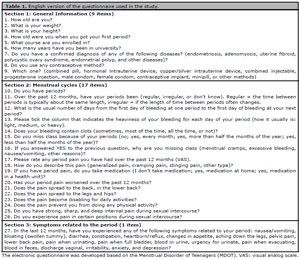
Table 1. English version of the questionnaire used in the study.
General information (nine items)
Participants were asked to provide their age, weight, height, age at first period, course enrolled, number of years at university, history of gynecological diseases (endometriosis, adenomyosis, uterine fibroid, polycystic ovary syndrome, endometrial polyp, and other diseases), and use of a contraceptive method (combined pill, hormonal intrauterine device, copper/silver intrauterine device, combined injectable, progesterone injection, male condom, female condom, contraceptive implant, minipill, or other methods).
Menstrual cycles (17 items)
The occurrence of periods and the characteristics of menstrual cycles were assessed with the questions listed in Table 1 (section 2). The period pattern (regularity, duration, and intensity of flow), the presence of dysmenorrhea (intensity, pattern, progression, and use of medication), interference with sexual practice, and daily activities, including missing classes, were asked of participants.
Symptoms related to the period (one item)
Participants were asked about the occurrence of the following symptoms associated with the period: nausea, vomiting, bloating (swollen tummy), diarrhea, constipation, heartburn/reflux, changes in appetite, aching down the legs, pelvic pain, lower back pain, pain when urinating, pain when full bladder, blood in urine, urgency to urinate, pain when evacuating, blood in feces, discharge vaginal, irritability, anxiety, and depression.
Data analyses and ethics approval
Data were input into an Excel 2020 spreadsheet (Microsoft Corp., Redmond, Washington), and descriptive statistics for survey responses were deduced. Participants were divided into two groups based on whether they self-reported having endometriosis and/or adenomyosis, known as ENDO/ADENO and NO ENDO/ADENO. The variables extracted from the electronic instrument were compared between the two groups (ENDO/ADENO vs. NO ENDO/ADENO). Continuous variables were compared using unpaired Student’s t test, and categorical variables were compared using the Fisher’s exact test or χ2 test in the SPSS™ (SPSS Statistical Software V.22.0, IBM Corp., Armonk, New York). Adjusted multivariate analysis was performed using binary logistic regression and included the following independent variables: visual analog scale (VAS) dysmenorrhea (>8), worsening of dysmenorrhea, missing class during the period, dyspareunia, and dysuria. p values of less than 0.05 were considered statistically significant. Informed consent was included on the welcome page of the survey. The study was approved by the Research Ethics Committee of the UNIFOR (CAAE: 69273423.6.0000.5052).
RESULTS
One hundred and forty women agreed to participate in the study. Four (2.9%) students self-reported adenomyosis alone, 26 (18.6%) students self-reported endometriosis alone, and two (1.4%) students self-reported an associated diagnosis of endometriosis and adenomyosis. Thus, study participants were divided into two groups: ENDO/ADENO (32 students) and NO-ENDO/ADENO (108 students).
The demographic characteristics of the study participants are shown in Table 2. The mean age of the participants was 22.4±5.2yr (ranging from 18 to 48yr), and there was no difference between groups (p=0.069). The means of weight, height, and body mass index were 62.5±11.8kg, 1.61±0.1m, and 23.9±4.3, respectively. Sixty-seven percent (n=94/140) of participants were normal weight, 2.1% (n=3/140) were underweight, 22.1% (n=31/140) were overweight, and 8.6% (n=12/140) were obese. Anthropometric markers were similar between the two groups.
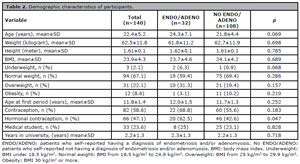
Table 2. Demographic characteristics of participants.
The mean age at menarche of the participants was 11.8±1.4 yr (ranging from 9 to 17yr), with no difference between groups (p=0.252). The use of contraceptive methods was self-reported by 58.6% (n=82/140) of participants and was comparable between groups (p=0.183). The mean of years spent at university one course was 2.2±1.3yr, with no difference between groups (p=0.718). A quarter of the women in both groups and the total number of participants were medical students (Table 2).
The frequency of gynecological diseases and menstrual cycle characteristics of the participants were summarized in Table 3. Students in the ENDO/ADENO group self-reported a lower presence of menstrual bleeding (called period), 65.6% (n=21/32) versus 91.7% (n=99/108), respectively (p<0.001). However, the regularity of the period was comparable between groups (p=0.052). There was no difference between the duration and intensity (heavy menstrual bleeding and menstrual bleeding with clots) of the period between the groups.
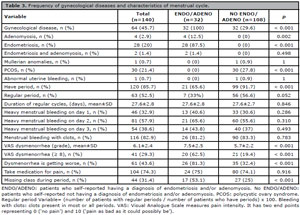
Table 3. Frequency of gynecological diseases and characteristics of menstrual cycle.
The mean of the visual analog scale (VAS) dysmenorrhea was higher in the ENDO/ADENO group (7.5±2.5 vs. 5.7±2.2, p<0.001). Participants in the ENDO/ADENO group also had a higher percentage of severe dysmenorrhea (VAS≥8) (62.5% [n=20/32] vs. 19.4% [n=21/108], p<0.001). Dysmenorrhea worsening over the last 12 months was significantly more common among students in the ENDO/ADENO group than the NO ENDO/ADENO group (81.3% [n=26/32] vs. 32.4% [n=35/108], p<0.001). However, there was no difference in the need for medicine to control dysmenorrhea between groups. Participants in the ENDO/ADENO group reported missing classes more frequently during the periods (53.1% [n=17/32] vs. 25% [n=27/108], p<0.001).
The frequency of symptoms self-reported by study participants is presented in Table 4. The occurrence of most symptoms was comparable between the two groups. Only dyspareunia (50% [n=16/32] vs. 17.6% [n=19/108], p<0.001) and dysuria (31.25 [n=10/32] vs. 11.1% [n=12/108], p=0.005) were significantly more common among students in the ENDO/ADENO group.
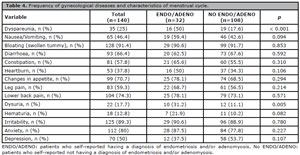
Table 4. Frequency of gynecological diseases and characteristics of menstrual cycle.
Binary logistic regression was performed to verify whether missing classes, severe dysmenorrhea, worsening in the last 12 months, dyspareunia, and dysuria are predictive symptoms of endometriosis (Table 5). The statistical model that include dysmenorrhea worsening over the previous 12 months was significant (?2[1]=34.7; p<0.001, R2 Negelkerke=0.334). Dysmenorrhea worsening was the only predictor of endometriosis in university female students (odds ratio=5.73; 95% confidence interval, 1.91-17.22, p=0.002; Table 5).
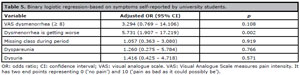
Table 5. Binary logistic regression-based on symptoms self-reported by university students.
DISCUSSION
According to studies, the prevalence of endometriosis remains poorly known, ranging from 2% to 10% in the general population, but can reach 50% in infertile women (Eskenazi & Warner, 1997; Meuleman et al., 2009; Zondervan et al., 2020). In addition, the prevalence of endometriosis in different age groups and based on the intensity of symptoms, particularly pelvic pain, remains unknown. Our study found a 21.4% prevalence of endometriosis associated or not with adenomyosis, which is higher than the general population prevalence but comparable with earlier studies with young women or those who self-reported severe dysmenorrhea (Ragab et al., 2015; Zannoni et al., 2024). In our sample, the prevalence of adenomyosis associated or not with endometriosis (4.2%, 6/140) was low compared with previous studies, which ranged from 1% to 70% (Struble et al., 2016; Zannoni et al., 2024; Exacoustos et al., 2022). This discrepancy in adenomyosis prevalence reported in the literature is attributable to different diagnostic criteria, different patient populations, differences in tissue sample sizes, and possible bias in histopathological analysis (Struble et al., 2016).
Endometriosis is a risk factor for women who complain (cyclical and noncyclical) of dysmenorrhea, deep dyspareunia, dysuria, dyschezia, painful rectal bleeding or hematuria, shoulder tip pain, catamenial pneumothorax, cyclical cough/hemoptysis/chest pain, cyclical scar swelling and pain, fatigue, and infertility (Becker et al., 2022; Mitchell et al., 2024). Dysmenorrhea is a common complaint among young women, affecting up to 90% of adolescents (Klein & Litt, 1981; Andersch & Milsom, 1982; Hillen et al., 1999; Banikarim et al., 2000; Martire et al., 2023; Oliveira et al., 2024). However, studies suggest that around 14%-23% of adolescents suffer from severe dysmenorrhea (Klein & Litt, 1981; Fisher et al., 1989; Teperi & Rimpelä, 1989; Wilson & Keye, 1989; Martire et al., 2023). Studies show that about 47%-73% of adolescents with severe dysmenorrhea are diagnosed with endometriosis (Bullock et al., 1974; Reese et al., 1996; Martire et al., 2023). Thus, the results in our study are consistent with previous studies. Several studies have already described the relationship between the presence and severity of dysmenorrhea and the occurrence of endometriosis (Porpora et al., 1999; Calhaz-Jorge et al., 2004; Van Niekerk et al., 2022; El-Hadad et al., 2023).
Porpora et al. (1999) observed a correlation between the total pain score and deep endometriosis on the uterosacral ligaments, peritoneal adhesions, and extent of adnexal adhesions. The authors proposed that the presence and severity of dysmenorrhea are predictors of endometriosis (Porpora et al., 1999). Recently, El-Hadad et al. (2023) also noted that dysmenorrhea is a predictor of endometriosis, particularly with onset >3 yr after menarche. Other studies have also suggested that dysmenorrhea may be a predictor of endometriosis/adenomyosis (Peterson et al., 2013; Heitmann et al., 2014; Ashrafi et al., 2016; Fuldeore & Soliman, 2017; Saha et al., 2017). In our study, dysmenorrhea was more severe in the endometriosis/adenomyosis group; however, dysmenorrhea was not considered a good predictor after multivariate analysis. Progressive dysmenorrhea is a clinical manifestation common to endometriosis and adenomyosis (Struble et al., 2016; Zondervan et al., 2020; Becker et al., 2022). It occurs when the intensity and duration of pain during periods increases over time. Few studies found that increased dysmenorrhea severity was a good predictor of endometriosis (Forman et al., 1993; Eskenazi et al., 2001; Hsu et al., 2010). In our study, dysmenorrhea worsening in the last 12 months was a good predictor of endometriosis.
Other predictive symptoms for endometriosis have also been studied (Heitmann et al., 2014; Ashrafi et al., 2016; Kayani et al., 2016; Fuldeore & Soliman, 2017; Van Niekerk et al., 2022). In our study, dyspareunia and dysuria were more common in students who self-reported having endometriosis and/or adenomyosis. However, multivariate analysis indicates that this complaint does not predict endometriosis/adenomyosis. Although dyspareunia and dysuria are more common among women with endometriosis, they are not specific symptoms of endometriosis/adenomyosis (Agarwal et al., 2019; Becker et al., 2022).
Endometriosis/adenomyosis is often the cause of life disruptions (Zondervan et al., 2020; Gupta et al., 2021; Becker et al., 2022). Gupta et al. (2021) found that undergraduate students with endometriosis symptoms have a high level of life disruption (88% any disruption, 82.7% social, 58.8% academic, and 34.4% work). A large Australian study of over 4,000 young women aged 13-25yr found that more than a third of students had missed at least one class due to menstrual symptoms in the last three menstrual cycles. In addition to the loss of academic activities, around 70% of students reported difficulties concentrating during menstrual bleeding (Armour et al., 2020). In our study, students with endometriosis/adenomyosis missed twice as many classes as students who did not self-report an endometriosis/adenomyosis diagnosis.
Strength and limitations
This study has several strengths. First, it identified the prevalence of endometriosis/adenomyosis in university students in northeastern Brazil, a population that has not yet been studied. Second, it identified the pattern of endometriosis/adenomyosis symptoms in young women, contributing to a better understanding of this gynecological disease. Third, the study found that worsening dysmenorrhea may be a predictor of endometriosis/adenomyosis in young women. Consequently, our results may contribute to reducing delays in diagnosing endometriosis/adenomyosis and reducing complications in the medium and long term.
One important limitation is the study design, which was a cross-sectional study with questionnaires completed individually by participants. Another limitation is the absence of radiologic studies or surgery to confirm the participant’s self-reported diagnosis. However, the questionnaire was based on a previously validated instrument in the literature. In our cross-sectional study, one limitation is that the number of participants was slightly below the recommended sample size calculated to ensure sufficient statistical power and representativeness. This limitation may reduce the precision of our estimates. With a smaller sample size, the variability within the data is less likely to represent the diversity present in the entire population, thus increasing the margin of error and potentially leading to biased results. Additionally, we highlight the need for external validation of our results. External validation is crucial to confirm that the observed associations are not unique to our sample and can be generalized to broader populations.
CONCLUSION
The assessment of symptoms related to the menstrual cycle can be used as a screening tool for patients at risk of endometriosis/adenomyosis. The progressive worsening of dysmenorrhea in the last 12 months was a predictor of endometriosis/adenomyosis diagnosis.
REFERENCES
Agarwal SK, Chapron C, Giudice LC, Laufer MR, Leyland N, Missmer SA, Singh SS, Taylor HS. Clinical diagnosis of endometriosis: a call to action. Am J Obstet Gynecol. 2019;220:354.e1-354.e12. PMID: 30625295 DOI: 10.1016/j.ajog.2018.12.039 Medline
Andersch B, Milsom I. An epidemiologic study of young women with dysmenorrhea. Am J Obstet Gynecol. 1982;144:655-60. PMID: 7137249 DOI: 10.1016/0002-9378(82)90433-1 Medline
Armour M, Ferfolja T, Curry C, Hyman MS, Parry K, Chalmers KJ, Smith CA, MacMillan F, Holmes K. The Prevalence and Educational Impact of Pelvic and Menstrual Pain in Australia: A National Online Survey of 4202 Young Women Aged 13-25 Years. Pediatr Adolesc Gynecol. 2020;33:511-8. PMID: 32544516 DOI: 10.1016/j.jpag.2020.06.007 Medline
Armour M, Lawson K, Wood A, Smith CA, Abbott J. The cost of illness and economic burden of endometriosis and chronic pelvic pain in Australia: A national online survey. PLoS One. 2019;14:e0223316. PMID: 31600241 DOI: 10.1371/journal.pone.0223316 Medline
Arruda MS, Petta CA, Abrão MS, Benetti-Pinto CL. Time elapsed from onset of symptoms to diagnosis of endometriosis in a cohort study of Brazilian women. Hum Reprod. 2003;18:756-9. PMID: 12660267 DOI: 10.1093/humrep/deg136 Medline
Ashrafi M, Sadatmahalleh SJ, Akhoond MR, Talebi M. Evaluation of Risk Factors Associated with Endometriosis in Infertile Women. Int J Fertil Steril. 2016;10:11-21. PMID: 27123195 DOI: 10.22074/ijfs.2016.4763 Medline
Banikarim C, Chacko MR, Kelder SH. Prevalence and impact of dysmenorrhea on Hispanic female adolescents. Arch Pediatr Adolesc Med. 2000;154:1226-9. PMID: 11115307 DOI: 10.1001/archpedi.154.12.1226 Medline
Becker CM, Bokor A, Heikinheimo O, Horne A, Jansen F, Kiesel L, King K, Kvaskoff M, Nap A, Petersen K, Saridogan E, Tomassetti C, van Hanegem N, Vulliemoz N, Vermeulen N; ESHRE Endometriosis Guideline Group. ESHRE guideline: endometriosis. Hum Reprod Open. 2022;2022:hoac009. PMID: 35350465 DOI: 10.1093/hropen/hoac009 Medline
Bell RJ, Robinson PJ, Skiba MA, Islam RM, Hemachandra C, Davis SR. The impact of endometriosis on work ability in young Australian women. Aust N Z J Obstet Gynaecol. 2023;63:556-63. PMID: 37101224 DOI: 10.1111/ajo.13683 Medline
Bellelis P, Dias JA Jr, Podgaec S, Gonzales M, Baracat EC, Abrão MS. Epidemiological and clinical aspects of pelvic endometriosis-a case series. Rev Assoc Med Bras (1992). 2010;56:467-71. PMID: 20835646 DOI: 10.1590/S0104-42302010000400022 Medline
Bonavina G, Taylor HS. Endometriosis-associated infertility: From pathophysiology to tailored treatment. Front Endocrinol (Lausanne). 2022;13:1020827. PMID: 36387918 DOI: 10.3389/fendo.2022.1020827 Medline
Bullock JL, Massey FM, Gambrell RD. Symptomatic endometriosis in teen-agers. A reappraisal. Obstet Gynecol. 1974;43:896-900. PMID: 4275237 Medline
Calhaz-Jorge C, Mol BW, Nunes J, Costa AP. Clinical predictive factors for endometriosis in a Portuguese infertile population. Hum Reprod. 2004;19:2126-31. PMID: 15229202 DOI: 10.1093/humrep/deh374 Medline
Chapron C, Lafay-Pillet MC, Santulli P, Bourdon M, Maignien C, Gaudet-Chardonnet A, Maitrot-Mantelet L, Borghese B, Marcellin L. A new validated screening method for endometriosis diagnosis based on patient questionnaires. EClinicalMedicine. 2022;44:101263. PMID: 35059616 DOI: 10.1016/j.eclinm.2021.101263 Medline
El-Hadad S, Lässer D, Sachs MK, Schwartz ASK, Haeberlin F, von Orelli S, Eberhard M, Leeners B. Dysmenorrhea in adolescents requires careful investigation of endometriosis-an analysis of early menstrual experiences in a large case-control study. Front Reprod Health. 2023;5:1121515. PMID: 37693279 DOI: 10.3389/frph.2023.1121515 Medline
Ellis K, Munro D, Clarke J. Endometriosis Is Undervalued: A Call to Action. Front Glob Womens Health. 2022;3:902371. PMID: 35620300 DOI: 10.3389/fgwh.2022.902371 Medline
Eskenazi B, Warner ML. Epidemiology of endometriosis. Obstet Gynecol Clin North Am. 1997;24:235-58. PMID: 9163765 DOI: 10.1016/S0889-8545(05)70302-8 Medline
Eskenazi B, Warner M, Bonsignore L, Olive D, Samuels S, Vercellini P. Validation study of nonsurgical diagnosis of endometriosis. Fertil Steril. 2001;76:929-35. PMID: 11704113 DOI: 10.1016/S0015-0282(01)02736-4 Medline
Exacoustos C, Lazzeri L, Martire FG, Russo C, Martone S, Centini G, Piccione E, Zupi E. Ultrasound Findings of Adenomyosis in Adolescents: Type and Grade of the Disease. J Minim Invasive Gynecol. 2022;29:291-9.e1. PMID: 34464760 DOI: 10.1016/j.jmig.2021.08.023 Medline
Fauconnier A, Drioueche H, Huchon C, Du Cheyron J, Indersie E, Candau Y, Panel P, Fritel X. Early identification of women with endometriosis by means of a simple patient-completed questionnaire screening tool: a diagnostic study. Fertil Steril. 2021;116:1580-9. PMID: 34538656 DOI: 10.1016/j.fertnstert.2021.07.1205 Medline
Fisher M, Trieller K, Napolitano B. Premenstrual symptoms in adolescents. J Adolesc Health Care. 1989;10:369-75. PMID: 2681106 DOI: 10.1016/0197-0070(89)90213-1 Medline
Forman RG, Robinson JN, Mehta Z, Barlow DH. Patient history as a simple predictor of pelvic pathology in subfertile women. Hum Reprod. 1993;8:53-5. PMID: 8458926 DOI: 10.1093/oxfordjournals.humrep.a137873 Medline
Fuldeore MJ, Soliman AM. Prevalence and Symptomatic Burden of Diagnosed Endometriosis in the United States: National Estimates from a Cross-Sectional Survey of 59,411 Women. Gynecol Obstet Invest. 2017;82:453-61. PMID: 27820938 DOI: 10.1159/000452660 Medline
Giudice LC. Clinical practice. Endometriosis. N Engl J Med. 2010;362:2389-98. PMID: 20573927 DOI: 10.1056/NEJMcp1000274 Medline
Gupta J, Cardoso L, Kanselaar S, Scolese AM, Hamidaddin A, Pollack AZ, Earnshaw VA. Life Disruptions, Symptoms Suggestive of Endometriosis, and Anticipated Stigma Among College Students in the United States. Womens Health Rep (New Rochelle). 2021;2:633-42. PMID: 35141711 DOI: 10.1089/whr.2021.0072 Medline
Hadfield R, Mardon H, Barlow D, Kennedy S. Delay in the diagnosis of endometriosis: a survey of women from the USA and the UK. Hum Reprod. 1996;11:878-80. PMID: 8671344 DOI: 10.1093/oxfordjournals.humrep.a019270 Medline
Heitmann RJ, Langan KL, Huang RR, Chow GE, Burney RO. Premenstrual spotting of ≥2 days is strongly associated with histologically confirmed endometriosis in women with infertility. Am J Obstet Gynecol. 2014;211:358.e1-6. PMID: 24799313 DOI: 10.1016/j.ajog.2014.04.041 Medline
Hillen TI, Grbavac SL, Johnston PJ, Straton JA, Keogh JM. Primary dysmenorrhea in young Western Australian women: prevalence, impact, and knowledge of treatment. J Adolesc Health. 1999;25:40-5. PMID: 10418884 DOI: 10.1016/S1054-139X(98)00147-5 Medline
Hsu AL, Khachikyan I, Stratton P. Invasive and noninvasive methods for the diagnosis of endometriosis. Clin Obstet Gynecol. 2010;53:413-9. PMID: 20436318 DOI: 10.1097/GRF.0b013e3181db7ce8 Medline
Husby GK, Haugen RS, Moen MH. Diagnostic delay in women with pain and endometriosis. Acta Obstet Gynecol Scand. 2003;82:649-53. PMID: 12790847 DOI: 10.1034/j.1600-0412.2003.00168.x Medline
Kayani SI, Pundir J, Omanwa K. Quality of life after total laparoscopic hysterectomy: a one-year follow-up study. Minerva Ginecol. 2016;68:412-7. PMID: 26018242 Medline
Klein JR, Litt IF. Epidemiology of adolescent dysmenorrhea. Pediatrics. 1981;68:661-4. PMID: 7312467 DOI: 10.1542/peds.68.5.661 Medline
Levy G, Dehaene A, Laurent N, Lernout M, Collinet P, Lucot JP, Lions C, Poncelet E. An update on adenomyosis. Diagn Interv Imaging. 2013;94:3-25. PMID: 23246186 DOI: 10.1016/j.diii.2012.10.012 Medline
Leyendecker G, Bilgicyildirim A, Inacker M, Stalf T, Huppert P, Mall G, Böttcher B, Wildt L. Adenomyosis and endometriosis. Re-visiting their association and further insights into the mechanisms of auto-traumatisation. An MRI study. Arch Gynecol Obstet. 2015;291:917-32. PMID: 25241270 DOI: 10.1007/s00404-014-3437-8 Medline
Martire FG, Piccione E, Exacoustos C, Zupi E. Endometriosis and Adolescence: The Impact of Dysmenorrhea. J Clin Med. 2023;12:5624. PMID: 37685691 DOI: 10.3390/jcm12175624 Medline
Meuleman C, Vandenabeele B, Fieuws S, Spiessens C, Timmerman D, D’Hooghe T. High prevalence of endometriosis in infertile women with normal ovulation and normospermic partners. Fertil Steril. 2009;92:68-74. PMID: 18684448 DOI: 10.1016/j.fertnstert.2008.04.056 Medline
Mitchell AM, Lensen S, Kamper SJ, Frawley H, Cheng C, Healey M, Chalmers KJ. The most impactful endometriosis symptom: An international, cross-sectional, two-round survey study. Acta Obstet Gynecol Scand. 2024;103:1736-44. PMID: 39041353 DOI: 10.1111/aogs.14927 Medline
Oliveira IT, Pinto PV, Bernardes JF. Non-invasive diagnosis of endometriosis in adolescents and young female adults: a systematic review. J Pediatr Adolesc Gynecol. 2024:S1083-3188(24)00258-4. PMID: 39098544 DOI: 10.1016/j.jpag.2024.07.005 Medline
Ottolina J, Villanacci R, D’Alessandro S, He X, Grisafi G, Ferrari SM, Candiani M. Endometriosis and Adenomyosis: Modern Concepts of Their Clinical Outcomes, Treatment, and Management. J Clin Med. 2024;13:3996. PMID: 39064036 DOI: 10.3390/jcm13143996 Medline
Parker MA, Sneddon AE, Arbon P. The menstrual disorder of teenagers (MDOT) study: determining typical menstrual patterns and menstrual disturbance in a large population-based study of Australian teenagers. BJOG. 2010;117:185-92. PMID: 19874294 DOI: 10.1111/j.1471-0528.2009.02407.x Medline
Peterson CM, Johnstone EB, Hammoud AO, Stanford JB, Varner MW, Kennedy A, Chen Z, Sun L, Fujimoto VY, Hediger ML, Buck Louis GM; ENDO Study Working Group. Risk factors associated with endometriosis: importance of study population for characterizing disease in the ENDO Study. Am J Obstet Gynecol. 2013;208:451.e1-11. PMID: 23454253 DOI: 10.1016/j.ajog.2013.02.040 Medline
Porpora MG, Koninckx PR, Piazze J, Natili M, Colagrande S, Cosmi EV. Correlation between endometriosis and pelvic pain. J Am Assoc Gynecol Laparosc. 1999;6:429-34. PMID: 10548700 DOI: 10.1016/S1074-3804(99)80006-1 Medline
Ragab A, Shams M, Badawy A, Alsammani MA. Prevalence of endometriosis among adolescent school girls with severe dysmenorrhea: A cross sectional prospective study. Int J Health Sci (Qassim). 2015;9:273-81. PMID: 26609292 DOI: 10.12816/0024694 Medline
Reese KA, Reddy S, Rock JA. Endometriosis in an adolescent population: the Emory experience. J Pediatr Adolesc Gynecol. 1996;9:125-8. PMID: 8795787 DOI: 10.1016/S1083-3188(96)70021-9 Medline
Saha R, Marions L, Tornvall P. Validity of self-reported endometriosis and endometriosis-related questions in a Swedish female twin cohort. Fertil Steril. 2017;107:174-8.e2. PMID: 27793372 DOI: 10.1016/j.fertnstert.2016.09.038 Medline
Simoens S, Dunselman G, Dirksen C, Hummelshoj L, Bokor A, Brandes I, Brodszky V, Canis M, Colombo GL, DeLeire T, Falcone T, Graham B, Halis G, Horne A, Kanj O, Kjer JJ, Kristensen J, Lebovic D, Mueller M, Vigano P, et al. The burden of endometriosis: costs and quality of life of women with endometriosis and treated in referral centres. Hum Reprod. 2012;27:1292-9. PMID: 22422778 DOI: 10.1093/humrep/des073 Medline
Struble J, Reid S, Bedaiwy MA. Adenomyosis: A Clinical Review of a Challenging Gynecologic Condition. J Minim Invasive Gynecol. 2016;23:164-85. PMID: 26427702 DOI: 10.1016/j.jmig.2015.09.018 Medline
Surrey E, Carter CM, Soliman AM, Khan S, DiBenedetti DB, Snabes MC. Patient-completed or symptom-based screening tools for endometriosis: a scoping review. Arch Gynecol Obstet. 2017;296:153-65. PMID: 28547097 DOI: 10.1007/s00404-017-4406-9 Medline
Tanbo T, Fedorcsak P. Endometriosis-associated infertility: aspects of pathophysiological mechanisms and treatment options. Acta Obstet Gynecol Scand. 2017;96:659-67. PMID: 27998009 DOI: 10.1111/aogs.13082 Medline
Taylor HS, Kotlyar AM, Flores VA. Endometriosis is a chronic systemic disease: clinical challenges and novel innovations. Lancet. 2021;397:839-52. PMID: 33640070 DOI: 10.1016/S0140-6736(21)00389-5 Medline
Teperi J, Rimpelä M. Menstrual pain, health and behaviour in girls. Soc Sci Med. 1989;29:163-9. PMID: 2787534 DOI: 10.1016/0277-9536(89)90164-0 Medline
Upson K, Missmer AS. Epidemiology of Adenomyosis. Semin Reprod Med. 2020;38:89-107. PMID: 33105509 DOI: 10.1055/s-0040-1718920 Medline
Van Niekerk L, Johnstone L, Matthewson M. Predictors of self-compassion in endometriosis: the role of psychological health and endometriosis symptom burden. Hum Reprod. 2022;37:264-73. PMID: 35102421 DOI: 10.1093/humrep/deab257 Medline
Wilson CA, Keye WR Jr. A survey of adolescent dysmenorrhea and premenstrual symptom frequency. A model program for prevention, detection, and treatment. J Adolesc Health Care. 1989;10:317-22. PMID: 2786516 DOI: 10.1016/0197-0070(89)90065-X Medline
Zannoni L, Del Forno S, Raimondo D, Arena A, Giaquinto I, Paradisi R, Casadio P, Meriggiola MC, Seracchioli R. Adenomyosis and endometriosis in adolescents and young women with pelvic pain: prevalence and risk factors. Minerva Pediatr (Torino). 2024;76:57-63. PMID: 32549030 DOI: 10.23736/S2724-5276.20.05842-9 Medline
Zondervan KT, Becker CM, Missmer SA. Endometriosis. N Engl J Med. 2020;382:1244-56. PMID: 32212520 DOI: 10.1056/NEJMra1810764 Medline