JBRA Assist. Reprod. 2026;30(2):401-416
REDLARA PAGES
doi: 10.5935/1518-0557.20260017
Assisted reproductive technologies in Latin America: the Latin American Registry, 2022
1Program of Ethics and Public Policies in Human Reproduction, Faculty de Medicine, University Diego Portales, Santiago, Chile
2Unit of Reproductive Medicine, Clínica Las Condes, Santiago, Chile
3SG Fertility Chile, Chile
4Medicina Reproductiva Fertilis, San Isidro, Buenos Aires, Argentina. Universidad de Belgrano, Buenos Aires, Argentina
5GENESIS, Centro de Assistência em Reprodução Humana, Brasilia, Brazil
6Centro Médico PROAR. Rosario, Argentina
7Centro Especializado de Atención a la Mujer (CEPAM), Hacienda de las Palmas, Huixquilucan, Estado de México, Mexico
8IVI Panamá, Ciudad de Panamá, Panama
9Latin American Network of Assisted Reproduction (REDLARA), Montevideo, Uruguay
CONFLICT OF INTERESTS
The authors report no financial or commercial conflicts of interest.
ABSTRACT
Research question: What are the trends and impact of ART interventions on the effectiveness and safety of ART performed in Latin America during 2022.
Design: Retrospective collection of cycle-based multinational data obtained from ART procedures performed by 204 accredited institutions in 16 countries.
Results: In total 123,265 initiated cycles resulted in 19,663 deliveries and 22,203 births. ART utilization showed great variability, from 643.3 cycles/million inhabitants in Uruguay to 28.8 in Guatemala. In autologous cycles, the proportion of women ≥40 years represents 35.1% of cycles while women <34 years represents only 18.8%. Nonetheless, the proportion of single embryo transfer (SET) increased from 42.4% in 2021 to 47.3% in 2022. Out of 22,203 babies born, 77.4% were singletons, 21.7% twins and 0.9% triplets or more. ICSI represented 85.4% of fertilization techniques and blastocyst transfer increased from 79.3% in 2021 to 85.3% in 2022. The delivery rate after fresh blastocyst elective SET (32.6%) was significantly higher than after the transfer of one FET from freeze-all cycle (25.2%) (p=0.0001). The number of aspirations leading to preimplantation genetic testing has increased 2.6 times in 6 years, and significantly increased delivery rates/transfer (p=0.008) and reduced miscarriage at all ages (p=0.004) in autologous cycles, but not in oocyte donation cycles. Delivery rates after fresh transfer of embryos from vitrified-warmed donated oocytes, generated similar outcome to FET/OD (p=0.5621). Perinatal mortality increased from 7.5‰ in singletons to 22.8‰ in twins.
Conclusion: Systematic collection of cycle-based multinational data contributes to cooperative sustained development and helps implement evidence-based reproductive decisions.
Keywords: ART Registry, reproductive outcome, oocyte donation, PGT, embryo aneuploidy
INTRODUCTION
This is the 34th report of the Latin American Registry of Assisted Reproduction (RLA). Publications from 1990 to 2011 can be found at www.redlara.com. Since 2012, reports have been published simultaneously in Reproductive Bio-Medicine Online RBMO and in JBRA Assisted Reproduction, the official journals of the Latin American Network of Assisted Reproduction (REDLARA). The data collection system consists of a cycle-based multinational registry which provides detailed information on utilization, availability, effectiveness, safety, and perinatal outcomes of ART treatments performed in Latin America. This report contains information on ART cycles initiated between January 1st and December 31st, 2022, and babies born up to September 2023. When relevant, longitudinal analyses have been used to examine trends over the past decades.
MATERIALS AND METHODS
Data on ART were collected from 204 centers in 16 countries (Supplementary Table 1), covering fresh autologous cycles of in vitro fertilization (IVF) and intracytoplasmic sperm injection (ICSI); preimplantation genetic testing (PGT); frozen embryo transfer (FET) preceded by both fresh embryo transfer cycles and from freeze-all cycles; oocyte donation (OD), including the transfer of fresh and frozen-thawed embryos resulting from fresh donated oocytes; fertility preservation (FP); and embryo transfer cycles of embryos developed from vitrified-warmed oocytes (VWO), both autologous and heterologous (OD).
An independent body within REDLARA has accredited all institutions reporting to RLA. The forms used for this process can be obtained at www.redlara.com. Participating centers agree to have their data published by RLA. Therefore, no specific consent forms were requested for the scientific disclosure of data. The method of data collection in 2022 resembles previous years (Zegers-Hochschild et al., 2020), making results comparable. The definitions used are those published in the International Glossary on Infertility and Fertility Care (Zegers-Hochschild et al., 2017). Cases of total embryo freezing have been excluded when calculating clinical pregnancy or delivery rates per oocyte retrieval. Furthermore, clinical pregnancies with lost to follow-up (LFU) were also excluded from the calculation of delivery rates.
The cumulative delivery rate was calculated from aspirations and their related fresh and frozen transfer cycles taking place between January and December 2022. Data included 204 institutions in 16 countries. Results were expressed as: a) cumulative delivery rate starting with all fresh transfers, irrespective of whether there were supernumerary frozen embryos; and b) cumulative deliveries including only women having surplus frozen embryos apart from their fresh transfers.
Statistical analyses
To test the association of age, number of embryos transferred, and stage of embryo development at transfer on the delivery rate per embryo transfer (DR/ET), Poisson regression models with robust standard errors were used to analyse cross-sectional associations. The results are reported as prevalence ratios (PR) with their 95% confidence intervals (CIs). Poisson regression models with robust standard errors were used because they provide PR estimates which are relatively easy to interpret instead of odds ratios (Grant, 2014). Robust standard errors were used to correct underinflation when applying the Poisson model for binary outcomes. When variables were not stratified by age, analyses were adjusted for it. p<0.05 was considered statistically significant. Stata 18 statistical software (Stata Corp LP) was used to perform all analyses.
RESULTS
A total of 204 centers in 16 countries reported 123,265 initiated cycles (3.2% fewer than in 2021), which resulted in 19,663 deliveries, 22,203 births and adding the estimated births in nonreporting institutions from reporting countries, we can estimate a total of 26,693 births in the region.
Brazil remains the largest contributor with 40.6% of all initiated cycles, followed by Mexico and Argentina with 17.1% and 16.2% cycles, respectively.
Fresh IVF and ICSI cycles represented 27.8% of initiated cycles, followed by autologous FET with 22.0% and aspirations leading to PGT and transfer cycles after PGT represented 20.9% of all cycles. Oocyte donation and the transfer of vitrified warmed oocytes (VWO) were 13.7% and 4.9% respectively (Table 1). Furthermore, a detailed breakdown of events that start with initiated ART cycles up to when embryos are transferred can be seen in Figure 1. From 34,213 initiated fresh IVF and ICSI cycles, excluding PGT, embryo transfer took place in only 11,495 cycles (33.6%). Part of this reduction resulted from 12,697 freeze all cycles, representing 38.7% of aspirations. A similar exercise can be done with the rest of treatment categories represented in Figure 1.
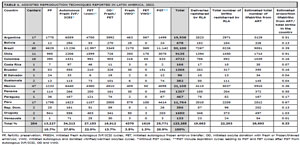
Table 1. Assisted Reproduction Techniques reported in Latin America, 2022.
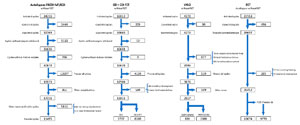
Figure 1. Events that affect the outcome of Fresh in vitro fertilization and intracytoplasmic sperm injection (IVF/ICSI), fresh and frozen oocyte donation (OD), vitrified warmed oocyte (VWO) and autologous frozen embryo transfer (FET) in Latin American ART Registry, 2022.
Utilization of assisted reproductive technology in Latin America
Utilization of ART is expressed as the total number of ART cycles performed per million inhabitants. As in previous years, calculations of ART utilization, included reported cycles plus the best estimate of non-reported cycles from countries having at least one center reporting to RLA. The magnitude of the estimates was expressed as degrees of confidence according to Dyer et al. (2019) and later applied by Zegers-Hochschild et al. (2021). As seen in Figure 2, RLA collects more than 80% of cycles performed in major contributing countries (Brazil, Mexico, Argentina, Peru, Chile, Colombia).
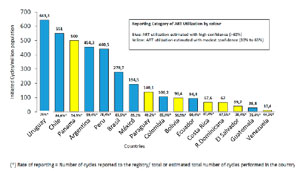
Figure 2. Utilization of assisted reproductive technology. Estimated number of initiated cycles per million inhabitants by country in Latin American ART Registry, 2022.
Age of women and number of embryos transferred
The age distribution of women treated with autologous reproduction has remained unchanged compared with our previous report. 76% of women were ≥35 years and 35.7% were ≥40 years. Despite this reproductively aging population, the mean number of embryos transferred continue to drop from 1.7 to 1.6 and the proportion of SET increased from 42.4% in 2021 to 47.3% in 2022 (data not shown). Trends in the number of embryos transferred between 1990 and 2021 can be found in Zegers-Hochschild et al. (2025).
Outcome of autologous fresh IVF and ICSI cycles according to the age of women and number of embryos transferred
In 2022, there were 34,213 fresh initiated IVF/ICSI cycles, of which 85.4% were ICSI. After discarding freeze-all cycles and other conditions resulting in no embryos for transfer, the number of transfer cycles dropped to 11,495 (Figure 1). The clinical pregnancy rates (CPR) and delivery rates (DR) per oocyte retrieval and embryo transfer, stratified by the age of women is shown in Table 2. The very low CPR (14.8%) and DR (11%) per oocyte retrieval is in part explained by 2761 aspirations with either no oocytes retrieved, or no mature oocytes apart from other complications (Figure 1). Both CPR and DR were significantly higher when transferring two compared with one embryo (both p<0.0001). Furthermore, transferring three embryos only impacted the rate of multiple births, which increased from 1.9% after SET to 20.1% and 29.6% after DET and TET, respectively (Supplementary Figure 1).
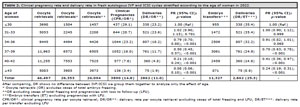
Table 2. Clinical pregnancy rate and delivery rate in fresh autologous IVF and ICSI cycles stratified according to the age of women in 2022.
Outcome of autologous IVF and ICSI after elective and non-elective SET and DET
There were 5482 fresh SET and 5423 fresh DET cycles. Each were further stratified into eSET (41.8%) and eDET (42.3%). As seen in Table 3, which includes the transfer of both cleaving embryos and blastocysts, clinical pregnancy rates and delivery rates were significantly greater after eSET than oSET (40.0% and 30.6%, compared with 19.9% and 14.2%, respectively) (PR clinical pregnancy: 1.80 [95% CI: 1.64; 1.96]; <0.001; PR delivery rate: 1.84 [95% CI: 1.65; 2.06]; <0.001). A similar and significant relationship was also established when comparing eDET and oDET (PR clinical pregnancy: 1.47 [95% CI: 1.38; 1.58]; <0.001; PR delivery rate: 1.52 [95% CI: 1.40; 1.65]; <0.001). The impact of eSET over oSET at all ages can be seen in Figure 3.
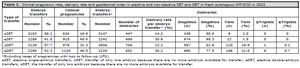
Table 3. Clinical pregnancy rate, delivery rate and gestational order in elective and non-elective SET and DET in fresh autologous IVF/ICSI in 2022.
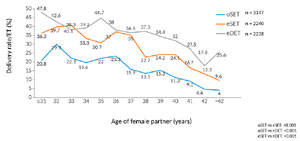
Figure 3. Delivery rate per embryo transfer (DR/ET) in autologous fresh IVF and ICSI cycles according to the age of the female partner and the number of embryos transferred in Latin American ART Registry, 2022. eSET: elective single-embryo transfers; oSET: transfer of only one embryo with no more embryos available for transfer; eDET: elective double-embryo transfers.
Influence of blastocyst over cleaving embryo transfer
The proportion of blastocyst transfers over cleaving embryos represents one of the major changes impacting reproductive outcome. Today, blastocyst transfer represents 85.3% (54,050/63,350) of all transfers, increasing again compared to 2021 (79.3%). As seen in Supplementary Figure 2, blastulation rate, or the capacity of zygotes to reach blastocyst stage (number of blastocysts transferred + blastocysts vitrified, divided by the number of zygotes generated), has improved in the last 8 years, reaching 46.7% in women ≤34 years, 43.3% in women 35-39 years and 33.9% in women ≥40 years. The number of blastocysts generated reflects reproductive efficiency and has a direct impact on the chances of birth after a fresh transfer. As seen in Figure 4, which includes 6789 blastocyst transfers in 2022, the delivery rate after a fresh transfer is significantly higher in women generating one, two or three extra blastocysts, compared with women having no blastocyst left after their fresh transfer (p=0.0001). The generation of ≥ 2 blastocysts increases the chances of birth in the fresh transfer, and also increases the cumulative chances of birth (data shown under cumulative delivery rate).
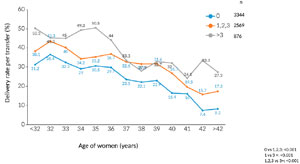
Figure 4. Delivery rate in Fresh transfers of the Latin American ART Registry in 2022 according to the age of women and the number of extra blastocysts vitrified from the same cohort. 0: no other blastocyst vitrified; 1,2,3: one to three extra blastocyst vitrified; 3+: more than 3 extra blastocysts vitrified.
Frozen embryo transfer cycles
Out of 63,350 embryo transfer cycles, 41,470 were FET cycles of which 33,262 were autologous and 8208 in OD cycles. The proportion of autologous FET over autologous Fresh IVF/ICSI transfers including PGT cases continues to increase over previous years reaching 74.2% (33,262/44,848) of transfers in 2022 (72.5% in 2021) (Zegers-Hochschild et al., 2025). In autologous cycles FET has increased from 9.1% in 1996 to 74.2% in 2022. The increasing use of this technology has contributed to a decrease in the number of embryos transferred, from a mean of 3.2 to 1.6 in the last 20 years.
Out of 16,674 autologous FET cycles, excluding PGT and freeze-all cycles (Table 4), the overall CPR, DR and multiple births per transfer were 40.3%, 30.1% and 10.9%, respectively. This better outcome in FET over fresh transfer: 33.6%, 25.3% and 13.4% (values extracted from Supplementary Figure 1) are observed with one and two embryos transferred (SET: p<0.0001; DET: p<0.0001; respectively). The better outcome of FET over fresh transfers is probably multifactorial, including better endometrial receptivity but most of all, a higher proportion of blastocyst transfer in FET (87.8%) compared with fresh (57.8%) (data not shown).
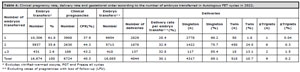
Table 4. Clinical pregnancy rate, delivery rate and gestational order according to the number of embryos transferred in Autologous FET cycles in 2022.
Freeze-all cycles
During 2022 there were 12,697 follicular aspirations leading to freeze-all autologous cycles (37.1%) (Figure 1), and 9778 autologous freeze-all transfer cycles resulting from procedures performed in 2022 and in previous years. Freeze-all autologous transfers generated 4110 clinical pregnancies and 2937 deliveries with an overall clinical pregnancy and delivery rate per transfer of 42.0 and 31.2% (Table 5). Clinical pregnancy rate but not delivery rate was significantly higher in freeze all compared with FET resulting from a previously failed fresh transfer (40.3% and 30.1%, respectively (Table 4; CPR p=0.0066; DR: p=0.0655). Nonetheless, when freeze-all cycles were compared with the elective fresh transfers of only blastocysts (Supplementary table 2), the DR after fresh eSET blastocyst (32.6%) was significantly greater than after the transfer of one embryo after a freeze-all cycles 25.2% (p<0.0001; Table 5).
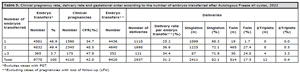
Table 5. Clinical pregnancy rate, delivery rate and gestational order according to the number of embryos transferred after Autologous Freeze all cycles, 2022
Endometrial preparation for frozen embryo transfer
Endometrial preparation for embryo transfer was compared between cycles with hormonal replacement versus ultrasound monitoring of a natural cycle. Out of 26,452 autologous FET transfers excluding PGT (Figure 1), 3747 cases (14.2%) were transferred in a monitored natural cycle and 22,705 (85.8%) after endometrial preparation with oral Estradiol and vaginal Progesterone. The mean age of women was 37.0 years in both groups, and the mean number of embryos transferred was 1.49 (SD 0.540) in monitored natural cycle and 1.46 (SD 0.565) in hormonal replacement cycle (p=0.0025). The clinical pregnancy rate and delivery rates were 40.8% (1530/3747) and 31.9% (1172/3676) in monitored natural cycles and 41.0% (9304/22,705) and 30.3% (6609/21,837) in hormonal replacement cycles. No differences were found in CPR (p=0.8176), but the DR was in the border of significance, favoring the natural cycle (p=0.0513). This difference needs to be tested in a properly randomized controlled trial.
Influence of preimplantation genetic testing (PGT) on ART outcome
In the last 6 years, the proportion of autologous aspirations with at least one mature oocyte leading to PGT increased from 11.5% in 2017 to 30.8% (13,728/44,597) in 2022 (Supplementary Figure 3). When stratified by age, the percentage of aspirations associated with PGT was 19.2% in women ≤34; 31% in women 35 to 39 years and 39% in women ≥40 years. Out of 17,017 procedures were PGT was perfomed, 13,728 were autologous fresh, 1759 were OD and 1530 resulted from VWO (Supplementary Figure 4). Furthermore, in autologous PGT transfers, 21.6% were performed in women ≤34 years, 44.1% in women 35-39 years and 34.4% in women ≥40 years (Table 6).
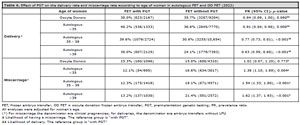
Table 6. Effect of PGT on the delivery rate and miscarriage rate according to age of women in autologous FET and OD FET (2022)
The effect of PGT on the delivery rate and miscarriage rate can be seen in Table 6. Excluding clinical pregnancies with LFU, there were 8349 FET/PGT cycles, of which 6182 transfers were from autologous cycles (74.0%) and 2167 (26.0%) from OD. Delivery rate per embryo transfer was significantly greater with PGT in all autologous age groups (p=0.008 for <35 years, p<0.001 for 35-39 years and >39 years age groups); however, it did not differ significantly for oocyte donation cycles (p=0.060). Furthermore, with PGT, there were no differences in DR/ET in autologous young and reproductively older women (< 35 versus =35 years, p=0.3892). The rate of miscarriage was significantly lower in autologous PGT cycles in all age groups (p=0.004 for <35 years, p<0.001 for 35-39 years and >39 years age groups); however, for OD cycles no difference was found (p=0.773). Therefore, even when the denominator is embryo transfer, there is no clear benefit using PGT-A in OD cycles. In spite of this, 19% of FET cycles using donated oocytes (OD) cycles included PGT.
Frequency of aneuploidy in human embryos
In 2022, a total of 43,385 blastocysts were examined for either aneuploidy or single gene defects. The technique most frequently used in Latin America is Next Generation Sequencing (NGS). The rate of aneuploidy was 48% in women<30 years; 50.9% in women 30 - 34 years; 61.2% in women 35 - 39, reaching 75.5% in women ≥40 (data not shown here). These values are very similar to our previous report of 170,242 embryos examined between 2017-2021 (Zegers-Hochschild et al., 2025).
Outcome of oocyte donation cycles
As seen in Table 1, there were 16,912 initiated cycles, representing 13.7% of all cycles performed in the region. After discarding cancellations, freeze-all cycles, PGT and other factors, there were 11,915 embryo transfers of which 3707 (31.1%) were fresh transfers while 8208 (68.9%) were frozen/thawed transfers (Figure 1).
In contrast with autologous reproduction, both delivery rates and miscarriage rates were practically unaffected by the age of oocyte recipients with a mean age of 41.9 (SD 5.67) years (Figure 5 and Table 6). Clinical pregnancy rate, delivery rate and multiple birth rates were examined in 3707 OD fresh transfer cycles, 8208 OD FET cycles and in 2077 OD fresh transfers from VWO (Supplementary Tables 3 and 4 and 5, respectively). When comparing these three modalities, there was a higher delivery rate after fresh embryo transfer (39.3%) compared with FET/OD (36.5%; p=0.0094) but not with fresh transfers of VWO/OD (37.2%; p=0.1831). Delivery rates after fresh transfer of embryos from vitrified-warmed donated oocytes (VWO/OD: 37.2%), generated similar outcome (p=0.5621) to frozen embryo transfer of oocyte donation cycles (FET/OD: 36.5%). However, delivery rate after a frozen thawed transfer, resulting from VWO (two cryopreservation processes, the oocyte and the resulting embryo) resulted in lower clinical pregnancy and delivery rates than the fresh transfer of VWO (30.3% versus 37.2%, p=0.0001).
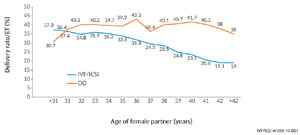
Figure 5. Delivery rate per embryo transfer (DR/ET) in fresh and frozen autologous IVF and ICSI and fresh and frozen oocyte donation (OD) cycles, excluding PGT cycles, according to the age of the female partner in Latin American ART Registry, 2022.
Cumulative delivery rate
Cumulative delivery rates were calculated in a cohort of 11,327 aspiration cycles irrespective of whether women had surplus frozen embryos for delayed transfer; and in a subgroup of 4584 aspirations where all women had at least one extra embryo frozen for future transfer; irrespective of whether they were used during 2022. For the calculation of cumulative deliveries, this group is the one that better reflects what cumulative chances are, since women that do not have frozen embryos do not have a cumulative chance of birth; their only chance is after the fresh transfer. As seen in Figure 6 (a) and (b), both the fresh and cumulative delivery rates are higher at all ages, apart from age 41 years, in women having frozen embryos for future transfer, which by that mere fact, represent a more fertile population compared to women of the same age but generating only embryos for fresh transfer.
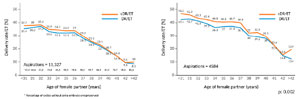
Figure 6. Cumulative delivery rate per embryo transfer (cDR/ET) in IVF and ICSI cycles according to the age of the female partner in Latin American ART Registry, 2022. Left panel: all aspirations irrespective of whether there were frozen embryos for further transfer; right panel: only aspirations with surplus frozen embryos after fresh transfer.
Perinatal outcome and preterm birth
Perinatal mortality (PNM) and preterm births (Figure 7) were calculated in 22,203 births, of which, 17,189 (77.4%) were singletons, 4820 (21.7%) twins and 194 (0.9%) triplets or more. Consistent with previous years, PNM increased from 7.5‰ in singletons to 22.8‰ in twins and 124.4‰ in triplets and more. On the other hand, preterm birth increased from 15.4% in singletons to 64.4% in twins and 93% in triplets. Also, extreme preterm births (≤32 weeks gestation) increased from 2.7% in singletons to 11.5% and 52.7% in twins and triplets, respectively. In this way, 84.6% of singletons were term births, decreasing to 35.6% in twins and only 7% in high order multiples.
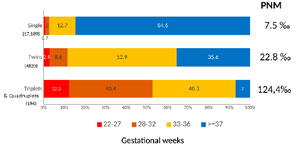
Figure 7. Data on 19,663 deliveries, perinatal mortality (PNM) and gestational age at birth in 20,203 births. Latin American ART Registry, 2022.
Fertility preservation (FP)
In the last 6 years, the number of cycles for fertility preservation have increased almost 2.7 times (Zegers-Hochschild et al., 2025). In 2022 there were 13,227 initiated cycles (Table 1) of which 12,636 had at least one mature oocyte (MII). Following similar patterns to previous years, at the time of FP, 71.5% of women were 35 years and older, and 20.5% were ≥40 years (Supplementary Table 6). The mean (± SD) number of MII oocytes vitrified in each age group showed a significant drop as age increases. Concerning reasons for FP, in 54.8% of cases the reason was fertility postponement due to non-medical reasons, while cancer was the diagnosis in only 3.7% of cases. The rest of diagnoses (41.5%) included conditions directly or indirectly associated with risks of ovarian insufficiency.
DISCUSSION
This is the 34th report on ART procedures performed in Latin America in 2022. It includes ART outcome reported by 204 certified institutions in 16 countries (Supplementary Table 1). The majority (73.7%) of the 123,265 ART cycles reported here come from Brazil (40.6%), followed by Mexico (17.1%) and Argentina (16.2%). To have the data included in the Latin American Registry, centers need to be accredited by an independent body from a different country. Many small centers in the region are not prepared or willing to open their facilities to an external certifying body and therefore do not provide data to REDLARA. An interesting example is Brazil, where only 68 out of 186 centers registered in the Brazilian national regulatory body (ANVISA) report to REDLARA; however, the number of cycles collected from reporting centers account for 98.4% of all ART cycles officially registered in Brazil. A similar situation takes place in Argentina and Colombia. These real-world data have been collected since 2009 as the first multinational registry; and has remained as a voluntary reporting program for 35 years. It started as a summary data collection system and since 2012 evolved towards a cycle-based data collection system (DCS), with a software developed by REDLARA and providing detailed information on different treatment alternatives and their outcome. It is also an invaluable source, used for the analysis of regional trends over the years.
When examining the information presented here, it is important to consider that in contrast to national registries, in this multinational registry, results reflect the realities in 16 countries with different reproductive strategies, differences in access to treatment, limitations in the number of embryos transferred, age distribution of women.
Since its start, the agreement has been that results from specific institutions are not to be disclosed. Therefore, all results presented in this report provide data on means and medians from numerous centers with highly heterogeneous results. An example of this is described in Figure 8, showing the delivery rate after the transfer of one frozen/thawed embryo (SET-FET) in women of all ages; with and without PGT. The median DR/ET was 26% without PGT and 40% with PGT. However, the mean delivery rate in centers in the 10th and 20th decile fluctuated between 13.3% and 16.6% without PGT and 19.1% and 28.6% with PGT, while a similar number of centers with results located in the highest two deciles, reported a DR per SET of 39.6% and 46.3% without PGT and 49.4% and 53.7% with PGT. These are important aspects to consider when analyzing global data. As part of the software developed by REDLARA, each center can access their own data as well as the global data from their country and from Latin America. It is therefore possible for each institution to have an external quality control in relationship to its country and region. Separating results in percentiles is yet another way to evaluate the performance of each center and how they change over the years. This is also a valuable tool for the re-accreditation process which takes place every 2 to 3 years.
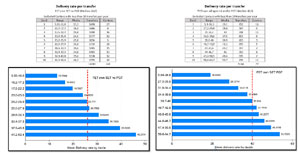
Figure 8. Variability of outcome reported by different ART centers expressed in deciles. Delivery rate per one embryo transferred (SET) in autologous FET with and without PGT. Latin American ART Registry 2022.
Perhaps one of the most important challenges faced by Latin American countries results from inequality in access to ART. The estimated mean utilization (number of ART cycles per million inhabitants) in Latin America is only 242.8 cycles per million, compared with 654 in the world, with great fluctuations, from 126 in Africa to over 3000 cycles in Japan, Australia, and a mean of 1342 cycles /million in Europe (Dyer et al., 2025). Considering only countries where most cycles (at least 75%) are reported to RLA, ART utilization fluctuates from 28.8 in Guatemala to 643.3 in Uruguay. The reason for this poor access to ART results from out-of-pocket funding as the only means to access treatment in most countries. As a result of poor access, the proportion of children born from ART is 0.33% of all births in the region; again, with huge fluctuations from 0.04% in Guatemala to 1,03% in Uruguay.
Fresh or frozen/thawed transfer?
In Latin America, the preference for frozen-thawed transfers continues to rise over fresh embryo transfer. This is strongly influenced by a more than two-fold increase in the use of PGT in the past 5 years. In 2022, FET cycles represented 74.2% of all autologous transfers; and 87.8% of these transfers were blastocysts, compared with only 57.8% in fresh transfers. This higher proportion of blastocyst transfer in FET cycles is what explains the higher delivery rate after FET without PGT (30.1%) compared with fresh transfers (25.3%) (Tables 2 and 4). However, in a subgroup of only elective fresh blastocyst transfers (fresh blastocyst eSET), the delivery rate increased to 32.6%, significantly higher than a single FET (28.4%) (p<0.0001). Furthermore, the delivery rate after the fresh transfer of a single embryo generated from vitrified warmed oocytes (in OD) was 38.0%. This high delivery rate is strongly influenced by supposedly healthy donors. It also reflects improvements in oocyte vitrification which is good news for young women wishing to preserve fertility. Lastly, when comparing delivery rates after embryo transfer in a monitored natural cycle (14.2% of all FET) and after an hormonally replaced cycle (85.8% of all FET), there were no differences in the clinical pregnancy rates, while the delivery rate per transfer was in the border of significance in favor of monitored natural cycle. This difference follows similar results to those reported in a well-designed study by Jin et al. (2021) and confirmed in a randomize controlled trial published by Liu et al. (2025).
Preimplantation genetic testing (PGT)
PGT was performed in 30.8% (13,728/44,598) of all autologous aspirations with at least one mature oocyte and 15.6% (2209/14,124) of oocyte donation cycles (Figure 1 and Supplementary Figure 4). This represents more than twofold increase of PGT in autologous cycles in only 5 years (Supplementary Figure 3). Data shows that the selective transfer of euploid embryos increased the chances of births; mainly because embryos not reaching blastocysts or being aneuploid were discarded from the denominator; as well as embryos not surviving biopsy or thawing/warming. Despite all these advantages of using transfers instead of aspirations in the denominator, the use of PGT in embryos generated by oocyte donors is not justified. In our previous publication we showed that the frequency of aneuploidy was much higher in embryos from young infertile couples than in embryos generated by oocyte donors of similar age (Zegers-Hochschild et al., 2025). This is confirmed in this report where PGT in embryos generated by oocyte donors did not improve the chances of birth; while PGT performed in women <35 years, improve delivery rate and decreased miscarriage rate (Table 6).
The Latin American Registry of ART acknowledges the immense effort and perseverance of more than 200 centers which year after year, voluntarily share their results to this regional registry. We wish to express our deepest gratitude to Ferring Pharma for their long term support of our registry. Furthermore, for the first time, REDLARA together with the University Diego Portales in Santiago, Chile have used this robust database to develop an educational portal for the education and empowerment of patients and to facilitate the interaction with their reproductive health care providers. This educational portal in Spanish, English and Portuguese can be accessed at: www.redlara.org
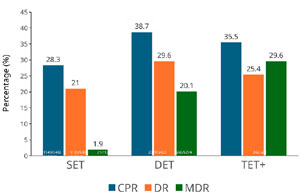
Supplementary Figure 1. Clinical pregnancy rate (CPR), delivery rate (DR) and multiple delivery rate (MDR) per embryo transfer in autologous fresh IVF and ICSI cycles according to the number of embryos transferred in Latin American ART Registry, 2022. SET: single embryo transfer. DET: double embryo transfer: TET+: three or more embryos transferred.
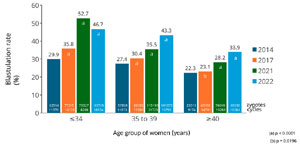
Supplementary Figure 2. Blastulation rate (# transferred blastocysts + # vitrified blastocysts / # zygotes) according to women’s age group between 2014 and 2022. Latin American ART Registry 2014, 2017, 2021 and 2022. Letters ‘a’ and ‘b’ indicate significant differences versus 2014.
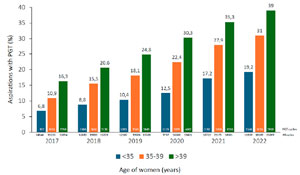
Supplementary Figure 3. Six years trend on the use of PGT in different age groups for autologous cycles. Latin American ART Registry 2017-2022.
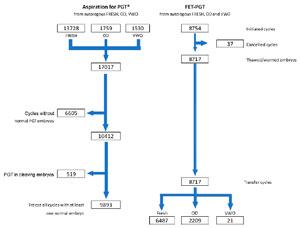
Supplementary Figure 4. Events that affect the outcome of PGT cases. * Includes aspirations from autologous and oocyte donation (OD) cycles as well as vitrified/warmed oocytes (VWO) in Latin American ART Registry, 2022.
Supplementary Table 1. 204 centers in 16 countries
ARGENTINA
Servicio de Medicina Reproductiva, Instituto Gamma
Centro de Estudios en Ginecología y Reproducción (CEGYR)
Centro Integral de Ginecología, Obstetricia y Reproducción (CIGOR)
Centro de Medicina Reproductiva Bariloche , Fertility Patagonia
Centro de Estudios en Reproducción y Procedimientos de Fertilización Asistida (CRECER)
FERTILAB
Fertilis Medicina Reproductiva
Fertya
FECUNDART
Centro de Reproducción, servicio de Ginecología Hospital ItalianoNascentis, Medicina Reproductiva
HALITUS, Instituto Médico
PREGNA, Medicina Reproductiva
Programa de asistencia reproductiva PROAR
PROCREARTE
SARESA, Salud reproductiva Salta
VITAE, Medicina Reproductiva
BOLIVIA
CENALFES
Instituto de Salud Reproductiva (ISARE)
EMBRIOVID, sede la PAZ
EMBRIOVID, sede Santa Cruz de la Sierra
BRAZIL
ANDROLAB, Clínica y Laboratorio de Reproducción Humana y Andrología
ANDROFERT, Centro de Referencia en Reproducción Masculina
FERTIVITRO, Centro de Reproducción Humana
BIOS, Centro de Medicina Reproductiva
FIV-MED
Centro de Medicina da reproduçao
VIDA, Centro de Fertilidad
Clínica FERTWAY
Nascer-Medicina Reprodutiva Ltda.
ORIGINARE, Centro de Reproducción Humana
CLINIFERT, Centro de Reproducción Humana
CONCEPTUS, Centro de Reproducción Asistida de Ceara
CONCEBER, Centro de Reproducción Humana
Clínica Origen
Clínica Pro-Gerar
Centro de Reproducción Humana CONCEPTION
Centro de Reproducción Humana MONTELEONE
Centro de reproduçao humana Wahib Hassan
Fértile Diagnósticos
CEERH, Centro especializado en Reproducción HumanaEmbrios, centro de reproducción humana
EMBRYOLIFE, Instituto de Medicina Reproductiva
CENAFERT, Centro de Medicina Reproductiva
Instituto VERHUM
Clínica FERTIBABY BH
Huntington Brasilia
FECUNDA, Reproducción Humana
FELICCITA, Instituto de Fertilidad Ltda.
HUMANA, Medicina Reproductiva
FertLiv
FERTILITY, Centro de Fertilizaçao Asistida
FERTIL Reproduçao Humana
REPROFERTY
FERTICLIN, Clínica de Fertilidad Humana
LabFIV Reproduçao asistida
Genesis Instituto de reproducción humana de Cascavel PR
GENESIS, Centro de Assistencia en Reproduçao Humana
Genics, medicina reproductiva y genómica
FERTIPRAXIS
GERA, Grupo de endoscopia y Reproducción Asistida
Generar-Reproduçao humana
Clinica GERAR VIDA
Cegonha Medicina Reproductiva
Hospital de Clínicas de Riberao Preto
HUNTINGTON, Centro de Medicina Reproductiva Ibirapuera
JULES WHITE, Centro de Medicina Reproductiva
HUNTINGTON Vila Mariana
Ideia Fertil, Santo André
Ideia Fertil, Sao Paulo
IMR, Instituto de Medicina Reproductiva e FetalInsemine , Centro de Reproducción Humana
Centro de Reproducción Humana Santa Johana
Lab For Life Centro de Medicina Reprodutiva
Life reproducción humana
FERTILITAT, Centro de Medicina Reproductiva
Clínica Nidus
Centro de Pesquisa e Reproduçao Humana Nilo Frantz, Porto Alegre
Origen, Centro de Medidicina Reproductiva BH
Procriar, Centro de Medicina Reproductiva y diagnósticos Ltda., Blumenau
Clínica PRO-CRIAR, Medicina Reproductiva BH
Clínica PRO NASCER
Clinica ProSer
Centro de Reproducción Humana De San Jose de Rio Preto
Clinica Reproduce
Centro de fertilidad do Hospital Moinhos de vento
GENESIS, Centro de Reproducción Humana
Centro de Reprodução Humana Prof. Franco Junior
Centro de Ensino y Pesquisa en Reproducción Asistida (CEPRA)
CHILE
UMR Clínica de la Mujer Antofagasta
Centro de Estudios Reproductivos (CER)
Unidad de Medicina Reproductiva, Clínica Alemana
Unidad de Medicina Reproductiva, Clínica las Condes
Unidad de Medicina Reproductiva, Clínica de la Mujer
UMR clínica Indisa
Programa de Fertilización Asistida I.D.I.M.I.
Clínica Monteblanco
Instituto de Medicina Reproductiva Concepción S.A.
Centro de reproducción humana, Valparaíso
SG Fertility Chile
COLOMBIA
Centro FECUNDAR, Cali
Unidad de fertilidad del Coutry ltda. CONCEPTUM
Fertility Care Clinica de Fertilidad
Asociados en Fertilidad y Reproducción Humana
Clínica de la mujer
Clínica Eugin
FERTIVIDA
Clínica Machicado SAS
Centro Médico IMBANACO
Instituto de Fertilidad Humana S.A.S. (INSER Bogotá)
IN SER, Instituto Antioqueño de Reproducción (Medellín)
NOVAFEM
Procrear
Profamilia Fertilidad
Unidad de Fertilidad, Procreación Medicamente Asistida
Unión temporal IN SER eje cafetero (Pereira)
COSTA RICA
Azul Fertility expert
ECUADOR
Biogepa-Centro de Reproducción Humana
Centro Ecuatoriano de Reproducción Humana
FertyINFES
Instituto Nacional de Investigación de Fertilidad y Esterilidad (INNAIFEST)
FERTIMEDEX
CONCEBIR, Unidad de Fertilidad
Provida Nacer Reproducción humana
Unidad fr Fertilidad Drs. Valdivieso
EL SALVADOR
Latid Fertility Center
GUATEMALA
Centro de Reproducción Humana S.A. (CER)
Centro Clínico Gestar
MEXICO
Biofertility Center
Centro de Diagnóstico Ginecológico
Clínica CERH
Dr. Cigüeña
URA, Unidad de reproducción asistida de Hospital CIMA Hermosillo
Centro de Cirugía Reproductiva y Ginecología, Unidad de Fertilización In Vitro (REPROGYN)
Instituto de Innovación Tecnológica y Medicina Reproductiva CITMER (Ciudad de México)
Centro de Innovación tecnológica y medicina Reproductiva (Monterrey)
Citmer-Centro de innovación tecnológica y medicina reproductiva Puebla
Instituto para el estudio de la Concepción Humana IECH
Centro de Reproducción Asistida del Hospital Español (HISPAREP)
Centro de Reproducción Asistida de Saltillo
CREASIS SC
Centro Universitario de Medicina Reproductiva
Eligen Fertility CenterFertilidad Integral
Fertility Center Cancún
Fertilita Medicina Reproductiva, Laboratorio in vitro
Centro de Medicina reproductiva Filius
Genesis Centro de Fertilidad (Culiacán)
Ginecología y Reproducción Asistida GYRA
Unidad de Medicina Reproductiva del Hospital Ángeles del Pedregal
IECH de Baja California
Instituto Mexicano de Alta Tecnología Reproductiva S.C. (INMATER)
Concibo
Instituto Médico de la mujer (RED CREA)
Instituto VIDA Guadalajara-Instituto de Ciencias en Reproducción Humana
Instituto de Ciencias en Reproducción Humana, VIDA sede Matamoros
Centro especializado para la atención de la mujer (CEPAM)
INGENES DF
INGENES Guadalajara
INICIAR
Ingenes Monterrey
Instituto de Ciencias en Reproducción Humana (VIDA), sede León
MasFertil
Instituto de ciencias en reproducción humana del Sureste (Vida Mérida)
Clínica Nascere
Centro Origen, Mérida
Plenus, Reproducción Asistida
PROGEN
Clínica de Infertilidad y reproducción asistida de Toluca SA de CV
Centro especializado en esterilidad y reproducción humana SC
UNILIVE
ViaFERT
Instituto de Ciencias en reproducción humana VIDA, ciudad de México.
Centro CARE
Vida, Instituto de Reproducción Humana del Noroeste, Tijuana
PANAMA
IVI Panamá S.A.
Panamá Fertility Clinic
Instituto de salud femenina
FERTICLINIC
PARAGUAY
Neolife, Medicina y cirugía reproductiva
PERU
UMR Clinica Delgado Auna
Clínica CEFRA, Centro de Fertilidad y Reproducción Asistida
CEFERGIN
CERAS
Centro de Fertilidad y Ginecología del Sur (CFGS)
Clínica de fertilidad del norte, Clinifer de Chiclayo
EmbryoFertility Biomedicicna Reproductiva
FERTILITA
FERTILAB
Centro de Fertilidad Germinar
Inmater, Clinica de fertilidad y reproducción asistida
Instituto de Reproducción de la Clínica Ricardo Palma
Clínica Miraflores, Instituto de Ginecología y Fertilidad
Nacer, Centro de Reproducción Humana de Lima
NiuVida
Grupo Pranor San Isidro, Clínica CONCEBIR
Grupo Pranor, Instituto de Ginecología y Reproducción Monterrico
REPUBLICA DOMINICANA
Instituto de reproducción y ginecología del Cibao - IREGCI
Programa de fertilización asistida y medicina perinatal - PROFERT
URUGUAY
Centro de Esterilidad Montevideo (CEM)
Centro de Reproducción Humana del Interior
VENEZUELA
FERTILAB
Avila FIV
Instituto Venezolano de fertilidad.
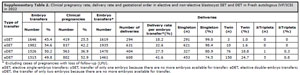
Supplementary Table 2. Clinical pregnancy rate, delivery rate and gestational order in elective and non-elective blastocyst SET and DET in Fresh autologous IVF/ICSI in 2022
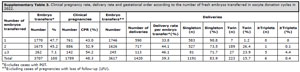
Supplementary Table 3. Clinical pregnancy rate, delivery rate and gestational order according to the number of fresh embryos transferred in oocyte donation cycles in 2022.
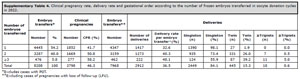
Supplementary Table 4. Clinical pregnancy rate, delivery rate and gestational order according to the number of frozen embryos transferred in oocyte donation cycles in 2022.
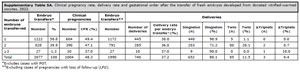
Supplementary Table 5A. Clinical pregnancy rate, delivery rate and gestational order after the transfer of fresh embryos developed from donated vitrified-warmed oocytes, 2022.

Supplementary Table 5B. Clinical pregnancy rate, delivery rate and gestational order after the transfer of cryopreserved embryos developed from donated vitrified-warmed oocytes, 2022.
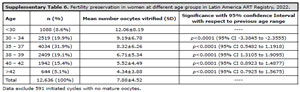
Supplementary Table 6. Fertility preservation in women at different age groups in Latin America ART Registry, 2022.
REFERENCES
Dyer S, Chambers GM, Jwa SC, Baker VL, Banker M, de Mouzon J, Elgindy E, Fu B, Ishihara O, Kupka MS, Zegers- Hochschild F, Adamson GD. International Committee for Monitoring Assisted Reproductive Technologies world report: assisted reproductive technology, 2019. Fertil Steril. 2025;124:679-93. PMID: 40513636 DOI: 10.1016/j.fertnstert.2025.06.003 Medline
Grant RL. Converting an odds ratio to a range of plausible relative risks for better communication of research findings. BMJ. 2014;348:f7450. PMID: 24464277 DOI: 10.1136/bmj.f7450 Medline
Jin Z, Shi H, Bu Z, Guo Y, Su Y, Song H, Huo M, Yang E, Li J, Zhang Y. Live birth rates after natural cycle versus hormone replacement therapy for single euploid blastocyst transfers: a retrospective cohort study. Reprod Biomed Online. 2021;43:1002-10. PMID: 34740515 DOI: 10.1016/j.rbmo.2021.09.003 Medline
Liu X, Li W, Wen W, Wang T, Wang T, Sun T, Zhang N, Pan D, Xie J, Liu X, Cai H, Li X, Shi Z, Wang R, Lu N, Bai H, Pan R, Tian L, Meng B, Mu X, et al. Natural cycle versus hormone replacement therapy as endometrial preparation in ovulatory women undergoing frozen-thawed embryo transfer: The COMPETE open-label randomized controlled trial. PLoS Med. 2025;22:e1004630. PMID: 40561125 DOI: 10.1371/journal.pmed.1004630 Medline
Zegers-Hochschild F, Adamson GD, Dyer S, Racowsky C, de Mouzon J, Sokol R, Rienzi L, Sunde A, Schmidt L, Cooke ID, Simpson JL, van der Poel S. The International Glossary on Infertility and Fertility Care, 2017. Hum Reprod. 2017;32:1786-801. PMID: 29117321 DOI: 10.1093/humrep/dex234 Medline
Zegers-Hochschild F, Crosby JA, Musri C, Petermann-Rocha F, Martinez G, Nakagawa H, Morente C, Roque A, Palma-Govea A. Assisted Reproductive Technologies in Latin America: the Latin American Registry, 2021. JBRA Assist Reprod. 2025;29:167-90. PMID: 40073223 DOI: 10.5935/1518-0557.20240107 Medline
Zegers-Hochschild F, Crosby JA, Musri C, Souza MDCB, Martinez AG, Silva AA, Mojarra JM, Masoli D, Posada N. Assisted reproductive techniques in Latin America: The Latin American Registry, 2017. JBRA Assist Reprod. 2020;24:362-78. PMID: 32463626 DOI: 10.5935/1518-0557.20200029 Medline
Zegers-Hochschild F, Crosby JA, Musri C, Souza MDCB, Martínez AG, Silva AA, Mojarra JM, Masoli D, Posada N. Celebrating 30 years of ART in Latin America; and the 2018 report. JBRA Assist Reprod. 2021;25:617-39. PMID: 34608795 DOI: 10.5935/1518-0557.20210055 Medline