JBRA Assist. Reprod. 2026 2026;00(0):00-00
ORIGINAL ARTICLE
doi: 10.5935/1518-0557.20260052
Patterns of Use of Follitropin Delta in Brazilian Assisted Reproduction: Results of the Multicenter PURO Real World Study
1Originare - Medicina Reprodutiva, São Paulo, SP, Brazil
2Fertipraxis - Centro de Reprodução Humana / Eugin Group, Rio de Janeiro, RJ, Brazil
3Fertility Medical Group / FertGroup Medicina Reprodutiva, São Paulo, SP, Brazil
4Instituto Ideia Fértil de Saúde Reprodutiva - Santo André, SP, Brazil
5Vida Bem Vinda - Medicina Reprodutiva/ FertGroup Medicina Reprodutiva, São Paulo, SP, Brazil
CONFLICT OF INTEREST
ABSTRACT
Objective: To characterize prescription patterns, dosing, ovarian response, and reproductive outcomes associated with follitropin delta in routine Brazilian assisted reproduction practice
Methods: This multicenter retrospective cohort study included five private IVF centers in Brazil. A total of 2,284 women aged 18-47 years treated with follitropin delta between April 2018 and December 2023 were included. Controlled ovarian stimulation was administered as monotherapy or in combination with other gonadotropins. Starting doses were determined using an AMH/weight-based algorithm or physician discretion. Outcomes assessed included protocol distribution, follitropin delta dosing, oocyte yield, number of blastocyst, ongoing pregnancy rate, and severe OHSS incidence
Results: Protocol distribution was: algorithm-guided monotherapy, 1.9%; empirical monotherapy, 14.8%; delta plus menotropin, 75.2%; delta plus rFSH/LH, 5.0%; other combinations, 3.1%. Pituitary suppression was mainly achieved with GnRH antagonist (50.7%) or PPOS (43.4%). Final oocyte maturation was triggered with GnRH agonist (47.8%), hCG (10.9%), or dual trigger (41.3%). Among patients, 1,448 (63.4%) underwent autologous IVF/ICSI cycles, 705 (30.9%) oocyte cryopreservation, and 131 (5.7%) oocyte donation cycles. Overall, 2163 patients underwent oocyte pick-up with a mean±SD of 12.9±9.5 oocytes retrieved. Among IVF patients, 715 underwent at least one embryo transfer. Ongoing pregnancy rates across the first to fourth transfers were 50.3%, 42.4%, 24.5%, and 56.3%, respectively. Severe OHSS occurred in 0.14% of IVF patients.
Conclusions: Follitropin delta was predominantly used in combination with menotropin and was associated with robust oocyte yield, favorable ongoing pregnancy rates, and low severe OHSS incidence, supporting its feasibility and safety in routine clinical practice.
INTRODUCTION
Controlled ovarian stimulation (COS) is fundamental to contemporary in vitro fertilization (IVF), aiming to retrieve an adequate cohort of mature oocytes while minimizing complications such as ovarian hyperstimulation syndrome (OHSS) and surplus embryos, thereby maximizing the probability of at least one live-born child per initiated treatment cycle (Fanton et al., 2023).
One of the key strategies proposed to optimize these outcomes is the individualization of gonadotropin dosing during COS. Several publications, including international guidelines, have addressed this matter by recommending different gonadotropin dosages according to distinct ovarian-reserve biomarkers, such as follicle stimulating hormone (FSH), anti-Müllerian hormone (AMH) and antral-follicle count (AFC), as well as patient age and weight (La Marca & Sunkara, 2014; The ESHRE Guideline Group on Ovarian Stimulation et al., 2020). However, until the release of the follitropin delta algorithm, the only gonadotropin specific validated algorithm took into consideration only patient weight (La Marca et al., 2012; Papaleo et al., 2016).
Follitropin delta is the first human-derived recombinant FSH, expressed from a cell line of human fetal retinal origin (PER.C6). Its unique glycosylation pattern reduces clearance and enhances ovarian response compared with conventional rFSH at equivalent biological doses (in IU) (Olsson et al., 2014). Its development introduced a microgram based algorithm that integrated body weight and AMH to individualize the daily dose; the pivotal ESTHER trial showed noninferior live-birth rates and a reduced incidence of moderate/severe OHSS compared with standardized follitropin alfa dosages (Nyboe Andersen et al., 2017). Subsequent systematic reviews have reported algorithm-driven benefits across diverse patient phenotypes (Nelson et al., 2024; Palomba et al., 2024).
This was the first ever developed algorithm to a specific gonadotropin, targeting a defined ovarian response of 8 to 14 retrieved oocytes to maximize chances of a live-birth and minimize the risks of OHSS in a fresh embryo transfer scenario (Nyboe Andersen et al., 2017). However, current clinical practice increasingly targets larger oocyte cohorts. Driven by universal freeze all strategies, pre implantation genetic testing, elective oocyte cryopreservation and strategies that mitigate the risks of OHSS, such as GnRH agonist trigger and refraining from fresh embryo transfers (Mourad et al., 2017).
Supporting this clinical shift, large registry analyses suggest a positive but plateauing relationship between oocyte yield and cumulative live birth rates, suggesting that retrieval of 21-25 oocytes may optimize efficiency and reduce the need for repeated cycles (Lobo et al., 2025). Economic models further suggest that obtaining an adequate oocyte yield within a single stimulation cycle-the so-called “one-and-done” approach-may reduce physical, emotional, and financial burden (Huttler et al., 2026).
However, even though European real-world evidence-most notably the prospective PROFILE study-has supported the effectiveness and safety of follitropin delta, 94.5% of the subjects in that study used the originally proposed follitropin delta algorithm (Blockeel et al., 2022). Besides that, Latin American data on follitropin delta use remain limited. Therefore, the Patterns of Utilization of Rekovelle® - an Observational Study (PURO) was conceived to evaluate prescription patterns, algorithm adherence, ovarian response, and early clinical and safety outcomes associated with follitropin delta in routine clinical practice in Brazil.
MATERIALS AND METHODS
Study design and ethical compliance
The Patterns of Utilization of Rekovelle® - an Observational Study (PURO) is a nationwide, multicenter, retrospective, observational cohort study performed in five Brazilian private assisted reproduction centers with extensive experience prescribing follitropin delta. The participating centers were selected through a joint decision between the principal investigators and the study sponsor (Ferring Pharmaceuticals), based on their extensive prior clinical experience with follitropin delta and their ability to provide high-quality standardized data, including previous participation in clinical or observational studies involving this medication. The protocol was reviewed and approved by the Brazilian National Research Ethics Committee via Plataforma Brazil (CAAE 81119424.0.1001.5474). Given the retrospective nature of the study and the exclusive use of anonymized medical-record data, the requirement for written informed consent was formally waived.
Study period and participants
Women aged 18-47 years who underwent COS with follitropin delta-administered either as monotherapy or in combination with other gonadotropins-between April 1, 2018, and December 31, 2023, were eligible for inclusion. Autologous IVF/ICSI, elective oocyte cryopreservation, and oocyte-donation cycles were included. Exclusion criteria comprised: (i) COS performed for intrauterine insemination, (ii) assisted reproduction treatment cycles in which ovarian stimulation was performed without follitropin delta, and (iii) unavailability of primary-outcome data.
Data collection
Baseline data-including age, body weight, height, infertility factor, serum AMH concentration and COS characteristics-were extracted from electronic medical records and entered a standardized Google Sheets workbook containing 276 predefined fields. Investigators subsequently recorded embryology parameters and embryo transfer outcomes for all fresh and subsequent frozen thawed transfers derived from the index stimulation, as described below.
Treatment protocols
Stimulation commenced in the follicular or luteal phase, with or without priming (combined oral contraceptive, estradiol, or progesterone), according to local practice. The starting follitropin delta dose was calculated using the approved AMH/weight algorithm or assigned at the physician’s discretion. Cycles were stratified as follows:
1. Protocol 1: Algorithm-based follitropin delta monotherapy (Rekovelle® [follitropin delta], Ferring Pharmaceuticals, Ravensburg, Germany).Pituitary suppression used either a long GnRH-agonist protocol (triptorelin acetate, Gonapeptyl Daily®, Ferring GmbH, Kiel, Germany), a daily GnRH-antagonist protocol (cetrorelix acetate, Cetrotide® 0.25 mg, Pierre Fabre Medicament Production, Idron, France; or ganirelix acetate, Orgalutran® 0.25 mg, Vetter Pharma-Fertigung GmbH & Co. KG, Ravensburg, Germany), or progestin-primed ovarian stimulation (PPOS) (dydrogesterone, Duphaston®, Abbott Biologicals B.V., Olst, Netherlands). Final oocyte maturation was triggered 34-36 h before retrieval with a GnRH agonist (triptorelin acetate, Gonapeptyl Daily®, Ferring GmbH, Kiel, Germany), recombinant hCG 250 µg (choriogonadotropin alfa, Ovidrel® 250 µg, Merck Serono S.p.A., Bari, Italy), chorionic gonadotropin (Choriomon®, IBSA Institut Biochimique S.A., Lamone, Switzerland), or dual trigger (agonist + hCG). In cycles with ≥15 follicles ≥11 mm, OHSS prophylaxis consisted of agonist trigger and elective freeze-all.
2. Protocol 2: Follitropin delta monotherapy without algorithm calculation.
3. Protocol 3: Follitropin delta plus highly purified human menopausal gonadotropin (HP-hMG) (Menopur® MD [menotropin], Ferring Pharmaceuticals, Kiel, Germany; Menopur® 75 IU [menotropin], lyophilized powder: Ferring Pharmaceuticals, Kiel, Germany; diluent: Ferring Pharmaceuticals, Zhongshan City, Guangdong Province, China).
4. Protocol 4: Follitropin delta plus recombinant FSH/LH (Pergoveris®, Merck Serono S.A., Aubonne, Switzerland).
5. Protocol 5: Other combinations or deviations.
Outcomes
The primary outcomes were: starting dose, total gonadotropin dose, stimulation duration, algorithm utilization, and protocol deviations.The secondary outcomes were: total and mature oocytes, cycle cancellation, trigger type, number of total and euploid blastocysts, and ongoing pregnancy (defined as a detectable fetal heartbeat beyond 12 completed weeks of gestation).
Statistical analysis
This was a retrospective observational study with no prespecified sample size calculation; all eligible cycles from the study period were included. Statistical analysis was restricted to the first follitropin delta cycle of patients. Data are reported descriptively: continuous variables are presented as means±standard deviations (SD) or medians with interquartile ranges (IQR), and categorical variables are presented as absolute counts and percentages. No formal statistical comparisons between groups were performed, as the study aim was to provide a descriptive overview of real-world practice patterns and outcomes. Analyses were performed using IBM SPSS Statistics version 21 (IBM Corp., Armonk, NY, USA).
RESULTS
Baseline characteristics
Between 2018 and 2023, a total of 2,284 women underwent 2,872 assisted reproduction cycles across the five participating centers (mean: 1.26 cycles per patient). The use of follitropin delta increased steadily over this period, from 26 cycles in 2018 to 878 cycles in 2023 (Figure 1). Regarding the distribution of cases by site, 54.8% were conducted at center A, while the remaining centers accounted for 19.2%, 14.8%, 8.1%, and 3.1% of the cycles, respectively (Figure 2). The mean age and body weight were 36.2 ± 4.3 years and 64.7 ± 11.1 kg, respectively, while the mean serum AMH concentration was 2.3 ± 2.5 ng /mL (data available for 1,687 women). Most cycles (79.5 %; 2,284/2,872) represented first time use of follitropin delta, with the remaining 20.5 % (588/2,872) corresponding to repeated stimulations.
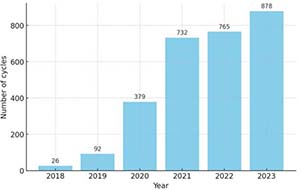
Figure 1. Number of cycles per year
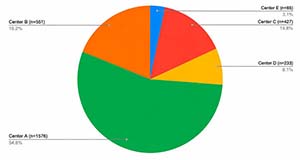
Figure 2. PURO Study - Distribution of IVF Cycles by Center
Among first-time follitropin delta users (n=2,284), 1,448 (63.4%) were autologous IVF/ICSI cycles, 705 (30.9%) involved oocyte cryopreservation, and 131 (5.7%) were oocyte-donation cycles. Baseline characteristics are shown in Table 1.
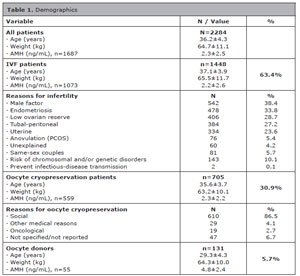
Table 1. Demographics
*Categories are not mutually exclusive; patients may present more than one infertility factor
Stimulation protocol and follitropin delta dosing
Tables 2 and 3 provide a summary of follitropin delta utilization patterns across different treatment types and stimulation protocols. Among the 2,284 first-time follitropin delta cycles, the approved AMH/weight-based algorithm was applied to determine the starting dose in only 43 cycles (1.9%; Protocol 1), whereas 98.1% (2,241) used alternative regimens: monotherapy without algorithm calculation (Protocol 2, 338 cycles; 14.8%), follitropin delta plus menotropin (Protocol 3, 1,719 cycles; 75.3%), follitropin delta plus recombinant FSH/LH (Protocol 4, 114 cycles; 5.0%), and other combinations (Protocol 5, 70 cycles; 3.1%). The characteristics of ovarian stimulation protocols are summarized in table 2.
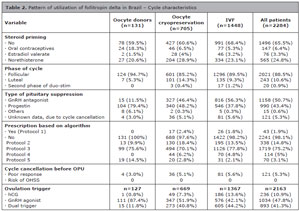
Table 2. Pattern of utilization of follitropin delta in Brazil - Cycle characteristics
Data are presented as mean±standard deviation (SD).Protocol 1 (algorithm)Protocol 2 (non-algorithm monotherapy)Protocol 3 (delta + hMG)Protocol 4 (delta + rFSH/LH)Protocol 5 (others)
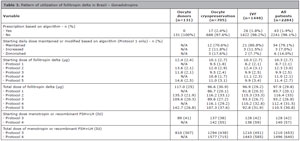
Table 3. Pattern of utilization of follitropin delta in Brazil - Gonadotropins
Protocol 4 (delta + rFSH/LH)Protocol 5 (others)N/A: Not applicable (None of the oocyte-donor patients underwent treatment with Protocol 1 or Protocol 4).
Oocyte retrieval
Among the overall study population, 2,163 women (94.7 %) underwent oocyte pick up (OPU), with a mean ± SD of 12.9 ± 9.5 oocytes retrieved and 9.7 ± 7.3 mature (MII) oocytes. Table 4 shows the cycle and laboratory outcomes according to stimulation protocol and overall IVF cohort. In autologous IVF cycles (n = 1,448) the corresponding means were 11.7 ± 8.4 total and 8.8 ± 6.5 MII oocytes.
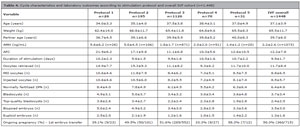
Table 4. Cycle characteristics and laboratory outcomes according to stimulation protocol and overall IVF cohort (n=1,448)
Data are presented as mean±standard deviation (SD).
Protocol 1 (algorithm)
Protocol 2 (non-algorithm monotherapy)
Protocol 3 (delta + hMG)
Protocol 4 (delta + rFSH/LH)
Protocol 5 (others)
AMH = anti-Müllerian hormone
AFC = antral follicle count
MII = metaphase II oocytes
2PN = two pronuclei
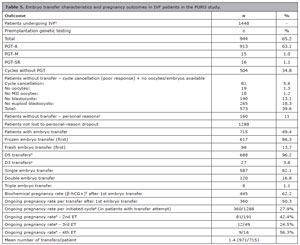
Table 5. Embryo transfer characteristics and pregnancy outcomes in IVF patients in the PURO study.
*Data are presented as numbers (percentage).
1 IVF = in vitro fertilization
2 Patients without transfer - personal reasons: patients who had embryo(s) available for transfer but did not return to undergo embryo transfer before the end of the study’s data collection period.
3 D5 = day 5 embryo transfer
4 D3 = day 3 embryo transfer
5 β-hCG = beta human chorionic gonadotropin.
6 Ongoing pregnancy was defined as a detectable fetal heartbeat beyond 12 completed weeks of gestation
Embryo development
Among the 1,448 women who initiated autologous IVF/ICSI, 1,367 proceeded to oocyte pick-up. Among IVF patients, those in Protocol 1 (algorithm) had a mean age of 34.0±3.3 years, AMH 5.6±6.2 ng/mL, 14.9±7.7 oocytes, 4.9±3.1 blastocysts, 3.8±2.6 top-quality blastocysts, and 2.5±2.0 euploid embryos. In Protocol 2 (non-algorithm monotherapy), mean age was 35.1±4.0 years and AMH was 5.0±4.5 ng/mL, with 15.3±9.3 oocytes, 5.0±3.7 blastocysts, 3.4±2.7 top-quality blastocysts, and 2.1±1.9 euploid embryos. Protocol 3 (delta + hMG) showed a mean age of 37.5±3.8 years, AMH 1.8±1.7 ng/mL, 11.1±8.2 oocytes, 3.4±3.2 blastocysts, 2.2±2.4 top-quality blastocysts, and 1.2±1.6 euploid embryos. In Protocol 4 (delta + rFSH/LH), mean age was 38.4±3.1 years and AMH was 2.0±2.0 ng/mL, with 9.3±6.2 oocytes, 3.0±3.4 blastocysts, 2.3±2.8 top-quality blastocysts, and 1.0±1.5 euploid embryos. Protocol 5 (other regimens) had a mean age of 37.0±4.9 years, AMH 1.4±1.2 ng/mL, 11.7±10.0 oocytes, 3.6±4.8 blastocysts, 1.9±2.8 top-quality blastocysts, and 1.4±2.2 euploid embryos. Table 4 shows results in patients submitted to IVF.
Embryo transfer and pregnancy outcomes
Among the 1,448 IVF patients included in PURO, 715 (49.4%) underwent embryo transfer. A substantial proportion of patients (39.6%, n=573) did not reach transfer, mainly due to poor ovarian response or lack of available oocytes/embryos, and 160 did not return for embryo transfer for personal reasons. (Table 5).
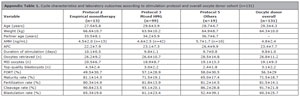
Appendix Table 1. Cycle characteristics and laboratory outcomes according to stimulation protocol and overall oocyte donor cohort (n=131)
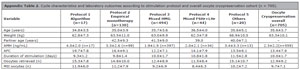
Appendix Table 2. Cycle characteristics and laboratory outcomes according to stimulation protocol and overall oocyte cryopreservation cohort (n = 705).
Data are presented as mean±standard deviation (SD).
Protocol 1 (algorithm)
Protocol 2 (non-algorithm monotherapy)
Protocol 3 (delta + hMG)
Protocol 4 (delta + rFSH/LH)
Protocol 5 (others)
AMH = anti-Müllerian hormone
AFC = antral follicle count
MII = metaphase II oocytes
2PN = two pronuclei
Safety outcomes
Of the 2,284 women who initiated ovarian stimulation, 2,163 (94.7%) proceeded to oocyte pick-up. Among the 2,163 patients who underwent oocyte pick-up, preventive strategies to reduce the risk of ovarian hyperstimulation syndrome (including GnRH agonist trigger, cabergoline administration, and a freeze-all policy) were employed in 696 patients (32.2%). Severe OHSS was recorded in four patients (0.2 %). Considering only the 1,448 patients undergoing IVF, preventive measures to reduce the risk of OHSS were implemented in 25.5% (n=370) and the prevalence of severe OHSS requiring hospitalization was 0.14% (n=2).
DISCUSSION
The PURO study represents the first multicenter, real-world Brazilian cohort to comprehensively characterize follitropin delta utilization patterns, ovarian response, and laboratory, clinical, and safety outcomes. By including both treatment-naïve and previously stimulated women, this analysis reflects the heterogeneity of routine clinical practice and complements existing real-world evidence, such as the PROFILE and DELTA studies (Blockeel et al., 2022; Porcu-Buisson et al., 2024).
This study reflects a real-world evidence (RWE) setting, in which patients across a broad reproductive age range were included, consistent with routine clinical practice in private assisted reproduction centers. Although women up to 47 years of age were eligible, the mean age of the cohort was considerably lower, suggesting that the overall outcomes were primarily influenced by younger patients. While this approach enhances the external validity and generalizability of the findings, the inherent age heterogeneity should be considered when interpreting the results and represents a limitation of the study.
Sex steroid pretreatment was common in PURO, being used in 34.5 % of cycles (combined oral contraceptives 6.4 %, oral estradiol valerate 3.3 %, and norethisterone 24.7 %). Notably, the PROFILE and DELTA real world cohorts did not report steroid priming prevalence, precluding direct comparison (Blockeel et al., 2022; Porcu-Buisson et al., 2024). The high rate observed in PURO likely reflects local scheduling logistics and physicians’ preferences.
Use of the approved AMH/weight algorithm was uncommon in this Brazilian real-world setting - applied in 2.4% of oocyte cryopreservation cycles, 1.8% of IVF cycles, and none of the oocyte-donation cycles - in contrast with other real-world studies. (Blockeel et al., 2022; Porcu-Buisson et al., 2024). Rather than reflecting non-adherence, this pattern suggests that Brazilian clinicians individualized dosing through alternative routes: empirical dose adjustment, gonadotropin combination, and protocols tailored to treatment goals such as oocyte cryopreservation and donation, for which the algorithm was not designed.
Considering the 131 oocyte donors in the PURO study, mean age was 29.3 years and mean AMH was 4.8 ng/mL; the mean number of oocytes retrieved was 26.8, and starting and total follitropin delta doses (µg) were 12.4±2.4 and 117±25, respectively. These results contrast with the REKO15 pilot trial, in which mean age and AMH were 26.3 years and approximately 2.7 ng/mL, respectively, and all donors were stimulated with a fixed daily dose of 15 µg, without dose individualization; the mean number of oocytes retrieved was 17.8±7.8 (Cristóbal Quevedo et al., 2025).
For oocyte cryopreservation (n=705) (Appendix table 2), PURO data showed that 48.2% of patients received PPOS for pituitary suppression. Supporting these findings, a 2025 Japanese study assessed algorithm-prescribed follitropin delta in IVF and compared 149 GnRH antagonist cycles with 147 PPOS cycles. The PPOS group achieved a mean of 12.1 oocytes (9.0 MII), with fertilization, cleavage, and blastulation rates comparable to those in the antagonist arm, reinforcing the feasibility and effectiveness of PPOS in cycles using follitropin delta (Hanaoka et al., 2025).
Considering exclusively the IVF population in the PURO study (n = 1448 patients; mean age 37.1 years), a comparable oocyte yield was achieved relative to other studies, despite including an older patient population (Blockeel et al., 2022; Porcu-Buisson et al., 2024). The baseline characteristics of patients and total follitropin delta dose were also consistent with those reported in ESTHER-1 trial (Nyboe Andersen et al., 2017), reflecting the influence of ovarian reserve and body weight on the total follitropin delta dose. In contrast, patients treated with protocol-2 empirical monotherapy required a higher total dose (115.3 µg), approaching that reported in the DELTA study, a real-world evidence study in which 88.3% of patients received follitropin delta according with the algorithm, with a mean dose of 122.2 µg (Porcu-Buisson et al., 2024).
In Brazilian practice, mixed regimens combining follitropin delta with menotropins were the predominant approach. In the PURO study, 77.8% (1126/1448) of first IVF cycles followed this protocol (Protocol 3). By contrast, the use of mixed therapy was much less frequent in other settings: it was reported in only 3.5% of cycles in the PROFILE cohort (Blockeel et al., 2022) and was not prescribed to any patient in either the DELTA or Eggersmann studies (Porcu-Buisson et al., 2024; Eggersmann et al., 2025). This contrast underscores a distinct national prescribing pattern, with Brazilian clinicians showing a clear preference for combining follitropin delta with menotropins.
Considering the 1126 IVF patients of PURO who received protocol-3 (mixed follitropin delta + HP-hMG), the oocyte yield was lower than that reported in the MARCS study (Bissonnette et al.,2021). This difference may be related not only to the total gonadotropin dose but also to less favorable patient characteristics in PURO, such as higher age and lower antral follicle count, despite comparable AMH levels (1.8 ng/mL). In contrast, the Brazilian study named RAMPP - Rekovelle® and Menopur® for Patients at Risk of Poor Response (Duarte-Filho et al., 2024) - using a fixed combination of follitropin delta 12 µg plus 150 IU of menotropin in women with mean AMH of 1.2 ng/mL, reported a mean number of 9 oocytes recovered-closely resembling PURO results. That study also showed higher estradiol levels and greater blastocyst formation rate and quality versus delta alone, without differences in pregnancy or live-birth rates and with low OHSS incidence. Taken together, these findings suggest that mixed delta-menotropin protocols may achieve robust oocyte yields across different clinical settings, with a favorable safety profile in the populations studied.
In the PURO study, the IVF cycle cancellation rate due to poor ovarian response was 5.6%. This rate was higher than those reported in the ESTHER-1 (3.8%), PROFILE (3.5%), MARCS (2.7%), RAMPP (4.5%), and GRAPE (3.2%) studies (Nyboe Andersen et al., 2017; Blockeel et al., 2022; Bissonnette et al., 2021; Duarte-Filho et al., 2024; Yang et al., 2022). These differences likely reflect variations in patient characteristics, particularly age and ovarian reserve, as well as differences in clinical practice settings between randomized trials and real-world studies.
PGT was performed in 65.2% of IVF cycles, predominantly PGT-A (63.1%), and 30.9% were fertility-preservation cycles. These characteristics likely contributed to the high use of progesterone-based pituitary suppression (PPOS) in PURO, which was applied in 43.4% of all stimulations. By contrast, PPOS accounted for <2% of cycles in the PROFILE registry and was not explicitly reported in the DELTA study, which relied predominantly on GnRH-antagonist protocols (Blockeel et al., 2022; Porcu-Buisson et al., 2024). This discrepancy highlights regional differences in luteal-phase start strategies and supports the compatibility of microgram-based follitropin delta dosing with PPOS in routine Brazilian practice.
Among the 1,448 IVF patients included in our study, 49.4% underwent embryo transfer. A substantial proportion of patients (39.6%) did not reach transfer, mainly due to poor ovarian response or lack of available oocytes/embryos, and 160 did not return for embryo transfer for personal reasons. Most patients who did not reach embryo transfer for medical reasons had poor ovarian response or no viable oocytes or embryos. Importantly, the high proportion of patients without embryos available for transfer can be largely explained by the characteristics of our population: many patients were older and had reduced ovarian reserve, which are key predictors of cycle cancellation in IVF. After the first embryo transfer, the ongoing pregnancy rate was 50.3%. Considering patients with a transfer attempt, the ongoing pregnancy rate per initiated cycle was 27.9%, lower than in the DELTA study (35%) and an updated German retrospective analysis of 4,121 cycles (38%) (Porcu-Buisson et al., 2024; Eggersmann et al., 2025).
PURO represents one of the largest real-world datasets on follitropin delta published to date and, to our knowledge, the largest experience with combined follitropin delta plus menotropin therapy. It is also the only study to report the use of follitropin delta in oocyte cryopreservation cycles. Limitations include the uneven distribution of protocols across centers, the small proportion of patients treated with pure algorithm-guided monotherapy, and the inherent risk of confounding associated with retrospective observational studies. Moreover, participating centers were selected based on their prior experience with follitropin delta, through a joint decision between investigators and the study sponsor, which may introduce selection bias toward high-volume and experienced clinics. Consequently, the findings may not be fully generalizable to less experienced settings. However, this approach ensured data consistency and reliability in a large retrospective cohort while still capturing substantial heterogeneity in clinical practice patterns. Key strengths include its multicenter design, the large Brazilian cohort that expands the evidence base in Latin America, the detailed reporting of ongoing pregnancy across up to four consecutive transfers, and the detailed reporting of fertility-preservation and oocyte-donation cycles.
CONCLUSIONS
Follitropin delta, whether administered as monotherapy or in combination with menotropin, provided effective ovarian stimulation in this large Brazilian real-world cohort, with low rates of OHSS. While algorithm-guided monotherapy reproduced outcomes from pivotal trials, empirical monotherapy and, notably, mixed regimens with menotropin were also widely adopted and were associated with favorable clinical and safety outcomes. These findings suggest that follitropin delta may constitute a reasonable option across diverse treatment strategies. In routine Brazilian practice, individualization was driven primarily by clinical judgment and gonadotropin combination rather than by the approved algorithm yet was associated with favorable clinical and safety outcomes.
Funding
REFERENCES
Bissonnette F, Minano Masip J, Kadoch IJ, Librach C, Sampalis J, Yuzpe A. Individualized ovarian stimulation for in vitro fertilization: a multicenter, open label, exploratory study with a mixed protocol of follitropin delta and highly purified human menopausal gonadotropin. Fertil Steril. 2021;115:991-1000. PMID: 33267959 DOI: 10.1016/j.fertnstert.2020.09.158
Medline
Blockeel C, Griesinger G, Rago R, Larsson P, Sonderegger YLY, Rivière S, Laven JSE. Prospective multicenter non-interventional real-world study to assess the patterns of use, effectiveness and safety of follitropin delta in routine clinical practice (the PROFILE study). Front Endocrinol (Lausanne). 2022;13:992677. PMID: 36619578 DOI: 10.3389/fendo.2022.992677
Medline
Cristóbal Quevedo I, Piró M, Matey S, Álvarez A, Toribio M, Guillén A, García-Velasco JA. Pilot Trial to Individualize the Dose of Follitropin Delta in Oocyte Donors: REKO15. J Clin Med. 2025;14:4150. PMID: 40565896 DOI: 10.3390/jcm14124150
Medline
Duarte-Filho OB, Miyadahira EH, Matsumoto L, Yamakami LYS, Tomioka RB, Podgaec S. Follitropin delta combined with menotropin in patients at risk for poor ovarian response during in vitro fertilization cycles: a prospective controlled clinical study. Reprod Biol Endocrinol. 2024;22:7. PMID: 38166856 DOI: 10.1186/s12958-023-01172-9
Medline
Eggersmann TK, Schütt M, Becker J, Kimmel M, Aust H, Winkler J, Freis A. Controlled ovarian stimulation (COS) with follitropin delta results in higher cumulative live birth rates compared with follitropin alfa/beta in a large retrospectively analyzed real-world data set. Reprod Biol Endocrinol. 2025;23:25. PMID: 39980039 DOI: 10.1186/s12958-025-01364-5
Medline
Fanton M, Cho JH, Baker VL, Loewke K. A higher number of oocytes retrieved is associated with an increase in fertilized oocytes, blastocysts, and cumulative live birth rates. Fertil Steril. 2023;119:762-9. PMID: 36634732 DOI: 10.1016/j.fertnstert.2023.01.001
Medline
Hanaoka M, Hanaoka K, Yamada M. Ovarian Responses and Outcomes of In Vitro Fertilization Following Progesterone-Primed Ovarian Stimulation and Gonadotropin-Releasing Hormone (GnRH) Antagonist Protocols Using Follitropin Delta. Cureus. 2025;17:e85341. PMID: 40469889 DOI: 10.7759/cureus.85341
Medline
Huttler A, Duvall D, Sakkas D, Heyward Q, Sabbagh R, Alper M, Vaughan D. Achieving two live births from one ovarian stimulation cycle: the one-and-done approach revisited. Fertil Steril. 2026;125:73-82. PMID: 40712966 DOI: 10.1016/j.fertnstert.2025.07.029
Medline
La Marca A, Papaleo E, Grisendi V, Argento C, Giulini S, Volpe A. Development of a nomogram based on markers of ovarian reserve for the individualisation of the follicle-stimulating hormone starting dose in in vitro fertilisation cycles. BJOG. 2012;119:1171-9. PMID: 22805536 DOI: 10.1111/j.1471-0528.2012.03412.x
Medline
La Marca A, Sunkara SK. Individualization of controlled ovarian stimulation in IVF using ovarian reserve markers: from theory to practice. Hum Reprod Update. 2014;20:124-40. PMID: 24077980 DOI: 10.1093/humupd/dmt037
Medline
Lobo R, Santos-Ribeiro S, Falahati A, Moley K, Pinborg A, Macklon NS, Jepsen IE. One-year cumulative live birth rate associated with the number of oocytes in ovarian stimulation with follitropin delta: a pooled analysis of four randomized controlled trials. Hum Reprod. 2025;40:1526-34. PMID: 40505136 DOI: 10.1093/humrep/deaf111
Medline
Mourad S, Brown J, Farquhar C. Interventions for the prevention of OHSS in ART cycles: an overview of Cochrane reviews. Cochrane Database Syst Rev. 2017;1:CD012103. PMID: 28111738 DOI: 10.1002/14651858.CD012103.pub2
Medline
Nelson SM, Shaw M, Alrashid K, Anderson RA. Individualized dosing of follitropin delta affects live birth and safety in in vitro fertilization treatment: an individual participant data meta-analysis of randomized controlled trials. Fertil Steril. 2024;122:445-54. PMID: 38750874 DOI: 10.1016/j.fertnstert.2024.05.143
Medline
Nyboe Andersen A, Nelson SM, Fauser BC, García-Velasco JA, Klein BM, Arce JC; ESTHER-1 study group. Individualized versus conventional ovarian stimulation for in vitro fertilization: a multicenter, randomized, controlled, assessor-blinded, phase 3 noninferiority trial. Fertil Steril. 2017;107:387-96.e4. PMID: 27912901 DOI: 10.1016/j.fertnstert.2016.10.033
Medline
Olsson H, Sandström R, Grundemar L. Different pharmacokinetic and pharmacodynamic properties of recombinant follicle-stimulating hormone (rFSH) derived from a human cell line compared with rFSH from a non-human cell line. J Clin Pharmacol. 2014;54:1299-307. PMID: 24800998 DOI: 10.1002/jcph.328
Medline
Palomba S, Caserta D, Levi-Setti PE, Busnelli A. Efficacy and safety of follitropin delta for ovarian stimulation in vitro fertilization/ intracytoplasmic sperm injection cycles: a systematic review with meta-analysis. J Ovarian Res. 2024;17:60. PMID: 38486276 DOI: 10.1186/s13048-024-01372-w
Medline
Papaleo E, Zaffagnini S, Munaretto M, Vanni VS, Rebonato G, Grisendi V, Di Paola R, La Marca A. Clinical application of a nomogram based on age, serum FSH and AMH to select the FSH starting dose in IVF/ICSI cycles: a retrospective two-centres study. Eur J Obstet Gynecol Reprod Biol. 2016;207:94-9. PMID: 27835829 DOI: 10.1016/j.ejogrb.2016.10.021
Medline
Porcu-Buisson G, Maignien C, Swierkowski-Blanchard N, Rongières C, Ranisavljevic N, Oger P, Decanter C, Hocké C, Bry-Gauillard H, Grynberg M, Barrière P, Bernot M, Guivarc’h-Levêque A. Prospective multicenter observational real-world study to assess the use, efficacy and safety profile of follitropin delta during IVF/ICSI procedures (DELTA Study). Eur J Obstet Gynecol Reprod Biol. 2024;293:21-6. PMID: 38100937 DOI: 10.1016/j.ejogrb.2023.12.011
Medline
The ESHRE Guideline Group on Ovarian Stimulation, Bosch E, Broer S, Griesinger G, Grynberg M, Humaidan P, Kolibianakis E, Kunicki M, La Marca A, Lainas G, Le Clef N, Massin N, Mastenbroek S, Polyzos N, Sunkara SK, Timeva T, Töyli M, Urbancsek J, Vermeulen N, Broekmans F. ESHRE guideline: ovarian stimulation for IVF/ICSI†. Hum Reprod Open. 2020;2020:hoaa009. PMID: 32395637 DOI: 10.1093/hropen/hoaa009
Medline
Yang R, Zhang Y, Liang X, Song X, Wei Z, Liu J, Yang Y, Tan J, Zhang Q, Sun Y, Wang W, Qian W, Jin L, Wang S, Xu Y, Yang J, Goethberg M, Mannaerts B, Wu W, Zheng Z, et al. Comparative clinical outcome following individualized follitropin delta dosing in Chinese women undergoing ovarian stimulation for in vitro fertilization /intracytoplasmic sperm injection. Reprod Biol Endocrinol. 2022;20:147. PMID: 36195924 DOI: 10.1186/s12958-022-01016-y
Medline